创新人才培养

Search documents
创新实验教学,锻造新工科人才
Ke Ji Ri Bao· 2025-07-22 01:20
Core Insights - The national-level experimental teaching demonstration centers are focusing on reforming experimental education to meet the needs of new engineering disciplines and enhance innovation talent cultivation [2][3][4] Group 1: Importance of Experimental Teaching - Experimental teaching is crucial in higher education for fostering scientific spirit, practical skills, and innovative awareness among students, serving as a pathway to cultivate top innovative talents [2] - The Ministry of Education initiated the establishment of national-level experimental teaching demonstration centers to enhance students' practical and innovative capabilities, accelerate experimental teaching reforms, and improve educational quality [2] Group 2: Challenges in Traditional Teaching Models - Traditional experimental teaching models are increasingly inadequate for meeting the demands of innovative talent cultivation in the context of new engineering and medical disciplines [3][4] - The Ministry of Education has called for in-depth research on experimental teaching and laboratory construction to support the development of a new experimental teaching system that meets contemporary talent cultivation needs [2] Group 3: Reform Initiatives - Various universities are advancing experimental teaching reforms by integrating knowledge across traditional courses to enhance problem-solving skills [4][6] - The use of digital technologies, such as AI and virtual simulation, is being implemented to create innovative experimental teaching environments [6][7] Group 4: Action Plans and Future Directions - Experts have identified three main challenges in new engineering experimental teaching: regional resource imbalance, insufficient depth of technology integration, and outdated evaluation systems [8] - The national-level experimental teaching demonstration centers are planning three major action initiatives, including the establishment of a "New Engineering Experiment Cloud" platform for resource sharing, the creation of "AI+Experiment" demonstration bases, and the development of a process evaluation system based on experimental data [9]

AI透视未来中小学教育的N个场景
Zhong Guo Qing Nian Bao· 2025-06-09 00:17
Core Viewpoint - The integration of AI in education is inevitable and is reshaping teaching methods and educational concepts, particularly in primary education [1][3][13] Group 1: Impact of AI on Education - AI is not just a tool for homework assistance but is driving educational innovation, promoting autonomous, immersive, exploratory, collaborative, and interdisciplinary learning [3][7] - The 2025 World Digital Education Conference highlighted that AI's influence on education extends beyond superficial applications, affecting deeper educational paradigms [1][7] Group 2: Innovative Learning Environments - The "Star Island Academy" in Wuhan exemplifies a future learning center where students engage in interdisciplinary theme-based learning through hands-on projects [4][6] - Students at the academy created an "AI Mars Rescue Vehicle," showcasing the integration of AI in practical learning experiences [5][6] Group 3: Policy and Guidelines - The Ministry of Education released guidelines for AI education, aiming to standardize and promote AI across all educational stages, fostering innovative teaching models [7][10] - The establishment of the "National Smart Education Platform" provides extensive resources for all educational levels, addressing disparities in educational quality [10][11] Group 4: Bridging Educational Gaps - The "Digital Teaching" project in Gansu province aims to address educational inequities by providing remote teaching resources to rural areas, enhancing access to quality education [11][12] - Initiatives like "5G+ Special Classrooms" in Quanzhou connect urban and rural students, facilitating synchronous learning experiences [12] Group 5: Future of Education - The rapid development of AI is transforming educational practices, emphasizing the need for innovative talent cultivation and the breaking down of traditional subject boundaries [6][9][13] - The educational landscape is evolving to include external resources and collaborative environments, moving beyond the confines of physical school settings [8][9]
缺口近3000万人!企业联合高校培养这一领域人才
第一财经· 2025-05-20 12:46
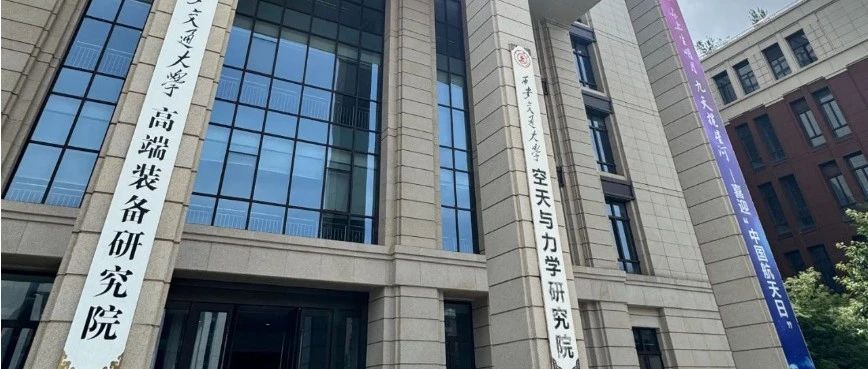
Core Viewpoint - The article emphasizes the need for higher education reform in China, particularly in the context of the fourth industrial revolution, advocating for a direct dialogue between universities and society to cultivate innovative talent [1]. Group 1: Higher Education Reform - Universities must break free from traditional, discipline-specific confines and engage directly with societal needs to foster innovation [1]. - The integration of traditional industries and emerging technologies has heightened the demand for innovative talent, particularly in a manufacturing powerhouse with approximately 4 million engineering graduates [1][9]. Group 2: Establishment of Research Institutes - Multiple universities are accelerating the establishment of research institutes as platforms for interdisciplinary research and technology transfer [2]. - Shanghai Jiao Tong University has launched the Low Altitude Science and Technology Research Institute, focusing on a collaborative innovation incubation plan that integrates industry, innovation, and talent [2]. - Xi'an Jiaotong University has established over 20 research institutes within the China West Science and Technology Innovation Port, promoting interdisciplinary collaboration and industry integration [3][7]. Group 3: Industry-Academia Collaboration - The establishment of specialized classes, such as the Huawei Experimental Class at Nanjing University of Information Science and Technology, exemplifies the collaboration between universities and enterprises to cultivate talent [10]. - The partnership between Shenzhen University and Tencent in creating the AI (Teng Class) aims to develop students' capabilities in AI engineering and application innovation [10]. - The Ministry of Education's guidelines indicate a projected talent gap of nearly 30 million in key manufacturing sectors by 2025, highlighting the urgent need for enhanced talent supply [9]. Group 4: Professional Degree Education - The development of professional degree graduate education is a strategic focus, aiming to cultivate high-level application-oriented talents with strong professional skills [11][13]. - Collaboration between educational institutions and industries is essential for formulating training programs and enhancing the quality of professional degree education [13].
制造业重点领域人才缺口近3000万,校企“语言体系”如何打通
Di Yi Cai Jing· 2025-05-20 12:22
Group 1 - The core viewpoint emphasizes that universities must break away from traditional, discipline-focused approaches and engage directly with society to reform higher education in the context of the Fourth Industrial Revolution [1] - There is an increasing demand for innovative talent due to the integration of traditional industries and emerging technologies, particularly in a manufacturing country with approximately 4 million engineering graduates [1] - Higher education institutions are establishing research institutes as a means to facilitate interdisciplinary research and technology transfer [2] Group 2 - The Shanghai Jiao Tong University Low Altitude Science and Technology Research Institute has launched a collaborative innovation incubation plan focusing on the integration of industry, innovation, and talent [2] - Beijing University of Science and Technology has also established several interdisciplinary research centers aimed at cultivating innovative talent in fields such as nanotechnology and sustainable energy [2] - Xi'an Jiaotong University has created over 30 research institutes and 400 research bases to promote interdisciplinary collaboration and industry-education integration [9] Group 3 - The Ministry of Education's guidelines indicate a projected talent gap of nearly 30 million in key manufacturing sectors by 2025, highlighting the need for high-quality engineering talent [10] - There are structural issues in the education system, such as a decline in engineering student enrollment and a mismatch between knowledge structure and job requirements [10] - Collaborative programs between universities and companies, such as Huawei's experimental class at Nanjing University, are emerging as a solution to enhance talent development [11] Group 4 - The development of professional degree graduate education is a strategic focus for reforming higher education, aiming to cultivate high-level application-oriented professionals [13] - There is a need for better communication and collaboration between academia and industry to ensure that educational outcomes align with industry needs [13] - Joint training programs, like the one between Shanghai Jiao Tong University and Baowu Steel Group, are being implemented to enhance practical learning experiences for students [14]