医保骗保

Search documents
爱尔眼科董事长陈邦,疑似为“骗保”精神病院实控人
2 1 Shi Ji Jing Ji Bao Dao· 2026-02-06 00:37
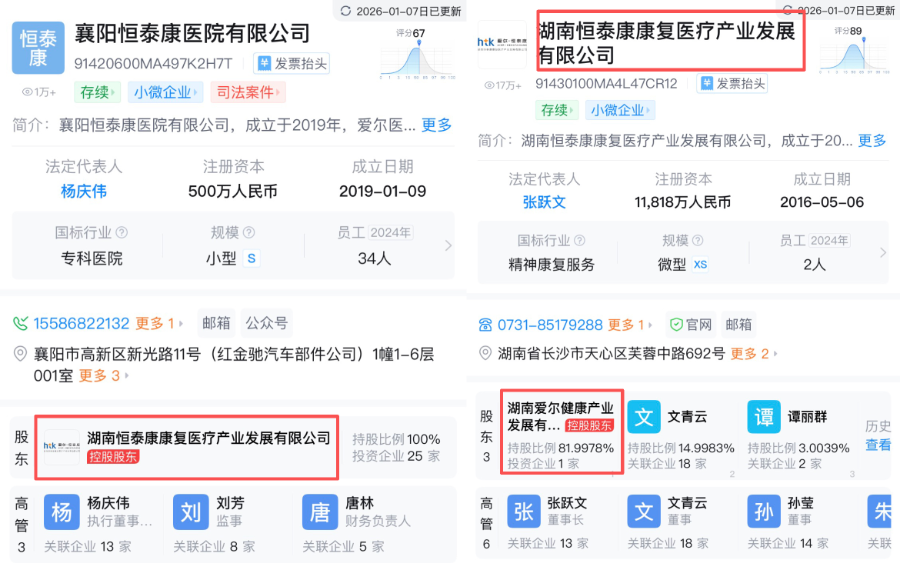
近日,湖北多家精神病医院被曝虚构诊疗项目、套取医保资金,引发广泛关注。据《新京报》报道,涉事医院包括襄阳融诚医 院、襄阳宏安医院、襄阳恒泰康医院、宜昌夷陵康宁精神病医院等。 天眼查显示,襄阳恒泰康医院有限公司由湖南恒泰康康复医疗产业发展有限公司100%持股,而湖南恒泰康康复医疗产业发展有 限公司由湖南爱尔健康产业发展有限公司81.9978%持股。襄阳恒泰康医院成立于2019年,企业注册资本500万元,实缴资本500 万元,控股股东为湖南恒泰康康复医疗产业发展有限公司。 据《新京报》,襄阳多家医院将没有病的正常人,收进精神病医院免费住院,以此骗取医保基金。其中就提及陈邦实际控制的 襄阳恒泰康医院。公开资料显示,襄阳恒泰康医院于2019年开业,位于襄阳市高新区,该医院为二级精神专科医院。 据公开资料,陈邦是军人出身,退伍后做过器材代理、文化传播,还做过房地产,涉足颇广。其资产版图主要围绕连锁医疗和 相对应的商业地产展开。陈邦主要通过爱尔医疗投资集团有限公司间接控制多家医疗企业。其中,最著名的就是连锁眼科医院 爱尔眼科,以及此次事件涉及的恒泰康康复医疗集团。 天眼查截图 | 爱尔 | 湖南爱尔健康产业发展有限公 | ...


爱尔眼科董事长陈邦为一疑似“骗保”精神病院实控人
Xin Lang Cai Jing· 2026-02-05 13:14
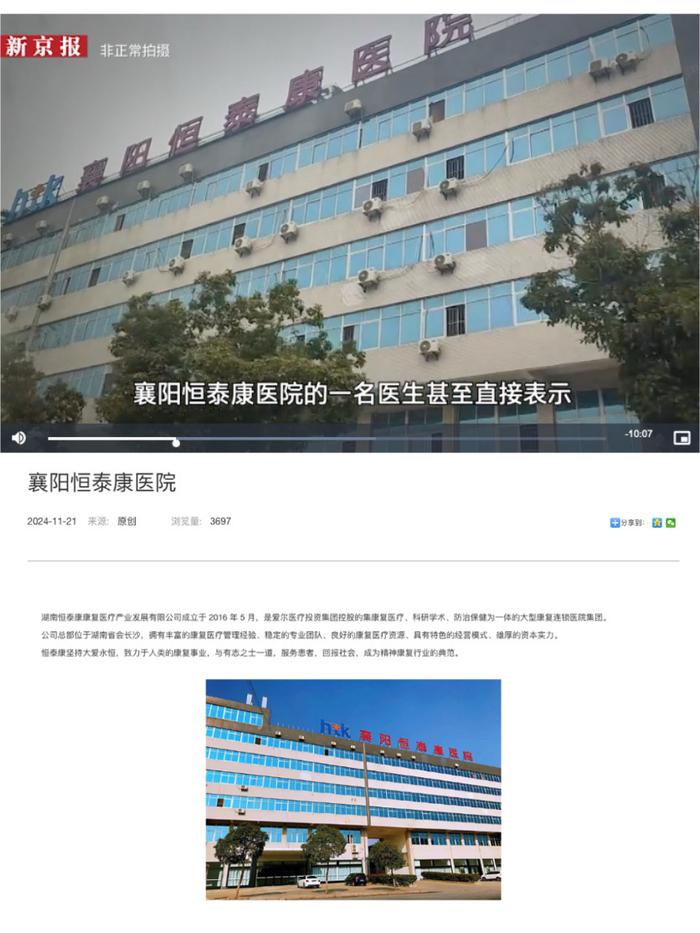
智通财经记者 | 李科文 智通财经编辑 | 谢欣 据《新京报》,湖北襄阳、宜昌多家精神病院被曝以"免费住院""免费接送"为诱导招揽病人,涉嫌系统 性骗取医保资金。该调查发布后,舆论引起广泛关注。 智通财经记者通过公开资料对比发现,被报道点名的襄阳恒泰康医院在股权穿透后,实际控制人为A股 上市公司爱尔眼科实际控制人陈邦。 2月5日,智通财经多次致电陈邦,但均显示为正在通话中。此后智通财经向其发送短信询问相关事项, 但截止发稿未获回复。 陈邦是谁? 据《新京报》,襄阳多家医院将没有病的正常人,收进精神病医院免费住院,以此骗取医保基金。其中 就提及陈邦实际控制的襄阳恒泰康医院。 据上述报道,襄阳恒泰康医院某医生确认某村民没有任何精神问题后,直接表示可以帮该村民虚构出精 神疾病,让其住院。 公开资料显示,襄阳恒泰康医院于2019年开业,位于襄阳市高新区,该医院为二级精神专科医院。 智通财经记者进一步梳理发现,襄阳恒泰康医院隶属于恒泰康康复医疗集团,与A股上市公司爱尔眼科 同属于爱尔医疗健康集团。据官网,湖南恒泰康康复医疗产业发展有限公司成立于2016年5月,由爱尔 医疗投资集团控股,旗下有20家连锁精神病康复医院,其 ...
莫让 “免费住院” 沦为骗保陷阱
Xin Lang Cai Jing· 2026-02-05 12:01
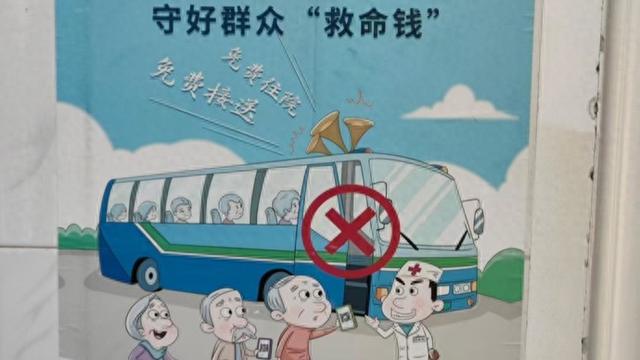
(来源:上观新闻) 铲除"被精神病"骗保顽疾,需标本兼治。 精准打击,阻断利益链。依据《医疗保障基金使用监督管理条例》第四十条,顶格处罚骗保机构,落实 责任人终身禁业规定。严格落实《〈社会保险基金会计制度〉补充规定》,让每一分钱都花在刀刃上。 规范诊疗,填补信息差。推广AI智能监控、引入第三方入院评估。比如,从区域整体数据入手系统排 查,细化分析精神类药品和诊疗设备使用,形成刚性约束。 "免费住院、免费接送"……近日,某省多家精神病医院被曝违规收治患者、涉嫌骗取医保资金,引发关 注。医保基金是群众"救命钱",绝非任人宰割的"唐僧肉"。 2019年至2021年,湖南开展精神专科医保基金飞行检查,追回医保基金损失8000多万元。2025年,广东 河源市曝光5例违规使用医保基金典型案例,其中涉及三家精神病医院。"骗保生意经"缘何在精神病医 院大行其道? 其一,利益驱动。据新京报报道,"一个月一个人套五千,一年六万,一百个病人就是六百万"。民营机 构逐利性失衡,慈善外衣包裹着骗保内核,形成从招揽、"诊疗"到阻挠出院的罪恶链条。 其二,信息黑箱。精神专科的封闭性与部分患者的表达障碍,使得诊疗过程难以被外部有效监督,"挂 ...
人民日报发声:“作恶无见证、施暴无后果”的精神病院“黑箱”,必须掀开盖子!
Xin Lang Cai Jing· 2026-02-04 15:22
Core Viewpoint - The article highlights the serious issues within certain mental hospitals in Hubei, where patients are lured in with promises of free hospitalization, only to be subjected to fraudulent practices that exploit insurance funds and violate patient rights [1][3][4]. Group 1: Fraudulent Practices - Involved mental hospitals attract patients by advertising "free hospitalization" and then engage in deceptive practices such as fabricating medical conditions and treatment plans to defraud insurance funds [1][6]. - Patients are often kept in these facilities against their will, with hospitals employing tactics like blocking discharge and severing family contact, effectively turning them into "cash cows" for the institutions [3][7]. - Reports indicate that some hospitals even admit individuals without genuine mental health issues, with staff members themselves posing as patients to exploit the system [6][9]. Group 2: Regulatory Response - Following media exposure of these practices, local authorities in Xiangyang and Yichang have initiated investigations, forming joint task forces to address the allegations of improper patient admissions and insurance fraud [9][10]. - The Hubei provincial government has also established a joint investigation team comprising various departments to ensure thorough scrutiny and accountability for any verified misconduct [10]. Group 3: Patient Impact - Patients in these facilities not only receive inadequate treatment but also endure harsh management practices, leading to a pervasive fear of returning to such hospitals among the local population [7]. - The article emphasizes the need for stronger regulatory measures and better oversight to dismantle the fraudulent networks exploiting vulnerable individuals [4][5].
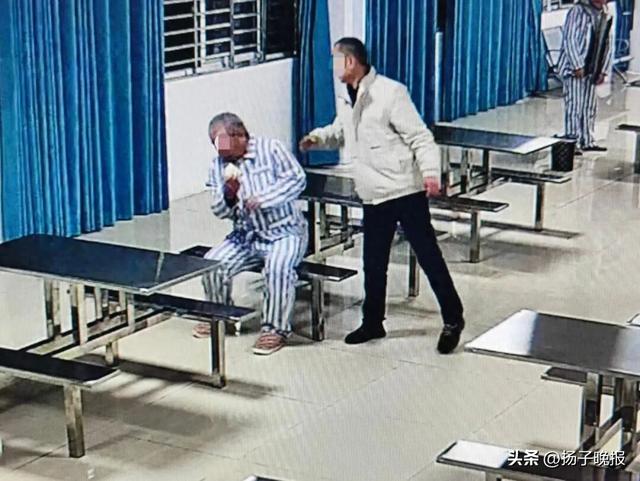
多家精神病院涉嫌骗保,当地医保部门何以毫无察觉
Nan Fang Du Shi Bao· 2026-02-04 06:30
Core Viewpoint - The article highlights a disturbing trend in Hubei province, where multiple psychiatric hospitals are allegedly engaging in fraudulent practices by admitting individuals under false pretenses, including free hospitalization and transportation, leading to a new form of insurance fraud [1][2]. Group 1: Fraudulent Practices - Several psychiatric hospitals in Hubei are reportedly luring elderly individuals and alcoholics into admission with offers of free services, with some staff members posing as patients [1]. - The number of these hospitals in Xiangyang alone exceeds twenty, drawing comparisons to the abundance of noodle shops in the area, indicating a rapid and unchecked proliferation of such institutions [1]. - Many admitted patients do not exhibit clear signs of mental illness, with some using the facilities for retirement or rehabilitation, suggesting a well-established and blatant profit-driven scheme [1]. Group 2: Human Rights Violations - Reports indicate that patients' rights are being violated within these hospitals, with instances of physical abuse and forced labor among patients [2]. - A suicide incident involving a patient at Yichang Yiling Kangning Hospital raises serious concerns about the treatment and conditions within these facilities, necessitating further investigation [2]. Group 3: Regulatory Oversight Issues - The local medical insurance department appears to have failed in detecting the irregularities associated with the numerous psychiatric hospitals, raising questions about their oversight capabilities [2]. - There are concerns about potential collusion between the insurance department and the hospitals, as the hospitals have managed to obtain necessary approvals and insurance qualifications despite the apparent issues [2]. - The establishment of multiple investigation teams suggests a recognition of the severity of the situation, yet the involvement of the local insurance department in these investigations raises concerns about their impartiality [2][3].
如此精神病院“黑箱”,发现一起坚决查处一起
Ren Min Ri Bao· 2026-02-04 05:52
Group 1 - The core issue involves mental hospitals in Hubei province allegedly engaging in fraudulent practices by attracting patients with "free hospitalization" offers and subsequently exploiting them for insurance funds [1][2] - Investigations reveal that these hospitals create false medical conditions and treatment plans to continuously defraud the medical insurance fund, while also employing coercive tactics to prolong patient stays [1][2] - The hospitals are described as operating in a "black box" environment, where the unique characteristics of mental health patients, such as communication difficulties and closed management, are exploited to evade external oversight [2][3] Group 2 - The article emphasizes the need for stronger regulatory measures and better coordination among departments to dismantle the fraudulent practices within the mental health sector [3] - It calls for a thorough investigation by Hubei province to expose the truth behind these practices and provide a reference for combating similar fraud nationwide [3]
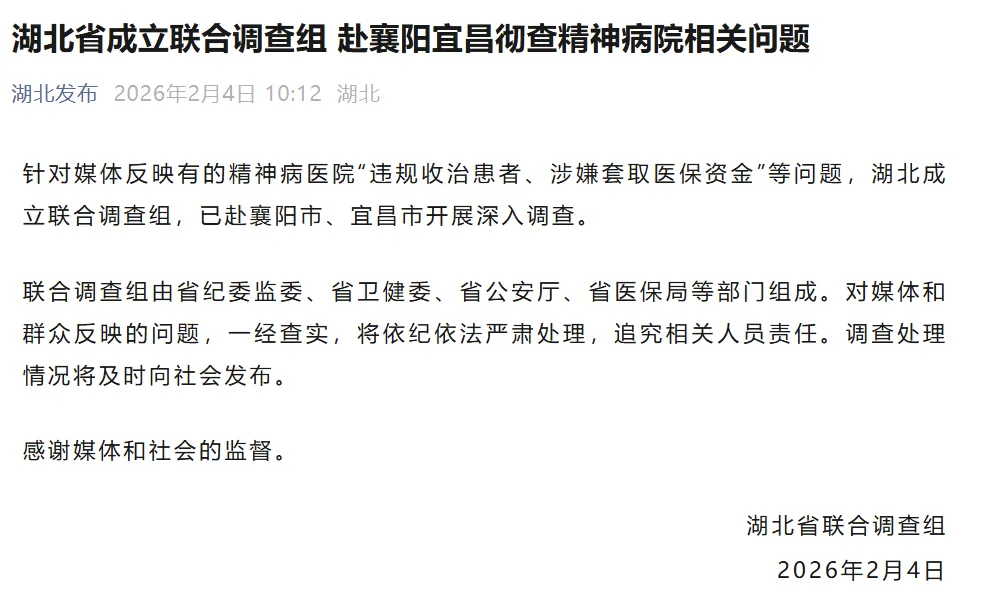
谁在制造精神病人?有建筑公司变医院,医保成了摇钱树
凤凰网财经· 2026-02-03 12:41
来源丨 凤凰网《风暴眼》 精神卫生医疗机构本是守护民众心灵健康的最后一道屏障,可湖北多地的多家精神病院,却被曝将这道屏障变成了套取医保、肆意逐利的工具。 据新京报报道,襄阳、宜昌多家精神病院竟违规收治无精神疾病的正常人,打着免费照料的幌子,靠伪造病历、虚构治疗项目骗取医保资金。 而其中一家涉事医院的前身,竟是土石方工程公司。 01 有精神医疗机构前身是建筑公司 根据新京报报道,此次涉事的医疗机构包括襄阳宏安精神病医院、宜昌夷陵康宁精神病医院、襄阳融诚医院有限公司等。 凤凰网《风暴眼》发现,其中多家机构背景复杂,且此前已留下多项违规记录。 企查查显示,襄阳融诚医院有限公司于 2023年4月注册成立,法定代表人为李进科,注册资本1000万元。 这家成立时间不长的医院,此前已有多次违规记录。 2024 年 9月,因使用非卫生技术人员开展医疗卫生技术工作,被襄阳市卫生健康委员会处以1万元罚款。 更早之前,还因药品验收记录残缺、验收人员未签字、近效期药品管理混乱、药房 " 三防 " 设施不齐全、药品未按说明书要求避光储存等多项问 题,被监管部门予以警告。 另一家涉事的襄阳宏安精神病医院有限公司,成立于 2022年9月, ...

精神病医院骗保内幕调查:承诺免费住院,入院容易出院难,“住院相当于坐牢”,曾有病人多次要求出院无果后自杀
Xin Jing Bao· 2026-02-03 10:28
"不要钱,医药费和生活费全免,可以常年住!"在湖北省襄阳市的一家精神病医院,一名医生面对病人 家属给出了这样的承诺。不只是这一家医院,新京报记者走访发现,襄阳市多家精神病医院都对外承 诺"免费住院、免费接送"。 而这些医院为了争抢病人,不仅打出免费的旗号,甚至组织员工下乡宣传招揽病人,一些病人家属也不 胜其扰,"一个襄阳市,居然有二十多家精神病医院,跟我们这儿的牛肉面馆一样,开得到处都是。" 2025年12月,新京报记者以应聘护工的名义,先后卧底进入湖北襄阳宏安精神病医院和湖北宜昌夷陵康 宁精神病医院。在这两家精神病医院,新京报 记者发现许多住院病人看起来并无明显精神异常,其中还有不少老年人。有医护人员直言有些人住进来 就是为了养老。更让人匪夷所思的是,原本只在医院工作的护工、保安,也办理了住院手续,成为所谓 的"精神病人"。 在襄阳,新京报记者调查发现,多家精神病医院可以把正常人收进精神病医院住院,有医生表示,可以 帮忙虚构出精神疾病。在宜昌,有精神病医院为了达到让病人长年住院的目的,定期安排病人"假出 院",与医保检查人员玩起"躲猫猫"。 只要住进精神病医院,这些病人就成了医院眼中的"摇钱树",医护人员利 ...

假住院真套保,医保资金如何严防医疗机构“围猎”?
2 1 Shi Ji Jing Ji Bao Dao· 2026-02-03 09:25
Core Viewpoint - The investigation reveals that several psychiatric hospitals in Xiangyang and Yichang are illegally admitting normal individuals as patients to exploit insurance funds, turning them into revenue-generating tools for the hospitals [1][4][5]. Group 1: Hospital Practices - Hospitals are engaging in practices such as admitting healthy individuals under false pretenses, with some even employing internal staff to pose as patients [4][5]. - These institutions are manipulating diagnoses to fit insurance reimbursement criteria, such as misclassifying alcohol dependence as a mental disorder to secure funding [4][5]. - Patients are subjected to minimal treatment, with reports indicating that some only receive occasional medication and basic tests, while the hospitals charge exorbitant fees for services not rendered [5]. Group 2: Regulatory Response - A joint investigation team has been established by the Yichang government to address the fraudulent practices, promising to handle the situation according to the findings and keep the public informed [2]. - The National Medical Insurance Bureau has emphasized a "zero tolerance" policy towards fraud, implementing a comprehensive regulatory framework to combat various forms of insurance fraud across healthcare institutions [9]. Group 3: Broader Implications - The fraudulent activities not only harm the patients who genuinely need care but also undermine the overall healthcare system, affecting the quality of medical services and insurance benefits for all insured individuals [1][6]. - The prevalence of fraud in psychiatric hospitals reflects a larger issue within the healthcare sector, where similar deceptive practices are reported across various medical institutions and retail pharmacies [6][7]. Group 4: Future Directions - Experts suggest that the exposure of these fraudulent practices presents an opportunity for reform, advocating for stricter regulations and innovative payment models to reduce the potential for fraud [5][9]. - The integration of big data from multiple sectors is seen as a crucial step in enhancing oversight and ensuring that legitimate patients receive the care they need while deterring fraudulent activities [9].
媒体报道襄阳有精神病院假诊断、假治疗、假出院骗保,当地回应
Xin Lang Cai Jing· 2026-02-03 04:22
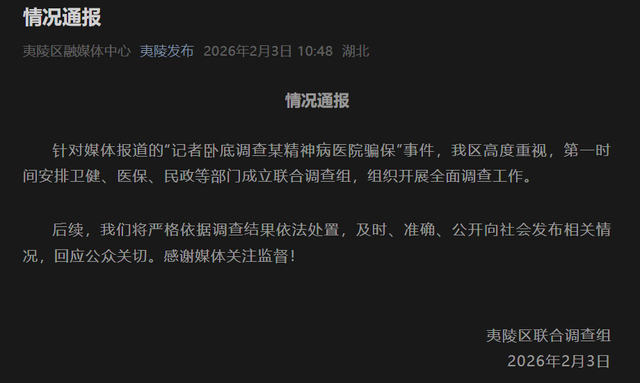
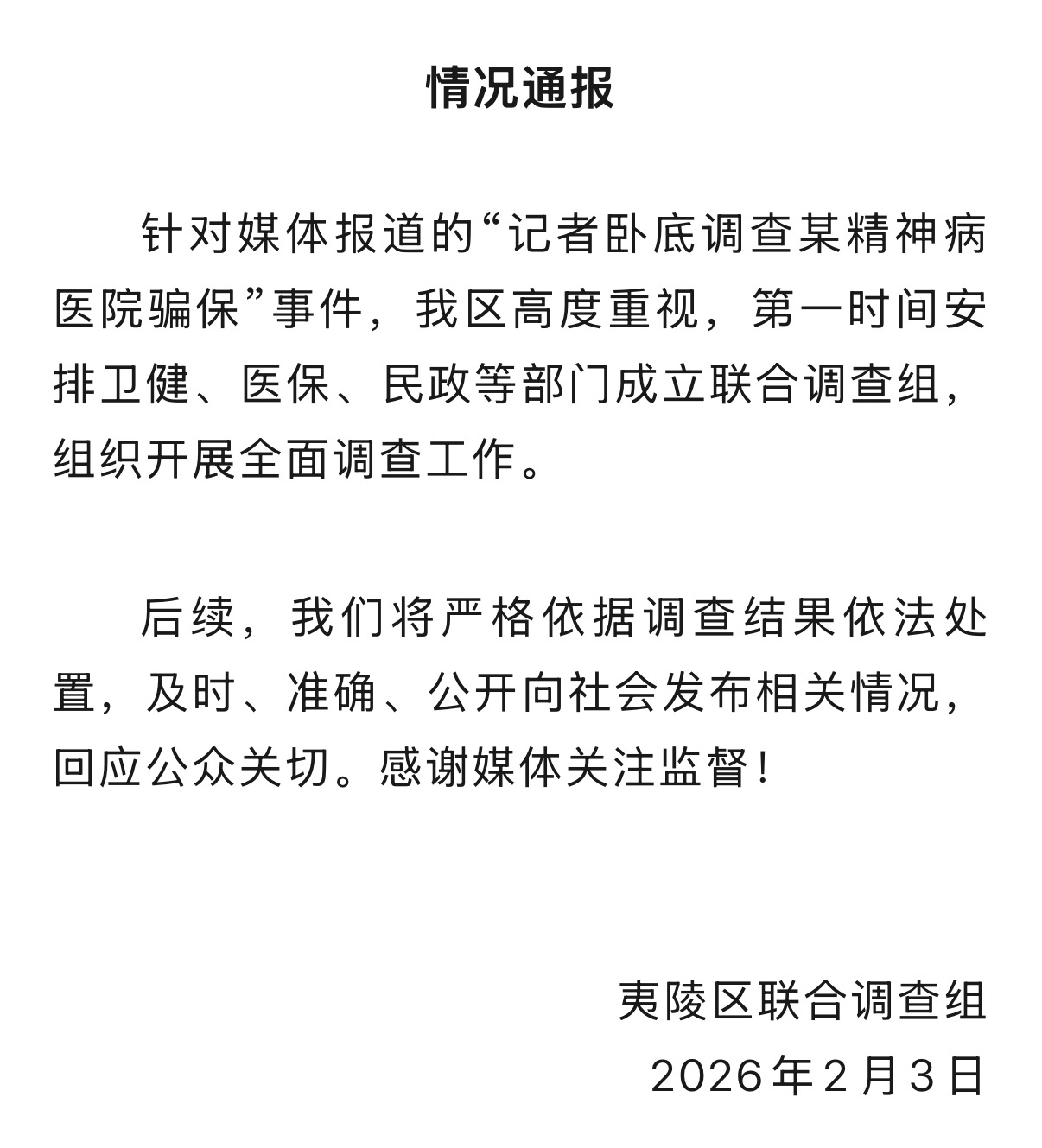
2月3日,湖北省襄阳市卫健委网站发布情况通报。通报称,当天上午,媒体报道我市存在精神病院违规 收治患者、涉嫌套取医保资金等问题后,我市高度重视,立即成立工作专班,在全市开展起底式排查调 查,一旦核实相关问题将依法从严从速处理。 同日,夷陵区联合调查组也通过"夷陵发布"微信公号发布情况通报,表示针对媒体报道的"记者卧底调 查某精神病医院骗保"事件,我区高度重视,第一时间安排卫健、医保、民政等部门成立联合调查组, 组织开展全面调查工作。后续,我们将严格依据调查结果依法处置,及时、准确、公开向社会发布相关 情况,回应公众关切。感谢媒体关注监督! 此前据新京报报道,襄阳市有精神病医院向病人家属承诺"免费住院、免费接送"。一些医院为了争抢病 人,不仅打出免费的旗号,甚至组织员工下乡宣传招揽病人,以至于"一个襄阳市,居然有二十多家精 神病医院,跟我们这儿的牛肉面馆"。 报道表示,记者调查后发现,医院这么做的目的是利用住院人员的相关信息,虚构诊疗项目,套取医保 资金。住院病人人数越多、住得越久,医院的"创收"也就越高。有很多住院的"病人"并没有实际精神问 题,而那些本来需要接受治疗的真病人很多得不到有效治疗,甚至被动辄打骂 ...