历史认知

Search documents
四问“搞事”的高市早苗
Yang Shi Wang· 2025-11-17 21:57
Group 1 - The core viewpoint of the article revolves around the recent controversial statements and actions of Takashima Sanae regarding Taiwan issues and historical recognition, highlighting the legal invalidity of her remarks on Taiwan [1] - Takashima's attempts to modify the "Three Non-Nuclear Principles" are seen as potentially harmful, raising concerns within Japan about the implications for national security and regional stability [1] - Various sectors within Japan have criticized her statements, indicating a significant backlash against her views on Taiwan and nuclear policy, reflecting broader societal and political tensions [1]
高度重视中方纪念活动,普遍认可中国抗战贡献,26位外国领导人将出席九三阅兵
Huan Qiu Shi Bao· 2025-08-28 23:07
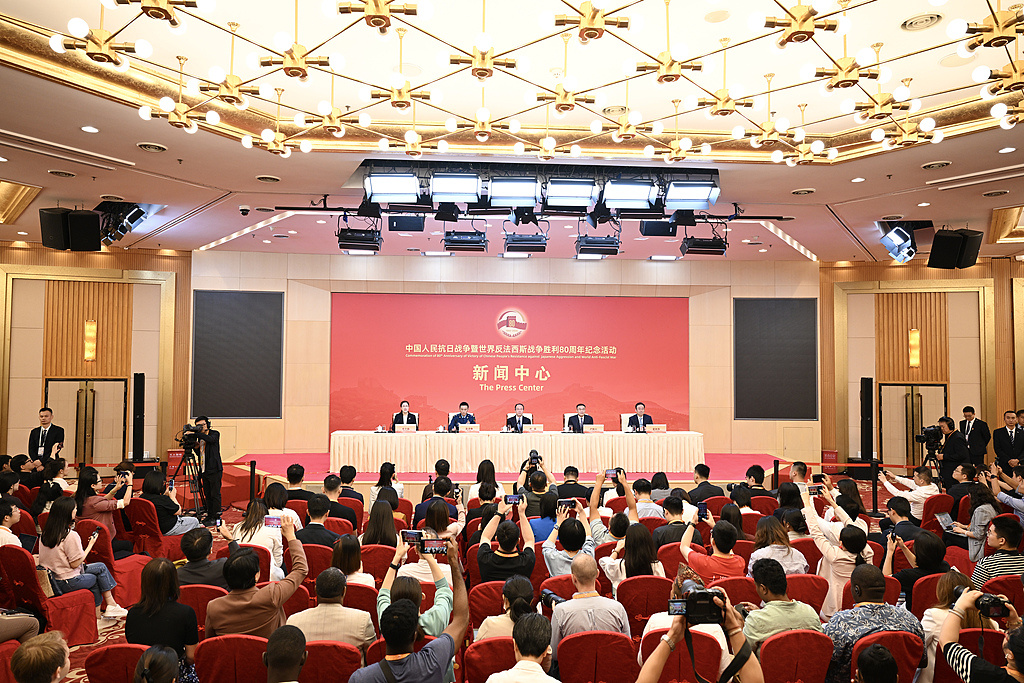
Group 1 - The core event is the 80th anniversary of the victory in the Chinese People's War of Resistance Against Japanese Aggression and the World Anti-Fascist War, with significant international participation [1][2] - 26 foreign heads of state and government leaders, including notable figures like Putin and Kim Jong-un, will attend, highlighting the event's global significance [1][2] - The event reflects China's rising influence and changing relationships with the world, as indicated by the high-level attendance from various countries [5][6] Group 2 - The attendance list includes leaders from Southeast Asian countries, indicating a desire to strengthen ties with China [5] - The event is seen as a diplomatic platform, showcasing China's military advancements and its role in promoting a multipolar international order [5][6] - The participation of international friends and their descendants who contributed to China's anti-Japanese efforts underscores the historical recognition and friendship [2][3]

日本被爆“搞小动作”,历史真相不容歪曲,中国纪念抗战胜利唤起正义共鸣
Huan Qiu Shi Bao· 2025-08-25 22:46
Core Viewpoint - The article discusses the 80th anniversary of the victory in the Chinese People's Anti-Japanese War and the World Anti-Fascist War, highlighting the international commemorative activities and Japan's attempts to downplay its historical aggression [1][3][4]. Group 1: Japan's Diplomatic Actions - Japan's government is reportedly urging European and Asian countries to refrain from participating in China's commemorative activities, claiming they overly focus on history and have a strong anti-Japanese sentiment [1][3]. - Japanese media has been closely monitoring China's commemorative events, labeling them as a "historical war" that Japan must confront [3][4]. - The Japanese embassy in China has warned its citizens about rising anti-Japanese sentiment in light of China's commemorative activities [3]. Group 2: International Participation - A significant number of international diplomats, including representatives from 112 embassies and 10 international organizations, have actively participated in China's commemorative events [4]. - Diplomats from various countries expressed the importance of learning from history to prevent repeating past mistakes, emphasizing the significance of China's role in the anti-fascist struggle [4][6]. Group 3: Historical Recognition and Criticism - Experts highlight that Japan's attempts to obstruct participation in China's commemorative activities reflect a failure to confront its historical aggression and a continuation of right-wing revisionism [4][9]. - Criticism from within Japan points to a lack of comprehensive reflection on its wartime actions, with some Japanese intellectuals acknowledging the dangers of distorting historical narratives [7][9]. - The article notes that Japan's actions could undermine the post-war international order, which is based on historical agreements like the Cairo Declaration and the Potsdam Proclamation [9].

有必要让日本知道,当年到底败给了谁
Hu Xiu· 2025-08-15 13:11
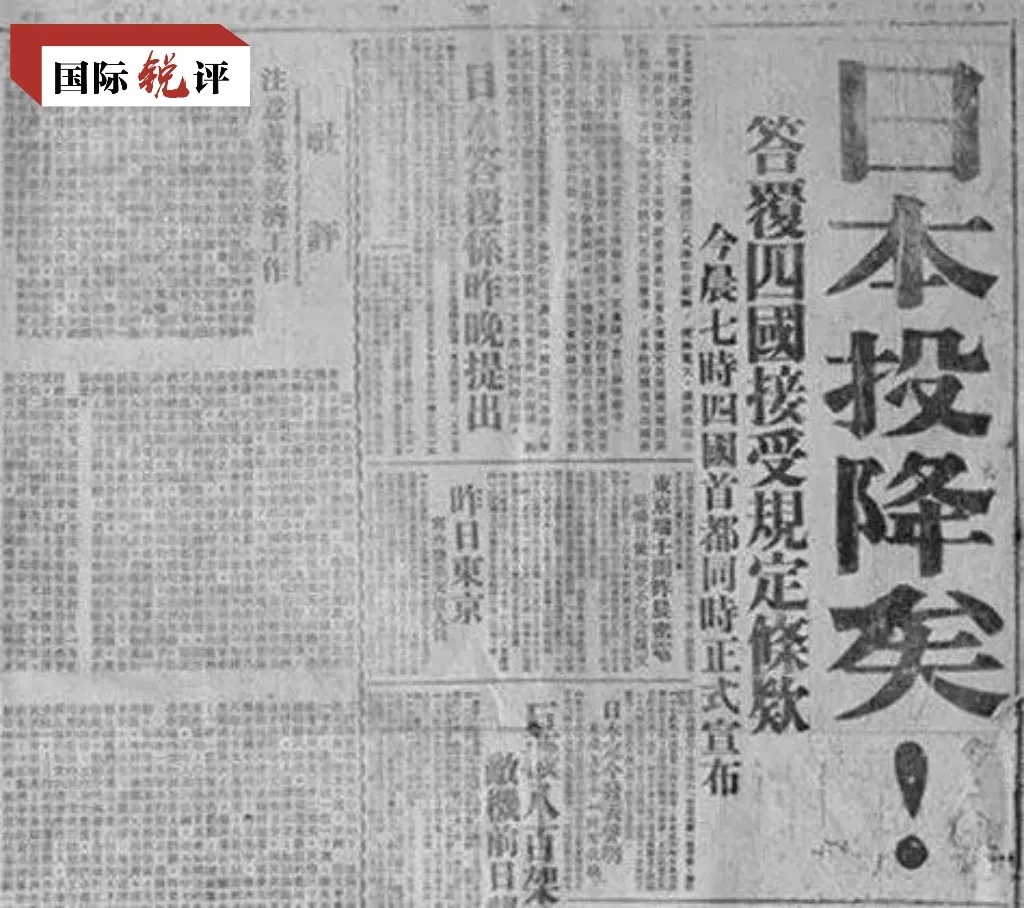
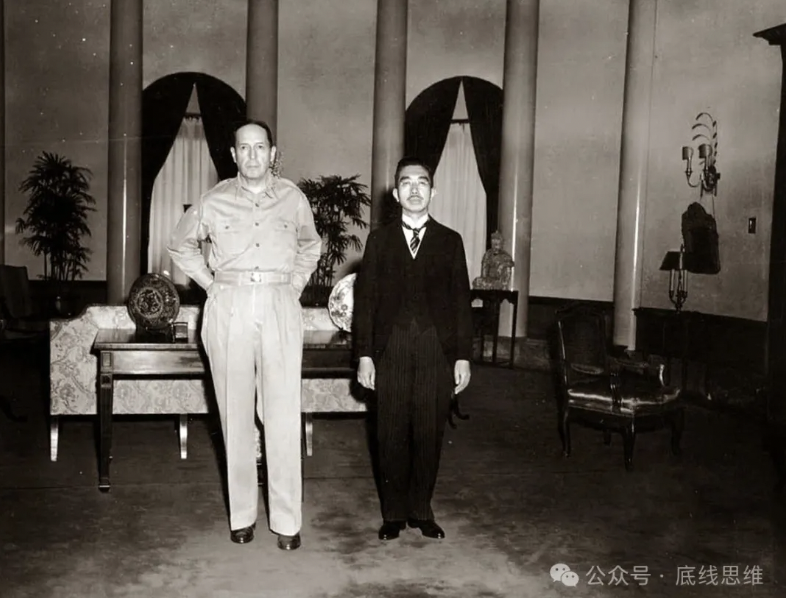
Core Viewpoint - The article emphasizes that Japan's defeat in World War II should be recognized as a loss to China, not just to the United States, highlighting the significant role played by Chinese forces in the war [2][6][17]. Group 1: Historical Context - August 15 marks the 80th anniversary of Japan's unconditional surrender, coinciding with the 80th anniversary of China's victory in the War of Resistance against Japan [1]. - Japan's narrative of defeat focuses on its loss to the United States, ignoring its defeat by China during the invasion [2][16]. - The Japanese military's deployment during the war shows a significant commitment to the Chinese front, with 1.38 million troops in China by 1941, compared to only 155,000 in the Pacific [4][5]. Group 2: Military Engagements and Costs - Japan's military expenditure in China from 1941 to 1945 totaled 415.41 billion yen, accounting for 57% of its total military spending during that period, while spending in the Pacific was only 184.2 billion yen [6]. - Major battles, such as the "Hundred Regiments Offensive" and the "Hengyang Defense Battle," demonstrated the fierce resistance of Chinese forces, inflicting heavy casualties on Japanese troops [12][14]. Group 3: Post-War Recognition and Impact - After Japan's surrender, formal ceremonies took place in China, including in Zhijiang and Nanjing, where Japanese forces surrendered to Chinese military leaders [7][9]. - The article argues that Japan's refusal to acknowledge its defeat by China has led to a distorted historical narrative, affecting Japan's perception of China and its own national identity [22][23]. - The ongoing military developments in China, such as the enhancement of naval capabilities, are causing concern in Japan, indicating a shift in regional power dynamics [24].
国际锐评丨战后80年,日本的“历史健忘症”该治治了
Yang Shi Xin Wen Ke Hu Duan· 2025-08-15 08:20
Core Viewpoint - The article emphasizes the importance of remembering historical events, particularly Japan's wartime actions during World War II, to prevent repeating past mistakes and to cherish peace achieved after the war [1][3]. Group 1: Historical Context - The article highlights that Japan's militaristic actions during World War II caused immense suffering, particularly in China, where over 35 million people were casualties of the war [1]. - It notes that August 15, 1945, marks Japan's unconditional surrender, symbolizing the victory of the Chinese people in the Anti-Japanese War and the global anti-fascist struggle [1]. Group 2: Current Political Climate - The article discusses Japan's current political landscape, where some politicians and right-wing groups are attempting to downplay Japan's wartime responsibilities and distort historical facts, such as the Nanjing Massacre and the "comfort women" issue [3][4]. - It mentions Japan's recent shift in historical discourse, where the government has moved away from established practices of addressing historical issues, leading to criticism of Japan's regression on historical matters [3]. Group 3: Military and Strategic Developments - The article outlines Japan's increasing military budget and its efforts to amend its pacifist constitution, which raises concerns about a resurgence of militarism [3][4]. - It points out that Japan's defense strategy is evolving, with the upcoming 2024 upgrade of the U.S.-Japan Security Treaty shifting the alliance's focus from defense to a more offensive posture, which could embolden Japan's military ambitions [4]. Group 4: International Reactions - The article notes that there is growing international criticism of Japan's attempts to whitewash its wartime history and its military expansion, with voices from various countries expressing concern over Japan's actions [5]. - It highlights that some Japanese citizens are becoming aware of the true historical events, leading to shock and disillusionment regarding the government's narrative [5].