可持续时尚

Search documents
专访yehyehyeh创新社创始人叶晓薇:2026,可持续时尚告别“漂绿”,走向“深绿”
Xin Lang Cai Jing· 2026-01-10 08:10
Core Insights - The year 2025 marks a pivotal point for the global fashion industry, transitioning sustainable fashion from a marketing add-on to a necessity for survival in the mainstream market due to the enforcement of the EU's Sustainable Product Ecodesign Regulation (ESPR) and various anti-greenwashing laws [1][2] Group 1: Changes in ESG Practices - The fashion industry is shifting from vague carbon reduction promises to comprehensive data-driven carbon management across the entire supply chain, driven by the upcoming ESPR [2][3] - The adoption of circular economy practices, particularly textile-to-textile (T2T) innovations, is becoming a major focus, with significant collaborations emerging to integrate new materials into supply chains [2][3] - The industry's mindset is evolving from merely increasing the production of preferred materials to enhancing the underlying production systems, which is crucial for making a real environmental and social impact [3] Group 2: Regulatory Pressures and Transparency - Recent policies are pushing the fashion and textile industry’s ESG requirements from voluntary practices to mandatory compliance, with the EU's Consumer Empowerment Directive and Green Claims Directive establishing stricter standards for environmental claims [3][4] - Fast fashion platforms like Shein and Temu are now facing systemic external pressures that require transparency, compliance, and verifiability, necessitating significant investments in certification systems and digital disclosures [4][5] Group 3: Consumer Engagement and Market Trends - There is a notable shift in consumer focus from single material considerations to deeper supply chain decarbonization and circular models, as regulations demand full lifecycle information disclosure [5][6] - The phenomenon of "green hushing" is emerging, where brands are opting for silence on their sustainability efforts due to regulatory pressures, which could lead to a lack of transparency and consumer awareness [5][6] - Brands are increasingly collaborating with suppliers to provide green energy, indicating a shift towards collaborative decarbonization efforts across the entire supply chain [6][7] Group 4: Future Trends in Sustainable Fashion - The three key trends anticipated in the ESG space for the fashion industry over the next three years are circular economy, collaborative intelligence (AI), and nature-based solutions (NbS) [8][9][10] - Circular economy practices are seen as essential for addressing resource depletion and waste crises, while AI and digital tools are necessary for efficient management of complex supply chain data [9][10] - Nature-based solutions emphasize the importance of regenerative agriculture and biodiversity protection as foundational elements for restoring the relationship between the fashion industry and the planet [11]
爱马仕在中国市场“涨不动价”了
2 1 Shi Ji Jing Ji Bao Dao· 2025-12-31 00:11
Group 1: Market Trends and Company Performance - The global fashion, fast-moving consumer goods, and high-end tourism industries are exploring new growth paths amid performance differentiation and strategic adjustments [1] - Nike's Q2 revenue exceeded expectations at $12.4 billion, but growth engines are showing signs of divergence, with a decline in direct sales revenue by 8% [7][8] - Birkenstock reported a 16.2% increase in annual revenue to nearly €2.1 billion, but cautious guidance for 2026 led to a significant stock drop of over 11% [14][15] Group 2: Strategic Investments and Leadership Changes - Anastasia Beverly Hills' founder injected $225 million to stabilize the brand's financial health amid a significant reduction in TPG's stake from 38% to 6% [6] - Coty announced a leadership change with Markus Strobel, a veteran from Procter & Gamble, taking over as interim CEO to address performance challenges [9] - Lululemon's founder Chip Wilson nominated three board candidates to address concerns over CEO succession and product innovation amid declining sales growth [2] Group 3: Pricing Strategies and Market Dynamics - Hermès slowed its price increases in China, with the highest increase capped at 10%, reflecting challenges in relying solely on price hikes for growth [3][4] - The luxury goods market is experiencing a shift in pricing strategies as brands adapt to changing consumer demand and market conditions [3] Group 4: High-End Tourism Investments - Marriott signed a deal to open a Ritz-Carlton hotel in Dunhuang, marking its second luxury property in Greater China, as part of its strategy to expand in the luxury vacation market [11] - Blackstone announced the acquisition of Hamilton Island resort for approximately AUD 1.2 billion, highlighting the growing interest in high-end tourism assets [13] Group 5: Challenges in Sustainable Fashion - Stella McCartney faced a 27% revenue decline to £16 million, marking its lowest point since 2009, as the brand struggles with profitability despite its sustainable fashion ethos [19][20]

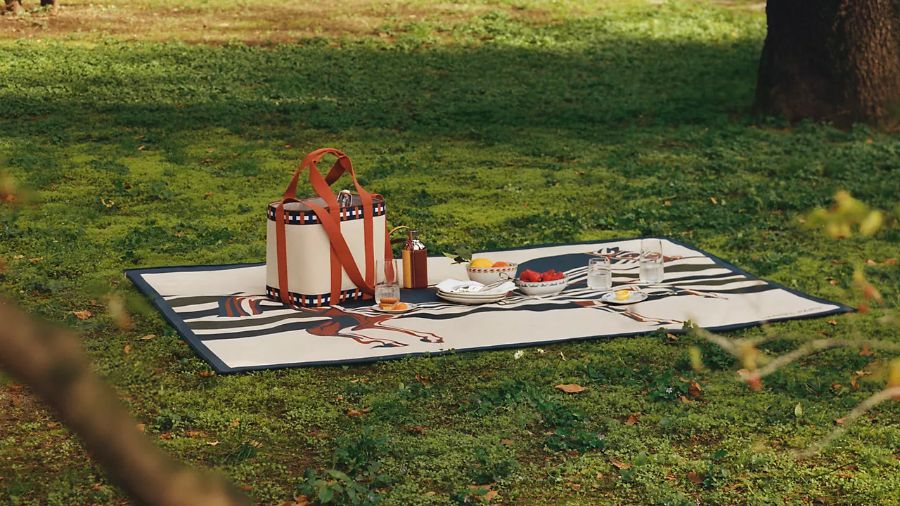
爱马仕在中国市场“涨不动价”了 丨 二姨看时尚
2 1 Shi Ji Jing Ji Bao Dao· 2025-12-31 00:07
Core Insights - The global fashion, fast-moving consumer goods, and high-end tourism industries are exploring new growth paths amid performance differentiation and strategic adjustments [1] - Companies are facing varying growth dynamics, with Nike exceeding revenue expectations but showing signs of pressure, while Birkenstock's profit growth guidance has slowed, raising market concerns [1][14] - Strategic investments and acquisitions are active, with notable leadership changes reflecting companies' urgent efforts to navigate growth pressures and competitive shifts [1] Group 1: Company Performance - Nike reported a second-quarter revenue of $12.4 billion, exceeding market expectations, but its self-operated business revenue declined by 8% [7][8] - Birkenstock achieved a 16.2% year-on-year revenue growth to nearly €2.1 billion, with a net profit increase of 81.8% to €348.3 million, but its cautious revenue guidance for 2026 led to a significant stock drop [14][8] - Stella McCartney's revenue fell by 27% to £16 million, marking the lowest point since 2009, with a net loss of approximately ¥310 million, highlighting operational vulnerabilities [16] Group 2: Strategic Moves - Lululemon's founder Chip Wilson nominated three board candidates to address the lack of a clear CEO succession plan and product innovation experience [3] - Anastasia Beverly Hills' founder injected $225 million to strengthen financial health and reduce debt, following a significant reduction in TPG's stake [5][6] - Coty appointed Markus Strobel as interim CEO, indicating a shift towards leadership with experience in high-end beauty and global operations [9] Group 3: Market Trends - Hermès slowed its price increases in China, with the highest increase capped at 10%, reflecting challenges in relying solely on price hikes for growth [4] - High-end tourism is becoming a new focus for capital, with Marriott signing a deal for a Ritz-Carlton hotel in Dunhuang, and Blackstone acquiring Hamilton Island for approximately AUD 1.2 billion [10][11] - The beauty industry is witnessing a generational transition, with companies like嘉亨家化 planning leadership changes to adapt to new market dynamics [15]
营收腰斩,关店百家!知名轻奢品牌正被年轻人“抛弃”
Shen Zhen Shang Bao· 2025-12-17 10:32
Core Insights - Swarovski, once a leading brand in the affordable luxury segment, is facing significant challenges, including a planned workforce reduction of approximately 400 positions at its headquarters in Austria by the end of 2026, amid ongoing sales declines and restructuring efforts [2][9] Market Performance - Swarovski's revenue peaked at €3.5 billion in 2017, driven by popular products like the Swan necklace and the Evil Eye [1] - The brand's performance in China, its largest market, has deteriorated, with overall sales in mainland China dropping by 50% compared to 2019 [3] - In 2024, while global jewelry business saw a 9% organic growth, the Asian market's growth was only 3% due to a slowdown in China [3] Consumer Behavior - There is a shift in consumer perception, with younger buyers becoming more rational and focusing on tangible value such as material quality and durability, rather than brand prestige [6] - Complaints about Swarovski's products, including issues with quality and value, have increased, leading to a decline in brand trust [7] Competitive Landscape - The jewelry market in China is growing, with the overall market size reaching approximately ¥820 billion in 2023, and gold products seeing a significant increase in demand [7] - The price of lab-grown diamonds has dropped over 50%, further diminishing the perceived value of Swarovski's crystal products [7] Strategic Initiatives - Swarovski has attempted to adapt by hiring a new CEO with a background in consumer goods, updating branding, and launching new product lines, but these efforts have not addressed the core issues [8] - The company is facing increased competition from brands like Pandora and APM, which are capturing market share in the affordable luxury segment [8]
Esprit回归Etam退出,外资女装品牌在中国市场为何作出两极选择?
Guan Cha Zhe Wang· 2025-12-07 11:03
Core Insights - The contrasting trajectories of Esprit's return and Etam's exit from the Chinese market highlight the challenges and transformations facing the fast fashion industry in China [1][8] Group 1: Esprit's Return - Esprit, after a five-year absence, has announced its return to the Chinese market, marking a significant strategic shift [1][2] - The brand plans to open flagship stores in major cities and establish a presence on major e-commerce platforms, indicating a comprehensive market re-entry strategy [2][3] - Esprit is shifting its brand positioning from "mass fast fashion" to "sustainable fashion" and "slow fashion," focusing on quality materials and design, with a higher price range targeting the mid-to-high-end market [3][4] Group 2: Etam's Exit - Etam has officially exited the Chinese market, closing its last e-commerce store, which signifies the end of its 11-year presence in the region [1][5] - The brand's decline can be attributed to stagnant design styles and increased competition from both local and international brands, leading to a significant reduction in store numbers over the years [6][7] - The shift in consumer preferences towards local brands that offer comfort and modern designs has further eroded Etam's market share [7][8] Group 3: Industry Trends - The traditional reliance on established channels and brand strategies is failing, as local consumer preferences evolve towards style expression and identity recognition [8][9] - Successful international brands in China are increasingly localizing decision-making and product development to regain growth opportunities [9]

北京、上海人均服装消费占比全国倒数 居住消费全国最高
Zhong Guo Jing Ying Bao· 2025-11-25 04:29
Core Insights - The per capita clothing consumption expenditure in Beijing for 2024 is projected to be 2031 yuan, which is higher than the national average of 1521 yuan, but it only accounts for 4.08% of the total per capita consumption expenditure of 49748 yuan, ranking fifth lowest among 31 provinces [2] - In comparison, Shanghai's per capita clothing consumption expenditure is 1936 yuan, with a total per capita consumption expenditure of 52722 yuan, resulting in a clothing consumption share of 3.67%, which is lower than Beijing's [2] - The five regions with the lowest clothing consumption share are Beijing, Guangdong, Guangxi, Shanghai, and Hainan, with Beijing being the only northern city in this group [2] - In the housing consumption sector, Beijing and Shanghai rank highest in the country, with per capita housing consumption expenditures of 19232 yuan and 17867 yuan, respectively, and housing consumption shares of 38.66% and 33.89% [2][3] Consumption Analysis - Long-term market research indicates that Beijing's clothing consumption share is in the mid-to-lower range, reflecting the city's fundamental characteristics [3] - High housing prices in Beijing and Shanghai lead to a higher share of housing consumption, which in turn squeezes the consumption space for clothing and other sectors [3] - Chengdu, as an example, has a lower per capita housing consumption of 2191 yuan, which contributes to a more vibrant retail environment and a higher proportion of clothing stores [4] Industry Development Initiatives - The "Implementation Plan for High-Quality Development of the Fashion Industry in Beijing (2025-2027)" aims to promote high-quality development in the fashion industry by integrating technology and culture [5] - The plan encourages the combination of modern aesthetics with traditional cultural elements, the use of new materials and technologies, and the support of AI pattern-making and 3D printing for customized services [5] - It also emphasizes the importance of sustainable fashion, encouraging the development of functional and environmentally friendly materials [5]

科技驱动,服饰品牌一展蓬勃创新态势
Sou Hu Cai Jing· 2025-11-07 17:12
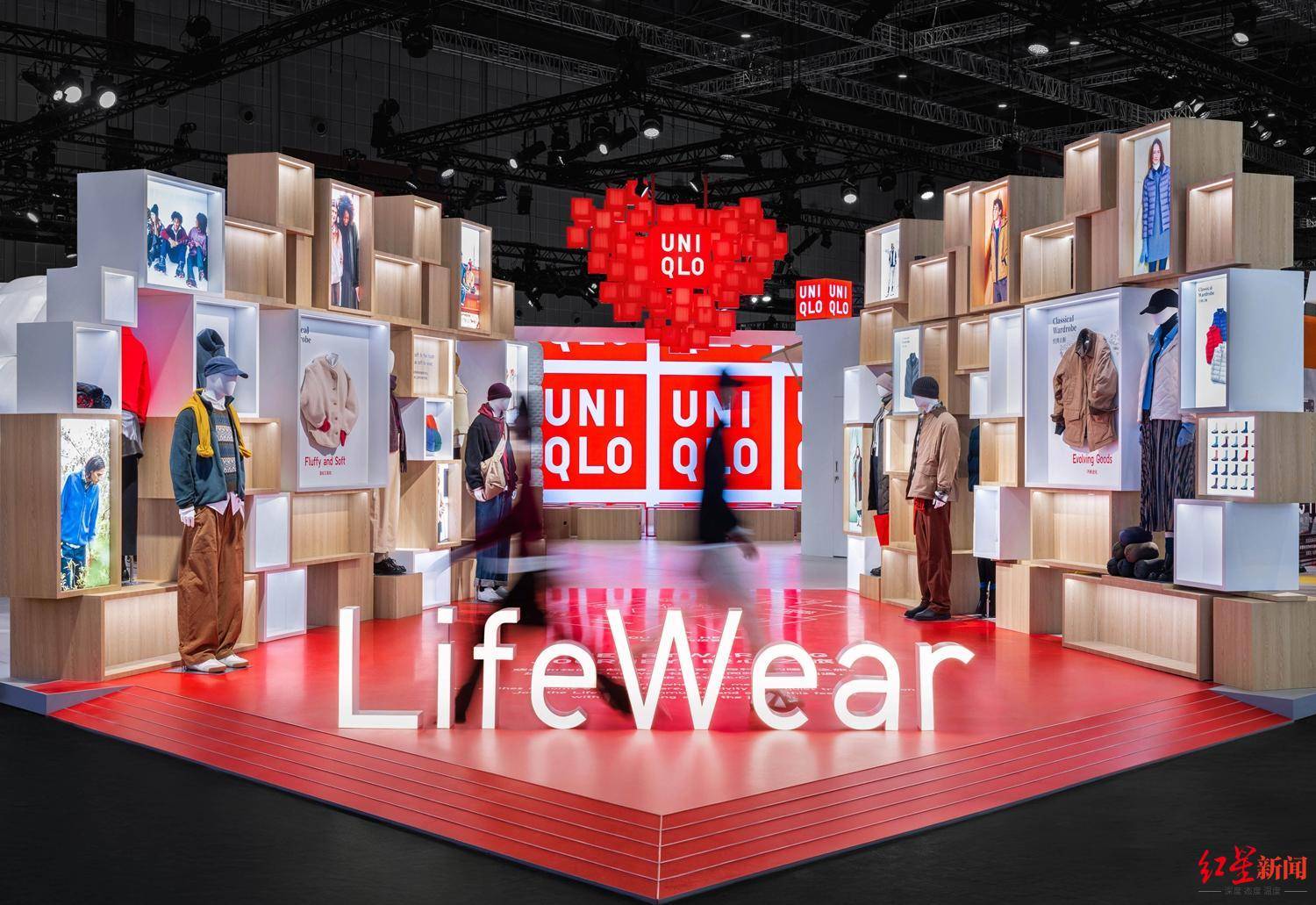
Group 1: Core Insights - The "CIIE Effect" continues to showcase the immense potential of the Chinese consumer market, with global companies eager to collaborate with Chinese consumers for a higher quality of life, particularly in lifestyle sectors [1] Group 2: Uniqlo's Innovations - Uniqlo's participation in the CIIE features the theme "A Heartwarming Journey," presenting multiple global debuts of new products and upgraded clothing technologies, emphasizing the blend of art and science in their LifeWear concept [2] - Uniqlo introduces several collaborative collections, including a global debut of a knit series with artist KAWS and a new collection inspired by the upcoming film "Zootopia 2," showcasing unique T-shirts and sweatshirts [2] - The company continues to innovate in fabric technology, launching new HEATTECH thermal underwear and PUFFTECH air cotton garments, along with an upgraded seamless down jacket series [4] - Uniqlo's RE.UNIQLO STUDIO and upcycling initiatives are highlighted, allowing consumers to experience sustainable fashion firsthand, reinforcing the brand's commitment to integrating sustainability into all operational aspects [4] Group 3: Lululemon's Engagement - Lululemon's second consecutive year at the CIIE features the theme "Good State Fun Zone," encouraging visitors to transform the world into a playground for physical activity and well-being [6] - The brand showcases a large art installation and highlights its key products across various categories, including yoga and running, while sharing the story of the Align™ leggings' journey from concept to global popularity [6] - Lululemon collaborates with Tsinghua University to release the "2025 China Happiness Report," exploring the historical and contemporary expressions of happiness [6] - The brand ambassador Li Yuchun's appearance at the event promotes the inclusive and diverse spirit of the CIIE, while Lululemon's CEO emphasizes the company's commitment to long-term growth in the Chinese market [7]

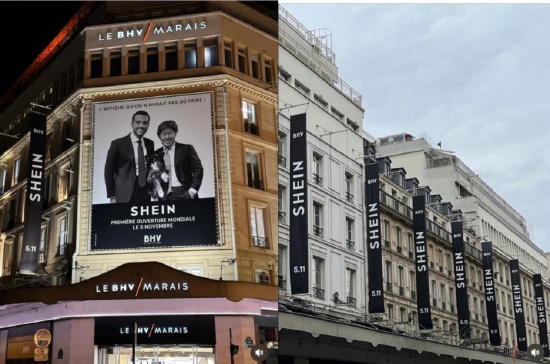
9万人联名反对……今天,Shein欧洲首店在抗议声中开业
Xin Lang Ke Ji· 2025-11-05 00:15
Core Viewpoint - Shein's entry into the European market, specifically through its first physical store in Paris at BHV, has sparked significant public backlash and protests, highlighting the tension between fast fashion and local values of sustainability and craftsmanship [2][5][10]. Group 1: Public Opposition - Over 90,000 signatures were collected against Shein's opening at BHV, with Paris's mayor and local unions publicly opposing the decision [2][5]. - The controversy is fueled by Shein's association with harmful products and environmental concerns, as highlighted by the French consumer regulatory agency's report on Shein's website [2][7]. - The backlash reflects broader sentiments against fast fashion, particularly in light of the decline of local manufacturing and the impact of online retail giants like Amazon [5][9]. Group 2: Environmental Concerns - Shein was recently fined for misleading advertising regarding sustainability claims, which were deemed unsubstantiated and overly ambitious [7][8]. - The French Nature Association criticized Shein's business model for its reliance on plastic fibers and high carbon emissions due to rapid production and shipping practices [7][8]. - Calls for stricter regulations on fast fashion have emerged, emphasizing the need to control both production and marketing to mitigate environmental damage [8][9]. Group 3: Industry Dynamics - Shein's rapid growth has disrupted traditional retail dynamics, with its model of "ultra-fast fashion" leading to concerns about job losses and the viability of local brands [9][16]. - The company has faced significant fines in France, totaling €400 million for misleading commercial practices and data violations, indicating regulatory scrutiny [8][9]. - Major retailers like Galeries Lafayette have publicly opposed Shein's presence, citing conflicts with their brand values and potential damage to their reputation [18]. Group 4: Shein's Strategic Response - In an attempt to mitigate backlash, Shein has announced investments in sustainability initiatives and second-hand platforms, signaling a shift towards a more responsible image [14][15]. - Despite these efforts, Shein's operational model, which emphasizes speed and low cost, continues to clash with the cultural values of French consumers [10][11]. - The upcoming opening of Shein's store is seen as a critical test of its ability to navigate the complex landscape of European retail and consumer expectations [19].
地素时尚第三季度净利润增长16.63% 现金流表现稳健
Zheng Quan Shi Bao Wang· 2025-10-29 11:58
Group 1 - The company reported a revenue of 1.545 billion yuan and a net profit of 236 million yuan for the first three quarters, with a basic earnings per share of 0.51 yuan [1] - In Q3 alone, the company achieved a revenue of 479 million yuan and a net profit of 65.87 million yuan, marking a year-on-year growth of 16.63% [1] - The net cash flow from operating activities reached 316 million yuan in the first three quarters, reflecting a significant year-on-year increase of 72.70% [1] Group 2 - The company is leveraging both online and offline channels to boost performance, with a nearly 60% year-on-year increase in sales on the first day of the "Double Eleven" shopping festival [1] - The DAZZLE brand achieved a notable milestone by entering the TOP 8 in live sales on the same day [1] Group 3 - The company is focusing on creating immersive retail experiences, having opened flagship stores in Shanghai and Shenzhen that emphasize unique design and high-end shopping environments [2] - The brand aims to enhance its competitive edge through continuous upgrades in retail scenarios and sustainable fashion practices [2] Group 4 - The company is committed to sustainability, collaborating with WWF and a local foundation to launch the 2025 Snow Leopard公益胶囊 series, which promotes ecological awareness and local cultural sustainability [3] - The company is recognized for its strong brand power and profitability in the mid-to-high-end women's wear sector, with a focus on long-term development strategies [3]

2025年10月时尚品牌销量十强榜
Sou Hu Cai Jing· 2025-10-25 16:59
Core Insights - The fashion consumption market in October 2025 is experiencing a significant transformation, driven by digitalization and changing consumer preferences, leading to a competitive landscape among traditional luxury brands and emerging digital-native brands [1][4][7] Brand Performance - The top-selling brand is a Nordic label known for its minimalist aesthetics, which launched an eco-friendly collection using innovative bio-based materials and a "virtual fitting room" technology that enhances customer experience and reduces return rates [1][4] - A century-old French luxury brand achieved remarkable growth by balancing tradition and innovation, collaborating with contemporary digital artists for limited editions, and utilizing immersive storytelling in live-streaming e-commerce [3][4] - An Asian designer brand, only five years old, has gained significant traction by appealing to Gen Z consumers through a blend of street culture and high fashion, offering an AI-based customization system that enhances consumer engagement [3][4] Market Trends - Sustainability in fashion has shifted from a marketing concept to a sales driver, with four out of the top five brands offering established eco-friendly lines that account for over 30% of their total sales [4][5] - The integration of technology in fashion is deepening, with innovations such as 3D virtual fitting, AI personalization, and blockchain traceability reshaping the fashion consumption chain [4][5] - The rise of a plus-size women's brand in the top ten reflects a growing trend towards inclusivity in the fashion industry, utilizing "virtual body matching" technology to enhance the online shopping experience for larger sizes [5] Consumer Behavior - Evening hours from 8 PM to 10 PM remain peak times for online fashion shopping, with a 35% increase in purchases made through short video platforms compared to the previous year [5] - The format of live-streaming has evolved, with content-driven, educational, and interactive live streams gaining popularity over traditional selling methods, indicating a shift in consumer focus towards knowledge and cultural experiences [5][6] Future Outlook - The analysis of the October sales rankings suggests that personalized customization will deepen, blurring the lines between digital and physical fashion consumption, and sustainability will become a fundamental requirement in the industry [6][7] - As artificial intelligence technology matures, predictive shopping recommendations are expected to become more accurate, leading to a more intelligent fashion consumption experience [6][7]