
商旅文体融合

Search documents
人民眼·提振消费丨培育消费新场景 激发消费新活力
Ren Min Ri Bao· 2025-09-12 02:14
Core Insights - The article discusses the emergence of new consumption scenarios in various regions of China, highlighting innovative spaces that integrate leisure, shopping, and cultural experiences to enhance consumer engagement and satisfaction [1][5][21] Group 1: New Consumption Scenarios - The concept of "new consumption scenarios" is defined as a systematic integration of new business formats, models, and products aimed at upgrading consumption quality and meeting the diverse needs of consumers [1][5] - The Chinese government has initiated measures to promote these new consumption scenarios, focusing on traditional consumption areas such as food, clothing, housing, and transportation [1][5] - Examples include "This Has Mountain" in Changchun, which combines indoor leisure with shopping, and transformed traditional markets into vibrant social spaces [1][5][7] Group 2: Space Innovation and Design - "This Has Mountain" was designed to create a unique indoor experience that mimics outdoor mountain climbing, attracting visitors with its innovative layout and design [5][6] - The project has successfully differentiated itself from traditional shopping malls by focusing on creating a micro-vacation and social destination, leading to increased foot traffic and consumer engagement [6][14] - Other examples of space innovation include the renovation of traditional markets in Kunming and the expansion of historical districts in Chongqing, which have incorporated modern amenities and aesthetic improvements [7][8] Group 3: Diverse Business Formats - The article emphasizes the importance of diverse business formats in attracting consumers, with examples of unique dining experiences and cultural activities being integrated into shopping environments [10][12] - "This Has Mountain" has shifted its focus from large chain brands to unique, locally-owned shops that offer distinctive products and experiences, enhancing the overall consumer experience [13][14] - The integration of cultural elements and creative activities has proven effective in increasing consumer dwell time and spending, as seen in various case studies [20][21] Group 4: Enhanced Consumer Experience - The article highlights the growing trend of experiential consumption, where consumers seek engaging and memorable shopping experiences rather than just transactional interactions [15][17] - Market operators are implementing measures to improve service quality and consumer interaction, ensuring a pleasant shopping environment that caters to both tourists and local residents [16][17] - The focus on food safety and customer service has become paramount, with market operators adopting new technologies and management practices to enhance the overall shopping experience [16][17] Group 5: Cultural Integration and Technology - The integration of cultural elements into commercial spaces is seen as a key strategy for enhancing consumer engagement and loyalty, with initiatives such as art exhibitions and cultural events being organized [19][20] - Technological advancements, such as immersive experiences in cultural venues, are being utilized to attract visitors and extend their stay, thereby increasing consumption [18][19] - The collaboration between businesses and educational institutions is fostering innovation and creativity, contributing to the development of unique consumer experiences [20][21]


培育消费新场景 激发消费新活力
Xin Hua Wang· 2025-09-11 23:57
Core Insights - The article emphasizes the emergence of new consumption scenarios, models, and products across various cities in China, highlighting their significance in enhancing consumer experiences and meeting the demand for high-quality living [1][2]. Group 1: New Consumption Scenarios - New consumption scenarios are being developed in cities like Changchun, Chongqing, and Kunming, integrating traditional consumption with innovative experiences [1][2]. - "This Has Mountain" in Changchun exemplifies a unique indoor leisure and tourism space that combines shopping with scenic experiences, attracting visitors and enhancing consumer engagement [5][6]. - The transformation of traditional markets into vibrant social spaces, such as the Daguanzhuang New Agricultural Market in Kunming, showcases the shift towards experiential consumption [7][8]. Group 2: Space Optimization and Innovation - The design of "This Has Mountain" was inspired by the need for differentiation in a competitive market, leading to the creation of a micro-vacation center that offers a unique shopping experience [5][6]. - The renovation of existing spaces, like the Daguanzhuang New Agricultural Market, has improved the shopping environment, making it more appealing to consumers [7][8]. - The expansion and renovation of the Ciqikou Historical and Cultural District in Chongqing have revitalized previously underutilized areas, enhancing the overall consumer experience [8][12]. Group 3: Diverse Consumption Choices - The integration of various business types, such as cafes and artisanal shops, in the back alleys of Ciqikou has created a more relaxed and diverse shopping environment [10][11]. - The focus on unique and high-quality offerings in "This Has Mountain" has led to a decrease in chain stores and an increase in distinctive local shops, enhancing consumer choice [12][13]. - The introduction of experiential elements, such as workshops and cultural events, has transformed traditional shopping into a more engaging experience [19][20]. Group 4: Service Optimization - The implementation of strict food safety measures and improved customer service in markets like Daguanzhuang has enhanced the overall shopping experience for both locals and tourists [15][16]. - The adaptation of service strategies to meet the needs of diverse consumer groups, including tourists and local residents, has become a priority for market operators [17][18]. - The focus on creating a welcoming atmosphere through staff training and customer interaction has led to increased customer satisfaction and repeat visits [16][17]. Group 5: Cultural Empowerment and Technology - The integration of cultural elements and technology in consumer spaces, such as the "Ciqikou Long Song" immersive experience, has enriched visitor engagement and extended their stay [18][19]. - "This Has Mountain" has hosted numerous cultural events, collaborating with local universities to foster creativity and attract a younger audience [19][20]. - The use of technology in storytelling and cultural presentations has transformed consumer interactions, making them more memorable and impactful [18][19].
培育消费新场景 激发消费新活力(人民眼·提振消费)
Ren Min Ri Bao· 2025-09-11 22:21
Core Insights - The article discusses the emergence of new consumer scenarios in various cities, highlighting innovative spaces that integrate shopping and leisure experiences to enhance consumer engagement and satisfaction [3][4][5]. Group 1: New Consumer Scenarios - The concept of "new consumer scenarios" is defined as a systematic integration of new business models, products, and experiences aimed at upgrading consumption quality and meeting the demand for high-quality living [3][4]. - The Chinese government has initiated measures to cultivate new consumer growth points, focusing on traditional consumption areas such as food, clothing, housing, and transportation [3][4]. Group 2: Space Innovation - The "This Has Mountain" project in Changchun is an example of innovative space design, transforming a traditional shopping mall into a micro-vacation center that combines leisure and shopping [7][8]. - Since its opening in 2019, "This Has Mountain" has attracted significant foot traffic, becoming a commercial landmark and was recognized as a national-level night culture and tourism consumption cluster in 2021 [8][9]. Group 3: Diverse Offerings - The article emphasizes the importance of diverse business offerings to enhance consumer experience, with examples of unique shops and cultural activities integrated into shopping spaces [15][16]. - In the "This Has Mountain" project, approximately 60% of visitors come for experiences rather than shopping, indicating a shift in consumer behavior towards experiential consumption [15][16]. Group 4: Service Optimization - The article highlights the need for improved service quality in consumer spaces, with initiatives to enhance food safety and customer interaction in markets [18][19]. - The Daguanzhuang New Agricultural Market in Kunming has implemented measures to ensure food safety and improve customer service, resulting in increased visitor engagement and satisfaction [18][19]. Group 5: Cultural Empowerment - The integration of cultural elements into commercial spaces is seen as a way to enhance consumer engagement, with initiatives like art exhibitions and cultural events attracting visitors [22][23]. - "This Has Mountain" has collaborated with local universities to host art exhibitions, enriching the cultural atmosphere and drawing in more visitors [22][23].
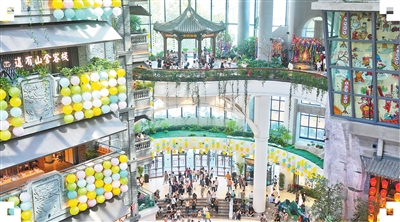
夜间经济,让灯火更亮(大数据观察·暑期消费)
Ren Min Ri Bao· 2025-08-04 22:39
Group 1: Night Economy and Cultural Tourism Development - The article highlights the promotion of various cultural and tourism products across different regions in China during the 2025 summer cultural and tourism consumption season, focusing on night economy, travel vacations, and dining experiences [3][5][10] - In Chongqing, the regular drone light shows have significantly boosted local dining and accommodation businesses, with a reported 20% increase in mall performance and a 30% rise in customer spending since the shows began [5][6] - Jiangsu's Xuzhou has leveraged the "Su Super" football league to enhance local business, with an estimated 64 billion yuan in cultural tourism consumption from May 10 to the end of July, marking a 30% year-on-year growth [8][9] Group 2: Specific Regional Initiatives - In Chongqing, the drone shows have led to a noticeable increase in foot traffic, with key restaurants reporting a 30% increase in customer volume during events [5][6] - Xuzhou has integrated sports events with local businesses, offering discounts and creating themed night markets that attract both locals and tourists [7][8] - Qinghai's Xining has revitalized its night markets, with the Daxin Street night market receiving approximately 1.1 million visitors in July and generating 55 million yuan in revenue [10][11]
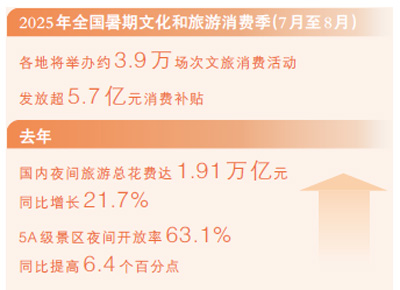
多地创新业态和场景 夜间经济,让灯火更亮(大数据观察·暑期消费)
Ren Min Ri Bao· 2025-08-04 21:57
Group 1: Cultural and Tourism Consumption Trends - The summer of 2025 sees a variety of new cultural and tourism products and experiences being launched across different regions, focusing on night-time consumption, travel vacations, and dining leisure [1] - Cities like Chongqing, Xuzhou, and Xining are actively promoting the integration of commerce, tourism, culture, and sports to stimulate summer consumption and enhance the quality of life for residents [1] Group 2: Chongqing's Drone Show Impact - Chongqing's drone light show features 5,000 drones creating visual displays, significantly enhancing the night-time atmosphere and attracting more visitors to local dining and accommodation [2] - Since the regularization of the drone shows, local businesses have reported a 20% increase in sales and a 30% rise in customer spending [2][3] - The average occupancy rate of key hotels along the viewing area has increased by over 10 percentage points, reaching above 80% during holidays [3] Group 3: Xuzhou's Sports-Driven Economic Boost - The "Su Super" football league in Xuzhou has led to increased business activity, with local markets and restaurants benefiting from the influx of fans [4][5] - From May 10 to the end of July, Xuzhou's cultural tourism consumption reached over 64 billion yuan, marking a year-on-year growth of approximately 30% [5] Group 4: Xining's Night Market Revival - Xining's old city night market has been revitalized, attracting significant foot traffic with over a thousand stalls offering various goods, including local delicacies and cultural products [6][7] - The Daxin Street night market received around 1.1 million visitors in July, generating revenue of 55 million yuan, while the newly developed Bao Street attracted 3.25 million visitors since its opening [7]