
巩固拓展脱贫攻坚成果

Search documents
刘国中在贵州调研时强调:扎实抓好常态化帮扶各项工作 持续巩固拓展脱贫攻坚成果
Xin Hua She· 2026-01-23 11:55
Core Viewpoint - The emphasis is on the importance of solidifying and expanding the achievements of poverty alleviation through continuous support measures, integrating these efforts into the rural revitalization strategy [2][3]. Group 1: Policy Implementation - The need to thoroughly study and implement Xi Jinping's important discussions and directives on "agriculture, rural areas, and farmers" is highlighted [2]. - The integration of regular assistance into the rural revitalization strategy is essential, with responsibilities being clearly defined and policies improved [2][3]. Group 2: Monitoring and Support - Liu Guozhong visited various poverty alleviation sites to understand the living conditions of local residents and the effectiveness of monitoring and support measures [3]. - The focus is on preventing a return to poverty, ensuring a smooth transition in policies and work, and maintaining a bottom line against large-scale poverty [3]. Group 3: Economic Development - Emphasis on developing assistance industries based on local resources and market demands, enhancing asset supervision of assistance projects, and promoting skill training and employment support to increase farmers' income [3]. - Continuous improvement of infrastructure and public service levels in key support counties is necessary to bolster local economies [3]. Group 4: Long-term Commitment - The consolidation and expansion of poverty alleviation achievements is recognized as a long-term task, requiring stable policies and a proactive approach to prevent complacency [3]. - The importance of a five-level leadership structure in regular assistance and enhancing social support efforts is stressed [3].
农业农村部答21:脱贫人口务工就业规模连续5年超3000万人
2 1 Shi Ji Jing Ji Bao Dao· 2026-01-22 04:21
Core Viewpoint - The Chinese government is transitioning from a five-year poverty alleviation period to a normalized assistance phase, focusing on sustainable rural revitalization and preventing large-scale poverty recurrence [4][6]. Group 1: Achievements During the Transition Period - Over 7 million monitoring subjects were identified for assistance, effectively eliminating the risk of returning to poverty for these individuals [4]. - 832 poverty-stricken counties developed 2-3 leading industries, with over 85% of impoverished households receiving at least one form of industrial support [4]. - The employment scale for the impoverished population remained stable at over 30 million for five consecutive years, securing more than two-thirds of the income for these families [4]. Group 2: Financial Support and Income Growth - Eastern provinces and 310 central units invested 161.1 billion yuan in assistance, purchasing and helping sell agricultural products worth 754.54 billion yuan from impoverished areas [5]. - The per capita disposable income growth rate for rural residents in poverty-stricken counties outpaced the national average for farmers, indicating a reduction in development disparities [5]. Group 3: Future Plans for Normalized Assistance - The Ministry of Agriculture and Rural Affairs will implement stable assistance policies post-transition, integrating normalized support into the rural revitalization strategy [7]. - A monitoring and assistance mechanism will be established to prevent poverty recurrence, focusing on early detection and intervention for at-risk individuals [7]. - Development-oriented assistance will be emphasized, promoting the growth of complete and competitive local industries while enhancing employment support through various channels [7][8].

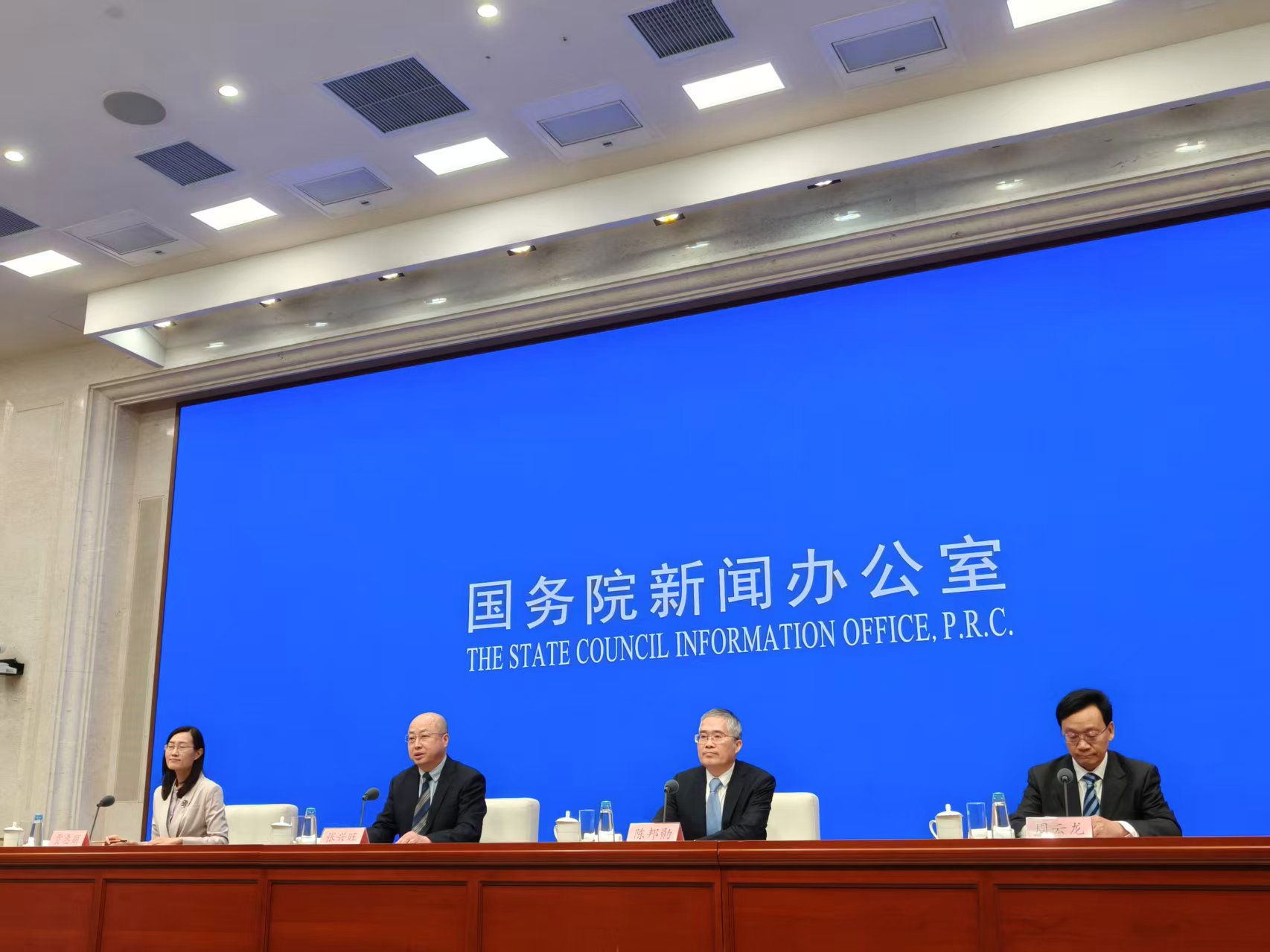
新思想引领新征程丨巩固拓展脱贫攻坚成果 扎实推进乡村全面振兴
Yang Guang Wang· 2026-01-19 07:25
Group 1 - The core message emphasizes the importance of consolidating and expanding poverty alleviation achievements while effectively connecting them with rural revitalization efforts, ensuring no gaps in work or policies [1][2] - Various regions are enhancing monitoring and support mechanisms to prevent poverty recurrence, with a focus on precise assistance policies [1][2] - The tourism industry in Jinzhai County has significantly benefited from the winter sports economy, leading to increased local income and business growth [1] Group 2 - The transition period from 2021 to 2025 aims to solidify poverty alleviation results and prevent large-scale poverty recurrence, with a comprehensive safety net established to support over 7 million monitored individuals [2][3] - Agricultural sectors in various regions are thriving, with specific crops like apples and strawberries becoming key income sources for farmers, contributing to improved livelihoods [3] - Infrastructure and public service levels in poverty-stricken areas have been enhanced, with successful examples of community development and resource utilization [3][4]
全国人大代表乔亚群:持续巩固拓展脱贫攻坚成果
Ren Min Ri Bao· 2026-01-15 09:58
Group 1 - The core viewpoint emphasizes the importance of dynamic monitoring and assistance to consolidate and expand poverty alleviation achievements, highlighting the need for both vertical and horizontal monitoring improvements [1] - Industry assistance is identified as a crucial method for consolidating achievements, with a focus on finding agricultural industries that align with regional characteristics and enhance community participation [1] - The article mentions that the annual rainfall in many areas of Haixi is below 50mm, but the region's sunlight advantage supports its development as a major goji berry production base, projecting sales of 1,100 tons by 2025, which is five times the value of traditional dried fruits and will directly create 27,000 jobs [1] Group 2 - The integration and value addition of rural industries are essential for ensuring smooth transitions after initial development, as demonstrated by the recent distribution of 10 million yuan in dividends among villages in Delingha City [2] - The article discusses the consolidation of village funds for centralized management and reinvestment to address issues of fragmented funding and weak value addition capabilities [2] - Enhancing the operational capacity of rural industries and coordinating support efforts are necessary to ensure sustainable development in the second phase of rural industry growth [2]
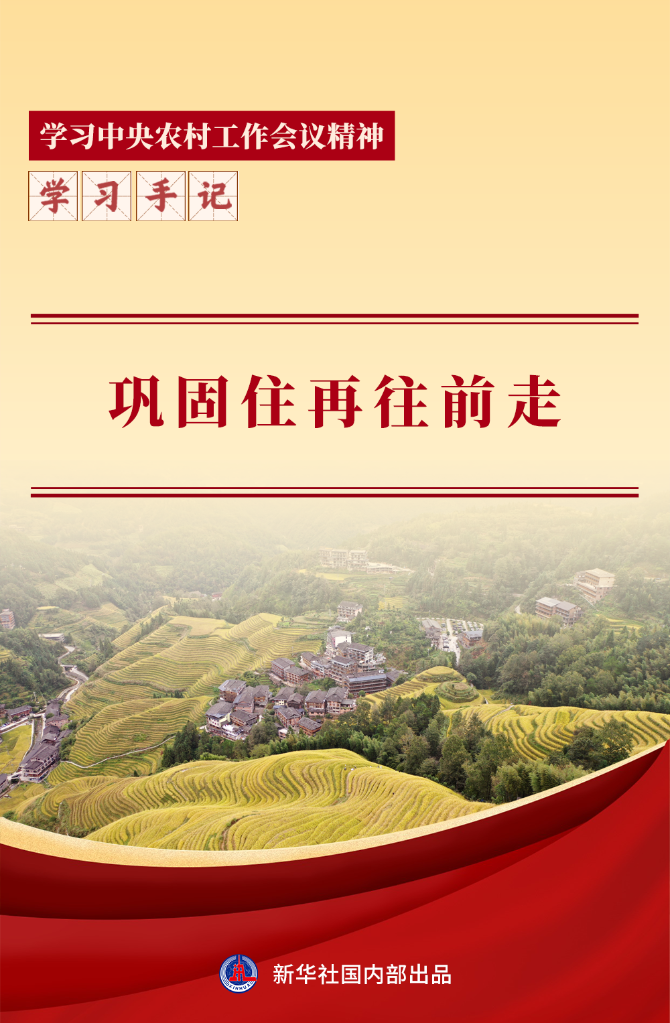
学习手记丨巩固住再往前走
Xin Hua She· 2026-01-07 02:01
Core Viewpoint - The central theme of the article emphasizes the importance of consolidating and expanding the achievements of poverty alleviation efforts while integrating them into the rural revitalization strategy, ensuring that there is no large-scale return to poverty [5][8]. Group 1: Policy Directions - The Central Rural Work Conference highlighted the need for continuous support to prevent a return to poverty, with a focus on integrating regular assistance into the rural revitalization strategy [5][6]. - Xi Jinping's directives stress the importance of maintaining a robust safety net for the newly lifted out of poverty, ensuring that the transition period does not lead to a resurgence of poverty [8][9]. Group 2: Implementation Strategies - Over the past five years, a series of important instructions have been issued to enhance mechanisms for precise assistance, emphasizing the need for responsibility and effective monitoring to prevent poverty [7]. - The establishment of a monitoring and assistance system has been crucial, with 832 poverty alleviation counties developing 2 to 3 leading industries to maintain economic stability and prevent large-scale poverty [7]. Group 3: Future Outlook - The article discusses the necessity of ongoing efforts to solidify poverty alleviation gains, with a focus on creating a unified monitoring and classification assistance mechanism for low-income rural populations [8]. - The "14th Five-Year Plan" suggests a comprehensive approach to prevent poverty, emphasizing targeted assistance and support policies for key rural revitalization areas to ensure no large-scale poverty occurs [8].
深度关注丨巩固拓展脱贫攻坚成果
Zhong Yang Ji Wei Guo Jia Jian Wei Wang Zhan· 2025-12-16 00:49
Core Viewpoint - The article emphasizes the importance of strict supervision and accountability in consolidating and expanding the achievements of poverty alleviation efforts, ensuring effective connections with rural revitalization initiatives [1][2][3]. Group 1: Achievements in Poverty Alleviation - Nearly 100 million people have been stably lifted out of poverty over the past eight years, marking a significant milestone in China's history of poverty reduction [3]. - The central government has established a five-year transition period post-poverty alleviation to ensure continued support and monitoring for formerly impoverished areas and populations [6]. Group 2: Supervision and Accountability - The discipline inspection and supervision agencies are focusing on preventing corruption and misconduct in rural revitalization, providing strong disciplinary guarantees for the consolidation of poverty alleviation results [3][4]. - Various local governments are implementing dynamic monitoring and support mechanisms to prevent a return to poverty, with over 6.8 million monitored individuals having stabilized their risk of falling back into poverty as of June this year [6]. Group 3: Local Initiatives and Community Development - In Jiangxi Province, a large-scale resettlement area has been developed to integrate relocation with industrial development and local employment, benefiting approximately 15,000 individuals [5]. - Local governments are actively engaging in grassroots supervision to ensure the effective implementation of policies aimed at improving community welfare and addressing issues faced by relocated populations [14]. Group 4: Financial Management and Resource Allocation - The article highlights the need for stringent management of poverty alleviation assets and funds to maximize their effectiveness and prevent misuse [9][15]. - Various regions are establishing comprehensive oversight mechanisms to ensure that funds allocated for rural revitalization are used appropriately and efficiently, with a focus on transparency and accountability [10][15]. Group 5: Future Directions and Strategic Focus - The article stresses the importance of continuous monitoring and support to maintain the gains achieved in poverty alleviation, with a focus on integrating these efforts into broader rural revitalization strategies [11][12]. - The discipline inspection agencies are committed to enhancing their supervisory roles to ensure that rural revitalization policies are effectively implemented and that the benefits reach the intended populations [19].

从输血式帮扶到造血式发展——内蒙古巩固拓展脱贫攻坚成果调查
Jing Ji Ri Bao· 2025-12-15 22:34
Core Viewpoint - The article discusses the effective transition from poverty alleviation to rural revitalization in Inner Mongolia, emphasizing the importance of continuous support and innovative practices to prevent large-scale poverty recurrence after the five-year transition period. Group 1: Poverty Alleviation Strategies - Inner Mongolia has adopted a dual approach of industrial and employment assistance to ensure no large-scale poverty recurrence, focusing on key agricultural sectors such as dairy, corn, and meat production [1][2]. - The region has implemented "hardcore" policies to develop facility agriculture and deep processing, which have significantly increased the income of impoverished populations [2][5]. - The establishment of cooperatives and the development of new industries, such as skiing and solar energy, have diversified income sources for villagers, leading to increased annual incomes [3][4]. Group 2: Employment and Skills Training - Employment assistance has become a direct and effective means for increasing income among the impoverished, with over 23.9 million people employed in Inner Mongolia by October 2025 [7][8]. - The region has developed labor brands and conducted extensive skills training, benefiting over 5.3 million individuals, including a significant portion of impoverished laborers [7][8]. - The "Naiman Qinglong Sweet Potato" labor brand has successfully connected over 100,000 farmers to employment opportunities, generating an additional income of 18 million yuan [6][7]. Group 3: Monitoring and Risk Prevention - A dynamic monitoring mechanism has been established to prevent poverty recurrence, identifying over 73,500 households at risk and implementing targeted support measures [12][14]. - The income threshold for monitoring has been adjusted to 8,800 yuan, with a focus on addressing health-related poverty risks, which account for 82% of identified cases [14][15]. - The government is enhancing its support for impoverished households through various projects, including livestock breeding and solar energy initiatives, to ensure sustainable income growth [15][16]. Group 4: Collaborative Efforts - The Beijing-Inner Mongolia cooperation has played a crucial role in enhancing local industries, particularly in meat production, with significant financial investments leading to improved livestock quality and farmer incomes [9][10]. - The collaboration has resulted in the establishment of technology service stations and a stable profit-sharing mechanism for impoverished households, contributing to an average annual income increase of 4,200 yuan per household [10][11].
巩固拓展脱贫攻坚成果 过渡期之后怎么干?专家解读
Yang Shi Xin Wen· 2025-12-13 02:47
Core Viewpoint - The recent Central Economic Work Conference emphasizes the importance of integrating normalized assistance into the rural revitalization strategy to prevent large-scale poverty and ensure sustainable development after the five-year transition period ends [1][2]. Group 1: Policy Implementation - The normalized assistance will be a continuation of the policies established during the transition period, aimed at maintaining stability and preventing large-scale poverty [1]. - The government assures that assistance policies will not abruptly cease after the transition period, as many farmers will still face challenges requiring support [1][2]. Group 2: Monitoring and Support Mechanisms - The focus will be on enhancing the timeliness and precision of monitoring and assistance for households facing sudden difficulties due to illness or natural disasters [3]. - A robust monitoring and assistance mechanism will be established, leveraging big data to improve the effectiveness of support measures [3]. Group 3: Targeted Assistance for Underdeveloped Areas - The government will continue to provide long-term support to underdeveloped regions, with a focus on 160 key counties identified for rural revitalization [3][5]. - Efforts will be made to improve rural infrastructure and public services, thereby reducing the urban-rural development gap and solidifying the foundation for preventing poverty [3][5].
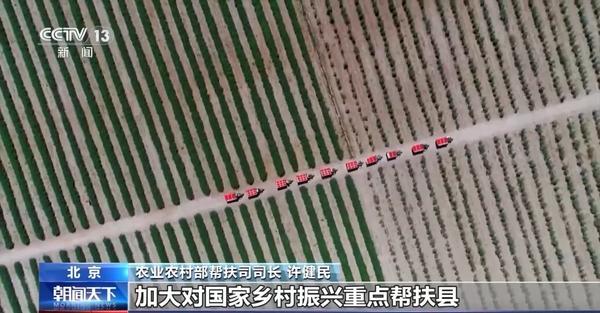
今年前三季度脱贫县农村居民人均可支配收入快于全国农村
Nan Fang Nong Cun Bao· 2025-12-11 07:01
Core Insights - The per capita disposable income of rural residents in poverty-stricken counties reached 13,158 yuan in the first three quarters of 2025, with a real growth rate of 6.5%, which is 0.5 percentage points faster than the national rural growth rate [2][3][4] - The average annual real growth rate since the transition period is 7.8%, exceeding the national rural average growth rate by 0.9 percentage points [3][4] Group 1 - 2025 marks the final year of the transition period for consolidating and expanding poverty alleviation achievements and effectively connecting with rural revitalization [5] - Agricultural and rural departments are implementing policies to maintain stability in support measures, ensuring that no large-scale return to poverty occurs [6][7] - Over 7 million monitoring objects have been identified for assistance, effectively eliminating the risk of returning to poverty [9] Group 2 - The education, medical care, housing, and drinking water security levels for the poverty-stricken population continue to improve [10] - The dropout rate for students in compulsory education among monitored households remains at zero, and the basic medical insurance coverage rate for the poverty-stricken population is stable at over 99% [11] - Rural housing reconstruction and anti-seismic measures are progressing steadily, with the rural tap water coverage rate reaching 94% [12] Group 3 - All 832 poverty-stricken counties have developed 2-3 leading industries with distinct advantages and strong driving forces [13] - Nearly three-quarters of the poverty-stricken population have established benefit-sharing mechanisms with new agricultural management entities [14] - The employment scale of the poverty-stricken population remains stable at over 30 million, ensuring that more than two-thirds of the income for poverty-stricken families is maintained [15][16] Group 4 - The Ministry of Agriculture and Rural Affairs indicates that the consolidation and expansion of poverty alleviation achievements will transition into a normalized assistance phase [17][18] - The focus will be on precise measures and integrating normalized assistance into the rural revitalization strategy [19][20]

金观平:促进脱贫地区经济社会持续发展
Jing Ji Ri Bao· 2025-12-02 03:23
Group 1 - The core viewpoint emphasizes the need to continuously consolidate and expand the achievements of poverty alleviation, which is essential for the economic and social development of impoverished areas and the well-being of the population [1] - During the "14th Five-Year Plan" period, the central government's financial support for rural revitalization reached a total of 850.5 billion yuan, significantly improving infrastructure and public services in poverty-stricken areas [1] - Despite improvements, many impoverished regions remain remote with limited resources, necessitating multi-faceted approaches to further economic and social development [1] Group 2 - Strengthening policy guarantees is crucial for sustainable poverty alleviation, requiring a balance across finance, livelihood, and education sectors while adhering to local conditions and development laws [2] - The cultivation of characteristic industries is vital for long-term prosperity and preventing poverty recurrence, with strategies including brand development and integration of various sectors to enhance local employment [2] - Infrastructure improvement is essential for economic and social development, directly impacting the sense of gain and happiness among residents in impoverished areas [3]