农业产业

Search documents
电视专题片《清风正气在身边》第三集《新风》
Xin Lang Cai Jing· 2026-02-11 14:39
Core Viewpoint - The documentary highlights the innovative financial strategies implemented in Yao'an County, Chuxiong Prefecture, focusing on the "融信服" initiative and its impact on local agricultural development and economic growth [1] Group 1: Financial Innovations - The "334" agricultural investment and financing model is a key strategy that aims to enhance financial services in rural areas [1] - Innovative measures such as agricultural facility ownership certificate mortgages and "见贷即保" (loan protection upon approval) are being utilized to improve access to financial services [1] Group 2: Economic Impact - The financial initiatives have led to significant improvements in local agriculture, exemplified by the transition from "林花贷" (forest flower loan) to "云花贷" (cloud flower loan) [1] - The success of these financial strategies is reflected in the enhanced quality of life for local residents, showcasing a practical application of integrity in promoting high-quality economic development [1]
进度条拉满!澧县“节点城”建设开年狂飙!
Xin Lang Cai Jing· 2026-02-05 11:01
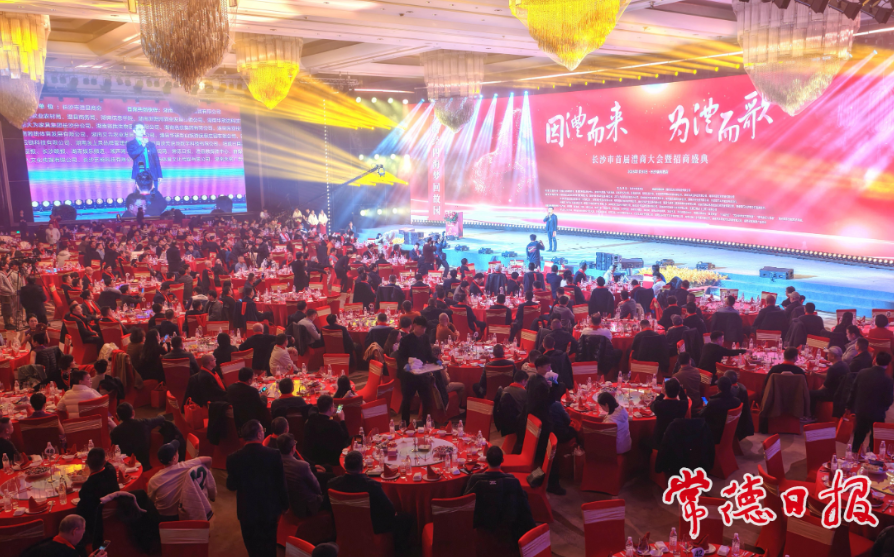
Core Insights - The article highlights the vibrant development and strategic positioning of Ciyang County as a key player in the regional economy, focusing on its initiatives in investment attraction, commerce, culture, and agriculture as it approaches the New Year [1][3]. Investment and Economic Development - Ciyang County has actively innovated its investment strategies, launching high-profile promotional events in Changsha and Xi'an, which successfully attracted 118 enterprises across various sectors [3]. - The establishment of a "Changsha Investment Liaison Center" and the "Cosmetics Industry Association Liaison Office" in Xi'an aims to create a dynamic investment network, enhancing local economic engagement [3]. Cultural and Tourism Integration - The 6th "Ciyang Flavor New Year Goods Festival" and the 3rd Ciyang Temple Fair serve as platforms for promoting agricultural and cultural tourism, with significant sales and participation, including over 100 million yuan in transactions during promotional events [4]. - The integration of technology in cultural events, such as the use of smart robots at the Temple Fair, has attracted an average of 15,000 visitors daily, showcasing a blend of tradition and modernity [6]. Culinary and Agricultural Promotion - The "Ciyang Culinary Competition" featured 24 local restaurants, emphasizing traditional dishes and promoting local agricultural products, thereby enhancing community engagement and cultural heritage [9]. - The event promotes healthy eating habits while celebrating local cuisine, contributing to the overall festive atmosphere and economic activity in the region [9]. Overall Economic Activity - Ciyang County's initiatives reflect a robust economic environment characterized by active commerce, cultural heritage preservation, and community engagement, positioning it as a vital regional hub [1][4][9].

农业农村部答21:脱贫人口务工就业规模连续5年超3000万人
2 1 Shi Ji Jing Ji Bao Dao· 2026-01-22 04:21
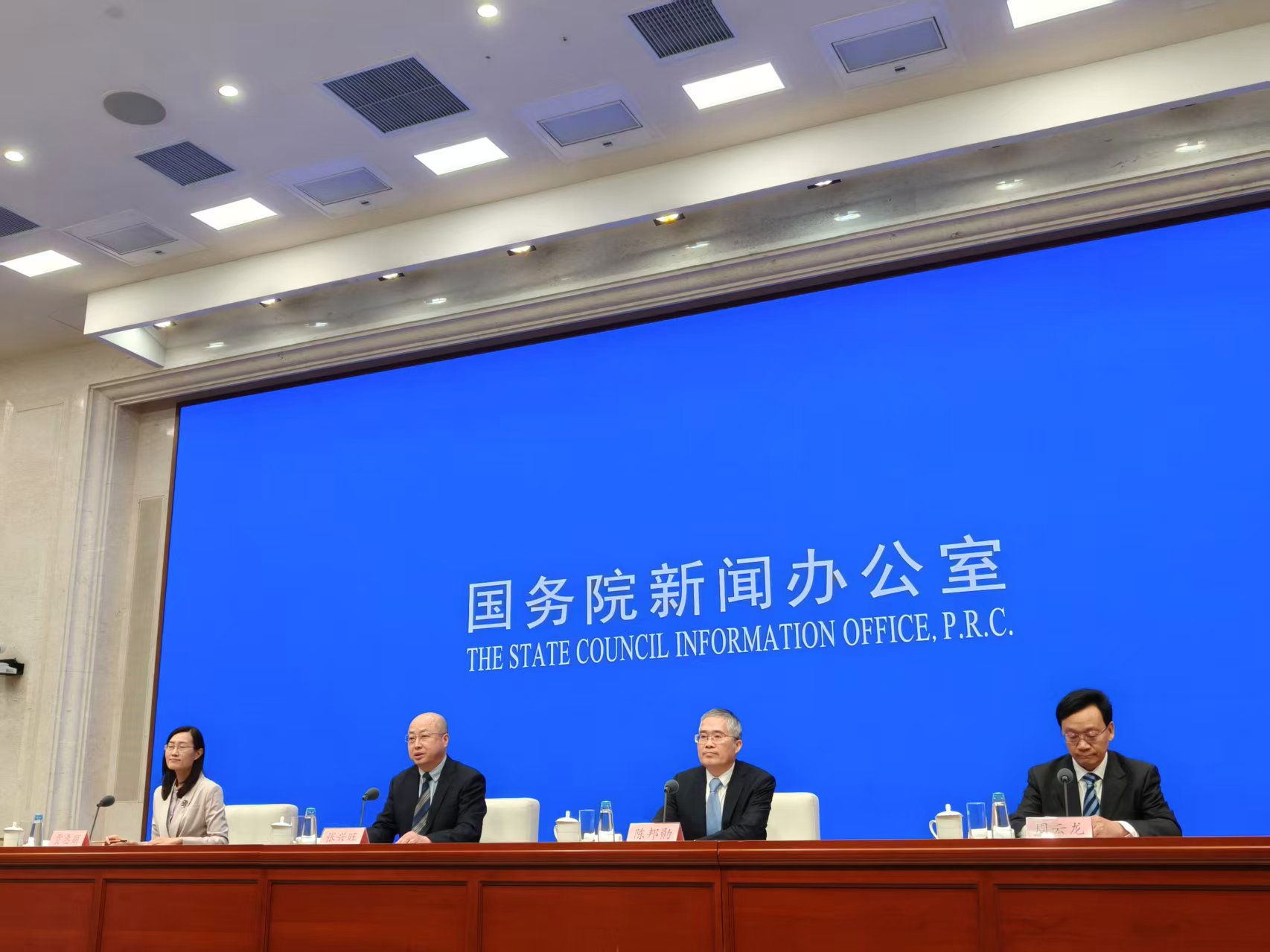
Core Viewpoint - The Chinese government is transitioning from a five-year poverty alleviation period to a normalized assistance phase, focusing on sustainable rural revitalization and preventing large-scale poverty recurrence [4][6]. Group 1: Achievements During the Transition Period - Over 7 million monitoring subjects were identified for assistance, effectively eliminating the risk of returning to poverty for these individuals [4]. - 832 poverty-stricken counties developed 2-3 leading industries, with over 85% of impoverished households receiving at least one form of industrial support [4]. - The employment scale for the impoverished population remained stable at over 30 million for five consecutive years, securing more than two-thirds of the income for these families [4]. Group 2: Financial Support and Income Growth - Eastern provinces and 310 central units invested 161.1 billion yuan in assistance, purchasing and helping sell agricultural products worth 754.54 billion yuan from impoverished areas [5]. - The per capita disposable income growth rate for rural residents in poverty-stricken counties outpaced the national average for farmers, indicating a reduction in development disparities [5]. Group 3: Future Plans for Normalized Assistance - The Ministry of Agriculture and Rural Affairs will implement stable assistance policies post-transition, integrating normalized support into the rural revitalization strategy [7]. - A monitoring and assistance mechanism will be established to prevent poverty recurrence, focusing on early detection and intervention for at-risk individuals [7]. - Development-oriented assistance will be emphasized, promoting the growth of complete and competitive local industries while enhancing employment support through various channels [7][8].
河源龙川农文旅放大“招”!诚寻“乡村合伙人”→
Nan Fang Nong Cun Bao· 2026-01-08 10:04
Core Viewpoint - The article highlights the launch of two major rural revitalization demonstration projects in Longchuan, Guangdong, aimed at integrating culture, tourism, and industry to create a benchmark for rural development [2][4]. Group 1: Project Overview - The "Ancient City New River" and "Dongjiang Water Rhythm" demonstration projects encompass multiple towns, including Tuo City, Laolong, Fengren, and Sidou, featuring seven core projects such as rural art studios, wetland parks, and industrial research bases [3][4]. - The initiative aims to establish a three-in-one model of "cultural tourism integration + industrial agglomeration + ecological livability" [4]. Group 2: Advantages of Longchuan - Location Advantage: Longchuan is strategically positioned at key nodes of the "Rongwan" and "Rongshen" areas, with extensive transportation networks, including national highways and railways, facilitating access to the Pearl River Delta market within 30 minutes [7][8]. - Planning Advantage: The two demonstration belts create a complete industrial ecosystem, with the "Ancient City New River" focusing on cultural heritage and community building, while the "Dongjiang Water Rhythm" emphasizes ecological resources and modern agriculture [11][12]. - Policy Advantage: The "turnkey" model significantly lowers investment thresholds, allowing investors to focus on operational innovation while benefiting from various subsidies and tax reductions [16][19]. Group 3: Investment Opportunities - The projects offer diverse business opportunities across multiple dimensions of cultural tourism, catering to various entrepreneurial needs, including camping brands, outdoor activities, and water entertainment projects [20][21]. - Longchuan's integration of agriculture, technology, and cultural tourism presents a broad landscape for investment, with a focus on food research, e-commerce sales, and agricultural education [22][24]. Group 4: Project Details - The "Rural Art Studio" located in Bantang Village has a daily reception of over 500 visitors and generates monthly revenue exceeding 100,000 yuan [31]. - The "Dongjiang Wetland Park" has received over 400,000 visitors during its trial operation, showcasing high visitor satisfaction and significant media exposure [62][63]. - The "Edible Mushroom R&D Base" aims to establish a complete industrial chain with advanced smart mushroom cultivation technology [73][74].

神农集团组织架构大调整:取消监事会 新设质量管理中心强化质量监管
Xin Lang Cai Jing· 2025-12-25 10:53
Group 1 - The core announcement from Yunnan Shennong Agricultural Industry Group Co., Ltd. involves a significant organizational restructuring, including the cancellation of the supervisory board and the establishment of a new "Quality Management Center" to enhance governance and quality oversight [1][2] - The decision to eliminate the supervisory board was approved during the sixth extraordinary shareholders' meeting and the seventh meeting of the fifth board of directors, indicating a strategic shift in the company's internal management structure [1] - The newly established Quality Management Center will be responsible for the construction of the company's quality safety management system and the supervision and management of product quality, aiming to improve the effectiveness of quality oversight across various business segments [1][2] Group 2 - The organizational adjustment reflects the company's commitment to optimizing its governance structure while emphasizing the importance of product quality control, which is expected to strengthen the overall quality management level of the company [2]

海南自贸港全岛今日封关,对河南有何影响?
Sou Hu Cai Jing· 2025-12-18 01:54
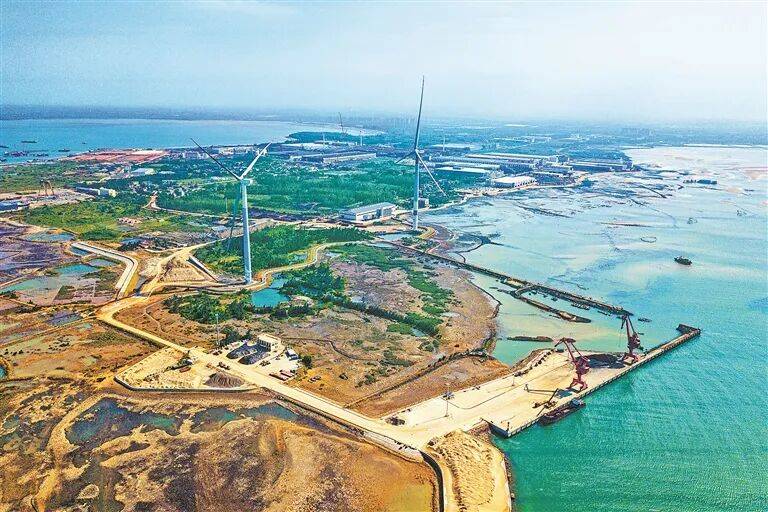
Group 1 - The official launch of the Hainan Free Trade Port's island-wide customs closure on December 18 aims to create a special customs supervision area with liberalized policies characterized by "open on one line, controlled on another, and free within the island" [1][3] - The implementation of "zero tariffs, low tax rates, and simplified tax systems" will gradually create conditions for broader tax benefits for enterprises, significantly increasing the number of zero-tariff goods to cover approximately 74% of product categories, benefiting key industries such as pharmaceuticals and high-end food processing [3][5] - The "Double 15%" tax incentive policy will allow eligible enterprises and core talents to enjoy a 15% income tax reduction, which is a core attraction of the Hainan Free Trade Port policies [3][5] Group 2 - After the customs closure, most imported goods, including production equipment, raw materials, and daily consumer goods, will be exempt from tariffs, VAT, and consumption tax, reducing import costs and enhancing trade freedom for enterprises [5][6] - The customs closure is expected to significantly boost tourism and consumer spending in Hainan, with no additional documentation required for travel or business trips to the island [6][10] - Hainan will transform into a large "bonded warehouse" and international shipping hub, enhancing logistics connectivity with inland regions like Henan, which is crucial for leveraging the benefits of the new policies [7][10] Group 3 - The opening of new logistics channels to Hainan is essential for Henan to capitalize on the benefits of the customs closure, with ongoing practices already demonstrating increased shipping activity [7][8] - The collaboration between Hainan and Henan can extend beyond trade and logistics to include industrial cooperation, leveraging Henan's industrial strengths in manufacturing and food processing [11][12] - The establishment of the "Yuqiong Food Industry Park" in Hainan aims to support cross-border trade and logistics for Henan food enterprises, facilitating access to international markets [12][13] Group 4 - Henan's recent implementation of measures to align with international high-standard trade rules aims to enhance its level of openness and promote systematic reforms [13] - The proactive approach of Henan's Free Trade Zone in engaging with enterprises to understand their needs and promote Hainan's customs closure policies reflects a strategic effort to maximize the benefits of the new trade environment [13][14]
铆足干劲往前赶 接续奋斗谱新篇
Shan Xi Ri Bao· 2025-12-07 00:10
Group 1: Economic and Social Development - The provincial committee's recent meeting outlines key tasks for promoting high-quality economic and social development during the "14th Five-Year Plan" period, emphasizing the importance of mobilizing local officials and citizens to align their actions with the committee's decisions [1] - The meeting highlights the need to accelerate the development of cultural industries and services to meet the growing spiritual and cultural needs of the people, which is essential for building a culturally strong nation and achieving national stability [1] Group 2: Cultural Integration and Community Engagement - The focus on creating a tightly-knit urban-rural public cultural service community aims to enhance cultural innovation and creativity, utilizing a model that involves community input and volunteer engagement to ensure precise service delivery [1] - Local officials express commitment to integrating cultural activities with economic development, promoting cultural heritage, and enhancing community engagement through various initiatives [2] Group 3: Healthcare and Social Welfare - The meeting emphasizes the importance of improving healthcare services and integrating traditional and modern medical practices to enhance community health outcomes [3] - There is a strong focus on addressing social welfare issues, including employment, education, and healthcare, to improve the quality of life for citizens [2] Group 4: Environmental Protection and Ecological Development - The meeting outlines strategies for protecting the ecological environment, particularly in the Qinling Mountains, and promoting high-quality forestry development through organized ecological protection efforts [4] - The establishment of a 2,490-member ecological protection team aims to ensure comprehensive management of forest areas, utilizing digital tools for effective monitoring and management [4] Group 5: Rural Development and Agricultural Innovation - The meeting promotes a development model characterized by dual-polar support and multi-point collaboration, which is expected to guide high-quality rural development [5] - Local initiatives focus on leveraging ecological advantages and enhancing agricultural practices to create a sustainable rural tourism economy, with specific villages recognized for their exemplary development [5]
金融助力让返乡脱贫人口回得来留得住能致富
Zheng Quan Ri Bao· 2025-11-24 07:01
Core Viewpoint - The Ministry of Agriculture and Rural Affairs emphasizes the importance of stabilizing employment for the rural population who have escaped poverty, highlighting the need for targeted actions to prevent large-scale return to poverty [1]. Group 1: Employment and Economic Stability - Employment is identified as the most significant aspect of people's livelihoods and a crucial measure to prevent poverty [1]. - The scale of employment and income levels for the rural population who have escaped poverty have stabilized, providing a solid foundation for consolidating poverty alleviation achievements [1]. - Current challenges in certain industries may impact employment for the rural population, necessitating vigilance and effective responses to avoid risks of large-scale return to rural areas [1]. Group 2: Financial Support for Entrepreneurship - Financial institutions are encouraged to develop specialized credit products, such as "returning home entrepreneurship loans," to assist returning rural populations who lack startup capital [2]. - Simplifying approval processes and offering interest rate discounts can enhance lending efficiency for those with entrepreneurial intentions and skills [2]. - Financial literacy programs should be conducted to educate returning populations on credit policies, financial management, and fraud prevention [2]. Group 3: Sustainable Development and Support - Financial institutions should focus on supporting sustainable rural industry development, particularly in areas like specialty agriculture, agricultural processing, rural tourism, and e-commerce [2]. - Providing entrepreneurial incubation loans can stimulate the internal development potential of returning individuals, encouraging the use of new technologies and business models [3]. - Increased financial support for rural education, healthcare, and cultural services can enhance the attractiveness of rural areas, ensuring returning populations can settle and thrive [3]. Group 4: Collaborative Efforts for Rural Revitalization - The integration of efforts from government departments, financial institutions, and society is essential to transform returning populations into a strong driving force for rural revitalization [3]. - This collaborative approach aims to consolidate poverty alleviation achievements and promote comprehensive rural revitalization, paving the way for broader paths to common prosperity [3].
全市农业产业与市场信息工作会议召开
Feng Huang Wang Cai Jing· 2025-11-12 07:23
Core Insights - The meeting held by the Municipal Agricultural and Rural Bureau on November 7 focused on summarizing current progress in agricultural industry and market information, and outlining future work directions to ensure the completion of annual task goals [1] Group 1: Economic Analysis and Growth Potential - Emphasis on detailed exploration of growth potential and strengthening economic analysis monitoring to consolidate advantageous indicators and address shortcomings [1] - Establishment of a project database for investment attraction, focusing on key industries and regions, with a careful selection of target enterprises and enhanced benefit analysis [1] Group 2: Industry Development and Support - Continuation of the "Ten Counties, Thousand Billion" local specialty product cultivation initiative, with efforts to streamline the industrial chain and enhance production, processing, circulation, and leisure segments [1] - Increased support for leading agricultural enterprises, concentrating resources on a select group of large-scale, impactful companies [1] Group 3: Innovation and Safety - Development of a high-quality agricultural entrepreneur team, identifying potential and dynamic leaders to encourage expansion into deep processing of agricultural products, rural tourism, and smart agriculture [1] - Ongoing focus on safety in agritourism, with collaborative efforts to conduct safety production education and awareness campaigns for operators and visitors [1]
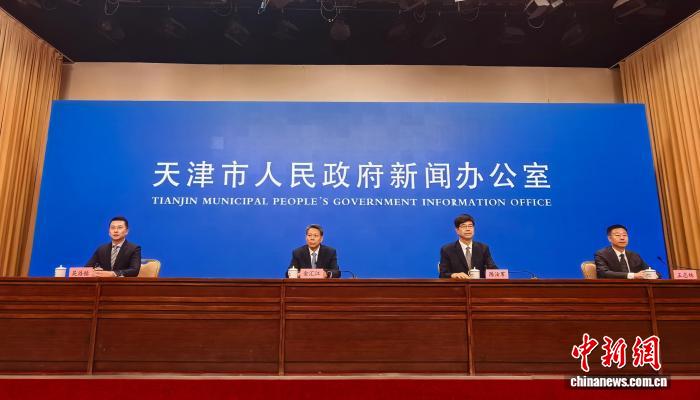
天津发布乡村振兴“成绩单”:综合指数全国前五 农业科技进步贡献率达75%
Zhong Guo Xin Wen Wang· 2025-11-11 02:59
Core Insights - Tianjin ranks fifth in the national rural revitalization development index according to the National Bureau of Statistics' 2024 assessment, showcasing significant progress in agricultural quality and efficiency, rural livability, and stable income growth for farmers [1][3]. Agricultural Development - During the "14th Five-Year Plan" period, Tianjin has constructed and upgraded 1.45 million acres of high-standard farmland, with the proportion of high-standard farmland in permanent basic farmland reaching 82%, an increase of 20 percentage points from the end of the "13th Five-Year Plan" [3]. - Grain production is expected to achieve a "22-year continuous increase," with total output surpassing historical highs and projected to increase by over 1 billion jin compared to the end of the "13th Five-Year Plan" [3]. - The output of facility vegetables now accounts for 55% of the total vegetable output in the city, and the scale of livestock and poultry farming has reached over 90% [3]. Rural Industry Development - Tianjin has advanced industrial integration by creating four national-level advantageous characteristic industrial clusters and three modern agricultural industrial parks, leading to the formation of five hundred billion-level industrial chains and seventeen billion-level industrial chains [4]. - The city has received nearly 80 million tourists in the past two years through the development of key rural tourism areas [4]. - The sales revenue of the "Tianjin Agricultural Boutique" brand has exceeded 10 billion yuan for three consecutive years, enhancing brand recognition and influence [4]. Agricultural Technology and Infrastructure - The agricultural technology progress contribution rate has increased to 75%, with significant advancements in mechanization and smart agriculture [5]. - The comprehensive mechanization rate for crop farming has reached 90.5%, and a national key laboratory for vegetable breeding has been established [5]. - Rural living conditions have improved, with a sanitation toilet coverage rate of 97.9% and over 90% of rural wastewater being treated [5][6]. Economic and Social Development - The per capita disposable income of rural residents is projected to reach 32,715 yuan in 2024, ranking fourth nationally, with the urban-rural income ratio narrowing to 1.76:1 [6]. - Tianjin has established a rural property transaction market system covering all administrative levels, with the Tianjin Agricultural Exchange achieving a transaction volume exceeding 16 billion yuan [6].