废旧动力电池回收利用

Search documents
构建全链条规范监管体系,三部门解读《废旧动力电池回收利用管理暂行办法 》
Guan Cha Zhe Wang· 2026-01-16 09:25
Core Viewpoint - The Ministry of Industry and Information Technology (MIIT), in collaboration with the Ministry of Ecology and Environment and the State Administration for Market Regulation, introduced the "Interim Measures for the Recycling and Comprehensive Utilization of Waste Power Batteries from New Energy Vehicles," aiming to establish a regulated, safe, and efficient recycling system for waste batteries [1][3]. Group 1: Policy Framework - The new measures are designed to clarify responsibilities across various stakeholders in the recycling process, enhancing legal enforceability compared to previous regulations [5]. - The framework emphasizes "coordinated development and safety" and "extended producer responsibility," establishing a comprehensive management system covering all channels, chains, and life cycles of battery usage [5][6]. Group 2: Industry Impact - By 2025, it is projected that the comprehensive utilization of waste power batteries will exceed 400,000 tons, reflecting a year-on-year growth of 32.9%, with leading companies achieving metal recovery rates on par with international standards [4]. - The anticipated production and sales of new energy vehicles in China for 2025 are expected to reach 16.626 million and 16.49 million units, respectively, marking a year-on-year increase of 29% and 28.2%, with new vehicle sales accounting for 47.9% of total automobile sales [3]. Group 3: Stakeholder Responsibilities - The measures delineate dual responsibilities for battery and vehicle manufacturers, including ecological design and recovery obligations, mandating the establishment of recovery networks at both provincial and municipal levels [8][6]. - Companies involved in battery exchange services, vehicle maintenance, and scrapping must ensure that waste batteries are handed over to certified recycling enterprises, adhering to environmental and safety regulations [8]. Group 4: Technological and Regulatory Developments - The MIIT has implemented various policies and standards, including over 30 national and industry standards, to support the recycling ecosystem [3][9]. - The establishment of a digital identification system for batteries will facilitate tracking and monitoring throughout their lifecycle, enhancing transparency and compliance [6].

六部门发布!关于废旧动力电池回收
Zhong Guo Zheng Quan Bao· 2026-01-16 04:31
Core Viewpoint - The Ministry of Industry and Information Technology (MIIT) and five other departments have jointly issued the "Interim Measures for the Management of Recycling and Comprehensive Utilization of Waste Power Batteries for New Energy Vehicles," which will take effect on April 1, 2026, to regulate the recycling and utilization of waste power batteries as the industry enters a phase of large-scale retirement [1][4]. Group 1: Management Framework - The measures emphasize "full-channel, full-chain, and full-lifecycle" management of waste power batteries, including production, recycling, and information management [1]. - A digital identity management system for new energy vehicle power batteries will be established, requiring manufacturers to label batteries with codes that include necessary information such as product type and recycling status [2][3]. Group 2: Responsibilities and Obligations - The measures clarify the responsibilities of various stakeholders in the battery lifecycle, including manufacturers, vehicle producers, and recycling enterprises, mandating that they take responsibility for battery recycling [3]. - Battery manufacturers and new energy vehicle producers are encouraged to establish recycling service points in accordance with national standards [3]. Group 3: Information Management - A national information platform for tracking the lifecycle of new energy vehicle power batteries will be developed, enhancing monitoring through digital technology [3]. - Manufacturers must report technical information related to battery disassembly and recycling within six months of obtaining product approval [3]. Group 4: Regulatory Measures - Strict penalties, including warnings and fines up to 50,000 yuan, will be imposed for non-compliance with the recycling and reporting requirements [4]. - The MIIT has previously issued several documents to promote the establishment of a recycling system and improve traceability and comprehensive utilization of waste batteries [4]. Group 5: Industry Impact - The rapid growth of the new energy vehicle industry has led to an increase in the volume of waste batteries, with projections indicating that over 1 million tons of waste batteries will be generated by 2030 [4][5]. - Effective recycling and utilization of waste batteries are crucial for environmental protection and the sustainable development of the new energy vehicle and battery industries [5].
事关这一产业!六部门发文!
Zheng Quan Ri Bao Wang· 2026-01-16 04:26
Core Viewpoint - The Ministry of Industry and Information Technology, along with five other departments, has released the "Interim Measures for the Management of Recycling and Comprehensive Utilization of Waste Power Batteries for New Energy Vehicles," aiming to regulate the recycling and utilization of waste power batteries in response to the rapid growth of the new energy vehicle industry in China [1][2]. Group 1: Regulatory Framework - The new management measures are a significant step in implementing the "Action Plan for Improving the Recycling and Utilization System of Power Batteries for New Energy Vehicles," which emphasizes the need for legal frameworks to standardize recycling practices [1]. - The management approach follows a "full-channel, full-chain, full-lifecycle" management philosophy, focusing on the entire lifecycle of power batteries [1]. Group 2: Key Provisions - Strengthening information traceability management for power batteries, including the establishment of a national traceability information platform and requirements for battery manufacturers to code and label their products [2]. - Enhancing waste power battery recycling management by defining the responsibilities of battery manufacturers and vehicle producers, and ensuring compliance with urban planning and environmental regulations [2]. - Improving comprehensive utilization management by mandating compliance with resource utilization and environmental protection laws, and prohibiting the use of waste batteries in unauthorized fields [2]. - Clarifying supervision and legal responsibilities, including the roles of various government departments in monitoring compliance and establishing penalties for violations related to battery coding, recycling responsibilities, and information reporting [2].
新增合规企业68家 动力电池综合利用大有可为
Xin Hua Wang· 2025-08-12 05:47
Core Insights - The Ministry of Industry and Information Technology (MIIT) has announced the fifth batch of enterprises that meet the "Comprehensive Utilization Industry Norms for Waste Power Batteries of New Energy Vehicles," adding 68 new companies, bringing the total to 148 compliant enterprises [1][2] - The announcement indicates a growing recognition of the value of waste power battery recycling, transitioning from a cost-based disposal model to a profit-driven sales model [2][3] - The industry is experiencing rapid growth, with social capital showing high investment enthusiasm, leading to a significant increase in the number of enterprises engaged in waste power battery recycling [3][4] Industry Development - The comprehensive utilization of waste power batteries is a burgeoning industry that began accelerating in 2018, with the first batch of five enterprises primarily focused on recycling [2][4] - The MIIT revised the norms in December 2019 to include tiered utilization enterprises, reflecting the evolving landscape of the industry [2] - The announcement of compliant enterprises has become a benchmark for the industry, with over 90% of the total utilization volume attributed to these companies, significantly influencing technological advancements [3] Market Trends - The demand for lithium, cobalt, and nickel has surged due to the rapid growth of the new energy vehicle industry, leading to a tight supply and increased prices for battery raw materials [3][4] - Companies are exploring new business models, such as "waste for raw materials," to mitigate the impact of raw material price fluctuations and enhance resource recycling efficiency [4] - The industry is expected to transition from a growth phase to a mature phase, with the emergence of strong leading enterprises and increased market concentration [4][5] Technological Advancements - The recycling process for waste power batteries has improved, with the main recycling enterprises achieving a metal recovery rate of over 90%, reaching international advanced levels [3] - The MIIT's norms have provided clear guidelines for enterprises, fostering innovation and enhancing research and development capabilities within the industry [5]

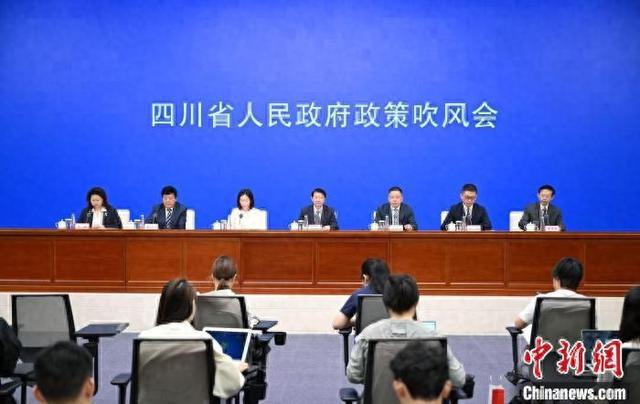
四川将加快新能源汽车废旧动力电池回收利用
Huan Qiu Wang Zi Xun· 2025-05-07 07:12
Core Viewpoint - The "Interim Measures for the Management of Recycling and Utilization of Waste Power Batteries for New Energy Vehicles in Sichuan Province" will be implemented on June 1, 2023, marking the first provincial-level regulatory document in China for the recycling and utilization of waste power batteries [1][3]. Group 1: Policy Overview - The Sichuan Provincial Government issued the measures to promote the development of the waste power battery recycling industry and to standardize recycling activities [3][4]. - The document consists of 7 chapters and 27 articles, covering aspects such as regional center construction, recycling norms, support measures, supervision, and legal responsibilities [3][4]. Group 2: Market Context - By the end of 2024, Sichuan Province is expected to have 1.402 million new energy vehicles, with Chengdu having 932,500, indicating a significant market for waste battery recycling [3][4]. - A large-scale "retirement wave" of waste power batteries is anticipated in the next two to three years, presenting a promising market outlook for recycling [3][4]. Group 3: Current Industry Status - Sichuan has 11 comprehensive utilization enterprises and 512 recycling service points, with a total utilization capacity of approximately 69,000 tons [5]. - Only 2 enterprises in Sichuan meet national comprehensive utilization standards, accounting for 1.2% of the national total, indicating a significant gap in industry standardization [5]. Group 4: Future Development Focus - Sichuan will focus on two main areas: accelerating the construction of regional centers and cultivating a provincial "white list" of enterprises to ensure compliance with technical standards and safety requirements [5]. - The aim is to establish 4 to 5 regional centers and to eliminate non-compliant enterprises, promoting healthy and sustainable industry development [5].