
生产者延伸责任

Search documents
废旧动力电池综合利用红线划定
Ren Min Ri Bao· 2026-01-19 01:14
Core Viewpoint - The article discusses the rapid development of the new energy vehicle (NEV) industry in China and the upcoming large-scale retirement of power batteries, emphasizing the need for a comprehensive management system for battery recycling and utilization [1]. Group 1: Regulatory Framework - The Ministry of Industry and Information Technology, along with five other departments, has issued interim measures for the recycling and comprehensive utilization of used power batteries, effective from April 1, 2023 [1]. - The new regulations emphasize a "vehicle-battery integrated scrapping" system, requiring that scrapped NEVs must have their batteries processed together with the vehicle to prevent unregulated handling [3]. Group 2: Recycling and Utilization Guidelines - The measures prohibit any organization or individual from using used power batteries for electric bicycles or other areas banned by laws and regulations [4]. - Consumers are advised to hand over scrapped vehicles and batteries to licensed recycling enterprises and not to sell them through unregulated channels [4]. Group 3: Digital Management System - A digital identity management system for power batteries will be established, providing each battery pack with a unique digital ID to track its lifecycle from production to recycling [6]. - The digital ID will facilitate monitoring and traceability across various stages, including production, sales, maintenance, and recycling [6]. Group 4: Information Management and Security - The measures outline specific information reporting requirements for various stakeholders, including NEV manufacturers and recycling enterprises, to ensure proper data collection and management [7]. - Data security measures are mandated to protect the information processed on the platform, ensuring compliance with relevant laws and regulations [7]. Group 5: Conditions for Comprehensive Utilization Enterprises - The regulations set clear conditions for enterprises engaged in the comprehensive utilization of used power batteries, ensuring compliance with environmental protection and safety standards [8]. - Companies involved in battery recycling must obtain necessary approvals and permits before engaging in comprehensive utilization activities [8].
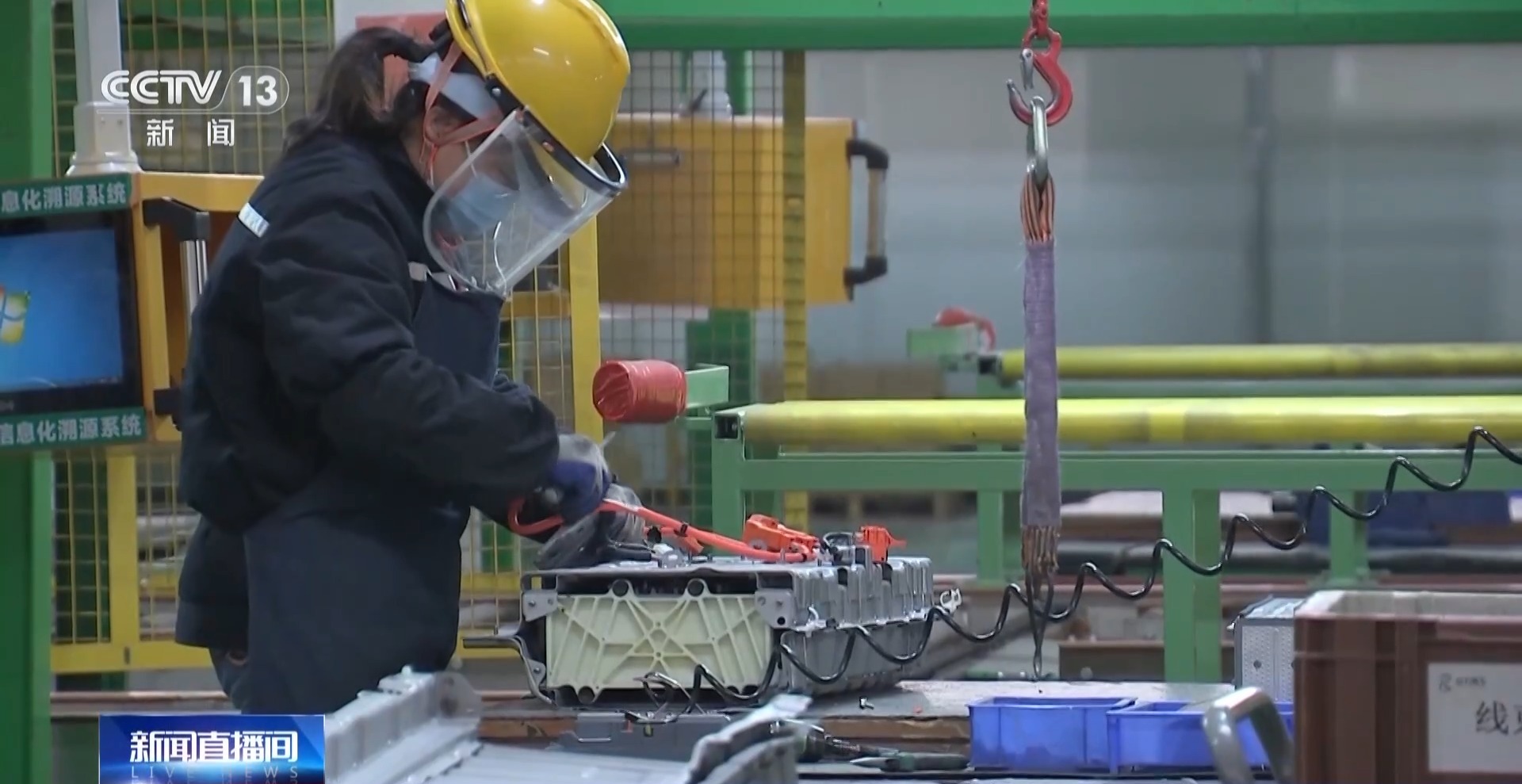
动力电池回收新规来了 有哪些重点亮点?
Yang Shi Xin Wen· 2026-01-17 04:55
Core Viewpoint - The new management measures emphasize "omni-channel, full chain, and full lifecycle" characteristics for the management of used power batteries from electric vehicles, aiming to ensure safety and environmental protection in the recycling process [1][4]. Group 1: Omni-channel Management - The management measures regulate various aspects including battery production, vehicle scrapping, battery swapping operations, and maintenance, with a focus on the "vehicle-battery integrated scrapping" system to prevent the uncontrolled flow of used batteries [1][4]. Group 2: Full Chain Responsibility - The measures clarify the responsibilities and obligations of various entities involved in the production, sales, maintenance, replacement, disassembly, recycling, and comprehensive utilization of batteries [1][4]. Group 3: Full Lifecycle Information Management - The establishment of a national information platform for tracing the lifecycle of new energy vehicle power batteries is highlighted, along with a digital identity management system for these batteries to enhance information traceability [1][7]. Group 4: Producer Responsibility - The new regulations stress the importance of safety in the recycling and comprehensive utilization of used power batteries, mandating that producers of new energy vehicles and batteries fulfill extended producer responsibilities [4][6]. Group 5: Technological Empowerment - The introduction of an information platform that includes features for information tracing, digital identity, corporate responsibility evaluation, and data analysis is a significant highlight, aiming to cover all lifecycle stages of battery information [7]. Group 6: Ecological Design and Maintenance - Battery manufacturers and new energy vehicle producers are encouraged to adopt ecological design principles, ensuring that battery components are easy to maintain and disassemble, while also providing necessary technical information for disassembly [9]. Group 7: Prohibition of "Tiered Utilization" - The new management measures explicitly prohibit the direct or processed use of used power batteries in electric bicycles and other areas restricted by laws and regulations, moving away from the previously used "tiered utilization" concept [10].

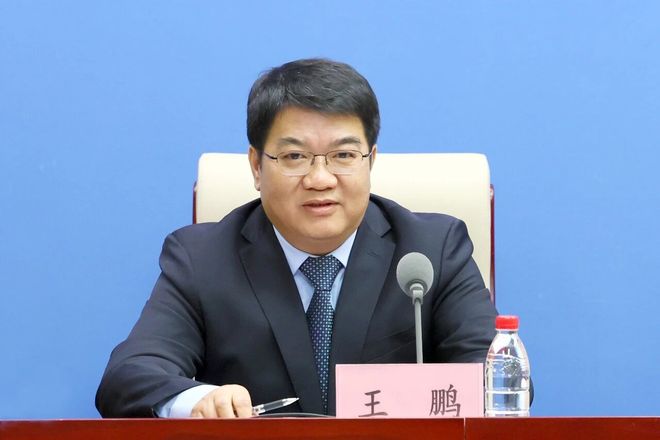
构建全链条规范监管体系,三部门解读《废旧动力电池回收利用管理暂行办法 》
Guan Cha Zhe Wang· 2026-01-16 09:25
Core Viewpoint - The Ministry of Industry and Information Technology (MIIT), in collaboration with the Ministry of Ecology and Environment and the State Administration for Market Regulation, introduced the "Interim Measures for the Recycling and Comprehensive Utilization of Waste Power Batteries from New Energy Vehicles," aiming to establish a regulated, safe, and efficient recycling system for waste batteries [1][3]. Group 1: Policy Framework - The new measures are designed to clarify responsibilities across various stakeholders in the recycling process, enhancing legal enforceability compared to previous regulations [5]. - The framework emphasizes "coordinated development and safety" and "extended producer responsibility," establishing a comprehensive management system covering all channels, chains, and life cycles of battery usage [5][6]. Group 2: Industry Impact - By 2025, it is projected that the comprehensive utilization of waste power batteries will exceed 400,000 tons, reflecting a year-on-year growth of 32.9%, with leading companies achieving metal recovery rates on par with international standards [4]. - The anticipated production and sales of new energy vehicles in China for 2025 are expected to reach 16.626 million and 16.49 million units, respectively, marking a year-on-year increase of 29% and 28.2%, with new vehicle sales accounting for 47.9% of total automobile sales [3]. Group 3: Stakeholder Responsibilities - The measures delineate dual responsibilities for battery and vehicle manufacturers, including ecological design and recovery obligations, mandating the establishment of recovery networks at both provincial and municipal levels [8][6]. - Companies involved in battery exchange services, vehicle maintenance, and scrapping must ensure that waste batteries are handed over to certified recycling enterprises, adhering to environmental and safety regulations [8]. Group 4: Technological and Regulatory Developments - The MIIT has implemented various policies and standards, including over 30 national and industry standards, to support the recycling ecosystem [3][9]. - The establishment of a digital identification system for batteries will facilitate tracking and monitoring throughout their lifecycle, enhancing transparency and compliance [6].
Six strategies shaping packaging regulation in Asia Pacific
Yahoo Finance· 2025-09-30 09:14
Core Insights - Packaging regulation is tightening across Asia Pacific as governments implement measures to reduce waste, enhance recycling, and promote circular systems. The market in the region is projected to exceed USD 535 billion by 2025, with growth expected to outpace the global average [1] Recycled Content Requirements - Mandatory rules on recycled content are emerging, with India enforcing minimum levels of recycled plastic from 2025 and South Korea requiring 10% recycled content in PET bottles from 2026. Japan and China are encouraging voluntary adoption. Companies face challenges in securing stable post-consumer recycled (PCR) supplies and meeting food safety standards, leading many to pursue long-term contracts with recyclers [2] Material Innovation and Substitution - New packaging formats are being developed to comply with restrictions on hard-to-recycle plastics. Innovations such as fibre-based bottles, coated boards, and mono-material plastics are advancing as substitutes for multi-layer films and polystyrene. Compostable biopolymers are also entering the market, particularly in foodservice. Brands must balance compliance with performance and consumer acceptance when deciding on innovations to scale [3] Reusable and Refillable Systems - Several governments in Asia Pacific are promoting refill and reuse models as part of circular economy strategies. Singapore and Hong Kong are trialing refill stations, while India and Indonesia have community-led refill initiatives for household goods. Major brands are piloting refill pouches and returnable containers in urban centers, indicating a gradual shift towards reuse as a regulatory and consumer expectation [4] Deposit Return and Collection Schemes - Deposit return systems are gaining traction, with Singapore set to launch a scheme in 2026, following established models in South Korea, Australia, and Japan. These programs aim to increase recovery rates for PET bottles and aluminum cans, utilizing technology such as reverse vending machines and smart bins to enhance efficiency. Businesses must plan logistics and invest in consumer-facing infrastructure to participate [5] Extended Producer Responsibility - Many countries are embedding extended producer responsibility (EPR) into law, requiring producers to finance waste collection and recycling. South Korea's EPR framework is already established, while India and China are strengthening their own systems [6] Compliance and Industry Collaboration - Packaging executives must prepare for higher compliance costs and increased scrutiny of end-of-life management. There are also opportunities to shape future EPR schemes through industry collaboration [7]