循环利用

Search documents
市场监管总局:以标准支撑制造业高质量转型升级
Huan Qiu Wang· 2025-09-04 08:22
Group 1 - The core viewpoint of the article emphasizes the proactive measures taken by the Market Regulation Administration (National Standardization Administration) to support the high-quality development of the manufacturing industry through the establishment of national standards [1][2] - In 2023, over 600 national standards have been released, significantly aiding the transformation and upgrading of the manufacturing sector towards high-end, green, and intelligent development [1][2] - Specific standards have been introduced in key areas such as high-end basic components, electric vehicles, and special processing machine tools, which enhance the industry's value and technological content [1] Group 2 - In the green transformation aspect, national standards have been published focusing on energy consumption efficiency, pollutant emissions, green product evaluation, and resource recycling, promoting the large-scale application of green technologies [2] - The implementation of the national standard for carbon dioxide recovery and disposal in metallurgical lime kilns has facilitated the research and industrial application of carbon capture technology, enabling steel companies to reduce carbon dioxide emissions by 140 kilograms per ton of steel [2] - For the intelligent transformation, standards related to artificial intelligence and industrial internet have been developed, improving the digital and intelligent development levels of the manufacturing industry [2] Group 3 - The Market Regulation Administration plans to continue advancing related work by focusing on key areas and weak links in manufacturing transformation, aiming to revise and establish over 4,000 national standards in fields such as artificial intelligence, IoT, and new materials [3] - There will be an emphasis on monitoring the implementation of standards in key sectors and industries, ensuring that the effectiveness of these standards is fully realized through collaboration with policies in industry, finance, and taxation [3]
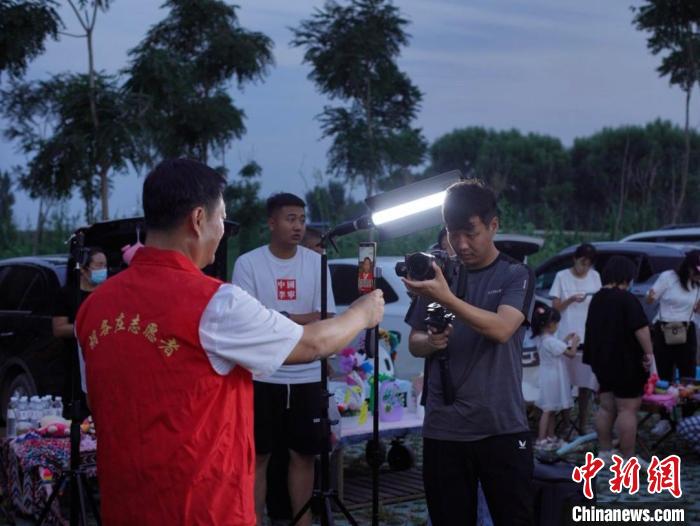
地面工程维修中心绿色发展、循环利用再创佳绩
Qi Lu Wan Bao Wang· 2025-08-30 01:30
Core Insights - The Victory Oilfield Ground Engineering Maintenance Center has successfully recycled over 10,000 used parts and repaired 5,425 of them, achieving 107% of its annual recycling target, showcasing advancements in green development and circular economy [1] - In 2023, a remanufacturing demonstration base was established at the Ground Engineering Maintenance Center, which has developed a remanufacturing industry framework focusing on "recovery—remanufacturing—reuse" through collaboration with five development units [1] - The center aims to maximize asset efficiency by implementing a centralized recycling network across 14 development units in the eastern oilfield, establishing 54 standardized recycling stations and creating a catalog of remanufactured components [1] Remanufacturing Process and Quality Control - The Ground Engineering Maintenance Center has implemented strict quality control measures for remanufactured parts, utilizing a "two in, two out, two cards" management method to enhance quality throughout the remanufacturing process [2] - Cross-regional collaboration has been initiated, evaluating the remanufacturing capabilities of three pump repair service departments and successfully conducting eight collaborative projects, resulting in the remanufacturing of 211 various parts [2] - Future plans include optimizing remanufacturing work systems and enhancing capabilities to unlock the full lifecycle value of used components, contributing to the green circular economy of the oilfield [2]
高速桥下空间变姹紫嫣红苗木基地
Chang Jiang Ri Bao· 2025-08-18 00:26
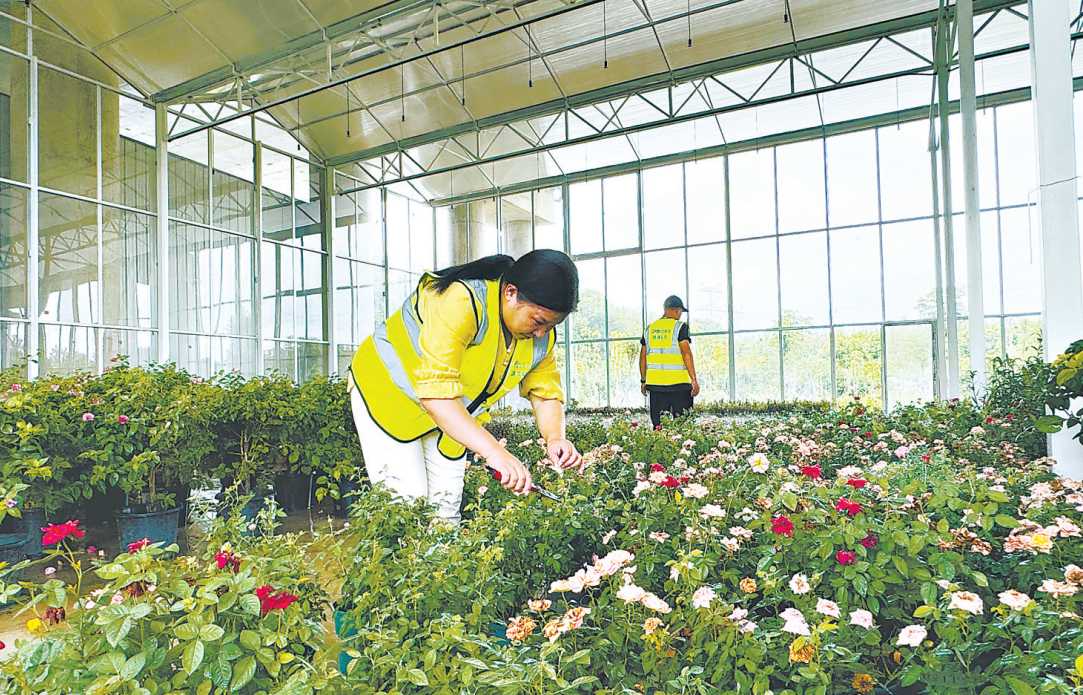
Core Insights - The article highlights the transformation of an underutilized 88-acre space under the Dongshan Interchange into a "green treasure" that integrates ecology, economy, and technology [1] Group 1: Green Infrastructure Development - The Dongshan Flower Landscape Seedling Production Base has implemented standardized planting areas and intensive production, featuring 53 types of seedlings [2] - The base operates a "flower hospital" concept, where damaged landscape plants are rehabilitated, reducing maintenance costs by 40% and extending the lifespan of plants by 3 to 5 years [2] Group 2: Smart Technology Integration - Smart flower boxes equipped with sensors automatically irrigate plants, reducing labor costs by 60% and ensuring optimal watering conditions [3] - The base employs a "light gradient planting" strategy to optimize plant growth based on sunlight exposure, achieving a seedling survival rate of 98% [4] Group 3: Community and Employment Impact - The project has fostered community involvement in cleaning and maintaining the area, transforming it from a site of waste to a green space [5][7] - The base has created over 10 permanent jobs and more than 30 seasonal jobs, contributing to local economic growth [7] Group 4: Collaborative Governance - The initiative began with a cross-departmental roundtable meeting aimed at revitalizing road resources, supported by local government and community engagement [7] - The project has established a collaborative governance model that addresses the challenges of maintaining green spaces and preventing future degradation [7]

深阅读丨小麦“变身”600多种产品
Ren Min Ri Bao· 2025-08-16 05:07
Group 1: Agricultural Transformation - The transformation of saline-alkali land in Binzhou has led to the cultivation of over 120,000 acres of arable land, with a focus on breeding salt-tolerant crop varieties [2][4] - The local wheat variety "Yutian Wheat 126" has successfully passed national approval in 2023, showcasing advancements in agricultural biotechnology [4] - Farmers initially skeptical about new salt-tolerant seeds have changed their attitudes after witnessing tangible high-yield results, leading to increased adoption of these varieties [5][6] Group 2: Deep Processing and Value Addition - The processing of wheat at Zhongyu Food Co., Ltd. has evolved, with by-products like bran now being transformed into high-value dietary fiber powder, increasing its market value from 1,800 yuan per ton to 30,000 yuan per ton [8][12] - The company has achieved nearly 100% utilization of wheat, saving 500,000 tons of grain annually through advanced processing techniques [13] - The total output value of wheat has increased significantly, from approximately 3,700 yuan to around 9,140 yuan per ton due to technological innovations [12] Group 3: Waste Utilization and Sustainability - The company has developed a method to convert liquid waste from alcohol production into a viable feed alternative, significantly reducing grain consumption in pig farming [14][15] - The integration of anaerobic fermentation with low-concentration waste has improved soil quality and crop yields in saline-alkali fields, demonstrating effective waste management [16] - This approach has led to a reduction of 28,000 tons of grain usage and a cost saving of 54 million yuan in waste treatment fees annually [16]
小麦“变身”600多种产品
Xin Hua Wang· 2025-08-15 23:58
Core Insights - The transformation of wheat into over 600 products showcases the integration of technology and value-added processes in the agricultural sector [1] - The successful cultivation of salt-tolerant wheat varieties has significantly improved yields in previously barren saline-alkali lands [3][5] - Innovative processing techniques have increased the economic value of by-products, such as wheat bran, which has seen a price increase from 1,800 yuan per ton to 30,000 yuan per ton [9] Group 1: Agricultural Innovation - The introduction of the "Yutian Wheat 126" variety has been pivotal in enhancing local agricultural productivity [5] - Farmers initially skeptical about new salt-tolerant varieties have shifted their attitudes after witnessing tangible results, leading to increased adoption [6] - The area under cultivation for salt-tolerant wheat has expanded significantly, with one farmer increasing his planting area to 300 acres [6] Group 2: Processing and Value Addition - The deep processing of wheat has led to a near-total utilization rate, saving approximately 500,000 tons of grain annually [12] - The development of custom filtration technology has improved the extraction of dietary fiber from wheat bran, contributing to an annual profit increase of 110 million yuan for the company [11][12] - The total value of wheat has increased from 3,700 yuan to around 9,140 yuan per ton through advanced processing and branding efforts [12] Group 3: Waste Management and Sustainability - The company has implemented a system to convert waste products, such as liquid distiller's grains, into valuable feed, enhancing feed efficiency by over 10% [12][13] - The use of anaerobic fermentation for pig manure treatment has improved soil quality and increased crop yields in saline-alkali fields [14] - The overall economic benefits from these innovations have led to a 20% increase in the profitability of pig farming [14]
小麦“变身”600多种产品(深阅读)
Ren Min Ri Bao· 2025-08-15 22:11
Group 1: Agricultural Innovation - The transformation of saline-alkali land in Binzhou has led to the cultivation of high-yield wheat varieties, such as "Yutian Wheat 126," which passed national approval in 2023 [4][6] - The local government and companies are actively promoting salt-alkali resistant seed varieties to enhance agricultural productivity [2][5] - Farmers initially skeptical about new seed varieties have changed their attitudes after witnessing tangible high-yield results, leading to increased adoption of these seeds [5][6] Group 2: Food Processing and Value Addition - Binzhou's wheat can be processed into over 600 products, significantly increasing its economic value from approximately 3,700 yuan per ton to around 9,140 yuan [12] - The company has developed advanced processing techniques that have increased the value of by-products like wheat bran, which now sells for 30,000 yuan per ton compared to 1,800 yuan previously [8][12] - The company has achieved nearly 100% utilization of wheat, saving 500,000 tons of grain annually through efficient processing [13] Group 3: Waste Utilization and Sustainability - The company has developed a method to convert liquid waste from alcohol production into a valuable feed supplement, improving feed efficiency by over 10% and increasing economic benefits for pig farming by over 20% [14][16] - The use of anaerobic fermentation for pig manure treatment has resulted in improved soil quality and crop yields in previously unproductive saline-alkali fields [15][16] - The overall approach emphasizes a circular economy, where waste products are transformed into resources, leading to significant cost savings and environmental benefits [14][16]
低碳场馆、低碳能源、低碳交通……成都世运会有哪些绿色“碳”点?
Si Chuan Ri Bao· 2025-08-15 01:16
Core Viewpoint - The Chengdu World Games 2025 is actively implementing low-carbon measures across various domains to achieve carbon neutrality during the event [1] Group 1: Low-Carbon Venue Construction - The water sports center at Xinglong Lake, covering over 4,500 acres, has achieved a water quality standard of Class III, suitable for international competitions [2] - All 27 competition venues for the event are temporary constructions, with 9 venues built using green materials from lakeside parks, minimizing ecological impact [2] Group 2: Green Transportation Initiatives - The event features panda-themed electric vehicles providing low-carbon shuttle services between venues [3] - A seamless transportation system combining rail, cycling, and walking has been established to encourage green travel among attendees [4] Group 3: Clean Energy Utilization - The main power supply for the opening ceremony is sourced from two clean energy bases, ensuring the use of renewable energy [4] - The event promotes the use of clean energy across various venues, including the athletes' village and competition sites [4] Group 4: Circular Economy and Resource Utilization - The medals for the event are made from recycled metals, showcasing the potential of resource recycling [5] - Infrastructure improvements, such as energy-efficient streetlights and green pathways, will continue to benefit the community post-event [5] - A digital recycling management system has been implemented to ensure traceable waste recycling, contributing to carbon reduction efforts [5]
透过“细胞”看雄安:“无废城市”究竟是座什么城?
Zhong Guo Xin Wen Wang· 2025-06-14 08:38
Core Viewpoint - The construction of a "waste-free city" in Xiong'an is characterized by the integration of the "waste-free" concept into urban planning from the outset, creating unique "waste-free scenarios" that contribute to a sustainable urban environment [1][11]. Group 1: Waste-Free City Concept - Xiong'an is one of the first pilot cities in China for the "waste-free city" initiative, focusing on advanced urban management that emphasizes waste reduction, resource recycling, and harmless waste disposal [4][11]. - The "waste-free city" is likened to a healthy ecosystem that self-regulates, aiming for waste minimization and resource recovery [4][11]. Group 2: Circular Economy and Community Engagement - In Huangwan Village, the transformation of idle courtyards into "waste-free homestays" showcases a successful model of circular economy, utilizing geothermal water resources while preventing groundwater pollution [2][4]. - The "waste-free village" initiative includes regular second-hand markets that promote zero waste and enhance local tourism, attracting visitors from as far as Beijing [5][4]. Group 3: Innovative Waste Management Solutions - The Xiong'an Guangda Ecological Industrial Park features an underground intelligent waste incineration facility that operates with zero landfill and near-zero carbon emissions, generating over 300 million kilowatt-hours of electricity since May 2023 [6][8]. - The "waste-free cells" concept encompasses various sectors including government, schools, communities, and tourism, emphasizing tailored management for effective waste reduction [8][11]. Group 4: Ecological Restoration and Tourism - Baiyangdian, the largest freshwater lake in North China, is undergoing significant ecological restoration as part of the "waste-free city" initiative, with innovative waste resource utilization models being developed [9][11]. - The region is exploring "waste-free + tourism" models, enhancing the visitor experience while promoting ecological sustainability [11][9].