循环利用

Search documents
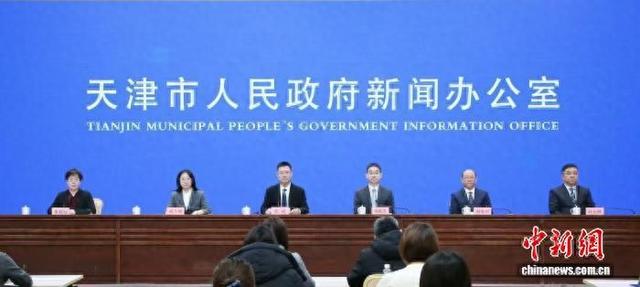
“家门口”找工作更方便 天津2025年建成就业驿站130家
Xin Lang Cai Jing· 2026-01-14 04:07
Group 1 - The Tianjin municipal government is implementing policies to promote high-quality and full employment, with a focus on establishing 130 employment service stations by 2025 to provide public employment services [1][3] - The city plans to organize 916 specialized recruitment events throughout the year, aiming to collect 71,000 job positions and successfully assist 9,451 workers in finding employment [1][3] Group 2 - The Tianjin Development and Reform Commission aims to expand employment opportunities in digital economy, green industries, health care, and domestic services, while promoting the healthy and regulated development of platform economy and flexible employment [3] - The city will focus on developing renewable energy, recycling, and energy-saving industries to increase green job opportunities and explore low-altitude economic applications to create related job positions [3] - The Tianjin Education Commission will implement various recruitment actions throughout the year, emphasizing collaboration with key enterprises and organizations to enhance job matching for graduates [3] - The Tianjin Industrial and Information Technology Bureau will support the growth of quality small and medium-sized enterprises in manufacturing, aiming to enhance the scale and capability of market entities and create high-quality employment opportunities [3]

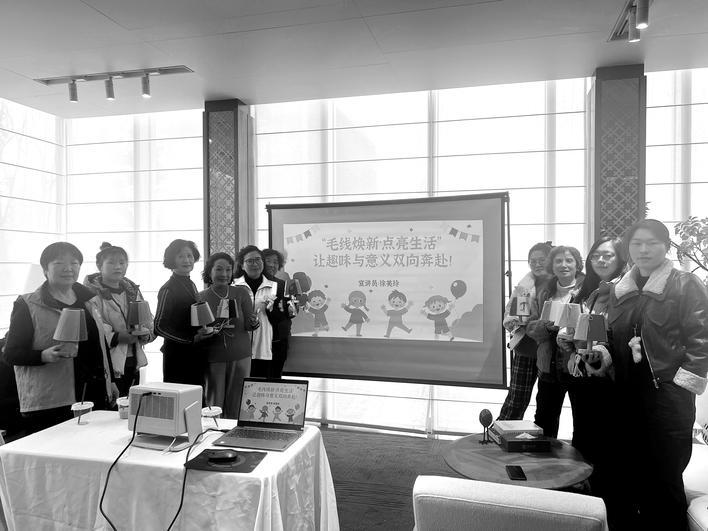
毛线变新宝 点亮绿色生活
Xin Lang Cai Jing· 2026-01-13 23:58
Group 1 - The core activity involved a handcraft event titled "Transforming Yarn, Brightening Life," organized by the Fengyang Community in collaboration with a home-based elderly care service organization [3] - The event aimed to promote recycling and environmental awareness by teaching residents how to create handmade lampshades from unused yarn [3] - Participants, including many children, engaged in hands-on activities that fostered both environmental consciousness and practical skills [3] Group 2 - The event highlighted the importance of resource conservation and recycling, contributing to a warmer community atmosphere [3] - Volunteers provided detailed instructions on the crafting process and the environmental significance of the project [3] - Each participant left with a unique, practical, and aesthetically pleasing handmade lampshade, enhancing their sense of accomplishment [3]
52项标准赋能轻工业以旧换新与绿色转型
Xin Jing Bao· 2025-12-26 12:43
Core Insights - The light industry in China has completed the revision of 52 key recommended national standards, promoting the industry's transformation towards greening, intelligence, and circularity, thereby supporting consumption upgrades and high-quality industrial development [1][2] Group 1: Industry Performance - From January to October, the light industry achieved operating revenue of 19 trillion yuan and profits of 1.14 trillion yuan, accounting for 13% of national industrial assets and contributing nearly 20% of national industrial profits, demonstrating strong development resilience [1] - The implementation of the 52 light industry standards aligns with industry upgrades and consumer demands, with 38 standards related to the "old-for-new" policy for home appliances [1] Group 2: Standards and Impact - The "old-for-new" policy has led to the replacement of over 128 million home appliances, generating sales exceeding 2.5 trillion yuan [1] - Nine standards related to recycling have been established, clarifying the recycling process for household appliances and enhancing the recycling rate of old appliances, with approximately 86 million units processed in the first ten months of the year [2] - Five low-carbon transition standards have been introduced, helping companies identify high-carbon segments and optimize emission reduction paths, with an example from Jingdezhen showing potential annual CO2 reductions of about 84,000 tons through upgrades [2]
中国轻工业联合会:今年1至11月家电以旧换新超1.28亿台
Xin Hua Cai Jing· 2025-12-26 08:06
Core Insights - The Chinese light industry is experiencing significant growth, with over 128 million home appliances replaced through the "old for new" policy, generating sales exceeding 2.5 trillion yuan [1] - The market for smart furniture has surpassed 10 billion yuan, driven by new standards and the introduction of mid-to-high-end products by leading companies [1] - The light industry achieved a total revenue of 19 trillion yuan from January to October, reflecting a year-on-year growth of 1.9%, and profits of 1.14 trillion yuan, up 1.6% [1] Group 1 - The implementation of the "two new" standards supports the effectiveness of the "old for new" policy and drives the transformation and upgrading of the light industry [2] - In terms of low-carbon transition, standards for carbon footprint accounting in daily ceramics, lighting appliances, and plastic products help companies identify high-carbon segments and optimize emission reduction paths [2] - The ceramic production area in Jingdezhen, with over 3,500 kilns, is expected to reduce carbon dioxide emissions by approximately 84,000 tons annually through targeted emission reduction strategies [2] Group 2 - From January to October, approximately 86 million units of "four machines and one brain" (TVs, refrigerators, washing machines, air conditioners, and computers) were dismantled, yielding about 1.9 million tons of recycled resources [2] - Standards for home appliance recycling services enhance the efficiency of waste appliance recovery and resource utilization [2] - Over 700 companies have certified more than 2,200 products as green furniture, supporting the green circular development of the furniture industry [2]
前11月家电以旧换新超1.28亿台,销售额超2.5万亿
Nan Fang Du Shi Bao· 2025-12-26 07:45
Core Insights - The light industry in China achieved a cumulative operating income of 19 trillion yuan from January to October this year, representing a year-on-year growth of 1.9%, and a profit of 1.14 trillion yuan, with a year-on-year increase of 1.6% [1] - The light industry accounts for 13% of national industrial assets, contributing to 16.7% of national industrial operating income and 19.2% of profits [1] Group 1: Standard Upgrading and Policy Support - The "Two New" standard enhancement initiative aims to address the pain points of light industry transformation and consumer upgrade demands, with 52 key national standards being revised or established, including 38 for consumer product replacement, 9 for recycling, and 5 for equipment updates [1] - This initiative is expected to provide solid support for the implementation of the old-for-new policy for consumer goods and effectively drive the transformation and upgrading of the light industry [1] Group 2: Old-for-New Policy Impact - By the end of 2024, the total ownership of household appliances such as refrigerators, washing machines, and air conditioners in China is projected to exceed 3 billion units, with over 1.28 million units replaced under the old-for-new policy from January to November this year, generating over 250 billion yuan in related sales [2] - The introduction of standards for smart furniture has accelerated the launch of mid-to-high-end smart furniture products by leading companies, with the market scale exceeding 10 billion yuan, marking a new growth point for furniture consumption upgrades [2] Group 3: Low-Carbon Transition - Standards for carbon footprint accounting in daily ceramics, lighting appliances, and plastic products are aiding companies in identifying high-carbon segments and optimizing emission reduction paths, promoting low-carbon transitions from the source [2] - In Jingdezhen, a major ceramic production area, over 3,500 kilns are utilizing standards to pinpoint key emission reduction areas, leading to an estimated annual reduction of approximately 84,000 tons of carbon dioxide [2] Group 4: Recycling and Resource Utilization - From January to October, approximately 86 million units of "four machines and one brain" (TVs, refrigerators, washing machines, air conditioners, and computers) were dismantled, yielding about 1.9 million tons of recycled resources [3] - Standards for household appliance recycling services are standardizing the recycling and disposal processes, enhancing the efficiency and resource utilization of waste household appliances [3] - Over 700 companies have certified more than 2,200 products as green furniture, effectively supporting the green circular development of the furniture industry [3]
“两新”标准实施成效显著:今年1至11月 家电以旧换新超1.28亿台
Yang Shi Xin Wen· 2025-12-26 07:06
Group 1 - The core viewpoint of the articles highlights the significant progress made in the implementation of national standards aimed at enhancing the quality and innovation of consumer goods, particularly in the home appliance sector, since the launch of the old-for-new policy in 2024 [1][2] - As of the end of 2024, the total ownership of home appliances in China, including refrigerators, washing machines, and air conditioners, is expected to exceed 3 billion units, with over 128 million units exchanged under the old-for-new policy, generating sales exceeding 2.5 trillion yuan [1] - The introduction of standards for intelligent furniture has led to the rapid launch of mid-to-high-end smart furniture products by leading companies, contributing to a market scale of over 10 billion yuan, marking a new growth point in furniture consumption upgrades [1] Group 2 - In terms of low-carbon transformation, standards for carbon footprint accounting in daily ceramics, lighting appliances, and plastic products are helping companies identify high-carbon segments and optimize emission reduction paths, thereby promoting low-carbon transitions [1] - The example of Jingdezhen, a major ceramic production area, illustrates how over 3,500 kilns are being targeted for emission reductions, with an expected annual reduction of approximately 84,000 tons of carbon dioxide through equipment upgrades and process improvements [1] - From January to October, approximately 86 million units of "four machines and one brain" (TVs, refrigerators, washing machines, air conditioners, and computers) were dismantled, yielding about 1.9 million tons of recycled resources, enhancing the efficiency and resource utilization of waste home appliance recycling [2]
秸秆、废砖头都能变废为宝 丰城村以“小积分”撬动“大循环”
Zhen Jiang Ri Bao· 2025-11-11 23:23
Core Insights - The article highlights a successful waste recycling initiative in Fengcheng Village, which combines environmental management with the development of circular agriculture [1][3][4] - The village has implemented a points-based reward system that encourages residents to participate in waste collection and recycling, resulting in improved village aesthetics and agricultural productivity [1][3] Group 1: Waste Management and Recycling - Fengcheng Village has established a waste transfer station to address the challenges of seasonal waste and construction debris, promoting a "point collection and dedicated management" model [2][3] - The village has actively engaged residents by distributing guidelines for waste disposal, leading to a structured approach to waste management [2] Group 2: Community Engagement and Incentives - A points-based exchange system rewards residents for delivering waste, with incentives including cash for cleaners and organic fertilizer for villagers [3][4] - The initiative has fostered a sense of community responsibility, as residents are motivated to participate in waste recycling due to tangible benefits [4] Group 3: Agricultural Benefits - The collected waste, particularly straw, is processed by a local agricultural company to produce high-quality organic fertilizer, creating a closed-loop system that benefits both the environment and agriculture [3] - Villagers report improved crop yields and reduced costs for chemical fertilizers, demonstrating the economic advantages of the recycling program [3][4]
欧洲环境署报告:欧洲环境状况不容乐观
Xin Hua She· 2025-09-29 13:06
Core Insights - The report titled "European Environment 2025" highlights significant progress in reducing greenhouse gas emissions and air pollution in Europe, but overall environmental conditions remain concerning, particularly due to threats of degradation, over-exploitation, and biodiversity loss [1][2] - The report emphasizes the need for European countries to accelerate the transformation of production and consumption systems through policies like the "European Green Deal" to achieve decarbonization, circular economy, and pollution reduction [1] Summary by Categories Environmental Status - Despite progress, Europe's natural environment is under severe threat, with biodiversity continuing to decline due to unsustainable production and consumption patterns [1] - Approximately one-third of the European population and territory faces water scarcity risks, indicating significant pressure on water resources [1] Climate Change - Europe is identified as the fastest-warming continent globally, with climate change advancing at an alarming rate, posing risks to security, public health, ecosystems, infrastructure, and economic development [1] Policy Recommendations - The report calls for the implementation of nature-based solutions to enhance societal resilience, reduce dependence on energy and raw material imports, and promote green innovation [1] - The Executive Director of the European Environment Agency stresses the importance of maintaining ambitious climate, environmental, and sustainable development goals [1]
行业聚焦:全球自攻衬套市场头部企业份额调研(附Top10 厂商名单)
QYResearch· 2025-09-10 06:15
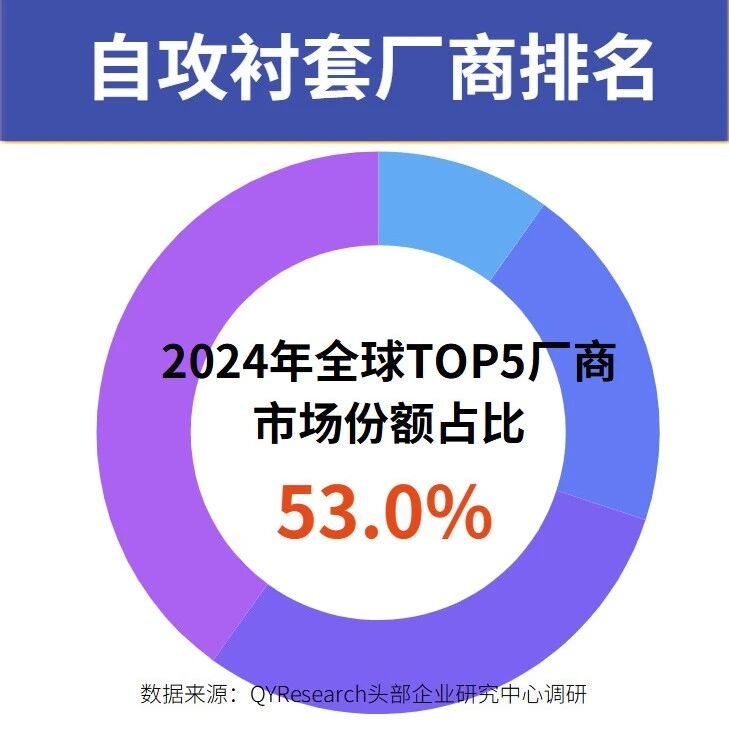
Core Insights - The global self-tapping sleeve market is projected to reach USD 140 million by 2031, with a compound annual growth rate (CAGR) of 4.5% in the coming years [1] Market Overview - Self-tapping sleeves are specialized fasteners used to create threads in pre-drilled holes, providing secure threaded connections [1] - The automotive industry is the largest downstream market, accounting for approximately 40.6% of the demand [9] - The slotted type is the most significant product segment, holding about 61.9% market share [7] Key Players - Major manufacturers in the global self-tapping sleeve market include Kerb-Konus, STANLEY Engineered Fastening, Böllhoff, Tappex, SPIROL, and others [6] - The top five manufacturers are estimated to hold around 53.0% of the market share in 2024 [6] Market Drivers - The demand for self-tapping sleeves is driven by the increasing requirements for fastening performance in various sectors, particularly in automotive, electrical equipment, consumer electronics, and industrial machinery [12] - Trends towards lightweight, modular, and repairable manufacturing are enhancing the application of self-tapping sleeves [12] - Green manufacturing and recycling initiatives are also contributing to market growth, as self-tapping sleeves are reusable and extend the lifespan of base materials [12] Demand Trends - The application of self-tapping sleeves is diversifying, with increased use in lightweight composite materials and high-strength plastics in the automotive sector [17] - The consumer electronics sector is driving demand for compact and quick-assembly solutions, leading to a rise in the need for small and high-precision sleeves [17] - Other sectors such as home appliances, industrial equipment, and medical devices are also showing increased demand for reliable fastening solutions [17]
【财闻联播】央行明日将开展10000亿元买断式逆回购!荷兰养老基金终止与美国贝莱德合作
券商中国· 2025-09-04 12:58
Macro Dynamics - The State Council issued an opinion to release the potential of sports consumption and promote high-quality development of the sports industry, proposing 6 key measures with 20 specific actions [2] - The measures include expanding the supply of sports products, stimulating consumer demand, strengthening sports enterprises, fostering growth points in the sports industry, enhancing support for industry elements, and improving service levels [2] National Standards - The National Standards Committee plans to revise and formulate over 4,000 national standards focusing on key areas such as artificial intelligence and the Internet of Things, supporting the transformation and upgrading of the manufacturing industry [3] Solar and Battery Industry - The Ministry of Industry and Information Technology and the State Administration for Market Regulation issued an action plan to promote high-quality development in the photovoltaic and lithium battery sectors, addressing low-price competition and guiding local industry layout [5] Financial Operations - The People's Bank of China will conduct a 10,000 billion yuan reverse repurchase operation on September 5, 2025, to maintain liquidity in the banking system [6] Trade Agreements - The European Commission approved a free trade agreement with the Southern Common Market (Mercosur) to mitigate trade losses from U.S. tariffs, potentially creating a free trade area covering about 700 million people [7] Financial Insights - UBS reported significant progress in AI monetization in China, with some companies achieving a 20% increase in advertising revenue through AI-driven content [8] - The local chip localization process is accelerating, although reliance on imported training chips remains [8] Market Data - The Shanghai Composite Index fell by 1.25%, with significant declines in the CPO concept and semiconductor sectors [10][11] - The total financing balance in the two markets increased by 15.28 billion yuan, with the Shanghai Stock Exchange reporting a balance of 11,574.34 billion yuan [12] Company Developments - Huawei launched its first small-screen flagship tablet, the MatePad Mini, and a new foldable smartphone, the Mate XTs, with prices starting at 17,999 yuan [14] - Jimin Health announced that its shareholder, Shuangge Group, plans to reduce its stake by up to 3% due to funding needs [15] - Hangzhou High-tech reported a change in control with the resignation of several key executives [16]