文旅产业转型

Search documents
香港舆论:“超级黄金周”香港“丁财两旺”,业界求变汇聚人气财气
Zhong Guo Xin Wen Wang· 2025-10-09 07:33
Core Insights - The "Super Golden Week" during the National Day and Mid-Autumn Festival has significantly boosted Hong Kong's economy, with approximately 1.403 million mainland visitors recorded during the 8-day holiday period, leading to increased business in the restaurant, retail, and hotel sectors [1][3][4]. Group 1: Economic Impact - The influx of tourists has resulted in a prosperous environment for Hong Kong's dining and retail industries, attributed to the government's ongoing efforts to promote event-driven economic activities [3][4]. - The positive economic momentum observed during the holiday indicates a critical transformation phase for Hong Kong's tourism industry, necessitating a focus on enhancing service quality and visitor experience [3][4]. Group 2: Future Outlook - The government is encouraged to leverage the experiences gained from the "Super Golden Week" to create more engaging activities and tourist hotspots, ensuring a continuous influx of visitors [6][7]. - There is potential for visitor numbers to exceed 50 million for the year, surpassing the government's initial target, driven by upcoming major events and a diversified tourism strategy [6][7]. Group 3: Industry Trends - The tourism market is witnessing a shift towards experiential travel, with technology becoming a necessity for modern travelers, and a growing demand for diverse tourism offerings [7]. - The integration of culture, sports, ecology, and events into tourism products is seen as a key strategy for sustainable growth in Hong Kong's tourism sector [6][7].


文旅并购新案例:看海合安文旅如何焕新阳澄湖“微度假”经济
Cai Fu Zai Xian· 2025-09-22 01:29
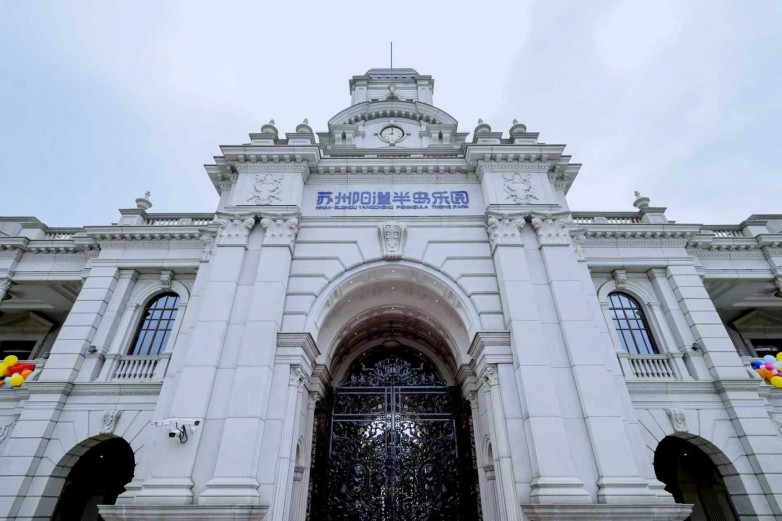
Core Viewpoint - The acquisition of Suzhou Huayi Brothers Movie World by MBK Partners' subsidiary, Haihe An Cultural Tourism, marks a significant shift in the cultural tourism industry in East China, transitioning from scale expansion to quality enhancement [1][3][30]. Group 1: Acquisition and Strategic Importance - The acquisition involves a 690-acre theme park, previously known as Huayi Brothers Movie World, located in a key national tourism resort area [3]. - Haihe An Cultural Tourism aims to integrate local culture and enhance visitor experiences, establishing the first lakeside immersive cultural tourism destination in the Yangtze River Delta [3][8]. - This acquisition is seen as a landmark event for the development of the cultural tourism industry in East China, reflecting a strategic choice based on the region's cultural richness and ecological resources [3][8]. Group 2: Brand Renewal and Experience Enhancement - The park has undergone a brand renewal, officially rebranded as "Haihe An Suzhou Yangcheng Peninsula Paradise," with a new slogan "Yangcheng Lake, Joy Together" [11][13]. - The brand strategy emphasizes a five-experience system focusing on natural ecology, family-friendly entertainment, cultural heritage, night economy, and festive activities [13][16]. - Three major new products have been launched, including the largest immersive theme experience area in China, a large-scale cultural show, and a night product system to enhance nighttime consumption [17][20][22]. Group 3: Economic and Cultural Impact - The park's reopening has led to significant visitor engagement, with over 350,000 visitors during the summer trial operation and a 68% increase in revenue year-on-year [24]. - The integration of the theme park with local cultural festivals and activities aims to create a comprehensive tourism ecosystem, enhancing regional economic vitality [25][27]. - The initiative is expected to transform the Yangcheng Lake Peninsula into a world-class lake tourism destination, promoting sustainable growth in the cultural tourism sector [25][28].
热度转移迅速,文旅发展何以“留量”破局?
Huan Qiu Wang· 2025-07-12 00:52
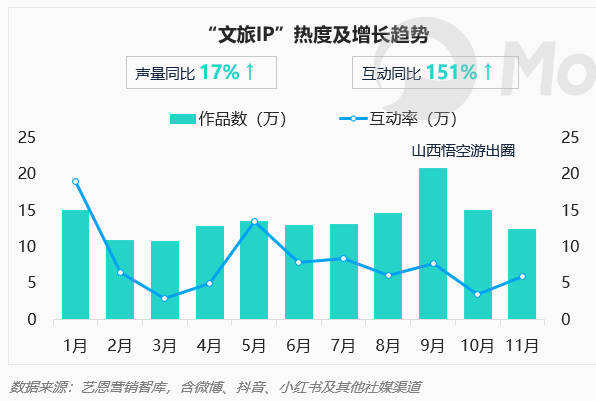
Group 1 - The tourism industry is transitioning from a focus on "traffic" to "retention," emphasizing refined operations to avoid homogenization as competition intensifies and consumer fatigue increases [1][2] - The case of Zibo, which gained popularity through unique culinary offerings and social media, illustrates the challenges of maintaining tourist interest, leading to a decline in visitor numbers after initial success [1] - Zibo's recovery in 2024, following improvements in urban governance and tourism infrastructure, highlights the importance of building a solid foundation for sustainable tourism development [1] Group 2 - The tourism industry is at a transformative juncture in 2025, where long-term strategies and sustainable development must be prioritized to avoid fleeting popularity [2] - Emphasizing local culture and unique characteristics in tourism projects can enhance differentiation and attract visitors, moving away from a "one-size-fits-all" approach [4] - Establishing a coordinated governance mechanism among various departments is crucial to address challenges such as infrastructure lag and service quality issues that arise from sudden influxes of tourists [4]
亲子游市场潜力巨大
Sou Hu Cai Jing· 2025-07-03 13:11
Core Insights - The parent-child travel market in China is experiencing explosive growth, with the online market expected to exceed 300 billion yuan by 2025, reflecting a year-on-year increase of over 20% [3] - The shift in family consumption from "material needs" to "emotional needs" is driving this growth, supported by policies, technology, and market demand [3] Policy and Market Dynamics - Government policies are integrating parent-child tourism into urban development strategies, with cities like Sanya projecting that parent-child travel will account for 30% of total tourism revenue by 2024 [5] - Innovative products combining education, entertainment, and culture are emerging, such as family science passports and heritage study camps, enhancing the appeal of parent-child travel [5] Consumer Behavior and Demand Trends - There is a notable generational shift in consumer preferences, with younger parents (post-95 and post-00) favoring outdoor activities, while older parents (post-80) prefer private tours [6] - The demand for cultural and educational experiences is rising, with 70% of middle-to-high-income families willing to pay a premium for such offerings [6] Industry Evolution and Collaboration - The parent-child travel boom is reshaping the tourism industry, with instant retail platforms becoming essential for family travel needs, showing a 130% increase in night orders for travel-related products during peak seasons [7] - The accommodation sector is adapting with family-friendly packages and themed rooms, capturing a significant share of the parent-child market [7] Challenges and Future Outlook - Despite the market potential, challenges such as product homogenization and safety standards persist, with 25% of tourists expressing dissatisfaction with current offerings [8] - The industry is moving towards high-quality development, focusing on safety standards and innovative product offerings to meet the evolving needs of families [8]