新能源物流车

Search documents
顺丰/京东试用!让快递业单车年省12万元的电动重卡来了…… | 头条
第一商用车网· 2025-07-02 11:48
Core Viewpoint - The introduction of the SANY Jiangshan SE636 electric truck is seen as a key solution to the dual pressures of cost and environmental concerns in the logistics industry, particularly in the express delivery sector, which heavily relies on road transport [1][9]. Group 1: Industry Context - The logistics industry in China relies on road transport for 82% of its volume, highlighting the urgent need for emissions reduction in this sector [9]. - The current profit margins for trunk logistics companies are extremely sensitive due to rising costs and environmental pressures [1][4]. Group 2: Policy and Market Dynamics - The Chinese government is pushing for the large-scale application of new energy heavy trucks, with a guiding opinion set to be released in April 2024 [5]. - The logistics sector is not only influenced by market dynamics but also by national policy adjustments, making it a critical area for regulatory focus [4]. Group 3: Technological Innovations - The Jiangshan SE636 features advanced battery design and electric drive systems, achieving a real-world range of 500 kilometers and a rapid charging capability [11]. - The truck's dual motor and dual transmission architecture provide a maximum power output of 870 horsepower, surpassing traditional diesel engines [11]. Group 4: Cost and Environmental Impact - The SE636 can reduce operational costs by 120,000 yuan per year and cut carbon emissions by 98 tons, addressing the financial pressures faced by express delivery companies [11]. - The vehicle's energy consumption is optimized to as low as 1.1 kWh per kilometer, making it both cost-effective and environmentally friendly [11]. Group 5: Collaborative Ecosystem - SANY is forming alliances with leading logistics companies like SF Express and JD.com to create a collaborative ecosystem aimed at reducing logistics costs and enhancing green solutions [12][13]. - The concept of a "zero-carbon transport corridor" is being promoted to integrate various stakeholders, including logistics firms and energy providers, to facilitate the transition to green transport [14]. Group 6: Conclusion - The launch of the Jiangshan SE636 represents a convergence of policy, technology, and market demand, positioning it as a pivotal element in the green transformation of the logistics industry [15].



货拉拉:造车图什么?
和讯· 2025-07-01 08:33
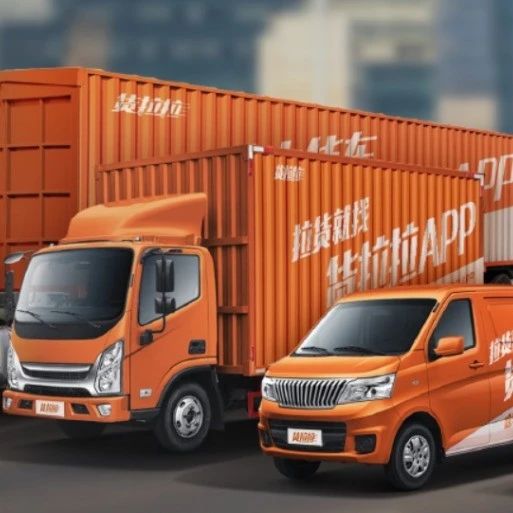
Core Viewpoint - The article discusses the strategic entry of Huolala into the electric vehicle market with its new product, the pure electric van, highlighting the company's ambition to adapt to changing market dynamics and seek new revenue sources amidst challenges in its existing business model [4][7][14]. Group 1: Market Context - The entry of Huolala into vehicle manufacturing comes at a time when many internet companies have exited the automotive sector, indicating a shift back to traditional car manufacturers for leadership in this space [4][7]. - Huolala's decision to produce electric vans is driven by the need to address challenges in its current business model and the urgency to find new growth points [7][11]. Group 2: Product Features - The new electric van features a three-seat cabin design, enhancing efficiency for drivers who need to transport assistants, and includes design elements that facilitate quick loading and unloading in urban environments [6]. - The vehicle is equipped with a maximum power output of 94 kW and offers a range of 300 to 305 kilometers, meeting daily operational needs, and includes a battery swap design to potentially lower purchase costs [6]. Group 3: Revenue Structure - Huolala's revenue is primarily derived from three segments: freight platform services, diversified logistics services, and value-added services, with freight platform services contributing 51.7% of total revenue in 2024 [7][8]. - The company has seen a decline in the proportion of revenue from commissions and membership fees, which together accounted for over 50% of revenue in recent years, indicating a need for diversification [8][11]. Group 4: Competitive Landscape - The competitive landscape for Huolala is intensifying, with new entrants in the same-day delivery market and a decline in market share from 66.6% to 63.1% within six months, emphasizing the need for strategic differentiation [12][14]. - The article suggests that Huolala's move into vehicle manufacturing is a defensive strategy to counteract market share erosion and to seek new revenue streams [14].
8.18万元起 重载能装 祥菱V5产品配置有多牛?
第一商用车网· 2025-06-01 06:32
Core Viewpoint - The launch of the Xiangling V5 series, including gasoline and electric versions, aims to meet the growing demand for new energy logistics vehicles, focusing on user needs for power, comfort, and safety [1][3]. Group 1: Product Specifications - The Xiangling V5 offers two gasoline configurations: a 1.6L rear single tire starting at 48,888 yuan and a 2.0L rear dual tire starting at 55,555 yuan. The electric version features a 55 kWh battery with prices starting at 81,888 yuan for the single tire and 88,888 yuan for the dual tire [1]. - The electric version boasts a range of over 400 kilometers, with a maximum power output of 90 kW, providing excellent acceleration and climbing capabilities [4][6]. Group 2: Design and Functionality - The vehicle is designed for high cargo capacity, with a maximum cargo box length of 3.8 meters and width of 1.85 meters, offering six different cargo box configurations [7]. - The chassis is lightweight yet robust, ensuring good maneuverability in tight spaces and compliance with urban traffic regulations [9]. Group 3: Safety Features - The Xiangling V5 incorporates high-strength materials and innovative technologies, such as a double-arm suspension system and dual-cylinder brake calipers, enhancing safety and stability under load [13][15]. - The vehicle's design includes features that absorb impact during collisions, providing additional safety for occupants [15]. Group 4: User Experience - The interior design focuses on comfort and functionality, featuring a spacious cabin with multiple storage options and advanced technology for a better driving experience [19]. - The vehicle's aesthetic design draws inspiration from traditional Chinese ceramics, aiming to change the perception of micro trucks as purely utilitarian [17]. Group 5: Market Positioning - The Xiangling V5 is positioned to address the challenges faced by traditional fuel micro trucks in urban logistics, offering a greener alternative with enhanced operational efficiency [19].