
智能经济新形态

Search documents
《政府工作报告》权威解读!75次提“改革”“创新”,“加、减、乘、除”组合拳扩内需
证券时报· 2026-03-05 13:25
Core Viewpoint - The government work report sets a pragmatic economic growth target of 4.5% to 5% for 2026, balancing development needs with realistic possibilities, emphasizing reform and innovation as key themes [1][3] Economic Growth Target - The target of 4.5% to 5% is designed to accommodate structural adjustments, risk prevention, and reform, aligning with the long-term goals for 2035 [3] - This range allows for flexibility in response to uncertainties in the domestic and external economic environment, encouraging local governments to set tailored growth targets [3] Macroeconomic Policy - The report emphasizes a more proactive macroeconomic policy, maintaining a similar fiscal and monetary stance as the previous year [5] - The need for policy adjustments arises from significant external uncertainties and a persistent demand gap domestically, necessitating stronger macroeconomic interventions [6] Fiscal and Monetary Policy - The fiscal deficit rate remains around 4%, with an increase in the deficit scale by 230 billion yuan, and total new government debt reaching 11.89 trillion yuan, marking a historical high [8] - General public budget expenditures are projected to reach 30 trillion yuan, reflecting a more aggressive fiscal policy aimed at supporting the economy [8] - Monetary policy will continue to be moderately loose, focusing on reducing financing costs for enterprises and supporting the real economy [8][9] Expanding Domestic Demand - The report prioritizes expanding domestic demand, with a focus on stimulating consumer spending through various strategies summarized as "add, subtract, multiply, and divide" [10] - Initiatives include increasing residents' income, enhancing consumer protection, and promoting new consumption models and scenarios [11][12] Intelligent Economy Development - The report introduces the concept of creating a new intelligent economy, leveraging advancements in artificial intelligence to reshape business models and enhance productivity [13][14] - Emphasis is placed on scaling AI applications across various sectors, fostering open-source development, and building robust infrastructure to support AI growth [15][16]


科技界热议政府工作报告:牢牢抓紧政策的红利
第一财经· 2026-03-05 11:30
Core Viewpoint - The government work report emphasizes the development of a "new intelligent economy" and the integration of technology and industry, highlighting the importance of artificial intelligence (AI) and its application across various sectors [4][5][6]. Group 1: Intelligent Economy - The report introduces the concept of "new intelligent economy," calling for the promotion of new intelligent terminals and AI applications in key industries [4][5]. - Industry leaders express strong support for the government's focus on AI, indicating a shift from AI as a mere technology to a driver of value creation across sectors [5][6]. - The report outlines the need for deep integration of technology innovation and industrial innovation, marking a significant trend in the economy [6]. Group 2: Technological Infrastructure - The report mentions the implementation of large-scale intelligent computing clusters and the need for coordinated power supply, suggesting a focus on enhancing the efficiency of energy and computing resources [7]. - Recommendations include establishing a unified national electricity market to support intelligent computing centers and reduce energy costs for AI development [7]. Group 3: Future Industries - The report emphasizes the cultivation of future industries such as quantum technology, embodied intelligence, and 6G, indicating a strategic focus on advancing new productive forces [12][15]. - Industry representatives highlight the importance of developing quantum communication and embodied intelligence, with a call for government support in overcoming common challenges in these fields [12][15]. Group 4: International Logistics and Trade - The report stresses the need to strengthen international logistics systems and expand digital trade, which is seen as beneficial for companies engaged in global supply chain services [16][17]. - Companies are adapting to a shift from "stocking mode" to "branding mode" in cross-border logistics, necessitating higher standards for logistics stability and compliance [16]. Group 5: AI and Data Security - The report raises concerns about data security and user authorization in AI applications, highlighting the need for regulatory frameworks to address potential issues arising from data usage [9][10]. - Experts emphasize the importance of user rights and data protection in the deployment of AI agents, advocating for clear guidelines on data handling and user consent [10].




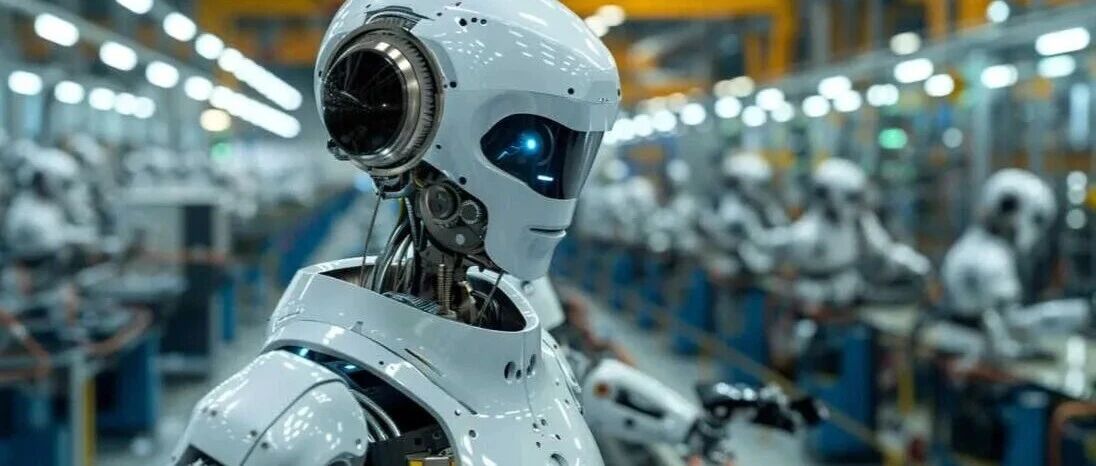
《政府工作报告》权威解读!75次提“改革”“创新”,“加、减、乘、除”扩大内需
券商中国· 2026-03-05 10:23
Core Viewpoint - The government work report emphasizes a pragmatic economic growth target of 4.5% to 5% for 2026, balancing development needs with realistic possibilities, and highlights the importance of reform and innovation as key themes [2][3]. Economic Growth Target - The economic growth target is framed as a dual statement: "economic growth of 4.5%—5% and striving for better results in practice," reflecting a balance between domestic economic operations and external environmental changes [3]. - This target allows for flexibility to address uncertainties and encourages local governments to set their growth targets accordingly, focusing on high-quality development [3]. Macroeconomic Policy - The report calls for a more proactive macroeconomic policy, maintaining a similar fiscal and monetary policy stance as the previous year [4]. - The need for policy adjustment arises from significant external uncertainties and a persistent domestic demand shortfall, necessitating stronger macroeconomic interventions [5][6]. Fiscal and Monetary Policy - The fiscal deficit rate remains around 4%, with an increase in the deficit scale by 230 billion yuan, and total new government debt reaching 11.89 trillion yuan, marking a historical high [7]. - General public budget expenditure is set to reach 30 trillion yuan for the first time, reflecting a more aggressive fiscal policy [7]. - Monetary policy will continue to be moderately loose, emphasizing the use of various tools to maintain liquidity and reduce financing costs for enterprises [7]. Expanding Domestic Demand - The report prioritizes expanding domestic demand, with a focus on stimulating consumer spending through a combination of strategies termed "add, subtract, multiply, and divide" [9][10]. - Measures include increasing residents' income, enhancing social security, and supporting consumption in key sectors like automotive and electronics [9][10]. Artificial Intelligence Development - The report introduces the goal of creating a new form of intelligent economy, leveraging advancements in artificial intelligence to reshape business models and enhance productivity across various sectors [11][12]. - Emphasis is placed on expanding the application of AI, fostering open-source development, and strengthening the foundational infrastructure for AI technologies [12][13].

解码广东新春第一会:含“科”量拉满,两业协同“新”在何处
Nan Fang Du Shi Bao· 2026-02-24 13:47
Core Viewpoint - The Guangdong Provincial High-Quality Development Conference emphasizes the importance of "coordinated development of manufacturing and service industries" as a key strategy to embrace technological advancements and secure future growth [1][2]. Group 1: Technological Integration - The rapid evolution of artificial intelligence and other frontier technologies is breaking down traditional boundaries between manufacturing and service sectors, leading to a transformative "chemical reaction" driven by digital technologies [1][2]. - The conference highlighted the urgent need for new technologies to enhance the synergy between manufacturing and services, which is essential for maintaining a competitive edge in the global market [2]. - Examples of successful integration include Huawei's hardware and software solutions for smart vehicles and SHEIN's flexible supply chain model, showcasing the practical applications of this transformation [2]. Group 2: Policy and Ecosystem - Guangdong's approach to "coordinated development" reflects a strategic commitment to elevate the service sector to a position equal to manufacturing, indicating a deeper understanding of industrial development dynamics [1][3]. - The province is leveraging a robust talent ecosystem and innovative practices to foster rapid growth among leading enterprises in niche markets [3]. - The establishment of a supportive regulatory environment, such as "regulatory sandboxes," is crucial for breaking down institutional barriers and facilitating innovation [3]. Group 3: Corporate Performance and Investment - Major companies showcased their achievements at the conference, illustrating the robust technological ecosystem formed by foundational computing power, intelligent terminals, and flexible platforms [4][6]. - Huawei reported a sales revenue exceeding 880 billion yuan for 2025, with significant advancements in its AI ecosystem, including over 40 million devices running HarmonyOS and numerous applications and solutions [6]. - SHEIN plans to invest over 10 billion yuan in building a smart supply chain headquarters, aiming to enhance the benefits of cross-border e-commerce for small and medium-sized factories [6]. Group 4: Future Opportunities - The conference's white paper on "Coordinated Development of Manufacturing and Service Industries" indicates that new information technologies are deeply penetrating the entire industrial chain, leading to the emergence of smart factories and flexible supply chains [7][11]. - The integration of AI and big data with the real economy is expected to create new business models, enhancing efficiency and responsiveness [11]. - Coordinated development will enable precise supply-demand matching, allowing companies to better respond to consumer trends and create new demands, thereby facilitating domestic economic circulation [11].