
本币互换

Search documents
本币互换对我国经济有何作用
Xin Hua Wang· 2025-10-12 23:38
Core Viewpoint - The People's Bank of China (PBOC) has signed bilateral currency swap agreements with 32 countries and regions, enhancing international monetary cooperation and promoting economic development through increased liquidity and trade facilitation [1][3]. Group 1: Currency Swap Agreements - The PBOC has renewed bilateral currency swap agreements with the European Central Bank, Swiss National Bank, Hungarian National Bank, and Bank of Thailand in 2023, among others [1]. - As of September 30, 2023, the total scale of currency swap agreements reached approximately 4.5 trillion RMB, providing stable RMB liquidity globally [3]. Group 2: Benefits of Currency Swaps - Currency swaps facilitate cross-border trade and investment, allowing businesses to settle transactions directly in their local currencies, thus avoiding the complexities and costs associated with converting currencies through the US dollar [2][4]. - For example, the renewed currency swap agreement between China and Brazil, which started in 2013 with a scale of 190 billion RMB, has strengthened trade relations, making China Brazil's largest trading partner for 15 consecutive years [4]. Group 3: Impact on Enterprises - Companies engaged in international trade can apply for local currency funding under the swap agreements, enabling them to quote and settle transactions in RMB or the counterpart's currency, thus stabilizing costs and profits [5]. - This mechanism allows for more precise pricing and long-term planning, enhancing competitiveness in international markets [5]. Group 4: Implications for RMB Internationalization - The expansion of currency swap agreements indicates a growing willingness among countries to hold and use RMB, reflecting an increase in the international recognition of the currency [6]. - Currency swaps have become a crucial part of the global financial safety net, enhancing financial autonomy and stability for participating countries [7].
中国人民银行已与三十二个国家和地区签署协议 本币互换对我国经济有何作用(政策解读·问答)
Ren Min Ri Bao· 2025-10-12 21:57
Core Viewpoint - The People's Bank of China (PBOC) has been actively deepening foreign currency financial cooperation by signing bilateral currency swap agreements with various central banks, enhancing the international use of the Renminbi and promoting economic stability [1][3]. Group 1: Currency Swap Agreements - In 2023, the PBOC has signed or renewed bilateral currency swap agreements with eight foreign central banks, including the European Central Bank and the Bank of Thailand [1]. - As of September 30, 2023, the PBOC has established effective bilateral currency swap agreements with 32 countries and regions, covering major economies across Asia, Europe, Africa, the Americas, and Oceania [3]. Group 2: Benefits of Currency Swaps - Currency swaps facilitate cross-border trade and investment, significantly promoting international economic development [4]. - For instance, the renewed currency swap agreement between China and Brazil, which began in 2013 with a scale of 190 billion RMB, has strengthened trade relations and market confidence, maintaining Brazil as China's largest trading partner in Latin America [4]. Group 3: Impact on Enterprises - Companies engaged in overseas operations can apply for local currency funding under the swap agreements, allowing them to quote and settle transactions in Renminbi or the local currency, thus stabilizing costs and profits against USD exchange rate fluctuations [5]. - This mechanism enables enterprises to achieve more precise pricing and enhances their competitiveness in international markets [5]. Group 4: Implications for the Renminbi - The expanding scale and scope of currency swaps indicate a growing willingness among countries to hold and use the Renminbi, reflecting an increase in its international recognition [6]. - Currency swaps have become a crucial part of the global financial safety net, enhancing financial autonomy and stability for participating countries [6].
阿根廷恢复谷物等农产品出口预扣税
Xin Hua She· 2025-09-25 10:39
Group 1 - Argentina's tax and customs authority announced the restoration of export withholding taxes on agricultural products, citing that export revenue had reached the $7 billion target, thus no longer requiring stimulation of overseas sales [1] - The Argentine government had temporarily lifted export withholding taxes on soybeans, corn, wheat, and other agricultural products to boost exports and stabilize the local currency, with the measure initially set to last until October 31 [1] - The recent political landscape in Argentina, particularly the loss of the ruling coalition in provincial elections, has led to market volatility, with analysts suggesting that the temporary tax removal aimed to alleviate foreign exchange pressures before upcoming midterm elections [1] Group 2 - The U.S. Treasury is in discussions with Argentina regarding a potential $20 billion currency swap and plans to provide "backstop credit" through a "foreign exchange stabilization fund" [2] - Concerns have been raised regarding the U.S. government's intentions, with some analysts suggesting that the move may be aimed at bolstering the political standing of President Milei in Argentina [2] - Despite some short-term successes in increasing foreign reserves and curbing inflation, President Milei's austerity measures have led to persistent high prices and rising living costs, resulting in public protests [2]

巴铁这是要“脚踏三条船”?铜矿给了加拿大,天然气卖给美国,转头却跟中国续签300亿互换!
Sou Hu Cai Jing· 2025-08-28 03:51
Core Viewpoint - Pakistan is engaging in a multi-faceted diplomatic strategy, balancing relationships with Canada, the U.S., and China amid economic difficulties and external pressures [3][4]. Economic Situation - Pakistan's external debt has reached 74.94 trillion rupees, with a GDP growth rate of only 2.68%, indicating severe economic distress [3]. - The country is under pressure from regional instability, particularly from India and Afghanistan, prompting it to seek immediate financial partnerships [3]. Recent Agreements - Pakistan has signed a deal with Barrick Gold of Canada for the Reko Diq copper-gold mine, valued at $4 billion, highlighting its need for quick capital [3]. - A significant energy agreement with ExxonMobil from the U.S. involves the exploration of 28 billion cubic meters of natural gas, which is expected to provide foreign exchange, tax revenue, and job creation [3]. Diplomatic Balancing Act - Despite recent agreements with Canada and the U.S., Pakistan is simultaneously reinforcing its ties with China, evidenced by a shipping cooperation project and a 300 billion yuan currency swap agreement [4][5]. - The military cooperation with China remains a priority, especially after recent military successes against India using Chinese-made aircraft [4]. Long-term Strategic Cooperation - Pakistan's approach reflects a complex "tightrope diplomacy," aiming to maintain economic corridors with China while also seeking financial support from the West [5]. - The focus should be on long-term strategic partnerships rather than short-term financial deals, emphasizing the importance of ongoing projects like the ML-1 railway and Gwadar port [5][6].

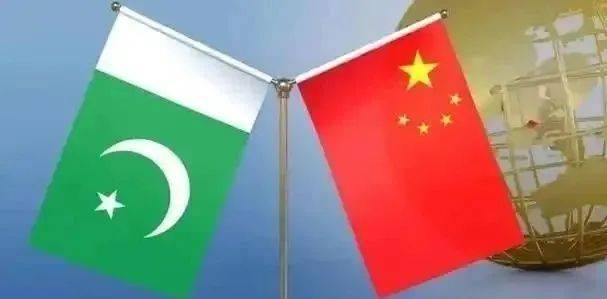
印度大军虎视眈眈,巴铁向中国借钱,开口就是100亿,能借吗?
Sou Hu Cai Jing· 2025-05-05 07:37
Core Viewpoint - Pakistan has requested China to increase its currency swap line by 10 billion RMB, raising questions in the context of the ongoing India-Pakistan conflict [1][3]. Group 1: Currency Swap Agreement - Pakistan's current currency swap line with China is 30 billion RMB, and the request aims to increase it to 40 billion RMB [3]. - Currency swap agreements allow central banks to exchange currencies directly, facilitating trade settlements and liquidity needs without relying on third-party currencies like the US dollar [3]. - The increase in the currency swap line would enable Pakistan to print 10 billion RMB worth of its currency and exchange it with China [5]. Group 2: Panda Bonds - Pakistan is also making progress in issuing its first Panda bonds, which are RMB-denominated bonds issued by foreign entities in China's domestic bond market [3]. - The issuance of Panda bonds is part of Pakistan's strategy to diversify its loan sources [3]. Group 3: Economic Context and Concerns - The ongoing conflict between India and Pakistan has escalated, increasing Pakistan's need for financial support [7]. - There are concerns regarding Pakistan's internal political instability, which may affect the repayment of any loans provided [7]. - The need for Pakistan to pursue internal reforms and self-sustaining economic growth is emphasized, rather than relying solely on external financial assistance from China [5][7].
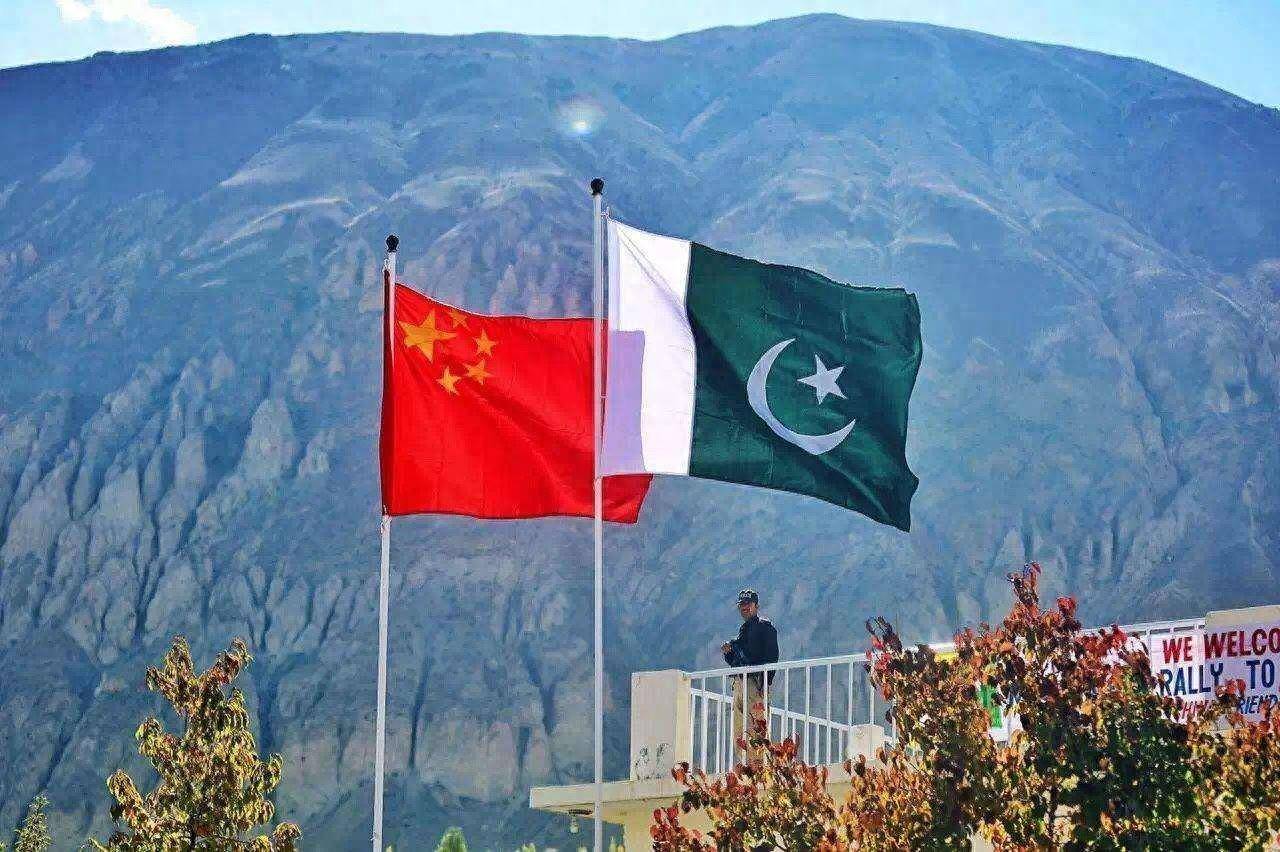
巴基斯坦财长:希望中国将本币互换额度增加100亿元人民币
Sou Hu Cai Jing· 2025-05-01 07:19
Core Viewpoint - Pakistan has requested China to increase its currency swap agreement by an additional 10 billion RMB, indicating a growing trade relationship and a strategic alignment amid rising tensions with India [1][3]. Group 1: Currency Swap Agreement - Pakistan's current currency swap agreement with China stands at 30 billion RMB, and the request for an increase to 40 billion RMB reflects the expanding trade needs between the two nations [1][3]. - The currency swap allows both countries to conduct cross-border transactions using each other's currencies, eliminating the need for a third-party currency [4]. Group 2: Strategic Implications - The request for increased currency support is seen as a signal of Pakistan seeking a reliable ally, with China being the most suitable option due to their longstanding friendship and China's strong economic resilience [6]. - China's support for Pakistan's anti-terrorism efforts and its commitment to Pakistan's sovereignty and security interests were reaffirmed during a recent communication between the foreign ministers of both countries [6][8]. Group 3: Regional Tensions - The backdrop of the request is the escalating tensions between India and Pakistan, with Pakistan's actions indicating a desire to secure a strong ally before any potential conflict [6]. - China's stance is to promote restraint and de-escalation in the region, positioning itself as a stabilizing force amid the ongoing crisis [8].
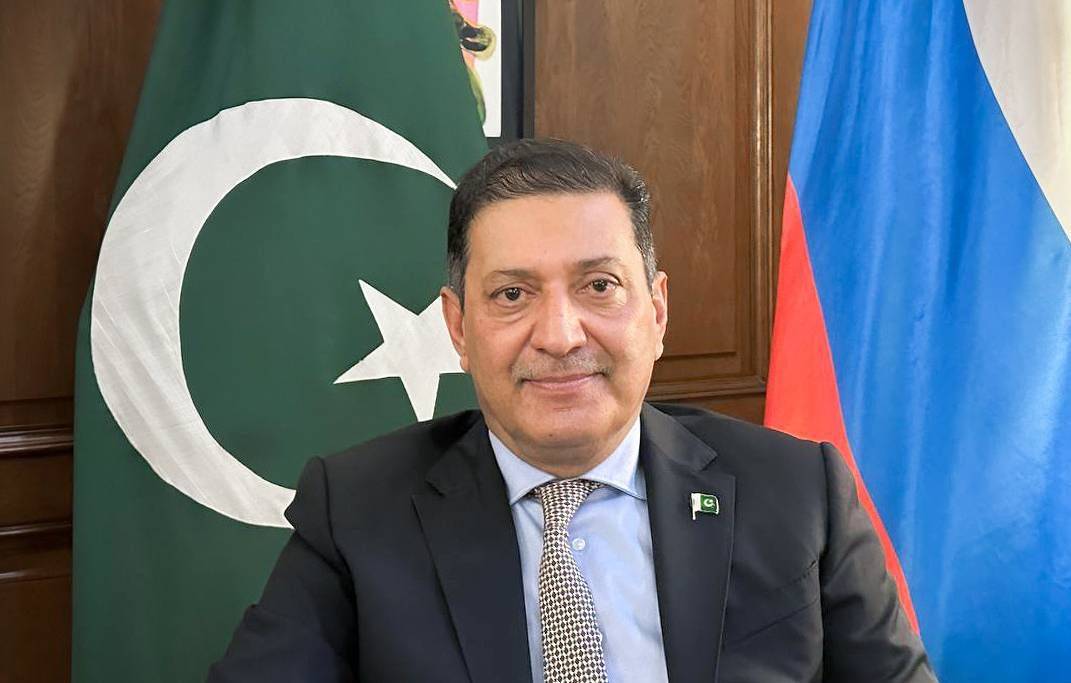
团结全球南方,倡导多边主义,世界经济关键时刻金砖国家外长齐聚巴西
Huan Qiu Shi Bao· 2025-04-28 22:50
Group 1 - The BRICS Foreign Ministers' meeting is taking place in Rio de Janeiro, Brazil, on the 28th and 29th, focusing on a unified stance against aggressive U.S. trade policies [1][2] - The meeting aims to prepare for the 17th BRICS Leaders' Summit scheduled for July 6-7, discussing key issues such as the Russia-Ukraine conflict, the Israel-Palestine conflict, climate change, artificial intelligence, and currency swaps [1][2] - The inclusion criteria for new BRICS members will be a significant topic of discussion, emphasizing the need for good diplomatic relations and UN membership [1] Group 2 - The meeting will also feature a session on the role of the Global South in strengthening multilateralism, with Malaysia's Foreign Minister emphasizing ASEAN's cooperation with BRICS [2] - The backdrop of the meeting includes the U.S. imposing tariffs on multiple trade partners, prompting BRICS ministers to discuss responses to these aggressive trade policies [2] - BRICS countries represent nearly half of the global population and over 30% of global GDP, highlighting their significant economic influence [2] Group 3 - The focus on strengthening multilateral institutions is seen as essential for establishing a more balanced world order amid a fragmented international landscape [3] - The meetings are expected to provide stability and a unified voice for BRICS nations in response to the uncertainties in global trade and politics [3] - The Chinese Foreign Minister's participation in both the BRICS Foreign Ministers' meeting and the 15th BRICS Senior Security Officials meeting underscores the importance of these discussions in the current geopolitical context [3]