多边外交

Search documents
埃及:在变局中重塑发展韧性
Xin Lang Cai Jing· 2026-01-02 18:29
Economic Recovery - In 2025, Egypt's economy showed strong recovery with GDP growth expected to reach 4.4% to 4.5%, surpassing the government's target of 4.2% and significantly up from 2.4% in the previous fiscal year [2][3] - Key factors for this recovery include activation of the market through public investment directed towards the private sector, acceleration of state-owned enterprise privatization, and a shift towards high-value non-oil manufacturing sectors [3] - The tourism sector experienced historic growth, contributing significantly to foreign exchange earnings and overall economic recovery [3] External Financing and Investment - Egypt attracted approximately $9 billion in foreign direct investment in 2025, with substantial inflows from Gulf countries, China, and Europe [3] - The unification of the exchange rate boosted remittance inflows, with record monthly capital repatriation [3] - International credit rating agencies, such as S&P, upgraded Egypt's sovereign credit rating, enhancing investor confidence and alleviating foreign exchange pressures [3] Macroeconomic Policies - Egypt's inflation rate decreased to around 12% from previous highs, allowing the central bank to cautiously initiate a rate-cutting cycle, significantly reducing financing costs for the real economy [3] - The Ministry of Finance achieved a primary fiscal surplus of 3.5% through enhanced fiscal oversight, gradual tax base expansion, and energy subsidy reforms, further alleviating debt burdens [3] Regional Stability and Diplomacy - Egypt played a crucial role in regional stability amidst global turmoil, actively engaging in international cooperation and conflict resolution [5] - The country hosted the Sharm El-Sheikh summit to foster consensus on the "two-state solution" and humanitarian efforts in the Israeli-Palestinian conflict [5] - Egypt's diplomatic efforts in Sudan and Libya aimed at fostering dialogue and reconciliation, enhancing its role as a stabilizing force in the region [5] Cultural Soft Power - The Grand Egyptian Museum opened in November 2025, housing over 100,000 artifacts and showcasing Egypt's historical legacy, reflecting the government's commitment to cultural preservation [7] - The return of stolen artifacts from various countries, including a 3,500-year-old sculpture from the Netherlands, underscores Egypt's efforts to reclaim its cultural heritage [7] - Khaled El-Enany's election as UNESCO Director-General marks a significant achievement for Egypt in cultural diplomacy, enhancing its influence in global cultural governance [8]
习近平就朝鲜劳动党成立80周年向金正恩致贺电,中朝高规格互动加强战略沟通
Huan Qiu Shi Bao· 2025-10-10 22:55
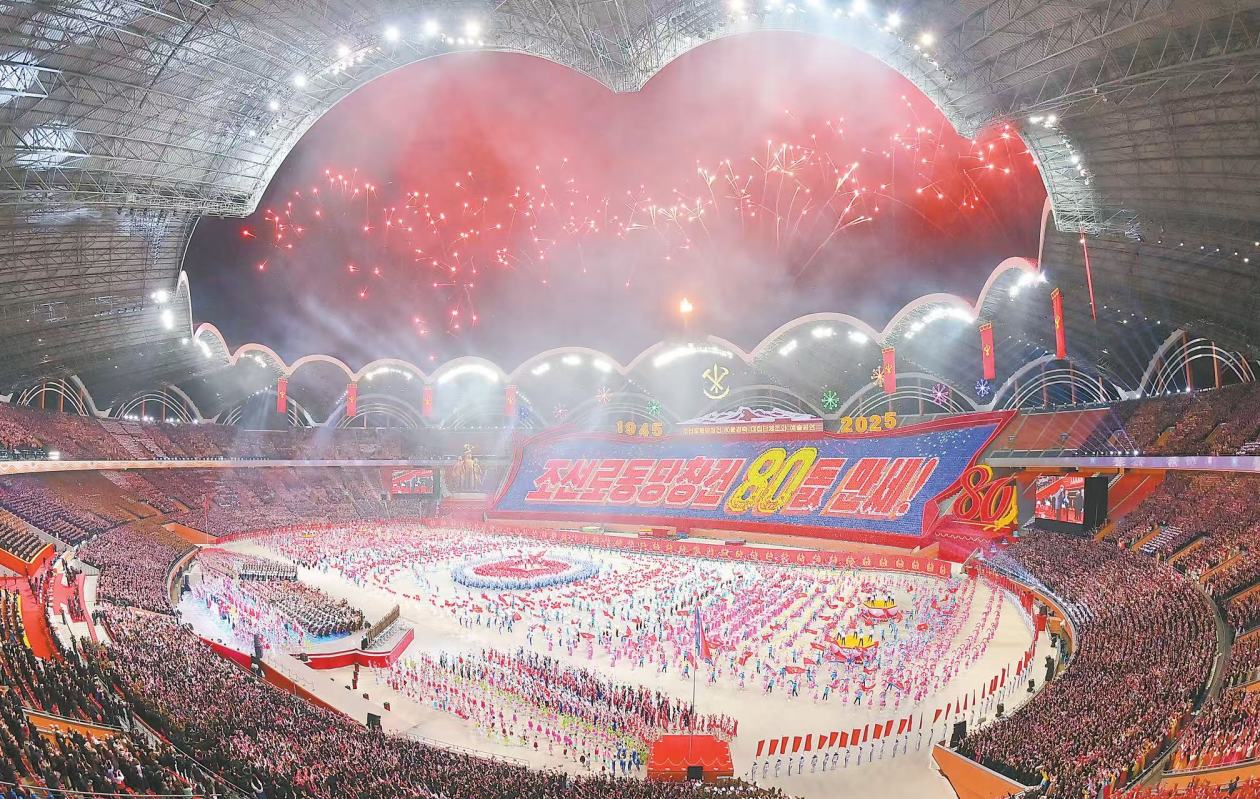
Core Points - Xi Jinping congratulated Kim Jong-un on the 80th anniversary of the Workers' Party of Korea, emphasizing the achievements of the party and the importance of China-North Korea relations [3][4] - The celebration of the 80th anniversary attracted international attention, with high-level delegations from multiple countries, including China, attending the events in Pyongyang [1][5] - North Korea showcased its military capabilities during the anniversary celebrations, including a significant military parade featuring new weapons [6][7] Group 1: Diplomatic Relations - Xi Jinping's message highlighted the strong ties between China and North Korea, stating that maintaining and developing these relations is a consistent policy of the Chinese government [3][4] - The visit of Chinese Premier Li Qiang to North Korea marked the first official visit by a Chinese premier in 16 years, indicating a high level of diplomatic engagement [4][7] - North Korea is actively seeking to expand its diplomatic relations with ASEAN countries and other nations, as evidenced by Kim Jong-un's meetings with leaders from Vietnam and Laos [7][8] Group 2: Military Developments - The military parade held in Pyongyang featured thousands of soldiers and showcased new missile technology, including the "Mars-20" intercontinental ballistic missile [6][7] - North Korea's emphasis on military strength during the anniversary celebrations reflects its ongoing strategy to assert its sovereignty amid external pressures [5][6] - The recent military exhibitions and parades are part of North Korea's efforts to enhance its international standing and demonstrate its capabilities [6][8]

不想步入石破茂后尘,李在明派心腹访华,外长赵显刚向我国摊牌,韩国就向美国人示好
Sou Hu Cai Jing· 2025-09-22 03:01
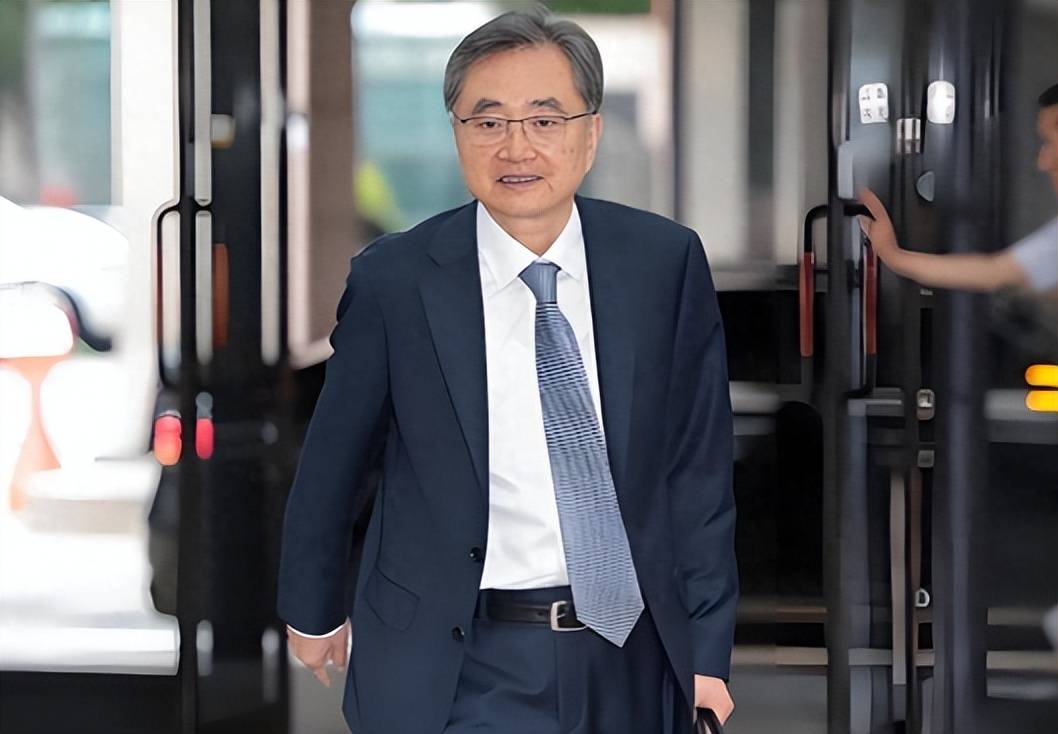
Group 1 - South Korea's President Lee Jae-myung faces a challenging balance between diplomacy and economy, as the U.S. offers a deal involving a $350 billion investment in exchange for reducing tariffs on South Korean products from 25% to 15% [1] - The negotiation centers on the exchange of investment and tariffs, with the U.S. also requiring South Korea to purchase an additional $100 billion of U.S. liquefied natural gas, which is perceived as a political protection fee rather than a purely commercial transaction [1][5] - The South Korean government emphasizes that it will not sacrifice the nation's economic sovereignty for a quick agreement, highlighting the contrasting negotiation styles of U.S. President Trump and President Lee [2] Group 2 - South Korea's unique economic structure makes it difficult to adopt Japan's investment model as suggested by the U.S., leading to significant differences in the investment proposals [3] - The South Korean government is creatively proposing an unlimited bilateral currency swap to meet U.S. demands while protecting its monetary sovereignty, showcasing its negotiation skills [3] - Some investments are expected to flow into the U.S. shipbuilding industry, but experts warn that mere capital injection may not revitalize the sector due to various underlying issues [5] Group 3 - The current U.S.-South Korea relationship is undergoing a structural adjustment, with President Lee's firm stance against detrimental deals and the diplomatic visit to China indicating a pursuit of multilateral balance [7] - The evolving rules of the U.S.-South Korea alliance suggest that short-term benefit exchanges are no longer the sole consideration, as Lee aims for greater strategic autonomy and security space for South Korea [7] - The diplomatic actions taken by South Korea signal a commitment to cooperation with China while maintaining a strong position with the U.S., reflecting a nuanced approach in the complex geopolitical landscape [7]
第五次主办上合峰会!七年来中国与上合成员国经贸额翻倍
2 1 Shi Ji Jing Ji Bao Dao· 2025-08-28 11:36
Group 1 - The 2025 Shanghai Cooperation Organization (SCO) Summit will be held in Tianjin, China, marking the largest summit since the organization's establishment, with over 20 foreign leaders and 10 international organization heads attending [1][2] - The summit aims to summarize the SCO's successful experiences, outline future development strategies, and strengthen cooperation among member states [1][2] - The SCO has expanded from 6 founding members to 10, now covering 26 countries across Asia, Europe, and Africa, making it the largest regional cooperation organization in terms of area and population [1][2][6] Group 2 - The summit is expected to provide a platform for addressing global challenges such as unilateralism and geopolitical tensions, offering stability and certainty for regional and global development [2][3] - Economic cooperation has been a significant driver of SCO's development, with member countries accounting for about half of the world's population and a quarter of the global economy [5][6] - The SCO has made substantial progress in economic cooperation, including the establishment of a banking union and various development funds, enhancing trade facilitation and infrastructure connectivity [6][7] Group 3 - China has played a pioneering role in promoting cooperation among SCO member states, establishing various cooperation centers and initiatives in areas like agriculture, technology, and big data [7][8] - The summit may further highlight China's constructive role in multilateral diplomacy, focusing on security, development, and global governance [8] - The SCO's appeal lies in its emphasis on mutual benefit and non-interference, providing an inclusive platform for developing countries amid increasing geopolitical uncertainties [3][4]
巴铁这是要“脚踏三条船”?铜矿给了加拿大,天然气卖给美国,转头却跟中国续签300亿互换!
Sou Hu Cai Jing· 2025-08-28 03:51
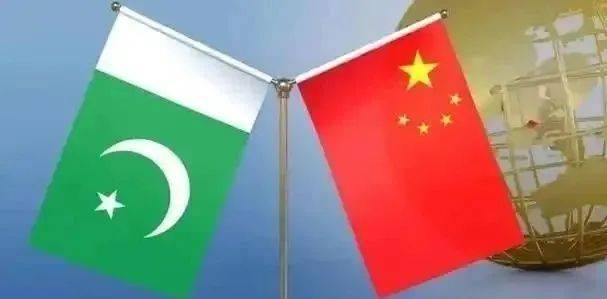
Core Viewpoint - Pakistan is engaging in a multi-faceted diplomatic strategy, balancing relationships with Canada, the U.S., and China amid economic difficulties and external pressures [3][4]. Economic Situation - Pakistan's external debt has reached 74.94 trillion rupees, with a GDP growth rate of only 2.68%, indicating severe economic distress [3]. - The country is under pressure from regional instability, particularly from India and Afghanistan, prompting it to seek immediate financial partnerships [3]. Recent Agreements - Pakistan has signed a deal with Barrick Gold of Canada for the Reko Diq copper-gold mine, valued at $4 billion, highlighting its need for quick capital [3]. - A significant energy agreement with ExxonMobil from the U.S. involves the exploration of 28 billion cubic meters of natural gas, which is expected to provide foreign exchange, tax revenue, and job creation [3]. Diplomatic Balancing Act - Despite recent agreements with Canada and the U.S., Pakistan is simultaneously reinforcing its ties with China, evidenced by a shipping cooperation project and a 300 billion yuan currency swap agreement [4][5]. - The military cooperation with China remains a priority, especially after recent military successes against India using Chinese-made aircraft [4]. Long-term Strategic Cooperation - Pakistan's approach reflects a complex "tightrope diplomacy," aiming to maintain economic corridors with China while also seeking financial support from the West [5]. - The focus should be on long-term strategic partnerships rather than short-term financial deals, emphasizing the importance of ongoing projects like the ML-1 railway and Gwadar port [5][6].
莫迪天变了,美财长:若美俄和谈失败,美国将对印加征200%关税
Sou Hu Cai Jing· 2025-08-17 07:05
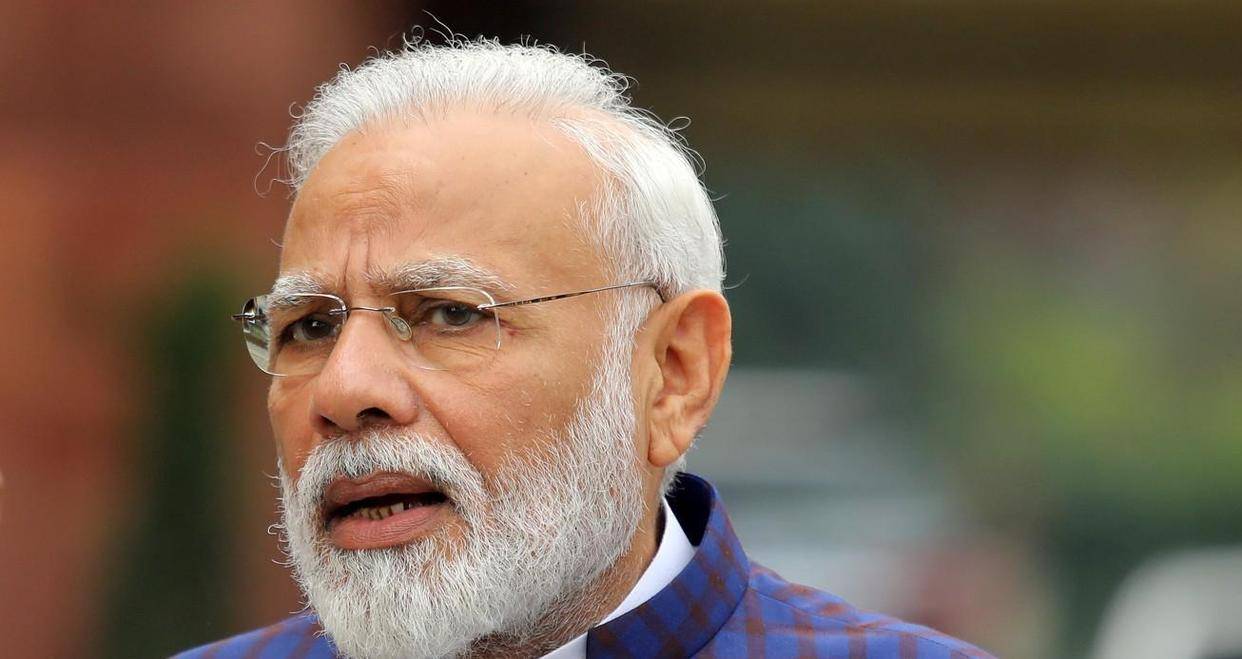
Group 1 - The upcoming US-Russia summit in Alaska on August 15 is critical for India's economic future, with potential tariffs reaching up to 200% if negotiations fail [1][11] - The US has increased tariffs on Indian goods, raising them from 25% to 50%, particularly targeting India's continued purchase of Russian oil [3][11] - Indian exporters, especially in textiles, jewelry, and agriculture, are facing severe order reductions, with a potential loss of $40 billion, equivalent to 1% of India's GDP, if US orders decrease by half [5][11] Group 2 - Public sentiment in India is turning against US brands, with calls to boycott American goods and incidents of vandalism against companies like McDonald's and Coca-Cola [6] - The Indian government is responding with significant measures, including freezing a $3.6 billion Boeing contract and exploring oil transactions in yuan to challenge the dominance of the US dollar [6][8] - The diamond industry in India, which supplies 80% of the US's diamond polishing, is particularly vulnerable, with a 40% drop in orders following the tariff increase [6] Group 3 - India is reconsidering its diplomatic stance, with Prime Minister Modi planning to attend the Shanghai Cooperation Organization summit in China, signaling a shift in alliances [8] - Russia is poised to benefit from the situation, as it seeks to strengthen ties with both India and China, opening up opportunities in oil, weapons, and infrastructure [10] - The pressure on India is mounting, as the US threatens further tariffs, which could devastate key sectors like textiles and jewelry, accounting for $87 billion in exports to the US [11][13]