构网型储能

Search documents
储能行家极光奖11大奖项名单公布
行家说储能· 2026-01-08 13:35
Core Viewpoint - In 2026, the Chinese energy storage industry is approaching a historic turning point, following a year of intense competition in 2025 characterized by rapid product technology iterations, evolving brand landscapes, and comprehensive safety standard upgrades [1] Group 1: Awards and Rankings - The "Aurora Awards" committee announced 11 award categories at the "2026 Energy Storage Innovation Summit" [3] - The annual top ten rankings are based on actual shipment volumes, integrating product performance metrics, market share, and customer reputation to identify leading companies in various segments [5] - The rankings include categories for "Top Ten Energy Storage Cell Shipments," "Top Ten User-Side Energy Storage System Integrators," and "Top Ten New Energy Storage System Integrators," aimed at recognizing industry leaders [5] Group 2: Specific Award Categories - The "Top Ten New Energy Storage System Integrators" focuses on companies that excel in system efficiency, intelligence, and project quality, driving high-quality industry development [7] - The "Top Ten User-Side Energy Storage System Integrators" evaluates companies based on adaptability, economic viability, and operational capabilities, emphasizing the commercial value of user-side storage [10] - The "Top Ten Energy Storage Cell Shipments" recognizes companies that establish industry benchmarks through large-scale production and technological advancements [13] Group 3: Influence and Innovation Awards - The "Influential New Energy Storage Enterprise Award" assesses companies based on technical strength, brand influence, operational capabilities, market share, safety standards, and digitalization levels [16] - The "Best Comprehensive Energy Operator" award evaluates companies on resource integration, project operation efficiency, and service quality, promoting high-value upgrades in the energy service market [23] - The "Growth Value Enterprise Award" focuses on companies' innovation potential and growth space, assessing revenue growth, market expansion, and technology conversion efficiency [25] Group 4: Safety and Product Awards - The "Energy Storage Industry Safety Pioneer Award" highlights companies that excel in key technology research, product stability, and safety applications in large-scale projects [27] - The "Influential Product Award" aims to showcase the technological ecosystem in the energy storage field, featuring sub-awards for "Innovative Product Award" and "Outstanding Product Award" [30] - The "Innovative Product Award" recognizes products that meet evolving industry needs through technological breakthroughs or differentiated solutions [31]

拆解华为储能帝国的隐秘版图|深度
24潮· 2026-01-07 23:06
Core Viewpoint - Huawei's entry into the energy storage sector has positioned it as a significant player, leveraging its ICT technology and extensive industry experience to reshape the market landscape and achieve global recognition [2][9][19]. Group 1: Huawei's Strategic Moves - In 2021, Huawei established a digital energy subsidiary with an investment of 3 billion yuan, marking a significant commitment to the digital energy sector [4]. - Huawei's organizational restructuring included the formation of various "legion" teams targeting emerging markets, emphasizing the importance of the digital energy segment as a business engine [5]. - The digital energy business has become Huawei's third-largest revenue source, contributing 8% to the total revenue of 862.1 billion yuan in 2024 [5]. Group 2: Market Position and Achievements - Huawei has become a dominant player in the photovoltaic inverter market, achieving the top position globally in 2015 and maintaining a strong presence since then [6][19]. - In the energy storage sector, Huawei ranked as the fifth-largest company globally by shipment volume in the first three quarters of 2025, with a year-on-year growth of 84.7% [10]. - Huawei's significant project in Saudi Arabia, the 1,300 MWh energy storage project, is the largest off-grid storage project globally, showcasing its capabilities in large-scale energy solutions [9][10]. Group 3: Technological Innovations - Huawei's advancements in inverter technology, particularly the string inverter, have set industry standards, with a market share exceeding 50% in key projects [20]. - The company has introduced a grid-forming energy storage technology that enhances system stability and efficiency, positioning itself as a leader in the integration of AI and energy management systems [24][29]. - Huawei's focus on software and system integration, rather than manufacturing core components like battery cells, differentiates it from competitors and allows for a unique market approach [38]. Group 4: Global Expansion and Partnerships - Huawei has established strategic partnerships in various regions, including Europe and Southeast Asia, to enhance its market presence and adapt to local energy structures [36][37]. - The company has secured multiple international contracts, including a 132 MWh project in Denmark and a 12 MWh project in Cambodia, demonstrating its commitment to global expansion [31][32]. - Huawei's approach combines technology, localization, and collaboration with local contractors to efficiently penetrate new markets [36]. Group 5: Industry Challenges and Competitive Landscape - The energy storage industry is facing intense competition, with major players like Tesla and BYD rapidly advancing, posing challenges for Huawei [39]. - Supply chain dependencies, particularly regarding battery cells, present risks that could impact Huawei's operational reliability and cost management [40]. - Regulatory challenges and geopolitical tensions may affect Huawei's ability to compete in international markets, especially in light of restrictions imposed by the U.S. and other countries [41].
风电深海抢滩!中国50%全球占比背后,深远海开发三大挑战
Sou Hu Cai Jing· 2026-01-06 17:15
Core Insights - The Chinese renewable energy industry has shifted focus towards high-quality development, moving away from merely scaling up and installing capacity [2][3] - The global energy transition, driven by carbon neutrality goals and the construction of new power systems, is pushing the energy structure towards cleaner and lower carbon sources [3] Energy Storage - Energy storage has gained significant attention in 2026, with global new installations expected to reach 438 GWh, a 62% year-on-year increase, and China projected to contribute 250 GWh [6] - The market is now driving energy storage development, with profit opportunities arising from price differences in electricity markets [7] - Energy storage has transitioned from a cost item to a revenue-generating asset, aided by technological innovations such as improved lithium batteries and the potential of solid-state and hybrid batteries [9][10] - New demands from AI computing centers are creating a need for high-performance energy storage systems capable of rapid response and grid regulation [10][12] - Long-duration energy storage is becoming a hot topic, with various technologies being explored to store energy for days or weeks [12][13] Photovoltaics - The photovoltaic sector faces challenges with overcapacity leading to reduced profit margins despite increased installations [15] - Technological advancements are crucial for the industry's resilience, with TOPCon technology becoming mainstream and innovations in HJT and BC cells being explored [15][17] - The potential commercialization of perovskite solar cells could significantly alter the photovoltaic landscape, with ongoing developments in tandem technology [18][20] - Investment trends are shifting towards innovative technologies rather than just scaling up existing capacities [20] Wind Power - Offshore wind power has become a key focus, with China holding 50% of the global installed capacity [20] - The industry is experiencing a small peak in project construction due to improved policy environments, although challenges remain in terms of approval processes and costs [22] - Innovative pricing mechanisms are being introduced to encourage exploration of deeper offshore projects [22] - The integration of wind power with other industries, such as aquaculture and tourism, is being promoted to enhance revenue streams and risk resilience [24] Integration of Energy Sources - The synergy between wind, solar, and storage is essential for creating a stable and efficient energy system, moving beyond individual competition to a collaborative approach [25][27] - Future competition will focus on system design, integration capabilities, and overall service rather than just hardware manufacturing [27][28] - The renewable energy sector is transitioning from rapid expansion to high-quality development, indicating a maturation phase with both challenges and opportunities [28]
2025储能十大热点出炉,它们将如何定义2026?
行家说储能· 2025-12-31 11:14
Core Insights - The article emphasizes that the energy storage industry is transitioning from a policy-driven model to a market-driven one, focusing on safety, cost, and economic viability as key factors for new participants [3][4][30] - It outlines ten core hotspots impacting the energy storage industry in 2025, aiming to provide a roadmap for 2026 and beyond [2] Policy Changes - The "136 Document" released on February 9, 2025, abolishes mandatory energy storage requirements for new energy projects, marking a shift towards market-driven growth [3] - The new policy is expected to lead to a surge in installations and reshape the industry's long-term growth logic [3] Industry Goals and Investments - The "New Energy Storage Scale Construction Action Plan (2025-2027)" sets a target of over 180 million kilowatts of new energy storage capacity by 2027, with an estimated direct investment of approximately 250 billion yuan [4][6] - The average annual growth rate for installed capacity is projected at 37% from 2025 to 2027 [6] Market Dynamics - The introduction of time-of-use pricing adjustments is expected to shift revenue models for energy storage, moving away from fixed peak-valley arbitrage to diversified market revenue streams [7] - The U.S. "OBBBA" Act has created uncertainties in the U.S.-China energy storage market, potentially increasing costs for U.S. projects by 30%-50% due to supply chain restrictions [8] European Market Developments - A significant power outage in Spain has highlighted the need for energy storage solutions, prompting European countries to propose policies to enhance grid stability and storage capacity [11] - The EU has set a clear target of achieving 500-780 GWh of storage capacity by 2030, indicating a long-term market opportunity for companies with technological and cost advantages [11] Emerging Opportunities - The rise of Artificial Intelligence Data Centers (AIDC) is expected to create a new market for energy storage, with projected lithium battery shipments reaching over 250 GWh by 2030, a nearly 20-fold increase from 2025 [12][14] - The focus will shift from basic power reliability to providing high availability and efficiency solutions, with technology standards and ecosystem collaboration becoming critical [14] Technological Advancements - The competition in large battery cells is intensifying, with a shift towards two mainstream specifications (587Ah and 684Ah) [17][18] - The industry is experiencing a shortage of battery cells and power conversion systems (PCS), with production capacities being stretched due to high demand [22][23] Safety Standards - Safety has become a focal point in the energy storage industry, with many leading companies conducting large-scale "burn chamber tests" to establish safety as a competitive advantage [26][27] - The upcoming 2026 NFPA 855 standard will make such testing a mandatory requirement, potentially changing industry practices [27] Conclusion - The energy storage industry is poised for a significant transformation in 2026, moving from a focus on scale to one centered on value, as highlighted by the upcoming summit in Shenzhen [30]
超8GWh!3企构网型储能新进展
行家说储能· 2025-12-18 11:02
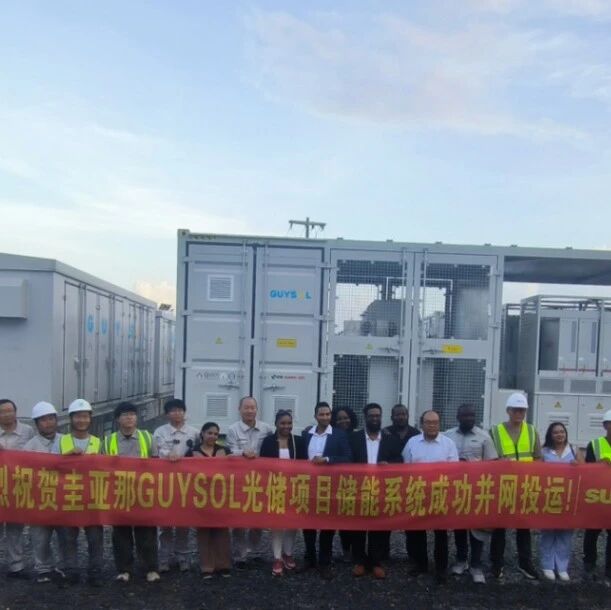
Core Insights - The article highlights significant advancements in grid-connected energy storage projects in China and abroad, showcasing the rapid development and deployment of innovative energy solutions [2][3][4][7]. Group 1: Project Developments - Sunshine Power's 7.8GWh energy storage project in Saudi Arabia has achieved full capacity grid connection, setting records for the fastest grid connection and the largest grid-connected storage project globally [3]. - XJ Electric has successfully launched a customized grid-connected energy storage system for the GUYSOL solar storage project in Guyana, featuring a capacity of 3.75MW/7.5MWh [4][6]. - The Guangdong New Energy Storage Innovation Center's Shunde pilot project has completed its grid connection, marking a significant milestone as China's first commercial-scale hybrid energy storage project with a capacity of 200MW/305MWh [7][9]. Group 2: Technical Innovations - The Sunshine Power project utilizes nearly 7.8 million battery cells and over 1,500 PowerTitan 2.0 liquid-cooled storage systems, demonstrating a highly automated manufacturing process that reduces production time to 58 days [3]. - The Shunde pilot project employs a hybrid technology route combining 50MW/5MWh supercapacitors and 150MW/300MWh lithium iron phosphate batteries, enhancing the complementary advantages of rapid response and sustained power supply [9].

7.8GWh!全球最大构网型储能项目全容量并网
中关村储能产业技术联盟· 2025-12-18 07:29
Core Viewpoint - The article highlights the successful integration of a 7.8 GWh energy storage project in Saudi Arabia, which sets multiple global records in terms of speed and scale, showcasing the capabilities of the company in delivering large-scale energy solutions [4]. Group 1: Project Delivery and Efficiency - The project achieved a remarkable delivery time of 58 days from order to shipment, facilitated by a digital factory and a highly automated manufacturing system with over 90% automation [5]. - The on-site commissioning was completed in just 40 days, utilizing over 1,500 sets of the company's PowerTitan 2.0 system, with pre-installation and pre-commissioning conducted before delivery [6]. - More than 200 top engineers were deployed on-site to ensure delivery, with a 24/7 response system in place to manage all aspects of the project [7]. Group 2: Technological Innovation - The project employs a multi-dimensional self-synchronization stable source algorithm and a collaborative AC/DC system to enhance grid stability, enabling GW-level black start capabilities and comprehensive frequency and voltage support [8]. Group 3: Industry Engagement - The company has confirmed participation in the 14th International Energy Storage Summit and Exhibition (ESIE 2026), which is positioned as a key event for the global energy storage industry [11][12]. Group 4: Financial Performance - The company reported a revenue of 22.869 billion with a net profit increase of 59.76% year-on-year in its third-quarter financial report [16]. - The company is also preparing for a Hong Kong stock listing, projecting a storage revenue of 17.803 billion for the first half of 2025, representing a year-on-year growth of 127.78% with a gross margin of 39.92% [16].

第一创业晨会纪要-20251217
First Capital Securities· 2025-12-17 04:22
Macro Economic Group - The U.S. non-farm payrolls increased by 64,000 in November, exceeding the expected increase of 50,000, while October saw a decrease of 105,000 [4] - The unemployment rate in November was 4.6%, higher than the expected 4.4%, marking a four-year high [4] - Average hourly wages in November rose by 3.5% year-on-year, slightly below the expected 3.6% [4] Industry Comprehensive Group - Apple plans to significantly expand its smartphone product line, potentially releasing at least seven new flagship models by fall 2027, including the first foldable iPhone expected in fall 2026 [9] - The investment in new energy sources is expected to maintain strong levels next year, with a focus on building smart grids and microgrids [9] - The investment opportunities in the power grid equipment industry are anticipated to grow due to increased investment in energy infrastructure [9] Advanced Manufacturing Group - The largest grid-type lithium-sodium hybrid energy storage station in China has been officially put into operation, with a total installed capacity of 400,000 kW and a green electricity ratio of 98% [12] - This energy storage system can respond to grid load fluctuations and changes in renewable energy output, marking a shift from optional to essential infrastructure for grid resilience [12] - The industry is expected to see improved profitability as the focus shifts from price competition to system service fees [12] Consumer Group - The light manufacturing sector is experiencing structural opportunities, with companies that have established overseas production capacity expected to perform well in 2025 [14] - The U.S. housing market is at a historical low, and the anticipated interest rate cuts are expected to boost housing demand, positively impacting home-related consumption [14] - The outdoor sports category is expected to benefit from the recovery of the real estate chain and consumer upgrade trends, providing growth support for related companies [14]
拒绝概念虚火,用“真构网”撑起新型电力系统
中关村储能产业技术联盟· 2025-12-16 09:42
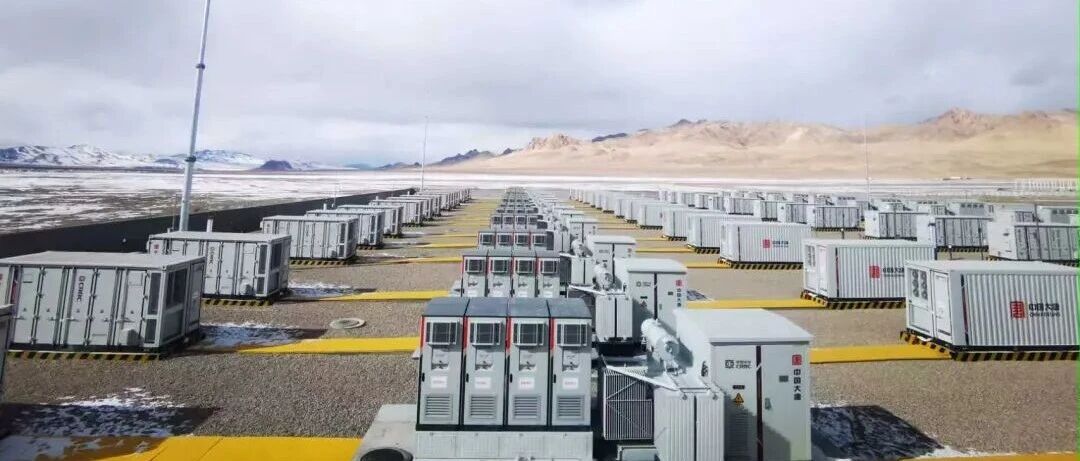
Core Viewpoint - The article discusses how Kehua Data's deep accumulation in the UPS field allows it to transition its pursuit of "stability" into the new energy landscape, particularly in the context of AI computing power and renewable energy challenges [2][25]. Group 1: Concept of Networked Energy Storage - "Networked energy storage" has become a buzzword in the industry, seen as a ticket to the new power system, but the standards remain unclear [5][6]. - The integration of renewable energy sources is causing unprecedented challenges in the power system, such as reduced system inertia and increased frequency risks [6]. - Kehua's energy storage systems can support voltage and frequency independently, akin to traditional generators, by utilizing virtual synchronous generator (VSG) technology [10][11]. Group 2: Technical Evaluation Criteria - The evaluation of networked energy storage technology is based on two core dimensions: "identity" and "capability" [8]. - "Identity" refers to whether the software algorithms classify the device as a voltage source or a current source, which is essential for true networked functionality [8]. - "Capability" assesses the hardware's support capacity and response speed, determining the performance level of the technology [9]. Group 3: Market Position and Achievements - Kehua has established itself as a leader in networked energy storage with over 3 GW of shipments and more than 400 microgrid systems implemented [12]. - Notable projects include the 300 MW/1200 MWh facility in Xinjiang, recognized as the largest grid-connected networked lithium iron phosphate energy storage station globally [12]. - The company has also successfully tackled challenges in extreme environments, such as the 60 MW/300 MWh project in Tibet, demonstrating stable operation at high altitudes and low temperatures [12]. Group 4: AI Data Center Solutions - The rise of AI data centers has led to significant energy consumption increases, necessitating innovative solutions to manage power fluctuations [14][15]. - Kehua proposes a "source strength ensures load stability" approach, emphasizing the importance of a robust power source to mitigate load fluctuations [15]. - The company has experience in high-voltage direct current (HVDC) solutions, positioning itself well for the future demands of data centers [17]. Group 5: Engineering Philosophy and Market Insights - The article highlights that there are no shortcuts in the energy storage sector; competitive advantages are built over time through early market entry and experience [18]. - Kehua's early adoption of solutions to common industry problems, such as the "heat island effect," showcases its commitment to practical engineering solutions [21][24]. - The company emphasizes the importance of learning from past challenges to avoid pitfalls that newer entrants may face in a rapidly evolving market [18][26].

科华数能:储能角色从“跟网”到“构网”升级,构网型储能出海提速
中国能源报· 2025-12-10 09:57
Core Viewpoint - The emergence of grid-forming energy storage technology is crucial for addressing the challenges posed by high penetration of renewable energy sources and the instability of power grids, characterized by high penetration ratios and low inertia [1][3]. Group 1: Grid-Forming Energy Storage Technology - Grid-forming energy storage provides essential support to the power grid by simulating synchronous generator characteristics, enabling active frequency and voltage regulation, and inertia support [3]. - Without grid-forming technology, renewable energy generation can only "passively follow" the grid, making reliable grid connection difficult; this technology allows renewable energy to actively support grid operations [3]. - Key capabilities of grid-forming energy storage systems include voltage and frequency support, fast frequency regulation, oscillation suppression, and adaptability to weak grids, with the ability to achieve black start in complete power outage scenarios [3][7]. Group 2: Market Opportunities and Policy Guidance - The rapid development of the energy storage industry is driven by policy and standards, with grid-forming capability becoming a prerequisite for energy storage stations [5]. - Various countries, including the UK, Germany, the US, Australia, and Chile, have introduced regulations regarding grid-forming capabilities, indicating a shift from "able to connect to the grid" to "able to support the grid" [5]. - The future of the new power system will involve collaboration between grid-forming and grid-following technologies, with grid-forming playing a critical role in key scenarios such as renewable energy bases and weak grids [5]. Group 3: Company Achievements and Global Presence - The company has achieved significant milestones in grid-forming energy storage technology, transitioning from laboratory research to GW-level engineering applications, and has developed the second generation of grid-forming PCS [7]. - The company’s grid-forming energy storage shipment has exceeded 3 GW, with successful demonstrations in various countries, including projects in Pakistan and Europe that operate stably under weak grid conditions [7]. - The company aims to continue technological innovation and integrate grid-forming energy storage technology with complex application scenarios to promote high-quality development in the energy storage industry [7].

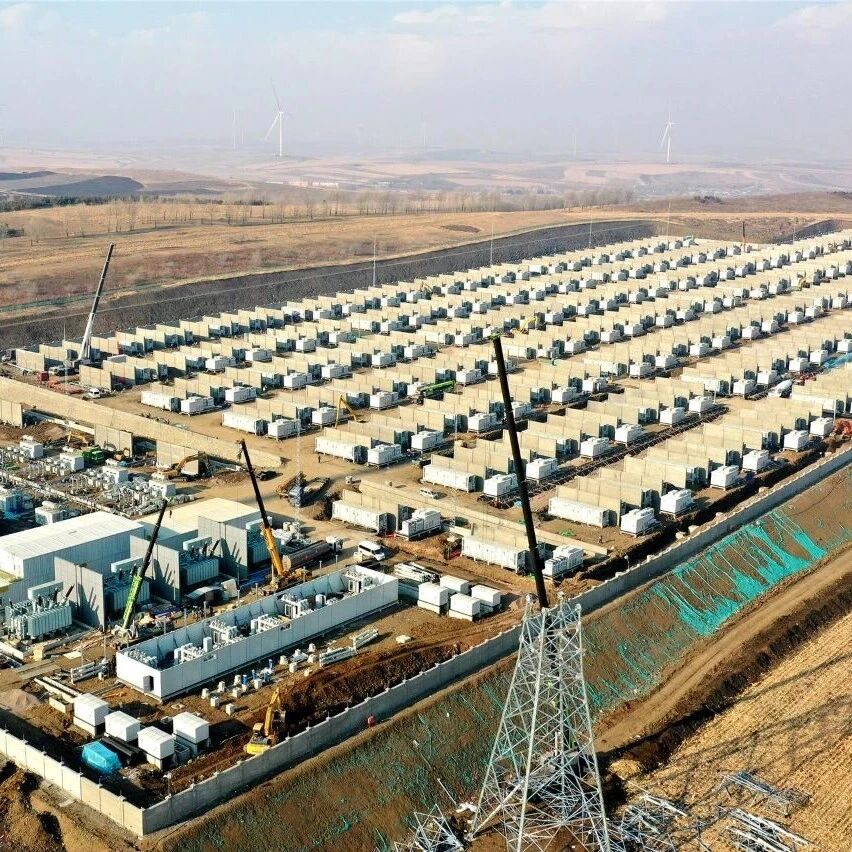
1GW/4GWh!内蒙古阿荣旗构网型储能项目正式投运
中关村储能产业技术联盟· 2025-12-09 10:43
Core Viewpoint - The article highlights the successful launch of the 1 million kW/4 million kWh grid-type energy storage project in Arongqi, Hohhot City, Inner Mongolia, which is expected to enhance renewable energy consumption and improve grid stability [1][4][6]. Group 1: Project Overview - The energy storage project officially commenced operations on December 6, with a total investment of 2.5 billion yuan [1]. - The project utilizes grid-type energy storage technology and lithium iron phosphate batteries, featuring a single storage unit capacity of 1.25 MW/5 MWh and a cycle life exceeding 6,000 times [1][6]. - A total of 800 battery units have been constructed to meet the energy storage demands [1]. Group 2: Technical Features - The project includes the implementation of black start technology, which provides the grid with self-healing capabilities, allowing it to restore operations after a complete failure [6]. - The system can instantaneously supply short-circuit current during grid faults, addressing challenges related to high proportions of renewable energy integration [6]. Group 3: Economic and Environmental Impact - The project is expected to increase the consumption rate of surrounding wind and solar energy by 6%, allowing for an additional 1.2 billion kWh of clean energy to be utilized annually [6]. - It aims to reduce the curtailment rates of renewable energy by approximately 6% and output green electricity of 1.032 billion kWh each year, leading to a reduction in coal consumption by about 300 million tons [6]. - The project will enhance the grid voltage qualification rate to over 99.9% and achieve a power supply reliability rate of 99.99%, supporting the low-carbon transition of the energy structure in the eastern Inner Mongolia region [6].