生态循环

Search documents
“变废为宝”鼓了百姓“钱袋子” 鲜活实践成撬动生态治理与经济发展“绿色杠杆”
Yang Shi Wang· 2025-08-03 08:40
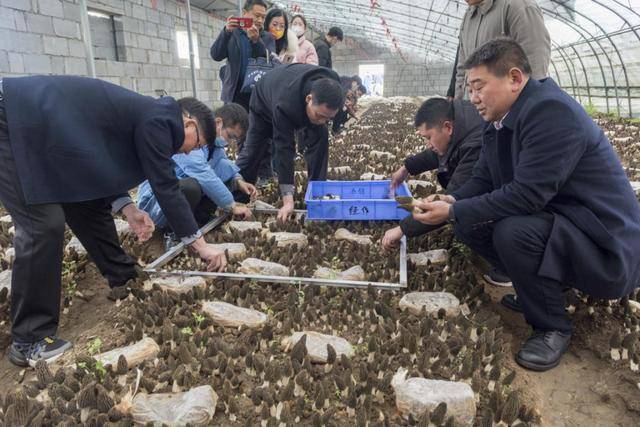
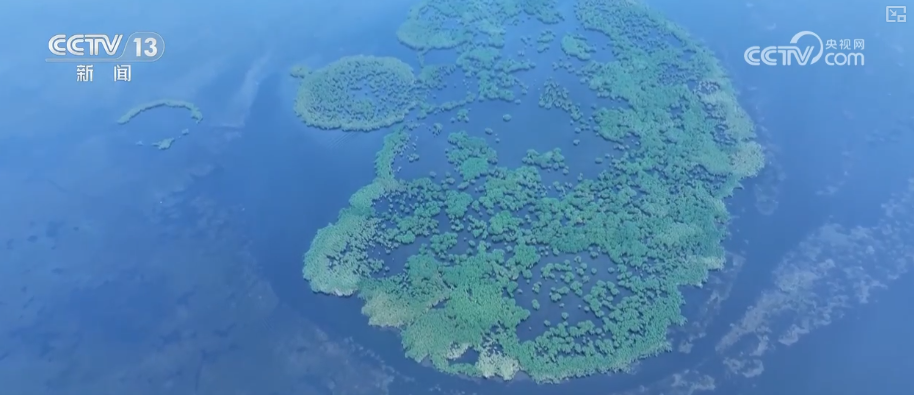
Group 1 - The core idea is the transformation of natural resources, specifically reeds in Wuliangsuhai, from being seen as a burden to becoming a valuable asset for ecological governance and economic development [1][3][5] - Wuliangsuhai, the largest freshwater lake in the Yellow River basin, plays a crucial ecological role by purifying water and providing habitats for birds, but unmanaged reeds can lead to fire hazards and water eutrophication [3][9] - Local initiatives have introduced sustainable practices by supporting companies that process harvested reeds into formaldehyde-free eco-friendly boards, creating jobs and enhancing economic benefits [5][7] Group 2 - The N2N ecological circular agriculture model in Xinyu, Jiangxi, effectively utilizes livestock waste, converting it into biogas and fertilizers, thus benefiting both livestock and crop farmers [10][14] - This model addresses environmental pollution caused by livestock waste, significantly reducing disposal costs for farmers and creating a sustainable ecological industry chain [14] - The community recycling initiative in Shanghai demonstrates the practical application of waste transformation, turning discarded plastic food containers into functional furniture, promoting resource recycling at the local level [15][22]

奏响新时代“黄河大合唱”的草牧乐章——来自沿黄省份的一线调研
Ren Min Ri Bao· 2025-07-03 21:59
Core Viewpoint - The article emphasizes the importance of promoting a comprehensive green transformation in development and enhancing the quality of the Yellow River Basin's ecological and agricultural systems, particularly through the advancement of grass and livestock industries [1]. Group 1: Grass and Livestock Industry Development - The Ministry of Agriculture and Rural Affairs has launched a three-year project for high-quality development of grass and livestock in the Yellow River Basin, aiming to balance ecological protection with production [1]. - In Qinghai, the mixed planting of forage oats and peas has improved the efficiency of grass production, with fresh grass yield per mu reaching 3.6 tons, a 12% increase compared to previous monoculture practices [2][3]. - The protein content of mixed forage can reach 13%, nearly a 50% increase compared to single-crop oats, leading to reduced reliance on concentrated feed and shortening the fattening period for cattle by 10-15 days [3][4]. Group 2: Technological Innovations in Forage Production - The introduction of membrane hole sowing technology in Gansu has increased seedling emergence rates by 18% and survival rates by 15%, significantly improving the economic viability of forage production [6]. - The use of acid fertilizers instead of alkaline ones in saline-alkali soils has enhanced the effectiveness of fertilization by over 20%, contributing to the successful cultivation of high-quality alfalfa [8]. Group 3: Ecological and Economic Benefits - The implementation of mixed planting and advanced cultivation techniques has led to a 20% reduction in soil erosion rates and improved vegetation coverage in regions like Gansu [6]. - In Henan, the rotation of alfalfa with grain crops has improved soil fertility, with pH levels decreasing from 8.6 to 8.2 and salt content dropping from 0.3% to 0.2%, resulting in increased crop yields [9].
日本《朝日新闻》:油脂映照日本饮食变迁
Huan Qiu Shi Bao· 2025-06-12 22:28
Group 1 - The Osaka-Kansai Expo is showcasing numerous exhibitions and activities related to "food," reflecting on the impact of the 1970 Osaka Expo, which marked a turning point in Japan's dining culture and is referred to as the "year of eating out" [1] - The introduction of fast food culture in Japan, including fried chicken, French fries, and donuts, was significantly influenced by the 1970 Expo, leading to a dramatic increase in the consumption of fried foods [1] - The per capita annual supply of cooking oil in Japan has doubled from 6.8 kg in 1970 to 13.9 kg in 2019, with approximately 500,000 tons of waste cooking oil generated annually [1] Group 2 - The president of Hamada Chemical, Okano Yoshichi, stated that "oil is a mirror of society," highlighting the shift in waste oil sources due to changing consumer habits, such as the increase in waste oil from supermarket prepared foods and the decrease from supermarkets when convenience stores began frying food on-site [2] - Okano noted that the rising prices of food have led to an increase in the proportion of dark oil used, as consumers attempt to save costs by maximizing oil usage [2] - Okano's childhood experiences in the polluted Hanshin industrial area have shaped his perspective on ecological cycles, emphasizing the hard work behind seemingly beautiful environmental efforts [2]
菌丝织就千村锦 丹心映照万家春——记宝丰弘亚食用菌科技有限公司董事长曼永峰
Sou Hu Cai Jing· 2025-05-28 08:14
Core Viewpoint - The edible mushroom industry is identified as a key driver for rural revitalization, with significant potential for economic growth and sustainability through technological innovation and collaborative efforts [1][4]. Company Overview - Baofeng Hongya Edible Mushroom Technology Co., Ltd. has achieved an annual output value exceeding 100 million yuan, establishing itself as a leader in the edible mushroom sector [1]. - The company has applied for 25 national patents and has six products certified as "nationally recognized special agricultural products" [1]. Technological Innovation - The company emphasizes the importance of technology in agriculture, implementing modern agricultural practices and innovative cultivation models to enhance yield and quality [2][4]. - Investments in a liquid strain engineering center and the introduction of IoT systems for precise temperature control have significantly improved production efficiency [4]. Sustainable Practices - The company adopts a circular economy approach, utilizing agricultural waste as high-quality substrate for mushroom growth and converting spent mushroom substrate into organic fertilizer [5]. - The development of "medicinal and edible" products aims to enhance both health and culinary appeal, promoting mushrooms from niche delicacies to common household items [5]. Community Engagement - The company has established a collaborative model involving government, enterprises, farmers, and technology to support the mushroom industry [7]. - Over 5,000 farmers have been trained in mushroom cultivation techniques, leading to the construction of 600 mushroom greenhouses and the creation of 10,000 job opportunities [7]. Future Outlook - The company plans to explore further processing of rare mushroom varieties and integrate agricultural tourism, contributing to national food security and enhancing the diversity of local diets [8].