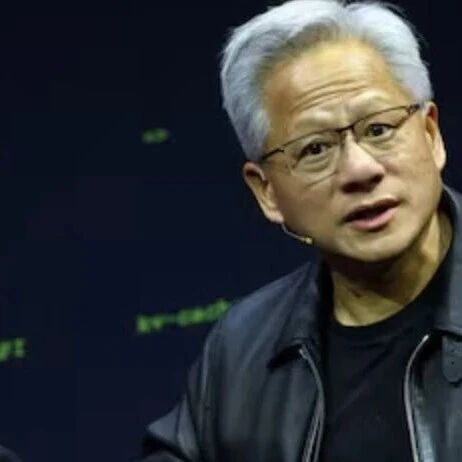
能源成本

Search documents
赵何娟对话张雷:能源成本再降50%,AI时代才会真正到来|2025 T-EDGE 全球对话
Sou Hu Cai Jing· 2025-12-29 04:48
Core Insights - The discussion emphasizes the critical relationship between artificial intelligence (AI) and energy consumption, highlighting the need for a sustainable energy system to support the future of AI [4][6][12] - The concept of "AI energy anxiety" is introduced, suggesting that the current energy demands of AI are outpacing existing infrastructure, particularly in the U.S. [6][10][30] - The future of AI is seen as dependent on a transition from fossil fuels to renewable energy sources, which must be optimized for cost and efficiency to meet the growing energy demands of AI [9][20][21] Group 1: AI and Energy Demand - AI's rapid growth is leading to a structural mismatch in energy supply, particularly in the U.S., where the electrical grid is outdated and unable to handle the increased load from AI data centers [6][10][30] - The U.S. relies heavily on natural gas for its computing power, which is projected to peak around 2035, raising concerns about the sustainability of AI development [7][11][30] - In contrast, China is positioned to leverage its advanced renewable energy infrastructure to meet AI's energy needs, although it still requires a more tailored energy system for optimal AI performance [7][12][30] Group 2: Future Energy Systems - The future energy system must be characterized by sustainability, integration, and mutual enhancement, with AI playing a crucial role in optimizing energy consumption and production [9][12][42] - A significant reduction in energy costs (by 50% to 80%) is necessary for AI to thrive, necessitating a shift towards renewable energy sources that can provide abundant and low-cost energy [9][20][21] - The integration of AI with energy systems is expected to create a new paradigm where energy production and consumption are dynamically managed to support AI's exponential growth [23][24][42] Group 3: Investment Opportunities - Companies that can effectively integrate AI with energy systems will likely emerge as leaders in the market, as the demand for efficient energy solutions grows [39][41] - The energy sector is seen as a critical area for investment, particularly in companies that can navigate the complexities of future energy systems and provide sustainable solutions [39][41] - The potential for renewable energy to provide a stable and low-cost energy supply is highlighted as a key factor for the success of AI technologies in the coming years [20][21][39]

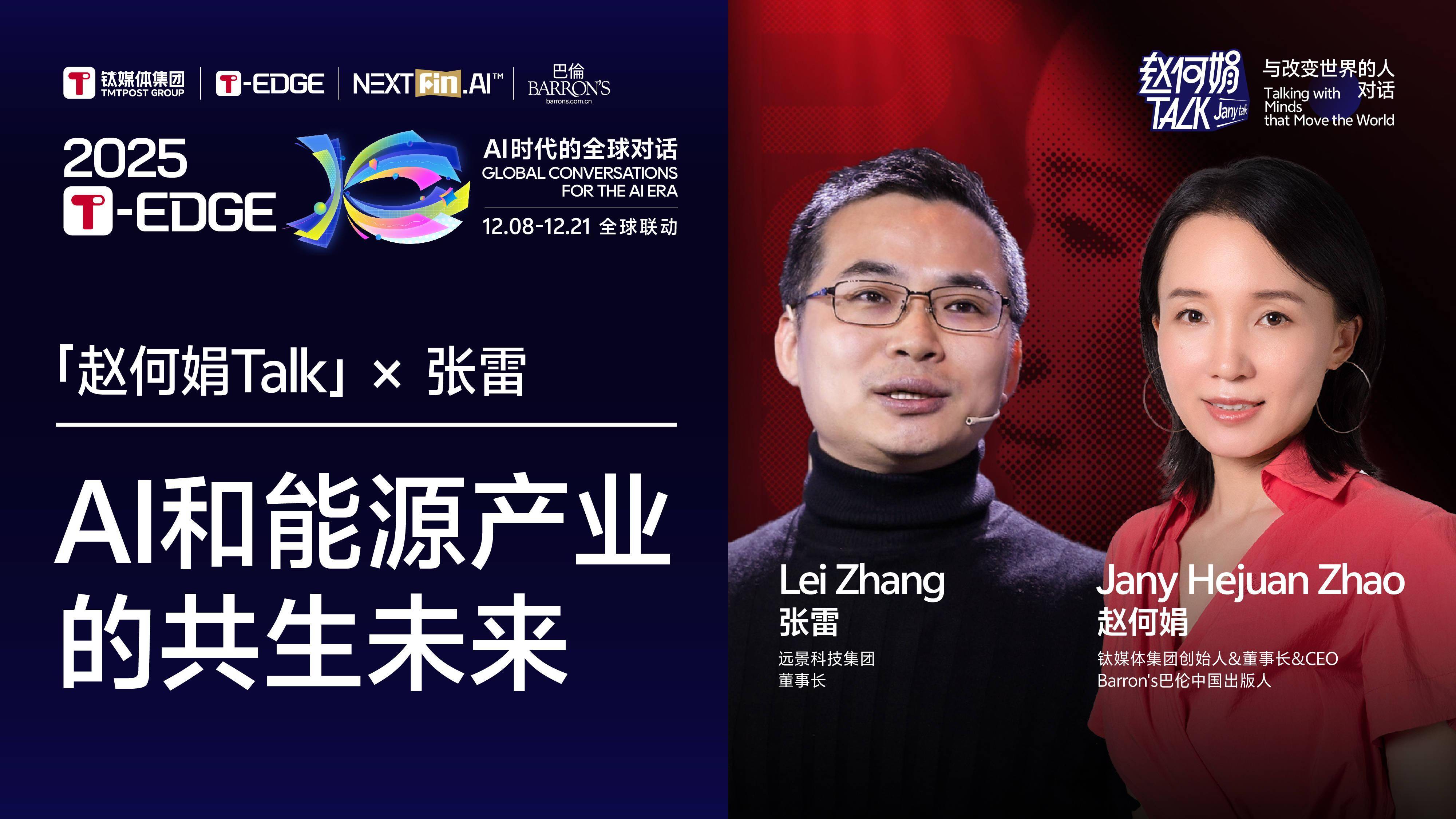
突发!黄仁勋断言中国赢得 AI 竞赛,拆解 2 个关键优势还戳穿西方困境
程序员的那些事· 2025-11-08 01:47
Core Viewpoint - The CEO of Nvidia, Jensen Huang, stated that China will win the AI competition, highlighting the advantages of China's regulatory environment and lower energy costs as key factors in this assertion [5][6]. Group 1: China's Key Advantages - China benefits from a more favorable regulatory environment, which is described as "efficient and agile," providing certainty for AI industry development. In contrast, Western countries are mired in skepticism and regulatory hurdles that may stifle innovation [8]. - Lower energy costs in China are a significant advantage for AI development, as data centers, which are crucial for AI operations, incur high energy expenses. Huang emphasized that Chinese tech giants can maintain AI operations at lower costs due to substantial energy subsidies [8][9]. Group 2: Timing and Industry Landscape - Huang's comments came at a critical time following a recent summit between US and Chinese leaders, where discussions on Nvidia's latest Blackwell chip sales to China were not included in the agenda, complicating Nvidia's market strategies [10]. - The rise of China's AI capabilities is evident, with local labs like DeepSeek producing advanced language models that challenge the technological edge of companies like OpenAI and Anthropic [10]. Group 3: Nvidia's Market Dilemma and Interests - Nvidia, which holds over 80% of the global AI chip market, has seen its market share decline from 27% in China to a complete exit due to escalating US export controls [12]. - The company has faced challenges in adapting its product offerings for the Chinese market, including the introduction of downgraded chips and special versions for China, but these efforts have been met with obstacles [12]. - Huang's statements reflect a recognition of China's AI strength and serve as a message to the US government that market openness is essential for mutual benefit, as policies that harm China may ultimately hurt the US [12].