能量饮料

Search documents
新晋饮品之王,干翻东方树叶
36氪· 2025-08-06 00:12
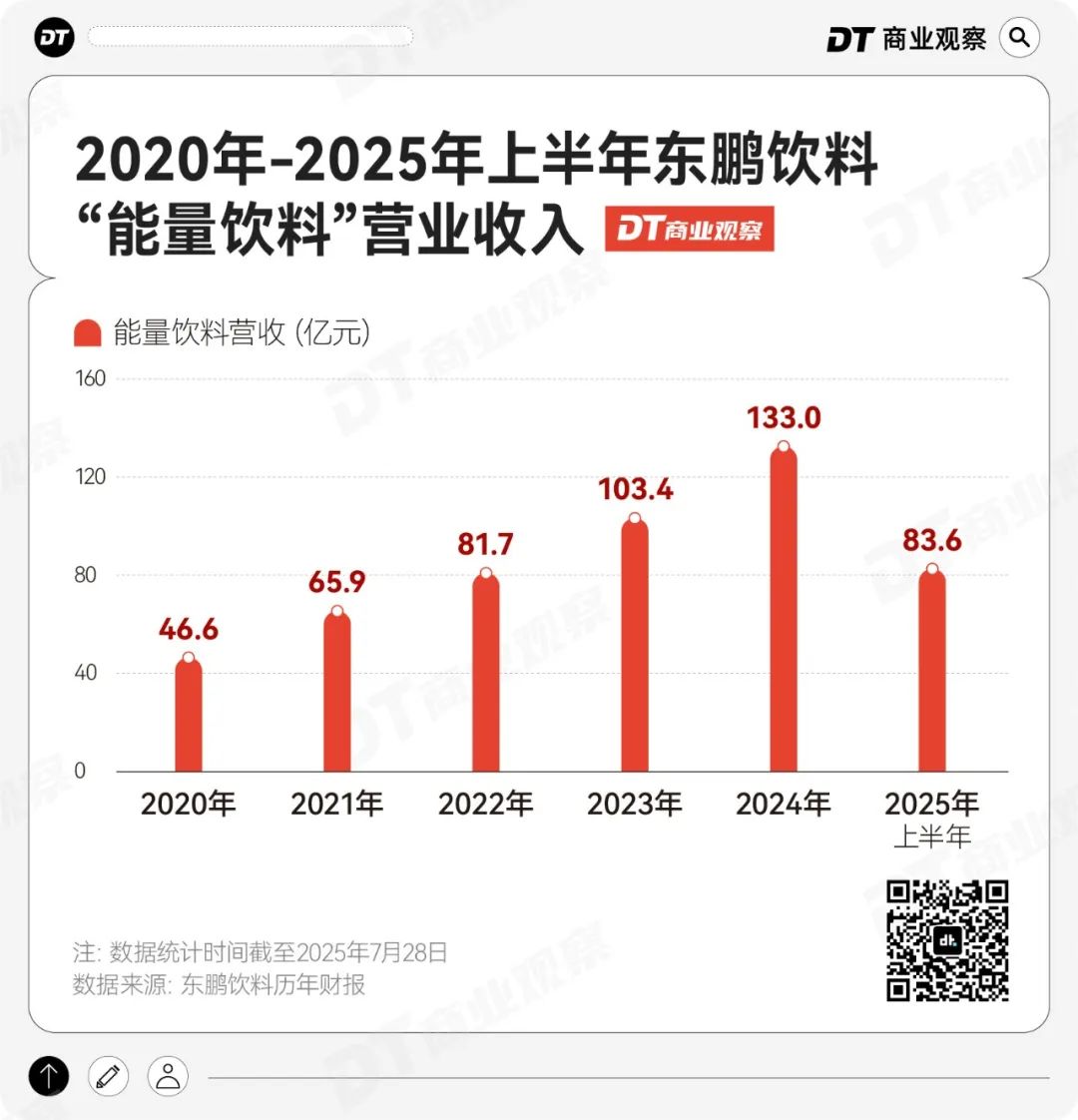
Core Viewpoint - The energy drink market in China is experiencing rapid growth, with significant contributions from brands like Dongpeng and Red Bull, driven by changing consumer needs and effective marketing strategies [5][7][39]. Group 1: Market Performance - Dongpeng Beverage reported a revenue exceeding 10 billion yuan in the first half of 2025, marking a year-on-year growth of 36.37%, with its flagship product, Dongpeng Special Drink, generating sales of 8.36 billion yuan [5][11]. - Red Bull's revenue for 2024 reached 21 billion yuan, surpassing its initial targets, indicating a resurgence in its market performance [7]. - The energy drink market in China is projected to reach a scale of 111.4 billion yuan by 2024, making it the fastest-growing segment within the soft drink category [10][11]. Group 2: Historical Development - The energy drink category was introduced to China in 1995 with the entry of Red Bull, which dominated the market for over two decades [19]. - Numerous domestic brands emerged, initially imitating Red Bull's product and packaging, leading to a market share of over 80% for Red Bull [23]. - Dongpeng's innovative packaging and strategic targeting of blue-collar workers helped it gain market share, especially after Red Bull's market stagnation following a trademark dispute in 2015 [25][26]. Group 3: Marketing and Consumer Trends - The marketing strategies for energy drinks have evolved to target younger consumers, with brands sponsoring sports and esports events to engage with this demographic [34][39]. - The primary consumption scenarios for energy drinks now include sports (31.21%), night shifts (30.12%), and late-night studying (29.44%), reflecting a shift from traditional blue-collar consumers to a broader audience [40][42]. - The trend towards functional and cost-effective products continues to drive the energy drink market, appealing to a diverse range of consumers seeking quick energy boosts [39][42].


这个软饮赛道,增长最快
首席商业评论· 2025-08-05 04:18
Core Viewpoint - The energy drink market in China is experiencing significant growth, with major brands like Dongpeng and Red Bull reporting substantial revenue increases, indicating a robust demand for functional beverages that enhance energy and alertness [4][6][9]. Group 1: Market Performance - Dongpeng Beverage reported a revenue of over 10 billion yuan in the first half of 2025, marking a year-on-year growth of 36.37%, with its flagship product, Dongpeng Special Drink, generating sales of 8.36 billion yuan [4]. - Red Bull's revenue for 2024 reached 21 billion yuan, exceeding its initial targets, while Monster Beverage Corporation reported a 40.1% year-on-year increase in net sales in China for Q1 2024 [6][9]. - The energy drink segment accounts for approximately 70% of the functional beverage market, which has been the fastest-growing category in China's soft drink sector over the past five years [9][12]. Group 2: Industry Dynamics - The energy drink market in China has evolved since Red Bull's entry in 1995, with numerous domestic brands emerging and initially mimicking Red Bull's product and packaging [15][18]. - Dongpeng's rise can be attributed to its focus on blue-collar workers, competitive pricing, and innovative packaging, which helped it capture market share from Red Bull [18][20]. - The competitive landscape has intensified, with brands like Dongpeng and others employing aggressive marketing strategies, including sponsorship of sports events and targeted promotions to attract younger consumers [21][22]. Group 3: Consumer Trends - The consumption of energy drinks is increasingly common among various demographics, including blue-collar workers, office employees, and students, with the top three consumption scenarios being sports (31.21%), night shifts (30.12%), and late-night studying (29.44%) [26][28]. - The demand for energy drinks is driven by the fast-paced lifestyle of modern consumers, leading to a broader acceptance and habitual consumption of these beverages [28].
新晋饮品之王,干翻东方树叶
创业邦· 2025-07-31 10:42
Core Viewpoint - The energy drink market in China is experiencing significant growth, with major players like Dongpeng and Red Bull achieving impressive revenue increases, indicating a robust demand for functional beverages that enhance energy and alertness [3][5][31]. Group 1: Market Performance - Dongpeng Beverage reported a revenue exceeding 10 billion yuan in the first half of 2025, marking a year-on-year growth of 36.37%, with its flagship product, Dongpeng Special Drink, generating sales of 8.36 billion yuan [3][10]. - Red Bull's revenue for 2024 reached 21 billion yuan, surpassing its initial targets, while Monster Beverage Corporation reported a 40.1% year-on-year increase in net sales in China for Q1 2024 [5][6]. - The energy drink segment accounts for approximately 70% of the functional beverage market, which is the fastest-growing category in China's soft drink sector [7][34]. Group 2: Industry Dynamics - The energy drink market in China has evolved since Red Bull's entry in 1995, with numerous domestic brands emerging and competing for market share [14][19]. - Dongpeng's rise can be attributed to its strategic focus on blue-collar workers, competitive pricing, and innovative packaging that differentiates it from Red Bull [20][21]. - The competitive landscape has intensified, with brands like Yili and Dali Foods launching their own energy drinks and employing aggressive marketing strategies to capture market share [24][26]. Group 3: Consumer Trends - The primary consumers of energy drinks have expanded beyond traditional blue-collar workers to include office workers, students, and fitness enthusiasts, driven by the need for quick energy boosts [31][34]. - The top three consumption scenarios for energy drinks are sports (31.21%), night shifts (30.12%), and late-night studying (29.44%) [31]. - The trend towards functional and cost-effective beverages is likely to sustain the growth of the energy drink market, as more consumers seek affordable options to alleviate fatigue [34][35].
新晋饮品之王,干翻东方树叶
3 6 Ke· 2025-07-31 08:03
Core Insights - The energy drink market in China is experiencing significant growth, with major players like Dongpeng and Red Bull reporting substantial revenue increases. Dongpeng's revenue for the first half of 2025 exceeded 10 billion yuan, marking a 36.37% year-on-year growth, while Red Bull's revenue reached 21 billion yuan in 2024, surpassing its initial targets [1][3][4]. Industry Overview - Energy drinks have become the fastest-growing segment in the beverage industry in China, accounting for approximately 70% of the functional drink category. The market size for energy drinks is projected to reach 111.4 billion yuan in 2024, which is about double that of sugar-free tea [4][7]. - The energy drink category has seen a surge in popularity due to its functional benefits, such as fatigue relief and increased alertness, appealing to a wide range of consumers including blue-collar workers, students, and professionals [3][24]. Competitive Landscape - Dongpeng and Red Bull are among the few beverage products in China that have achieved over 10 billion yuan in annual revenue. Other notable brands include Mengniu's TeLunSu and Coca-Cola, with revenues of over 30 billion yuan and 40 billion yuan respectively [7][10]. - The energy drink market has evolved since Red Bull's entry into China in 1995, with numerous domestic brands emerging and competing for market share. Dongpeng's unique marketing strategies and product innovations have allowed it to capture significant market share [10][15][16]. Marketing and Distribution Strategies - Dongpeng has focused on targeting blue-collar workers and expanding its distribution in lower-tier cities, offering competitive pricing and innovative packaging. The company has significantly increased its channel promotion expenses from 60 million yuan in 2018 to 780 million yuan in 2024 [19][20]. - Marketing efforts have shifted towards appealing to younger consumers through sponsorship of sports and esports events, while also introducing new flavors and packaging designs to attract a diverse customer base [20][21]. Consumer Trends - The consumption of energy drinks is increasingly common among various demographics, with the top three consumption scenarios being sports (31.21%), night shifts (30.12%), and late-night studying (29.44%). This trend reflects the growing need for quick energy boosts in fast-paced lifestyles [24][26]. - Despite a decline in traditional blue-collar consumers, the demand for energy drinks continues to rise among new demographics, including white-collar workers and students, indicating a potential for sustained growth in the market [26].