
近视防控

Search documents
云才文翰学校跨学科守护学生视力
Xin Lang Cai Jing· 2026-01-15 22:31
Core Viewpoint - The article discusses an innovative educational approach at Yun Cai Wen Han School in Panlong District, Yunnan, where a "Math, Psychology, Sports, Eye Protection" integrated curriculum is being implemented to enhance students' awareness of eye health through mathematics and physical activities [1][4]. Group 1: Educational Approach - The school showcased a new model of practical education that combines mathematics with psychological and physical education to address myopia prevention [1][4]. - A math lesson titled "Defining New Operations to Protect Eyesight" was presented, where students learned to calculate their eye protection index based on outdoor activity data [2][3]. Group 2: Cross-Disciplinary Integration - The initiative represents a cross-disciplinary effort involving mathematics, psychology, and sports, aiming to create a comprehensive health education curriculum [4][5]. - Teachers are encouraged to integrate various subjects, including music, science, and technology, into this cross-disciplinary exploration [5]. Group 3: Health Objectives - The Yunnan provincial government aims to reduce the myopia rate among children and adolescents by 0.5 percentage points annually, prompting schools to adopt engaging methods for eye health education [4]. - Activities such as games and physical exercises are designed to make eye protection enjoyable and relatable for students [4].
护眼仪、防控贴能改善视力?专家:尚无明确医学证据,不建议盲目使用
Xin Lang Cai Jing· 2026-01-13 06:23
Group 1 - The article discusses the increasing interest in myopia correction methods due to factors like job applications and aesthetic improvements, highlighting the popularity of topics like "myopia correction surgery" [1] - Myopia correction surgery, including laser procedures and artificial lens implantation, is a mature method for vision correction, but it is not a permanent solution; proper eye care post-surgery is essential [1] - The "20-20" rule is recommended for alleviating eye fatigue caused by prolonged screen time, suggesting a break every 20 minutes of close work by looking at something 20 feet away for 20 seconds [1] Group 2 - There is currently no clear medical evidence supporting the effectiveness of various eye care products like "myopia prevention patches" and "eye care devices," and their use is not recommended without verified methods [2] - Effective myopia prevention strategies include at least 2 hours of outdoor activity daily, using optical aids like OK lenses under medical guidance, and following prescriptions for low-concentration atropine [2] - The misconception that myopic individuals do not experience presbyopia is addressed; both conditions can coexist as they arise from different causes [2] Group 3 - It is advised that middle-aged individuals should regularly update their reading glasses as the prescription may change with age, and failing to do so can lead to eye strain and potential vision deterioration [4] - Symptoms like blurred vision, double vision, and headaches may indicate serious eye conditions such as cataracts or glaucoma, necessitating prompt medical attention [4]
防控贴护眼仪能改善视力吗
Jing Ji Ri Bao· 2026-01-13 01:22
Core Viewpoint - The article discusses the limitations of myopia correction surgeries and emphasizes the importance of proper eye care practices post-surgery, as well as addressing common misconceptions about myopia and presbyopia. Group 1: Myopia Correction Surgeries - Myopia correction surgeries, including laser procedures and artificial lens implantation, are effective but not a permanent solution, as prolonged near work can lead to fluctuations in vision [1] - Proper eye care practices, such as maintaining a regular schedule and using eyes scientifically, are crucial for protecting vision after surgery [1] Group 2: Eye Care Products and Practices - Current eye care products like "myopia prevention patches" and "eye care devices" lack clear medical evidence supporting their effectiveness, and their use is not recommended without proper validation [2] - Effective myopia prevention methods include at least 2 hours of outdoor activity daily, wearing OK lenses or functional glasses under medical guidance, and using low-concentration atropine as prescribed [2] Group 3: Myopia and Presbyopia Misconceptions - Myopia and presbyopia have different causes and do not counteract each other; individuals with myopia may experience both conditions as they age [2] - Older adults should regularly update their presbyopic glasses, as the prescription may change with age, and using outdated prescriptions can lead to eye fatigue and potentially accelerate vision decline [2][3] Group 4: Eye Health Monitoring - Symptoms such as blurred vision, double vision, and headaches may indicate serious eye conditions like cataracts or glaucoma, necessitating prompt medical attention [3] - Regular eye examinations are recommended, especially for individuals with hypertension, diabetes, or a family history of eye diseases, ideally every six months to a year [3]
7岁女童配眼镜度数被搞反,佩戴10个月视力骤降!眼镜店:配错原因内部在调查
Xin Lang Cai Jing· 2026-01-10 14:19
Group 1 - A mother in Wuhan reported that her daughter's glasses were incorrectly fitted, leading to a rapid deterioration in her vision, consuming four years of far-sightedness reserve in just one year [1] - The optical store has agreed to compensate the mother with 20,000 yuan after negotiations [2] Group 2 - The increasing prevalence of electronic devices in children's lives has made selecting appropriate glasses a necessity for many parents, emphasizing the importance of myopia control glasses [3] - Myopia control glasses are categorized into four main types based on their mechanisms and wearing methods: defocus glasses, contrast-reducing glasses, orthokeratology lenses, and defocus soft lenses [3][4][6][7] - Defocus glasses are the primary method for myopia control, showing a 60% rate of myopia progression delay in clinical observations [3][6] - Contrast-reducing glasses utilize point spread technology to lower retinal contrast, which may help in delaying myopia progression [4][5] - Orthokeratology lenses, worn overnight, temporarily reshape the cornea to correct myopia, allowing clear vision during the day without glasses [6] - Defocus soft lenses are a newer method suitable for children who cannot wear orthokeratology lenses, with a myopia progression delay rate of 50%-60% [7] - Effective myopia prevention requires a multifaceted approach, with proper eye habits being fundamental alongside the use of glasses [7]
0.02%/0.04%低浓度硫酸阿托品滴眼液获批 关注近视的你了解一下
Xin Lang Cai Jing· 2026-01-09 14:34
Core Viewpoint - The approval of low-concentration atropine eye drops (0.02% and 0.04%) is significant for addressing the urgent public demand for myopia prevention in children, as these products are expected to enhance personalized treatment options for managing myopia progression [1][2]. Group 1: Product Approval and Features - Two new formulations of low-concentration atropine eye drops have been approved, with concentrations of 0.02% and 0.04%, expanding the options available for myopia management in children [1]. - The introduction of these new concentrations allows for a more tailored approach to treatment, addressing individual differences in children's myopia progression [2]. Group 2: Efficacy and Safety - Clinical studies indicate that the higher concentrations (0.02% and 0.04%) show improved efficacy in slowing myopia progression compared to the previously available 0.01% concentration, with good overall tolerability [2]. - The selection of atropine concentration should follow an individualized approach, particularly for children whose myopia progresses rapidly or who have a family history of high myopia [2]. Group 3: Usage Guidelines and Misconceptions - Low-concentration atropine eye drops must be used under medical supervision, with regular follow-ups to monitor the child's response to treatment [3]. - It is important to clarify that atropine is not a "cure" for myopia; it is intended to slow progression rather than reverse existing myopia, and children still need appropriate corrective lenses [3]. - Parents should not neglect proper eye care habits, as effective myopia management also relies on good visual habits, outdoor activities, and proper lighting [3].
潘臣炜:近视防控应从单一干预转向系统防控
Xin Lang Cai Jing· 2026-01-09 04:14
Core Viewpoint - The rising prevalence of myopia in China, particularly among children and adolescents, has become a significant public health issue, prompting the release of the "Myopia Prevention and Control Guidelines (2024 Edition)" by the National Health Commission to enhance prevention and treatment standards [1] Group 1: Myopia Statistics and Trends - The overall myopia rate among children and adolescents in China has reached 52.7%, with rates for high school, middle school, and elementary school students at 80.5%, 71.1%, and 35.6% respectively, and the rate for 6-year-old children at 14.5% [1] - Approximately 10% to 15% of high school students suffer from high myopia exceeding 600 degrees, which increases the risk of severe eye conditions [1] Group 2: Shift in Research Focus - Traditional myopia research has primarily focused on genetic and behavioral factors, identifying 10 significant behavioral risk variables such as parental myopia history and screen time [2] - Behavioral interventions have limited effectiveness due to the self-control challenges faced by children and adolescents, leading researchers to explore the impact of visual environment factors on myopia development [3] Group 3: Visual Environment Factors - The research team discovered that factors such as light wavelength, color temperature, and illuminance are closely related to the onset of myopia, with low color temperature light potentially offering protective effects [4] - The team introduced the concept of "iris color" as a potential predictor of myopia risk, finding that darker iris colors correlate with greater myopia progression [4] - The introduction of "spatial frequency" as a new dimension in myopia research has led to the development of a patented quantitative method for assessing spatial frequency in children's environments [4][5] Group 4: Technological Innovations - A real-time monitoring and adjustment system for myopia prevention based on spatial frequency has been developed, which can be integrated into smart lighting devices to automatically intervene when spatial frequency falls below healthy thresholds [8] - The research team has also created an assessment system for environmental refractive uniformity, utilizing advanced imaging technology to evaluate light distribution and visual comfort [8] Group 5: Future Directions and Challenges - The research aims to transition from human-dependent interventions to technology-based solutions, emphasizing the need for standardization of metrics like spatial frequency and refractive uniformity for broader application [9] - The integration of environmental data, genetic information, and AI technology is envisioned to facilitate personalized interventions for myopia risk [9] - Future challenges include standardizing technology, fostering interdisciplinary collaboration, and implementing large-scale public health initiatives to effectively combat myopia [9]
最新近视前期管理专家共识发布!进入“关口前移”时代,尚未近视但远视储备不足的儿童需要注意啥
Yang Zi Wan Bao Wang· 2026-01-06 11:40
Core Viewpoint - The "Expert Consensus on Early Management of Myopia in China (2025)" emphasizes the need for systematic management of pre-myopic children, highlighting new strategies such as ensuring adequate sleep and using high-aspheric non-spherical lenses [1][2]. Group 1: Definition and Importance of Pre-Myopia - The consensus defines pre-myopia as a transitional stage where the refractive state is drifting towards myopia but does not meet the diagnostic criteria for myopia [2][3]. - Key indicators for diagnosing pre-myopia include a ciliary muscle paralysis refraction test showing a hyperopic reserve below age-specific thresholds and an equivalent spherical lens power between -0.50D and +0.75D [2][3]. Group 2: Management Strategies - The consensus advocates for a multi-dimensional management approach, focusing on behavioral interventions such as increasing outdoor activities (over 2 hours daily), maintaining proper reading posture, and limiting screen time [4]. - For high-risk pre-myopic children, the use of specially designed optical glasses is recommended, with studies indicating that wearing high-aspheric non-spherical lenses for over 30 hours a week can slow down axial elongation [4]. Group 3: Pharmacological Management - The consensus mentions that 0.01% to 0.05% atropine eye drops can reduce the incidence of myopia, with recent approvals for higher concentrations (0.02% and 0.04%) in China, marking a step towards personalized myopia management [5]. - These higher concentrations are suitable for children aged 6 to 12 with myopia progression between -1.00D and -4.00D, but usage should be under medical guidance due to potential side effects [5]. Group 4: Monitoring and Follow-Up - Regular monitoring is crucial, with low-risk groups recommended to have check-ups every six months and high-risk groups every three months, especially during periods of increased visual load or vision fluctuations [6].
兴齐眼药“近视神药”独有规格获批,“唯一性”护城河能扛住竞品围猎吗?
Tai Mei Ti A P P· 2026-01-05 14:17
Core Viewpoint - Xingqi Eye Medicine has become the first company globally to obtain approval for multiple concentrations of atropine sulfate eye drops, providing personalized treatment options for children aged 6-12 with myopia, filling a clinical gap in mid-concentration applications [2][3]. Product Approval and Market Position - The newly approved concentrations of 0.02% and 0.04% will complement the existing 0.01% formulation, allowing for a gradient approach to myopia control [2][4]. - The company is currently the only one to have completed Phase III clinical trials for these mid-concentration products, while similar products in overseas markets are limited to lower concentrations [3][4]. Clinical Data and Efficacy - Clinical studies have shown that higher concentrations of atropine can provide better control of myopia progression, although they come with increased side effects [3][4]. - The company’s clinical trials adhered to strict regulatory guidelines, demonstrating both efficacy and safety for the new concentrations, thus establishing a technical barrier for competitors [4]. Market Potential and Sales Performance - The target market for atropine eye drops is approximately 94 million people, with current market penetration below 0.3%, indicating significant growth potential [5][6]. - Forecasts suggest that revenue from atropine eye drops could reach approximately 15 billion yuan in 2024 and grow to 68 billion yuan by 2030, with a peak sales estimate of 101.8 billion yuan by 2027 [5][6]. Competitive Landscape - The approval of higher concentration products positions Xingqi Eye Medicine advantageously, but competition is intensifying as major players like Zhaoke Ophthalmology and Heng Rui Medicine are nearing approval for similar products [9][10]. - The market for low-concentration products is becoming increasingly crowded, with over ten companies already developing 0.01% formulations [9][10]. Challenges and Strategic Considerations - Despite the initial advantage, the company faces challenges from competitors entering the market and potential pricing pressures if products are included in national insurance schemes [10][11]. - The lack of a clear policy on market exclusivity for pediatric drugs may hinder the company's ability to maintain its competitive edge [11]. - The company’s focus remains primarily domestic, with no current international market presence, which could limit long-term growth opportunities [11].


大几千元的近视防控新品,意外卖爆
3 6 Ke· 2026-01-05 01:17
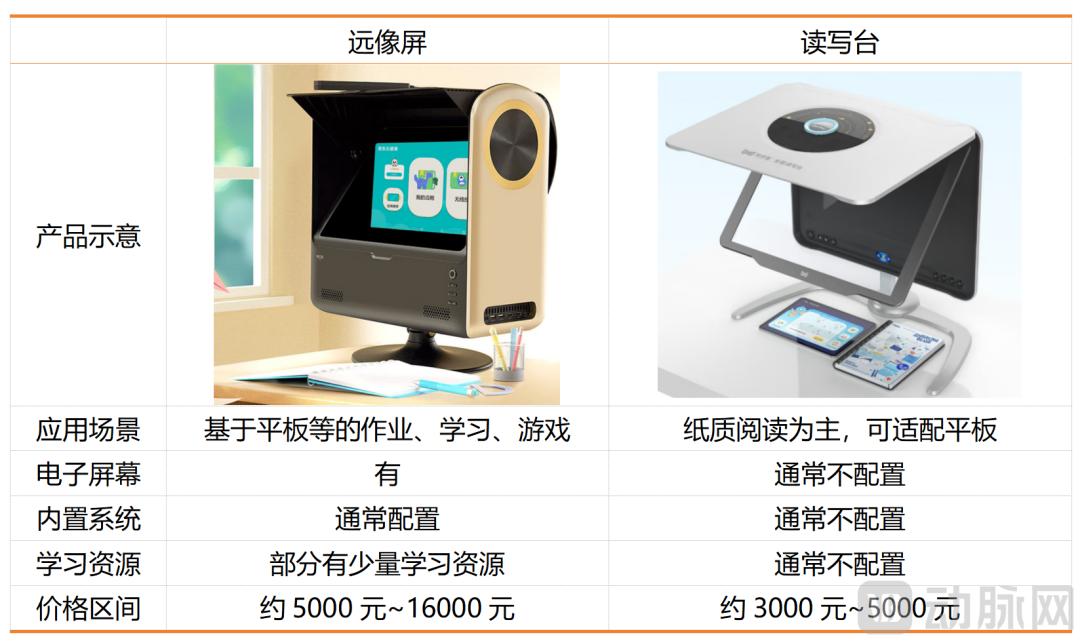
Core Insights - The market for distant vision screens and reading tables is experiencing explosive growth, with a projected increase of over 200% in market size in 2024 compared to 2023, and production expected to exceed 10,000 units [1][9] - The products are designed to alleviate myopia anxiety among parents by providing a physical means to control near-sightedness, with a focus on optical technology that allows for a clearer virtual image at a distance [1][3][15] Product Overview - Distant vision screens are priced between approximately 5,000 to 16,000 yuan, while reading tables range from about 3,000 to 5,000 yuan [2] - Distant vision screens typically include electronic screens and built-in systems, while reading tables are primarily for paper reading and usually do not have electronic screens [2] Optical Technology - The core optical components of distant vision screens include large-diameter freeform mirrors, which are essential for achieving the desired optical effects [3][4] - The production of large-diameter freeform mirrors is not yet at scale, contributing to higher product costs, with a 400mm diameter mirror costing around 1,000 yuan and larger mirrors significantly more [4] Market Dynamics - The industry is rapidly evolving, with the number of brands increasing from fewer than 10 to over 100 in a short period [9] - Major players like BOE and Nidec are leading the market, while startups such as Ruisi and Shiguangji are also gaining traction, focusing on performance and smart features [9][11] Research and Validation - Studies indicate that using distant vision products can lead to physiological benefits, such as increased choroidal thickness and improved blood supply, which may help mitigate the progression of myopia [7][8] - Research from Beijing Tongren Hospital supports the efficacy of these products, showing no significant changes in key eye parameters when using distant vision screens [8] Regulatory and Standardization Challenges - The industry faces challenges related to a lack of standardized regulations, leading to concerns about exaggerated claims and product quality [13][14] - Efforts are underway by leading brands to establish industry standards, with initiatives like the "Technical Specifications for Desktop Distant Vision Electronic Display Devices" being introduced [14]
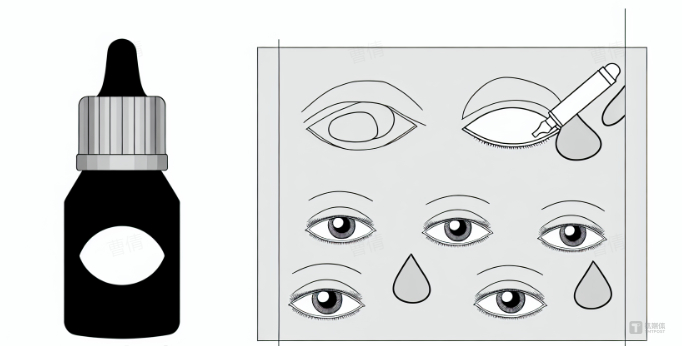
兴齐眼药近视防控产品矩阵进一步丰富 又有两款药品获准注册
Zheng Quan Ri Bao Wang· 2026-01-04 13:53
Core Viewpoint - The approval of two new specifications of atropine sulfate eye drops by the National Medical Products Administration represents a significant expansion of the company's product matrix for myopia prevention, which is expected to drive further growth in its performance [1][2]. Group 1: Product Approval and Specifications - The company received approval for two new specifications of atropine sulfate eye drops: 0.02% (0.4ml: 0.08mg) and 0.04% (0.4ml: 0.16mg) [1]. - The previously approved 0.01% (0.4ml: 0.04mg) specification is the first eye drop product approved in China for myopia-related indications [2]. - The new products are based on existing formulations and are expected to enhance the company's offerings in the myopia prevention market [2]. Group 2: Financial Performance - The company has experienced rapid growth in recent years, with a 32.42% increase in revenue and a 40.84% increase in net profit attributable to shareholders in 2024 compared to 2023 [2]. - In the first three quarters of the current year, the company's revenue grew by 32.27%, while net profit surged by 105.98% [2]. Group 3: Market Context and Future Outlook - The increasing prevalence of myopia, particularly among children and adolescents, presents a significant public health challenge and a large market opportunity for myopia prevention products [3]. - The introduction of the new products is expected to optimize the company's product matrix for myopia prevention, providing more options for patients and potentially enhancing the company's growth [3]. - The company is actively exploring different mechanisms for myopia prevention based on foundational research, indicating a commitment to expanding its product offerings in this area [3].