
钠电产业化

Search documents
当锂价冲上高位 钠电“备胎”火速上位
经济观察报· 2026-01-20 09:36
Core Viewpoint - The sodium battery industry in China is entering a commercialization phase, with annual shipments expected to exceed 3.7 GWh by 2025, marking a significant milestone despite being smaller than the lithium battery market [1][2]. Industry Overview - The sodium battery sector is gaining attention due to soaring lithium carbonate prices, which have reached as high as 179,000 yuan/ton, prompting a shift towards sodium batteries that have abundant resources and stable raw material costs [2][4]. - The year 2026 is being marked as the "year of sodium battery industrialization," with major players like CATL and BYD actively developing sodium battery technologies and applications [4][9]. Market Dynamics - The rising lithium prices are creating a cost pressure that makes sodium batteries economically viable in mid to low-end applications, especially when lithium prices exceed 130,000 to 150,000 yuan/ton [7]. - Companies are rapidly adjusting production lines and securing orders to meet the growing demand for sodium batteries, with expectations of significant deployment in various sectors including electric vehicles and energy storage [7][10]. Challenges and Pressures - The sodium battery industry faces challenges such as capacity bottlenecks, performance gaps compared to lithium batteries, and the need for a mature supply chain [4][13]. - Current sodium battery energy densities range from 100 to 160 Wh/kg, while lithium iron phosphate batteries achieve 160 to 200 Wh/kg, indicating a need for technological advancements [13]. Standardization Efforts - The establishment of a comprehensive standardization framework is crucial for the sodium battery industry to overcome barriers to large-scale adoption and ensure product quality [17][21]. - Current standards are in development, with several key national and industry standards being formulated to guide the sodium battery sector [18][20]. Future Outlook - The sodium battery industry is expected to thrive in specific applications such as distributed energy storage and electric transportation in cold regions, leveraging its unique advantages [15][21]. - The ongoing efforts to create a robust standardization system will enhance market confidence and facilitate the growth of the sodium battery sector in the global arena [21].

锂价“蝴蝶”振翅,钠电“元年”竞逐
Jing Ji Guan Cha Wang· 2026-01-20 08:36
Core Insights - The surge in lithium carbonate prices has catalyzed interest in sodium-ion batteries, which are seen as a viable alternative due to their abundant resources and lower costs [1][2][4] - The sodium-ion battery industry is entering a critical phase of commercialization, with significant production and application developments expected in 2026 [2][6][7] Industry Overview - Sodium-ion battery production in China reached 3.7 GWh in 2025, marking the beginning of a new industry that can power tens of thousands of electric two-wheelers and home energy storage systems [1] - Major players like CATL and BYD are investing heavily in sodium-ion technology, with CATL planning large-scale applications across various sectors in 2026 [6][8] Market Dynamics - The price of battery-grade lithium carbonate has rapidly increased, impacting the cost dynamics between lithium and sodium batteries, with sodium batteries becoming economically viable when lithium prices exceed 130,000 to 150,000 yuan/ton [4][10] - The sodium-ion battery industry is characterized by a dual pressure: the immediate cost pressures from rising lithium prices and the long-term strategic need for energy supply chain diversification [7][11] Challenges and Opportunities - The industry faces significant challenges, including production capacity constraints, performance gaps compared to lithium batteries, and the need for a mature supply chain [9][11] - Despite these challenges, there is a growing recognition of sodium-ion batteries' unique advantages in specific applications, such as low-temperature performance and safety [7][11] Standardization Efforts - The lack of a comprehensive standardization framework is a major barrier to the widespread adoption of sodium-ion batteries, with ongoing efforts to establish national and industry standards [12][15] - Current standards are insufficient to cover critical areas such as safety, performance, and testing methods for sodium-ion batteries, which could hinder market growth and consumer confidence [14][15] Future Outlook - The establishment of a robust standardization system is essential for the sodium-ion battery industry's growth, providing a foundation for quality assurance and market acceptance [15] - As the industry matures, there is potential for sodium-ion batteries to carve out a significant niche in the energy storage and electric vehicle markets, particularly in cost-sensitive and specific environmental conditions [11][12]
2026钠电“起势”
高工锂电· 2026-01-15 11:24
Core Viewpoint - The sodium battery industry is poised for a second wave of industrialization in 2026, with new players focusing on materials while lithium battery giants define applications and market dynamics [2][6]. Market Dynamics - In 2025, sodium battery cathode material shipments are expected to exceed 10,000 tons, marking a year-on-year growth of over 100%, with polyacrylate accounting for approximately 77% of shipments, significantly surpassing layered oxides [2][3]. - The market is witnessing a shift in performance perception towards sodium batteries, highlighting the strategic positioning of different players [4]. Competitive Landscape - Sodium battery new forces have achieved differentiation through materials, with companies like Jiangnan and Yingnan leading the charge in polyacrylate production [5]. - Major lithium battery companies, including CATL and EVE Energy, are entering the sodium battery space, focusing on new products and markets distinct from those targeted by new sodium battery players [5][6]. Resource Integration and Strategy - The competition for market influence in sodium batteries will be a focal point in 2026, emphasizing the need for new players to leverage their strengths [7]. - New players must maintain their first-mover advantage by binding to vertical scenarios and creating small-scale commercial loops to ensure survival [9]. Cost and Pricing Trends - Predictions indicate that sodium battery cell costs could drop to below 0.4 yuan/Wh by 2026, enhancing their cost-effectiveness, especially in energy storage applications [9][10]. - The cost advantages of sodium batteries in the energy storage market are expected to be amplified in 2026 due to rising prices of lithium and copper [10]. Application Scenarios - New forces are exploring various application scenarios, including light-duty power, motorcycle start-stop systems, and engineering machinery, to differentiate from lithium battery giants [12]. - The two-wheeler market has faced challenges, but opportunities in overseas markets and battery swapping models are emerging as potential breakthroughs [13][17]. Market Expansion - Companies are targeting Southeast Asia, Africa, and Europe for sodium battery applications, with a focus on cost-effective polyacrylate solutions [18]. - The motorcycle start-stop market is seen as a viable entry point for new players, with specific product adaptations being developed [21]. Commercialization Challenges - The start-stop and commercial vehicle markets present significant opportunities, but new players face competition from established lithium battery companies [23]. - Differentiation strategies are crucial, with companies like Zhongke Haina and Xibei Power making strides in the new energy heavy truck sector [24].

容百科技(688005):2025年业绩预告点评:Q4单季扭亏,钠电正极放量在即
Soochow Securities· 2026-01-13 23:37
Investment Rating - The investment rating for the company is "Buy" (maintained) [1] Core Views - The company is expected to turn profitable in Q4 2025, with a projected net profit of 30 million yuan, despite a year-on-year decline of 83% [9] - The sodium battery production is set to ramp up significantly, with expectations of achieving a shipment scale of 10,000 tons in 2026, leading to a turnaround in profitability [9] - The company has made significant progress in new products such as manganese iron lithium and solid-state electrolytes, with large-scale production expected in the first half of 2026 [9] Financial Forecasts - Total revenue is projected to decline from 22,657 million yuan in 2023 to 11,961 million yuan in 2025, before recovering to 19,934 million yuan in 2026 and 25,192 million yuan in 2027 [1] - The net profit attributable to the parent company is forecasted to be -170.84 million yuan in 2025, with a recovery to 456.42 million yuan in 2026 and 850.02 million yuan in 2027 [1] - The earnings per share (EPS) is expected to be -0.24 yuan in 2025, improving to 0.64 yuan in 2026 and 1.19 yuan in 2027 [1] Market Data - The closing price of the company's stock is 37.35 yuan, with a market capitalization of approximately 26.7 billion yuan [6] - The price-to-earnings (P/E) ratio is projected to be 153.71 in 2025, decreasing to 57.53 in 2026 and 30.89 in 2027 [1] Financial Ratios - The company’s asset-liability ratio is 65.67% [7] - The return on equity (ROE) is expected to be -1.95% in 2025, improving to 4.98% in 2026 and 8.55% in 2027 [10]

宁德/亿纬/海辰集体押注钠电,能源体系正在重塑
Xin Lang Cai Jing· 2026-01-04 06:36
Core Viewpoint - Chinese companies are poised to redefine the global energy system as pioneers and definers of sodium batteries, with major players like Hicharge Energy, EVE Energy, and CATL outlining their commercialization plans for sodium batteries [1][9][10] Group 1: Industry Developments - Major lithium battery giants are focusing on sodium battery applications in AIDC (Artificial Intelligence Data Center) and power markets, with Hicharge Energy and EVE Energy announcing their plans for AIDC, while CATL is targeting the power sector [10][1] - The sodium battery market is being elevated to a broader narrative within the new energy sector, driven by the demand for diverse materials and battery forms in a large-scale electrification context [10][1] - The price volatility of lithium battery materials, particularly lithium carbonate, is creating a favorable environment for sodium battery development, as evidenced by the price fluctuations observed in December [10][6] Group 2: Market Opportunities - Sodium batteries are gaining traction in AIDC applications due to their stable raw material supply and high discharge rates, addressing the energy supply needs of this sector [2][10] - The performance advantages of sodium batteries, such as their ability to operate in wide temperature ranges, position them as a potential solution for the northern electric vehicle market [2][11] - The global energy discourse is shifting, with Chinese battery companies exploring the sodium battery sector to establish a new technological balance against competitors in the lithium iron phosphate (LFP) space [11][2] Group 3: Commercialization and Product Development - The first major application of sodium batteries is expected to be in the power market, with companies like CATL planning large-scale applications in various sectors by 2026 [4][13] - CATL's sodium battery has achieved significant milestones, including passing safety certifications and being included in new vehicle announcements, indicating readiness for market entry [14][15] - The AIDC sector is projected to see a substantial increase in battery demand, with estimates suggesting over 13 TWh of battery needs, driven by a compound annual growth rate of approximately 70% over the next decade [16][17]

宁德/亿纬/海辰集体押注钠电,能源体系正在重塑
高工锂电· 2026-01-03 14:31
钠电产业化"守夜"三年,巨头们此轮更加实质性的布局,是否将敲响拂晓之钟 ? 这个答案,可能 藏在钠电会在哪个应用场景更快实现规模化商业落地。 现阶段,锂电巨头们给出的较为清晰的路径分别为 AIDC 与动力市场。 具体来看,海辰储能与亿纬锂能都公布了钠电在 AIDC 场景的应用方案,并着手建设相关产能; 宁德时代则选择在换电、乘用车、商用车等动力领域布局,并率先发布了钠离子商用车启停与乘用 车动力产品。 摘要 作为钠电池的定义者和产业拓荒者,中国企业或将改写世界能源体系。 几乎在同一个月内,海辰储能、亿纬锂能、宁德时代三大锂电巨头在十四五收官之际,相继落笔了 钠电商业化蓝图与野心。 巨头们纷纷涌入,不仅是对钠电技术与市场的重塑与定义,更是将钠电抬上了叙事更宏大、需求更 广阔的新能源大舞台。 其背后,与未来庞大的电力市场与全场景电动化对多元材料、多元形态电池需求有关。 而钠电池 在差异化性能、远期成本、原材料供应稳定等优势上,不仅成为锂电池的有效补充,并逐步打开了 独立市场。 一是 ,锂电池主材集体涨价,并以碳酸锂涨价为主要焦点,但走势并稳定。其 12 月 26 日的期 货价格突破 13 万元 / 吨,又在 29 ...
掌握钠电制造know-how,宇恒电池率先实现GWh产能
高工锂电· 2025-12-27 07:41
Core Viewpoint - The transition from lithium batteries to sodium batteries is complex and cannot be achieved through simple modifications of existing production lines [1][13]. Group 1: Market Dynamics - The new cycle of lithium batteries is creating a significant opportunity for the commercialization of sodium batteries, with lithium battery shipments reaching 1.2 TWh in the first three quarters of the year [2]. - Sodium batteries are expected to benefit from the upward trend in lithium battery demand, but the lack of production capacity poses a significant challenge [3][4]. - The urgency for large-scale production of sodium batteries is critical, as it is tied to the ability to capitalize on the current industry upturn [4]. Group 2: Production Challenges - The production of sodium batteries involves numerous engineering challenges that have yet to be standardized, making it more than just a simple adaptation of lithium battery production lines [5][13]. - Key difficulties in sodium battery production include high environmental control requirements and poor adaptability of existing lithium battery production lines [14][15]. - The production process for sodium batteries differs significantly from that of lithium batteries, particularly in the requirements for negative electrode materials and the overall manufacturing process [16]. Group 3: Technological Advancements - Companies like Yuheng Battery are leading the way in sodium battery industrialization, having established a 3 GWh production line for square sodium batteries, which is currently the first in China to achieve large-scale production [8][25]. - Yuheng Battery has implemented innovative solutions to address production challenges, such as improving material adhesion and reducing costs through advanced manufacturing techniques [17][18]. - The company has developed a smart control system that enhances production efficiency and consistency, achieving a production efficiency of 12 PPM and maintaining strict control over material input [26][28]. Group 4: Market Applications - The electric heavy truck market is emerging as a significant segment for sodium batteries, with a reported 185% year-on-year increase in sales of new energy heavy trucks [22]. - Yuheng Battery's sodium batteries are designed to meet the specific needs of the electric heavy truck market, offering features such as a high energy density of ≥165 Wh/kg and fast charging capabilities [24]. - Other potential markets for sodium batteries include low-speed vehicles, energy storage, and data centers, with the company planning to adapt its production lines based on market developments [29][31]. Group 5: Future Outlook - The sodium battery industry faces both opportunities and challenges during the 14th Five-Year Plan period, with Yuheng Battery leveraging its extensive experience in lithium battery technology to meet future market demands [32].
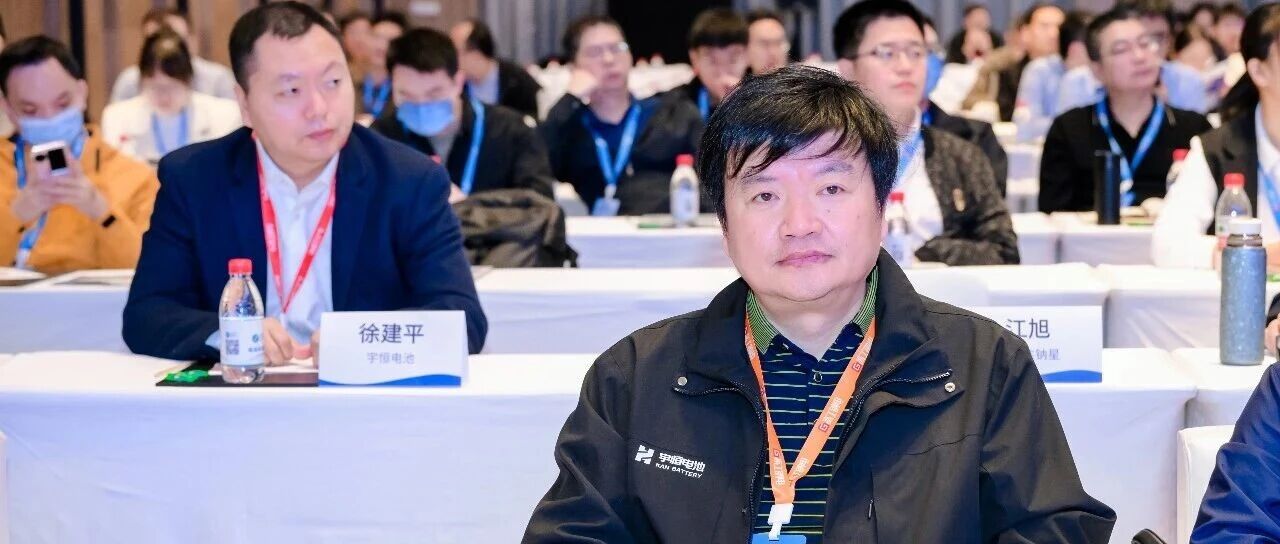
钠电池多元场景渗透加速
高工锂电· 2025-12-16 10:27
Core Insights - The sodium battery industry is entering a critical phase of deep development by 2025, with technological iterations and scenario validations driving the transition from niche applications to large-scale penetration across multiple scenarios [2] - Supply chain collaboration and innovation are deepening, leading to significant cost reduction and efficiency improvements in materials, processes, and manufacturing, which are essential for the commercialization of sodium batteries in core markets such as power, energy storage, and start-stop applications [3] Market Opportunities - Sodium batteries are becoming a crucial support for the diversified development of the new energy industry due to their adaptability to wide temperature ranges, inherent safety, and cost advantages, especially in the energy storage market, which is expected to see explosive demand in various scenarios [4] - The demand for sodium batteries in the energy storage market is projected to exceed 13 TWh over the next decade, with the highest growth rate in data center applications [9] - The northern regions of China present a blue ocean opportunity for sodium batteries in the new energy vehicle market, particularly in heavy-duty vehicle battery swapping [9] Technological Developments - Companies like Rongbai Technology are advancing sodium battery technology, achieving energy densities of 170 kg/Wh for layered oxide cathodes and 2.5 g/cm³ for polyanion materials, with expectations to reach 180 kg/Wh in the near future [10] - Innovations in large-capacity sodium-ion cells, such as the 588Ah cell developed by China Sodium Battery Group, focus on enhancing energy density and cycle life through advanced materials and manufacturing processes [13] Production Capacity and Supply Chain - Rongbai Technology plans to achieve over 100,000 tons of sodium battery production capacity through renovations and new integrated production lines [10] - The sodium battery industry is rapidly expanding its production capabilities, with companies like China Sodium Battery Group and others establishing significant production lines and securing substantial orders for energy storage applications [15][22] Safety and Performance - Safety remains a key focus, with companies like BYD emphasizing the importance of low-cost designs that maximize the inherent safety advantages of sodium batteries [16] - Innovations in battery design, such as BYD's focus on material and interface stability, are enhancing the safety and performance of sodium batteries, making them suitable for various applications [18] Market Trends and Future Outlook - The sodium battery market is expected to surpass a scale of hundreds of billions, driven by its unique safety and cost advantages, and is projected to enter a new era of large-scale commercial application by 2026 [8][15] - Companies are actively exploring various market segments, including energy storage, start-stop applications, and light-duty vehicles, to establish a foothold in the growing sodium battery market [25][39]
钠电冲向5–10GWh:锂钠结合下的闭环与多场景渗透
高工锂电· 2025-12-13 09:54
Core Viewpoint - The sodium battery industry is maturing towards commercialization by 2025, with various applications validating the technology and breaking market skepticism [2][3]. Group 1: Market Dynamics - The sodium battery market is primarily driven by head companies focusing on automotive and energy storage, while smaller companies explore multiple application scenarios [3][10]. - The National Development and Reform Commission (NDRC) has set clear goals for the new energy storage sector, aiming for a transition from initial commercialization to large-scale development by 2025 [3]. - The sodium battery sector is expected to see a 100% increase in shipments next year, reaching a scale of 5-10 GWh, with projections of 100 GWh by 2030 [4][10]. Group 2: Technological Advancements - The most significant technical bottleneck for sodium batteries is the anode technology, with leading companies seeking breakthroughs in anode-less technology [10]. - Companies are focusing on specific application scenarios to create competitive products, moving from a low-cost approach to a high-value strategy [13][14]. - Innovations in materials and battery design are being pursued to enhance performance, particularly in low-temperature and high-power applications [19][20]. Group 3: Industry Challenges - The sodium battery industry faces challenges such as funding constraints, with a notable decrease in financing activities and a reliance on local investments [22]. - The cost of sodium batteries remains higher than lithium batteries, primarily due to material costs and lower energy density, which hampers the realization of economies of scale [19][22]. - The industry is still in its early stages, with a lack of standards and an incomplete supply chain requiring collective efforts for advancement [20][22]. Group 4: Application Scenarios - Key application areas for sodium batteries include start-stop systems, energy storage, and electric vehicles, with specific products being developed for each segment [14][28]. - The start-stop market is identified as a primary breakthrough area for sodium battery commercialization, with established conditions for mass application by 2025 [28]. - Companies are innovating business models to enhance market penetration, such as the "partner + rental" model in the emergency power sector [31][34]. Group 5: Future Outlook - The sodium battery market is expected to grow significantly, with estimates of 200-500 GWh by 2030, although lithium battery companies may dominate the market [16][22]. - Companies are focusing on collaborative efforts to enhance technology and commercial viability, aiming to transition from policy-driven to market-driven growth [20][22]. - The sodium battery industry is at a critical juncture for scaling commercialization across various applications, emphasizing the importance of rapid iteration and open collaboration [28][40].
12月12日相聚深圳 2025高工钠电年会议程更新
高工锂电· 2025-12-06 11:07
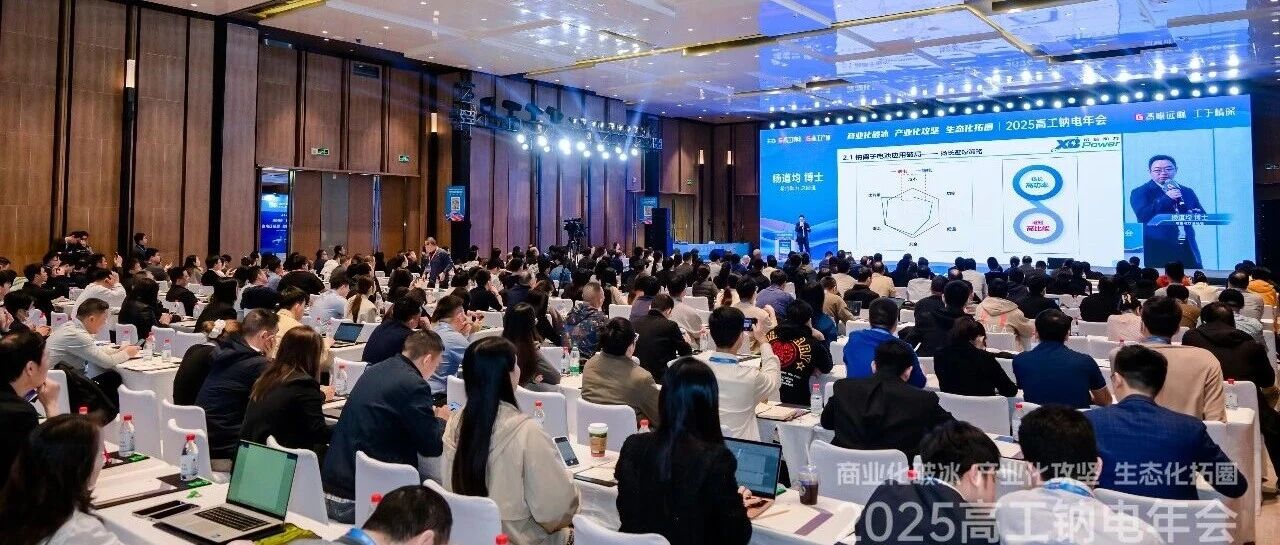
会议倒计时6天 峰会背景 ● 商业化破冰,头部企业牵引 2025 年以来,头部电池企业已从技术牵引走向产品 落地 。中科海钠发布"海星"钠离子电池商用车解决方案、宁德时代"钠新"电池瞄准电动重卡启 停及乘用车场景、亿纬锂能聚阴离子钠电储能成功并网运行。 钠电正在打破市场疑虑,实现初步的商业应用,如同破冰船开辟航道。 ● 产业化攻坚,产能规模初显 万吨级正负极材料产线、 GWh 级电芯产能的集中开工、投产,标志着产业正式从 " 实验室 - 中试 " 迈入 " 规模化制造 " 新阶段 。 更多企业则选择在专业化细分领域深耕,共同推动产业链生态趋于成熟与稳定。 产业链上下游需要打破成本、供应链、规模的瓶颈,实现产业发展 的决定性突破。 2025高工钠电年会 商业化破冰 产业化攻坚 生态化拓圈 主办单位: 高工钠电、高工产业研究院(GGII) 专场冠名: 众钠能源、 容百科技 会议时间: 2025年 12月12日 会议地点 : 深圳机场凯悦酒店L层宴会厅 同期活动: 2025 高工储能年会暨高工金球奖颁奖典礼( 12 月 9-11 日) | | | 卡儿酷科技 | 董 | | --- | --- | --- | -- ...
