
长江十年禁渔

Search documents
长江干流“鱼类密度”5年增一倍(权威发布)
Ren Min Ri Bao· 2026-01-31 01:34
2021年1月1日起,长江流域重点水域开始施行暂定为期十年的常年禁渔。1月30日,国务院新闻办举行 新闻发布会,介绍长江十年禁渔中期评估成果和5年来阶段性成效。 长江江豚较2022年增加177头 ——禁渔秩序保持总体平稳。5年来,各级农业农村、公安、市场监管等部门开展"中国渔政亮剑""平安 长江"等联合执法行动,保持高压严管态势,斩断非法"捕运销"地下产业链,涉渔违法行为下降,有效 遏制非法捕捞。雷达视频监控、无人机巡查等高科技智能化手段得到广泛应用,执法监管效能提升。 沿江各地持续加强宣传引导,以案释法、以案普法,沿江群众"守江护江"理念更加牢固,更多志愿者加 入"护渔员"协助巡护队伍,形成共抓大保护的良好氛围。 ——安置保障政策措施有效落实。对23.1万退捕渔民建档立卡、分类施策,符合参保条件的退捕渔民全 部落实养老保障,有劳动能力和就业意愿的基本实现转产就业,退捕渔民收入总体稳定。对突发困难退 捕渔民,通过纳入低保等救助范围、识别为防止返贫致贫监测对象等措施,及时落实到人到户精准帮扶 措施,保障基本生活。 5年来监测到特有鱼类134种,增加25种 长江十年禁渔中期评估专家组组长、中国科学院院士桂建芳介绍 ...
长江干流“鱼类密度”5年增一倍
Ren Min Ri Bao· 2026-01-31 01:10
Core Viewpoint - The Yangtze River Basin has implemented a ten-year fishing ban since January 1, 2021, with a mid-term evaluation showing positive results in biodiversity recovery and ecological health over the past five years [1][2]. Group 1: Biodiversity and Ecological Recovery - The population of the Yangtze River dolphin has increased to 1,426, up by 177 from 2022, indicating significant ecological recovery [2]. - A total of 351 fish species have been monitored in the Yangtze River Basin, an increase of 43 species compared to pre-ban levels, with a notable improvement in the integrity index of aquatic life [2][4]. - The unit resource quantity of fish in the Yangtze mainstream has doubled compared to 2020, reaching 2.4 kg, reflecting a recovery in fish density [4]. Group 2: Enforcement and Regulation - Joint enforcement actions have been conducted to combat illegal fishing, resulting in a decrease in illegal activities and improved regulatory effectiveness through the use of technology such as radar and drones [3]. - The overall stability of the fishing ban has been maintained, with various departments collaborating to ensure compliance and public awareness [3]. Group 3: Support for Fishermen - Policies for the resettlement of 231,000 retired fishermen have been effectively implemented, ensuring stable income and employment opportunities for those affected by the fishing ban [3][7]. - Measures have been taken to provide targeted assistance to fishermen facing difficulties, including inclusion in social welfare programs [3]. Group 4: Future Directions - The next five years are critical for consolidating the achievements of the fishing ban, with a focus on protecting endangered species and enhancing biodiversity [7][8]. - Future efforts will involve balancing high-level protection with quality development, emphasizing the restoration of aquatic habitats and the overall health of the ecosystem [8].
长江十年禁渔:23万退捕渔民如何养老?农业农村部详解
Zhong Guo Jing Ying Bao· 2026-01-31 00:52
农业农村部副部长张治礼在发布会上表示:"自2021年1月1日起,长江流域重点水域开始施行暂定为期 十年的禁渔。禁渔实施五年来,水生生物完整性指数持续提升,保护修复效果逐步显现。" 中经记者索寒雪北京报道 2026年1月30日,国务院新闻办公室举行新闻发布会,介绍长江十年禁渔中期评估成果及五年来阶段性 成效。 张治礼介绍,2025年专项调查显示,长江江豚数量恢复到1426头,比2022年调查时增加177头,成为长 江大保护的重要生态名片。中华鲟放流规模连续两年超过100万尾。2021—2025年,长江流域累计监测 到鱼类351种,比禁渔前增加43种。鄱阳湖、洞庭湖等6个湖泊的鱼类单位资源量均有不同程度增加,其 中增幅最大的是太湖,为禁渔前的2.3倍。 长江十年禁渔关系沿江23.1万退捕渔民的基本生计与养老保障。张治礼表示:"对23.1万退捕渔民建档立 卡、分类施策,符合参保条件的退捕渔民全部落实了养老保障;有劳动能力和就业意愿的基本实现转产 就业,退捕渔民收入总体稳定。对突发困难退捕渔民,通过纳入低保等救助范围、识别为防止返贫致贫 监测对象等措施,及时实施精准到人到户的帮扶,保障基本生活。" (文章来源:中国经 ...
1426头!长江江豚实现恢复性增长
Xin Lang Cai Jing· 2026-01-30 22:49
特有鱼类资源的增长,不仅是物种本身的恢复,更反映了长江生态系统健康状况正在不断好转,对长江 生态修复有重要意义。桂建芳举例说,特有鱼类占长江鱼类总数的43%,在水生食物网中占据不同生态 位,构成了复杂稳定的营养结构。比如,底层特有鱼类可调控底栖生物量,植食性特有鱼类能抑制藻类 过度繁殖,这些生态协同作用可有效提升生态系统的稳定性。 作为目前长江中唯一的淡水鲸豚类动物,长江江豚的生存状况可以直接反映长江生态系统的健康程度。 张治礼提供的数据显示:2025年专项调查显示,长江江豚已经恢复到1426头,比2022年调查时增加177 头,成为长江大保护的重要生态名片。2021至2025年,长江流域累计监测到鱼类351种,比禁渔前增加 43种,鱼类小型化趋势得到有效遏制,水生生物完整性指数显著提升。 "此前因过度捕捞、栖息地被破坏导致一度十分罕见的鳤等物种,开始逐步回归监测视野,物种分布的 连续性显著改善。"长江十年禁渔中期评估专家组组长、中国科学院院士桂建芳表示,这说明禁渔为特 有鱼类提供了稳定的生存空间,有效扭转了物种的衰减态势。 (来源:千龙网) 昨天(30日),国务院新闻办公室举行新闻发布会,介绍长江十年禁渔中 ...
长江江豚数量实现恢复性增长
Xin Lang Cai Jing· 2026-01-30 20:48
不仅长江江豚数量实现恢复性增长,中华鲟放流规模连续两年超100万尾,长江鲟自然产卵试验取得成 功,自然种群重建迈出关键步伐。2021至2025年,长江流域累计监测到鱼类351种,比禁渔前增加43 种,鱼类小型化趋势得到有效遏制,水生生物完整性指数显著提升。 新华社北京1月30日电 (胡璐 王舒一) 作为目前长江中唯一的淡水鲸豚类动物,长江江豚的生存状况 可以直接反映长江生态系统的健康程度。2025年专项调查显示,长江江豚已恢复至1426头,比2022年调 查时增加177头。 "在取得成效的同时,我们也看到,长江水生生物多样性恢复是一个长期缓慢过程,保护工作还面临很 多困难。"张治礼表示,下一步,将锚定十年禁渔目标不动摇,持续完善长效机制,强化联合执法监 管,提升保护修复能力,落实退捕渔民安置保障政策,坚定不移抓好长江十年禁渔各项工作,以长江水 生生物高水平保护助力长江经济带高质量发展。 这是记者30日从国新办举行的介绍长江十年禁渔中期评估情况的发布会上了解到的。 农业农村部副部长张治礼在发布会上介绍说,自2021年1月1日起,长江流域重点水域开始施行暂定为期 十年的常年禁渔。全面启动实施五年来,各部门协同配合 ...
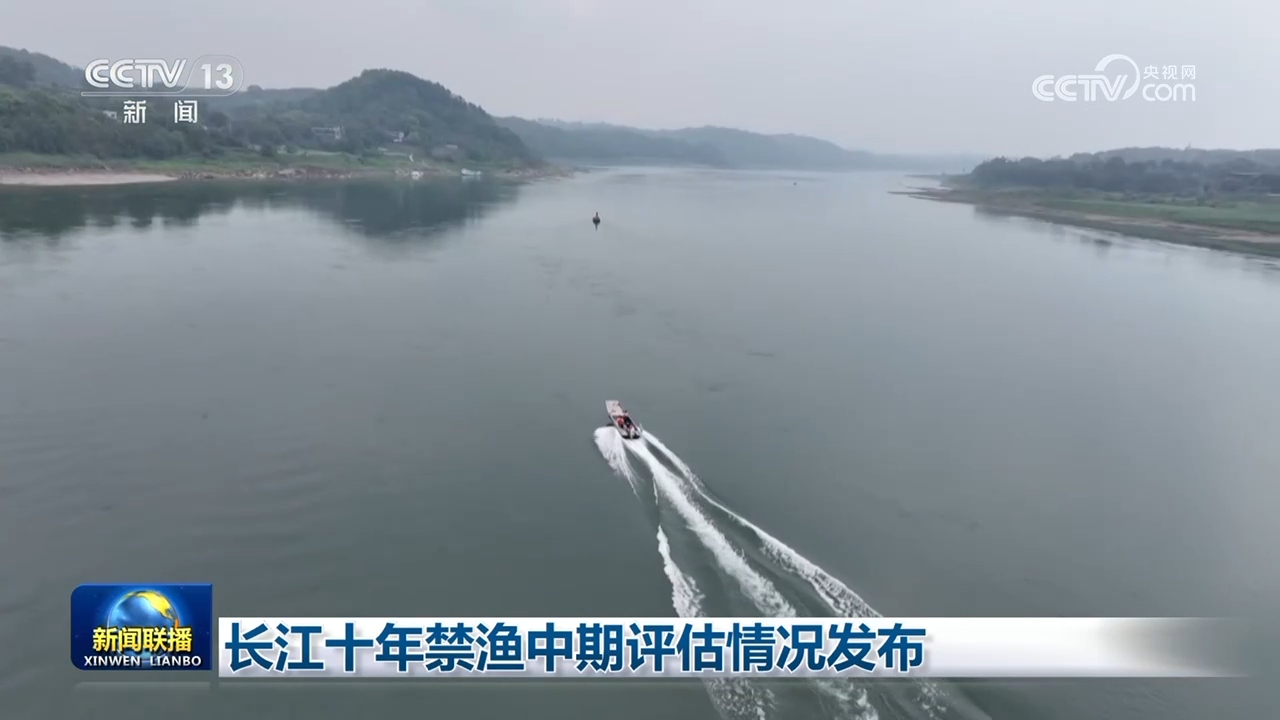
长江十年禁渔中期评估情况发布
Yang Shi Wang· 2026-01-30 12:12
五年来,各级农业农村、公安、市场监管等部门持续开展联合执法行动,涉渔违法行为呈现下降趋势。与此同时,对23.1万退捕渔民分类落实了养老保障、 转产就业等安置保障措施。 央视网消息(新闻联播):1月30日上午,国务院新闻办公室举行新闻发布会,农业农村部有关负责人介绍了长江十年禁渔中期评估情况。 自2021年1月1日起,长江流域重点水域开始施行暂定为期十年的常年禁渔。全面启动实施五年来,禁渔秩序总体稳定,取得了阶段性积极进展和显著成效。 2021年到2025年,长江流域累计监测到鱼类351种,比禁渔前增加43种,水生生物完整性指数显著提升。目前,旗舰物种长江江豚已经恢复至1426头,比 2022年调查时增加177头。 ...

长江十年禁渔中期答卷亮眼,生物多样性恢复持续向好
2 1 Shi Ji Jing Ji Bao Dao· 2026-01-30 10:18
在会上,农业农村部副部长张治礼表示,长江禁渔秩序总体稳定,取得了阶段性积极进展和显著成效,并进一步介绍了五方面 情况。 一是生物多样性恢复持续向好,长江逐步重现生机活力。旗舰物种长江江豚是目前长江中唯一的淡水鲸豚类动物,其生存状况 可以直接反映长江生态系统的健康程度。2025年专项调查显示,长江江豚已经恢复到1426头,比2022年调查时增加177头,成为 长江大保护的重要生态名片。中华鲟放流规模连续两年超过100万尾,长江鲟自然产卵试验取得成功,自然种群重建迈出关键步 伐。2021—2025年,长江流域累计监测到鱼类351种,比禁渔前增加43种,鱼类小型化趋势得到有效遏制,水生生物完整性指数 也得到显著提升。 二是禁渔秩序保持总体平稳,共抓大保护氛围持续形成。五年来,各级农业农村、公安、市场监管等部门持续开展"中国渔政亮 剑""平安长江"等联合执法行动,保持高压严管态势,斩断非法"捕运销"地下产业链,涉渔违法行为呈现下降趋势,非法捕捞得 到有效遏制。加强执法能力建设,雷达视频监控、无人机巡查等高科技智能化手段得到广泛应用,执法监管效能也得到大幅度 提升。沿江各地持续加强宣传引导,以案释法、以案普法,沿江群众 ...
长江流域禁渔以来鱼类增加43种 长江江豚增加177头至1426头
Xin Lang Cai Jing· 2026-01-30 08:15
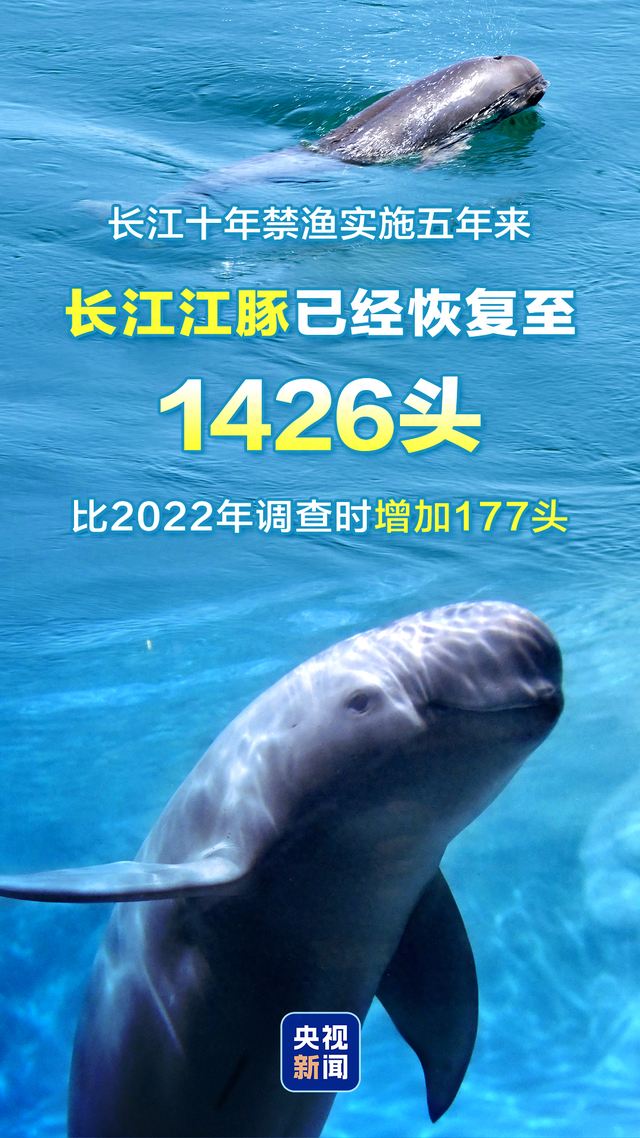
今天(30日)上午,国务院新闻办公室举行新闻发布会,农业农村部有关负责人介绍了长江十年禁渔中 期评估情况。 发布会上介绍,长江十年禁渔全面启动实施五年来,生物多样性恢复持续向好,长江母亲河逐步重现生 机活力。旗舰物种长江江豚是目前长江中唯一的淡水鲸豚类动物,它们的生存状况可以直接反映长江生 态系统的健康程度。2025年专项调查显示,长江江豚已经恢复至1426头,比2022年调查时增加177头, 成为长江大保护的重要生态名片。 来源:央视新闻客户端 中华鲟放流规模连续两年超100万尾,长江鲟自然产卵试验取得成功,自然种群重建迈出关键步伐。 2021—2025年,长江流域累计监测到鱼类351种,比禁渔前增加43种,鱼类小型化趋势得到有效遏制, 水生生物完整性指数显著提升。 (总台央视记者 梁丽娟 陈博) ...
农业农村部:十年禁渔“期中交卷” 长江生态持续向好
Zhong Guo Xin Wen Wang· 2026-01-30 07:52
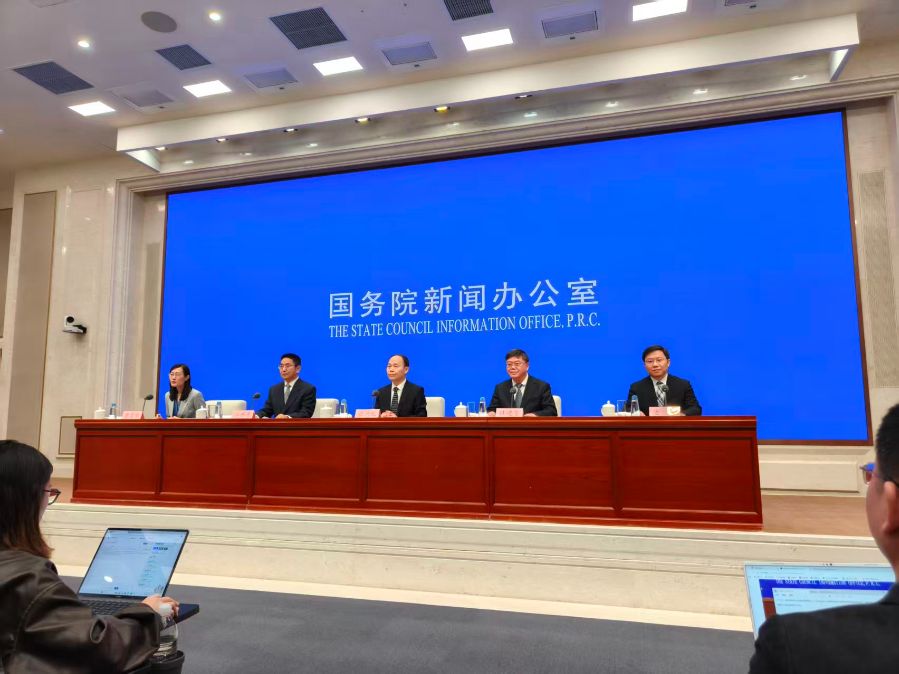
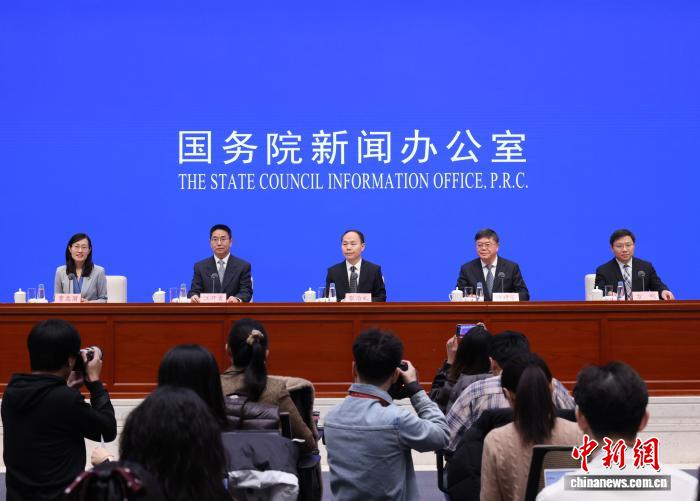
国务院新闻办公室30日举行新闻发布会,介绍长江十年禁渔中期评估成果和五年来阶段性成效,并答记 者问。 二是禁渔秩序保持总体平稳,共抓大保护氛围持续形成。五年来,各级农业农村、公安、市场监管等部 门持续开展"中国渔政亮剑"、"平安长江"等联合执法行动,保持高压严管态势,斩断非法"捕运销"地下 产业链,涉渔违法行为呈现下降趋势,非法捕捞得到有效遏制。加强执法能力建设,雷达视频监控、无 人机巡查等高科技智能化手段得到广泛应用,执法监管效能也得到大幅度提升。沿江各地持续加强宣传 引导,以案释法、以案普法,沿江群众"守江护江"的理念更加牢固,越来越多的志愿者加入到"护渔 员"协助巡护队伍,形成了共抓大保护的良好氛围。 三是安置保障政策措施有效落实,退捕渔民实现安居乐业。对23.1万退捕渔民建档立卡、分类施策,符 合参保条件的退捕渔民全部落实了养老保障,有劳动能力和就业意愿的基本实现转产就业,退捕渔民收 入总体稳定。对突发困难退捕渔民,通过纳入低保等救助范围、识别为防止返贫致贫监测对象等措施, 及时落实到人到户精准帮扶措施,保障基本生活。 1月30日,中国国务院新闻办公室在北京举行新闻发布会,农业农村部副部长张治礼,长江 ...
农业农村部:长江十年禁渔推动渔业绿色转型
Zhong Guo Xin Wen Wang· 2026-01-30 07:33
Core Viewpoint - The implementation of a ten-year fishing ban in the Yangtze River has positively influenced the green transformation of the fishing industry, ensuring sustainable aquatic resource management and enhancing the ecological system's service functions [1]. Group 1: Industry Development - The fishing ban has not adversely affected the effective supply of aquatic products in China, as the country has maintained its position as the world's largest producer of aquatic products for 36 consecutive years, with a total output expected to reach 73.576 million tons in 2024 [1]. - Aquaculture production has stabilized at over 80%, while freshwater catch has decreased to only 116,300 tons, accounting for less than 1.6% of total production [1]. - Research institutions have made breakthroughs in artificial breeding technologies for rare fish species, leading to improved quality and efficiency in the aquatic seedling industry [2]. Group 2: Market Operations - The production system for aquatic products in China is comprehensive, with coordinated development of freshwater aquaculture, marine aquaculture, and distant-water fisheries, ensuring a stable supply and diverse consumer choices [2]. - The market's adjustment capacity is robust, supported by ongoing improvements in cold chain logistics, processing capabilities, and market systems, which facilitate cross-regional distribution of aquatic products [2]. - The Ministry of Agriculture and Rural Affairs plans to guide the development of specialized industrial systems in the Yangtze River region, focusing on differentiated management goals while promoting the green transformation of related industries [2].