无核三原则

Search documents
日多名地方官员反对修订“无核三原则”
Xin Hua Ri Bao· 2025-11-19 03:09
继日本冲绳县、长崎县知事17日公开反对首相高市早苗修改"无核三原则"的企图后,广岛县知事、长崎 市市长18日也分别表达了反对意见。 广岛县知事汤崎英彦18日在记者会上表示,广岛作为人类历史上首次遭受原子弹轰炸的地方,"无核三 原则"理应被坚守。他说,依赖核武器的安全保障是危险的,政府应努力谋求摆脱核威慑。 长崎市市长铃木史朗18日也对媒体表示,高市早苗企图修改"无核三原则"将强化日本对核威慑的依 赖,"无核三原则"一直被视为日本的国策,必须强烈要求政府予以坚守。 ...
高市为何想修改无核三原则?
日经中文网· 2025-11-19 02:52
Core Viewpoint - Japan's nuclear policy, based on the "Three Non-Nuclear Principles" of not possessing, not producing, and not allowing the introduction of nuclear weapons, is facing potential modifications, particularly regarding the "not allowing" aspect, which may align with U.S. military strategies [1][3][6]. Group 1: Current Discussions and Political Dynamics - The ruling Liberal Democratic Party (LDP) plans to hold a study session on November 20 to outline topics for revising security documents, with discussions potentially including the non-nuclear principles [3][14]. - High-ranking officials within the Japanese government have indicated that the modification of the "not allowing" principle could be a topic of discussion in upcoming security document revisions [4][6]. - Former Self-Defense Forces Chief Kono Katsutoshi has emphasized the necessity of discussing operational cooperation with the U.S., suggesting a shift in Japan's nuclear stance due to changing geopolitical threats [8]. Group 2: Historical Context and Policy Evolution - The "Three Non-Nuclear Principles" were first articulated in 1967 by then-Prime Minister Sato Eisaku, establishing a framework that has since been challenged by the realities of U.S. military deployments [9][10]. - The principle of "not allowing" has been interpreted flexibly, leading to what some describe as a "2.5 principles" approach, where exceptions may be considered in times of crisis [11][14]. - The U.S. has historically maintained a policy of ambiguity regarding its nuclear capabilities in Japan, complicating the interpretation of Japan's non-nuclear stance [10][12]. Group 3: Regional and International Implications - Modifying the non-nuclear principles could escalate tensions with neighboring countries like China and North Korea, which possess nuclear capabilities that threaten Japan [6][14]. - There are concerns among Southeast Asian nations regarding the potential shift in Japan's nuclear policy, which could alter regional security dynamics [14].

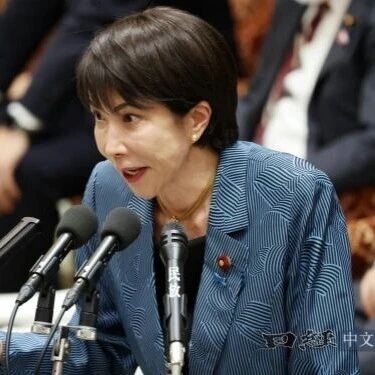
岸田文雄:反对修改“无核三原则”
中国基金报· 2025-11-19 02:27
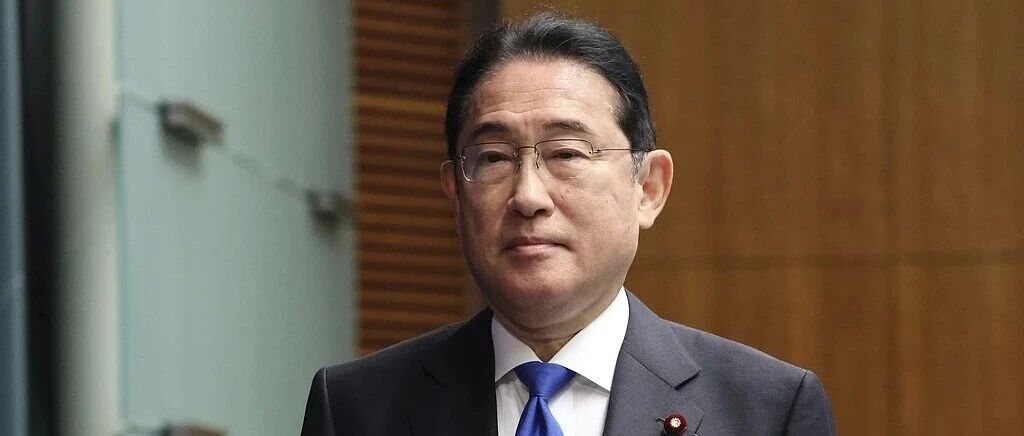
来源: 央视新闻 据央视新闻,针对日本首相高市早苗被曝考虑修改"无核三原则"一事,截至当地时间17日, 日本前 首相岸田文雄等4名广岛选区的自民党国会议员都在采访中明确表示,反对修改,应当坚持"无核三 原则"。 日本前首相岸田文雄在接受采访时表示,不对媒体报道内容进行推测性评论,但自担任首相时起, 他就已明确表示,将延续历届政府的立场,继续把"不拥有、不制造、不引进核武器"的"无核三原 则"作为国策,这一态度至今没有改变。 此外,自民党参议院议员宫泽洋一表示,"看不出重新审视('无核三原则')的好处",并称现在完全 没有必要刻意去修改。自民党众议院议员、法务大臣平口洋也表示,希望继续坚持"无核三原则"。 自民党众议院议员寺田稔则强调,绝对不应该推进修改"无核三原则"。 "无核三原则"指不拥有、不制造、不引进核武器。1967年,时任日本首相佐藤荣作在国会发言时提 出了"无核三原则"。这一原则于1971年在日本众议院全体会议上获得通过,成为日本政府关于核武 器的基本政策。2022年,日本政府通过的"安保三文件"中,也明确写入坚持"无核三原则"的基本方 针不会改变。然而据日本媒体披露,高市早苗正探讨在修订《国家安全 ...
岸田文雄等人:反对修改“无核三原则”
第一财经· 2025-11-19 01:56
针对日本首相高市早苗被曝考虑修改"无核三原则"一事,日本防卫大臣小泉进次郎在18日的记者会上 表示, 政府应将"无核三原则"作为政策方针予以坚持。 他称,关于"不引进核武器"这一点,虽然是 2010年日本民主党执政时期的表述,但现在仍将延续当时外务大臣冈田克也在国会答辩中所阐述的立 场。 此外,截至当地时间17日,日本前首相岸田文雄等4名广岛选区的自民党国会议员也都在采访中明确表 示,反对修改,应当坚持"无核三原则"。 日本前首相岸田文雄在接受采访时表示,不对媒体报道内容进行推测性评论,但自担任首相时起,他就 已明确表示, 将延续历届政府的立场,继续把"不拥有、不制造、不引进核武器"的"无核三原则"作为 国策,这一态度至今没有改变。 自民党参议院议员宫泽洋一表示,"看不出重新审视('无核三原则')的好处", 并称现在完全没有必 要刻意去修改。 自民党众议院议员、法务大臣平口洋也表示,希望继续坚持"无核三原则"。自民党众 议院议员寺田稔则强调,绝对不应该推进修改"无核三原则"。 "无核三原则"指不拥有、不制造、不引进核武器。1967年,时任日本首相佐藤荣作在国会发言时提出 了"无核三原则"。这一原则于1971年 ...
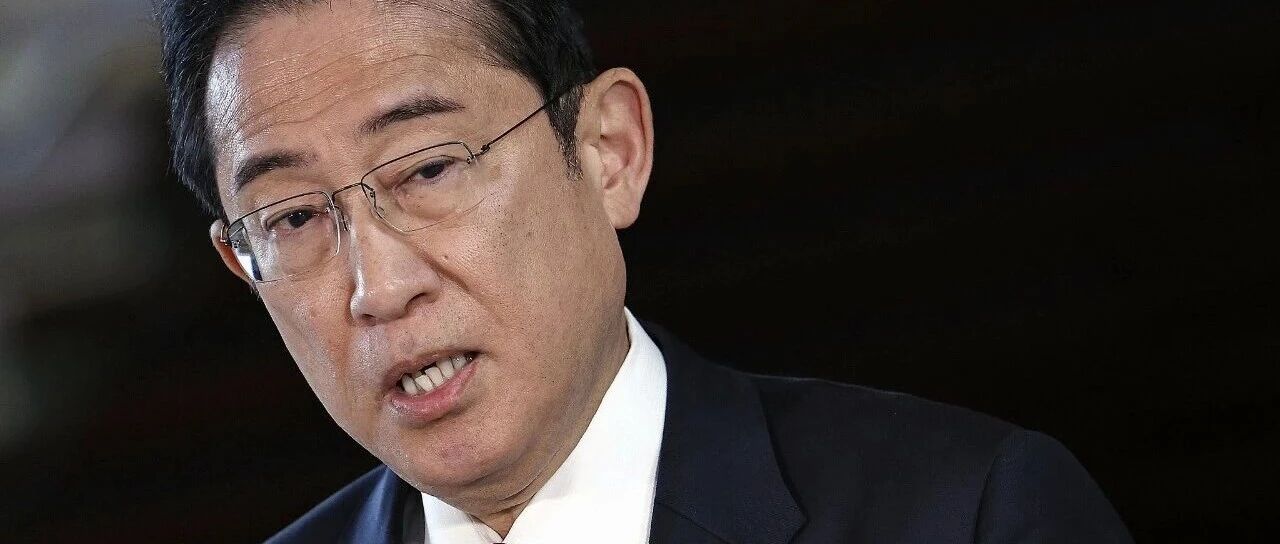
岸田文雄:反对修改“无核三原则”
财联社· 2025-11-19 01:45
据央视新闻,针对日本首相高市早苗被曝考虑修改"无核三原则"一事,截至当地时间17日, 日本前首相岸田文雄等4名广岛选区的自民党国会议员都 在采访中明确表示,反对修改,应当坚持"无核三原则"。 日本前首相岸田文雄在接受采访时表示,不对媒体报道内容进行推测性评论,但自担任首相时起,他就已明确表示,将延续历届政府的立场,继续 把"不拥有、不制造、不引进核武器"的"无核三原则"作为国策,这一态度至今没有改变。 此外,自民党参议院议员宫泽洋一表示,"看不出重新审视('无核三原则')的好处",并称现在完全没有必要刻意去修改。自民党众议院议员、法务 大臣平口洋也表示,希望继续坚持"无核三原则"。自民党众议院议员寺田稔则强调,绝对不应该推进修改"无核三原则"。 "无核三原则"指不拥有、不制造、不引进核武器。1967年,时任日本首相佐藤荣作在国会发言时提出了"无核三原则"。这一原则于1971年在日本众议 院全体会议上获得通过,成为日本政府关于核武器的基本政策。2022年,日本政府通过的"安保三文件"中,也明确写入坚持"无核三原则"的基本方针 不会改变。然而据日本媒体披露,高市早苗正探讨在修订《国家安全保障战略》等"安保三文件" ...
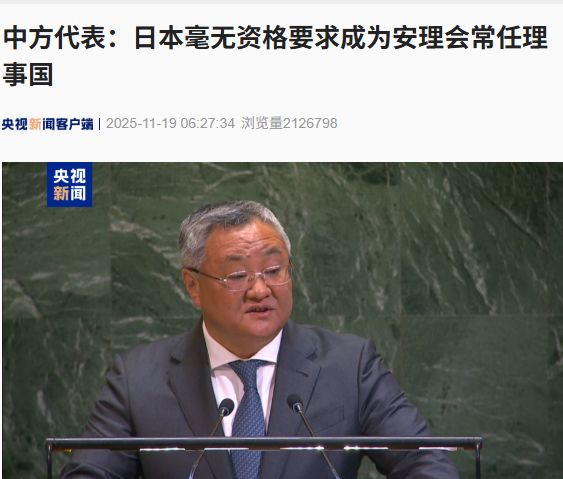
中方代表:日本毫无资格要求成为安理会常任理事国!起底高市黑历史
Mei Ri Jing Ji Xin Wen· 2025-11-19 00:36
Core Points - The article discusses China's strong condemnation of Japanese Prime Minister Fumio Kishida's remarks regarding Taiwan, which are seen as a provocation and a violation of China's sovereignty [1][2][3] - It highlights the historical context of Japan's colonial actions in Taiwan and the implications of Kishida's statements on regional security [12][13][18] Group 1: China's Response - China's UN representative Fu Cong criticized Kishida's comments as dangerous and a gross interference in China's internal affairs, asserting that Taiwan is an inseparable part of China [1][2] - Fu emphasized that Japan's historical aggression and colonial crimes cannot be overlooked, questioning Japan's commitment to peace and its qualifications for a permanent seat on the UN Security Council [2][12] - The Chinese government has demanded that Japan retract its provocative statements and provide a clear explanation to the Chinese people [5][6] Group 2: Japan's Military Policy Shift - Kishida's government is reportedly considering modifying Japan's "Three Non-Nuclear Principles," which could allow for the introduction of nuclear weapons and a shift towards a more aggressive military posture [14][16] - Analysts suggest that Japan is moving from a defensive to a potentially offensive military strategy, raising concerns about regional stability [16][17] - Kishida's administration is seen as continuing and intensifying the militaristic policies of former Prime Minister Abe, including increasing defense spending and enhancing military capabilities [17][20] Group 3: Historical Context - The article outlines Japan's historical responsibility regarding Taiwan, noting that Japan's colonial rule from 1895 to 1945 caused significant suffering to the Taiwanese people [12][13] - It argues that Japan lacks the moral authority to comment on Taiwan's situation due to its past actions and the ongoing implications of its militaristic rhetoric [3][12] Group 4: Regional Implications - Kishida's remarks have sparked criticism and protests, with experts suggesting that they are aimed at stirring tensions between China and Japan while aligning Japan more closely with U.S. strategic interests [9][13] - The potential for Japan to engage in military actions under the guise of collective self-defense raises alarms about escalating conflicts in the region [11][20]
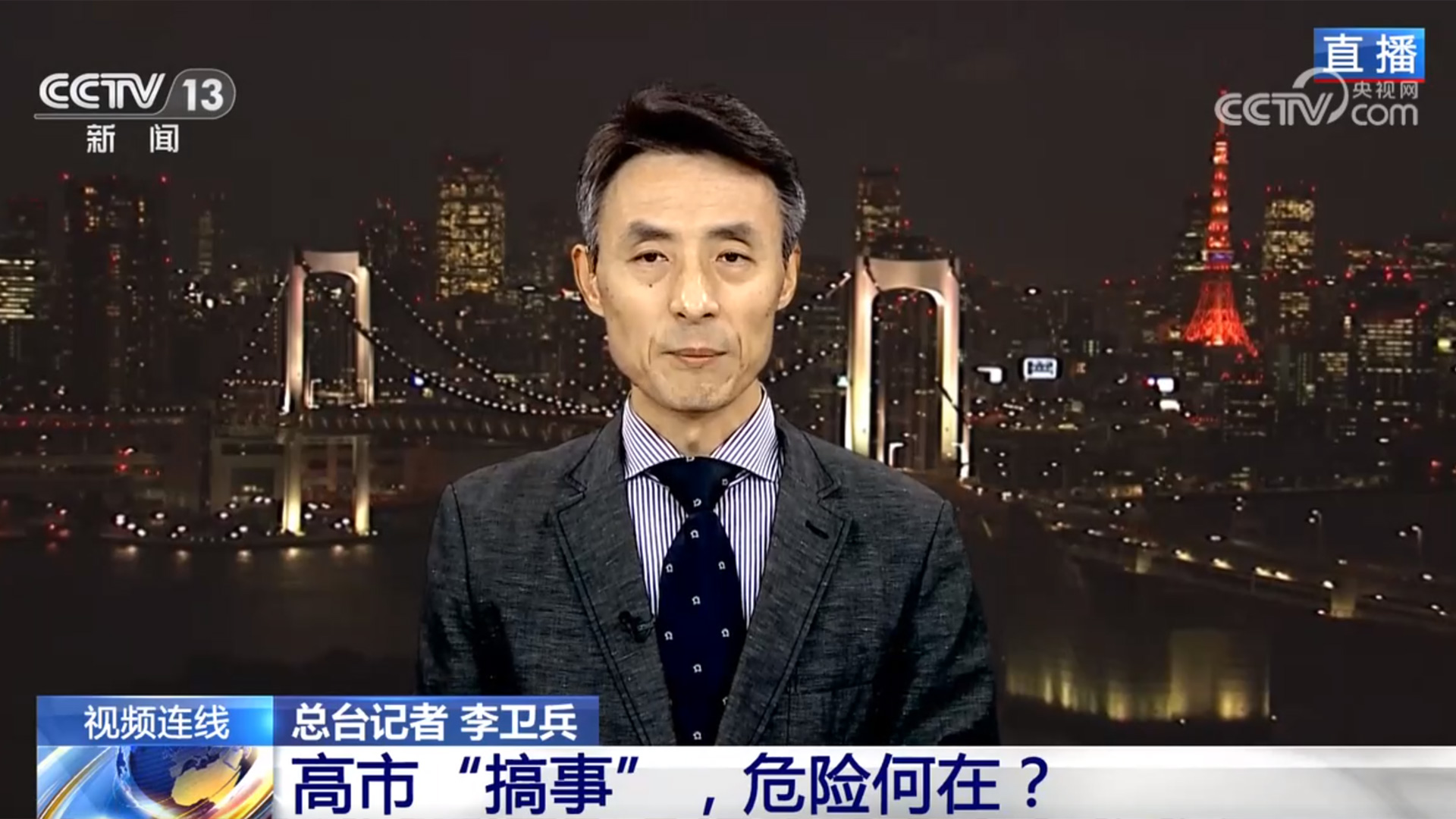
新闻1+1丨高市“搞事”,危险何在?
Yang Shi Wang· 2025-11-18 22:51
Core Viewpoint - The diplomatic tensions between China and Japan have escalated due to Japanese Prime Minister Sanae Takaichi's controversial remarks regarding Taiwan, which China views as a serious violation of its sovereignty and a threat to bilateral relations [1][7][12]. Group 1: Diplomatic Engagement - Recent diplomatic consultations in Beijing between Chinese and Japanese officials did not yield satisfactory results, as Japan's explanation of Takaichi's comments was deemed insufficient by China [1][6]. - Japan's Foreign Ministry aimed to clarify that Takaichi's statements did not reflect a change in government policy, but this was not accepted by China, which demands a retraction of the remarks [1][8]. Group 2: Domestic Reactions in Japan - Takaichi's potential plans to modify Japan's "Three Non-Nuclear Principles" have raised concerns domestically, with opposition parties questioning her intentions [3][4]. - Public opinion in Japan is increasingly critical of Takaichi's foreign policy approach, with fears that her actions could lead to significant diplomatic and security risks for the country [6][8]. Group 3: Implications for Japan-China Relations - The current situation is seen as a serious challenge to the political foundation of Japan-China relations, with calls for Takaichi to correct her statements to restore diplomatic stability [11][15]. - Analysts suggest that unless Takaichi retracts her controversial comments, the relationship between the two nations may continue to deteriorate, potentially leading to broader regional instability [12][15].
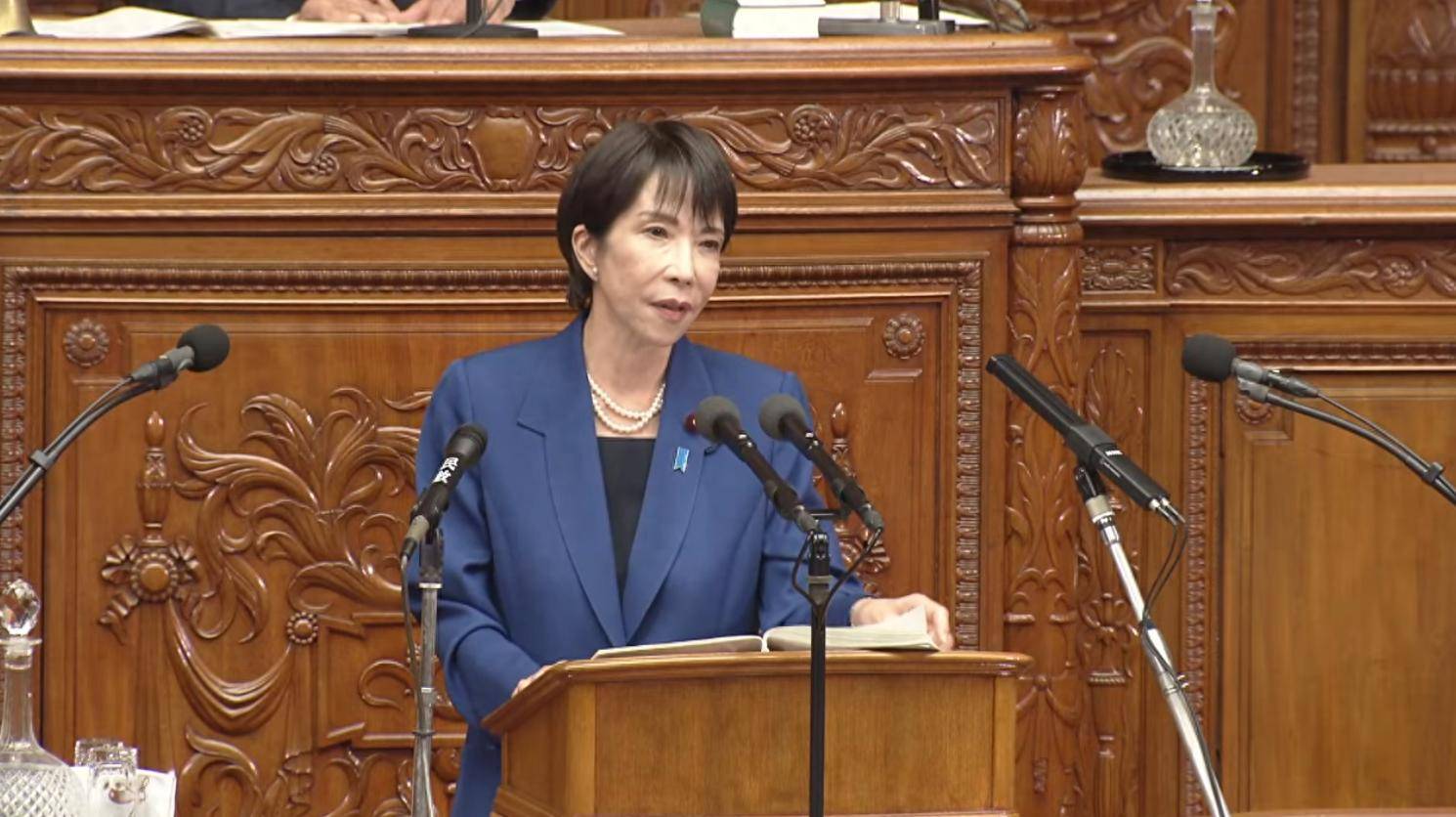
要动武?日本股市先"崩"为敬!高市早苗的豪赌,撞上中国经济铁壁
Sou Hu Cai Jing· 2025-11-18 15:22
Group 1: Political Developments - Japanese Prime Minister Sanae Takaichi's recent statements suggest a potential military intervention in the Taiwan Strait, indicating a shift in Japan's defense posture [1] - Takaichi's government plans to accelerate defense spending to 2% of GDP, originally set for fiscal year 2027, raising concerns given Japan's high debt levels [3] - The government is also considering changes to its "Three Non-Nuclear Principles," which could allow for the introduction of nuclear weapons [3] Group 2: Military Capabilities - Japan has been quietly building significant offensive capabilities, including the development of "counterstrike capabilities" and the procurement of 400 Tomahawk cruise missiles [4] - The Japan Maritime Self-Defense Force has modified two Izumo-class destroyers to operate F-35B fighter jets, enhancing its naval power [4] - Plans are underway to establish approximately 130 large ammunition depots across the country by 2035 [4] Group 3: Economic Context - Japan's economic dependency on China is substantial, with a 59.1% increase in investments in China in the first half of 2025, and over 30% reliance on Chinese supplies for key industries like automotive and semiconductors [7] - Japan's energy security is precarious, with 98% of its oil imported and 88% of that reliant on the Strait of Malacca, which is outside Japan's control [7] - The government's debt exceeds twice its GDP, raising concerns about the sustainability of increased defense spending [7] Group 4: Public Reaction - Takaichi's remarks have sparked widespread criticism domestically, with former Prime Minister Shigeru Ishiba and other political figures expressing concern over the implications of such statements [8] - Public protests have occurred, with citizens demanding Takaichi retract her statements and apologize [8] Group 5: Historical Context - Analysts draw parallels between Takaichi's rhetoric and historical narratives used to justify Japan's past military expansions, warning that such language may serve as a pretext for aggressive military policies [10] - The potential shift away from Japan's pacifist constitution could escalate regional tensions rather than enhance national security [10]
日本多名地方官员反对高市早苗修订“无核三原则”的企图
Xin Hua She· 2025-11-18 14:16
Core Viewpoint - The opposition to Prime Minister Fumio Kishida's attempt to amend Japan's "Three Non-Nuclear Principles" is growing among local leaders, emphasizing the importance of maintaining these principles for national security and historical significance [1]. Group 1: Opposition from Local Leaders - The governors of Okinawa and Nagasaki expressed their opposition to Kishida's plans on November 17, highlighting the need to uphold the "Three Non-Nuclear Principles" [1]. - Hiroshima Governor Hidehiko Yuzaki stated that relying on nuclear weapons for security is dangerous and that the government should seek to eliminate nuclear deterrence [1]. - Nagasaki Mayor Tomihiro Suzuki emphasized that amending the principles would increase Japan's reliance on nuclear deterrence, which has been a cornerstone of Japan's national policy [1]. Group 2: Historical Context of the "Three Non-Nuclear Principles" - The "Three Non-Nuclear Principles" refer to not possessing, not producing, and not introducing nuclear weapons, first articulated by former Prime Minister Eisaku Satō in 1967 [1]. - These principles were formally adopted by the Japanese Diet in 1971 and have been a fundamental aspect of Japan's nuclear policy [1]. - The Japanese government reaffirmed its commitment to these principles in the "Three Security Documents" passed in 2022, indicating that the basic stance would not change [1]. Group 3: Concerns Over Proposed Amendments - Reports indicate that Kishida is attempting to revise the "Three Non-Nuclear Principles" during the amendment of the National Security Strategy and other security documents, raising significant concerns domestically [1].
视频丨日本多地知事反对高市早苗错误言行
Yang Shi Xin Wen Ke Hu Duan· 2025-11-18 12:39
近日,日本首相高市早苗在国会发表的涉台错误言论以及拟修改"无核三原则"在日本国内引发轩然大波。连日来多个日本地方政府知事对高市早苗相关言行 表示反对。 广岛知事:必须坚持"无核三原则" 他还表示,如果日本政府对修改"无核三原则"展开具体讨论,他将敦促政府坚持"无核三原则"。 冲绳知事:日本国民绝不答应修改"无核三原则" 冲绳县知事玉城丹尼17日表示,日本是唯一遭受过原子弹轰炸的国家。如果日本修改"无核三原则",这与废除核武器的努力背道而驰,日本国民绝对不会答 应。此外,就高市早苗近日涉台错误言论,玉城丹尼呼吁高市谨慎发言。 长崎知事:修改"无核三原则"不可接受 18日,广岛县知事汤崎英彦当天就日本首相高市早苗考虑修改"无核三原则"一事发表评论称,"作为历史上第一个遭受原子弹爆炸破坏的地方,广岛县必须 坚持这三项原则。" 长崎县知事大石贤吾17日表示,日本政府长期以来坚守"无核三原则",修改这一原则是明显的"逆行",对于核爆受害地而言完全无法接受。 "无核三原则"指不拥有、不制造、不引进核武器。这一原则于1971年在日本众议院全体会议上获得通过,成为日本政府关于核武器的基本政策。 ...