国家安全保障战略

Search documents
全球瞭望|日媒社论:日本政府强军扩武威胁地区和平、损害国计民生
Xin Hua She· 2026-01-10 06:07
Group 1 - The core argument of the articles is that Japan's government is significantly increasing its military spending, which threatens regional peace and negatively impacts the livelihoods of its citizens [1][2] - In 2026, Japan is expected to face a critical year regarding opposition to large-scale military expansion, with the government planning to revise its security documents to include offensive capabilities [1] - The total defense budget for the fiscal years 2023 to 2027 is projected to reach approximately 43 trillion yen, with a goal to have defense spending account for 2% of GDP by 2025 [1] Group 2 - The current administration is also seeking to fully lift restrictions on the export of lethal weapons and amend the "Three Non-Nuclear Principles," which could lead to Japan exporting combat equipment [2] - If Japan proceeds with these changes, it may exacerbate international conflicts and alter its historical stance as a proponent of nuclear disarmament [2] - The proposed amendments to the "Three Non-Nuclear Principles" are viewed as unacceptable, given Japan's unique history as the only nation to have suffered atomic bombings [2]
高市政府仓促行动,日媒直言无法接受
Xin Lang Cai Jing· 2025-12-27 23:21
Core Viewpoint - The article discusses significant policy adjustments in Japan regarding the export of defense equipment, particularly the potential removal of restrictions on weapon exports, which raises concerns about the implications for international stability and Japan's identity as a peaceful nation [1][5][6]. Group 1: Policy Changes - The Japanese government is considering revising the "Three Principles on Transfer of Defense Equipment," allowing for weapon exports without the need for legislative changes, relying solely on government judgment [1][4][6]. - The ruling parties, including the Liberal Democratic Party (LDP) and the Japan Innovation Party, have agreed to eliminate restrictions on five categories of weapon use, which were previously limited to "rescue, transport, surveillance, monitoring, and mine clearance" [5][6]. Group 2: Economic and Security Implications - The government views weapon exports as a crucial policy tool for strengthening security relations with allied nations, while simultaneously reducing aid budgets for developing countries to about half of the peak levels seen in 1997 [2][5]. - There are concerns that shifting focus from economic and humanitarian aid to promoting lethal weapon exports may not contribute to local stability, raising ethical questions about the role of government and military-industrial interests in perpetuating conflict [2][6]. Group 3: Historical Context and Public Sentiment - Historically, there are numerous examples of government and military-industrial complexes instigating and prolonging wars, which raises alarms about Japan's approach to defense exports [2][6]. - The lack of public discussion and the rushed conclusions drawn by the ruling party regarding these significant policy changes are viewed as unacceptable by some observers [1][4][6].
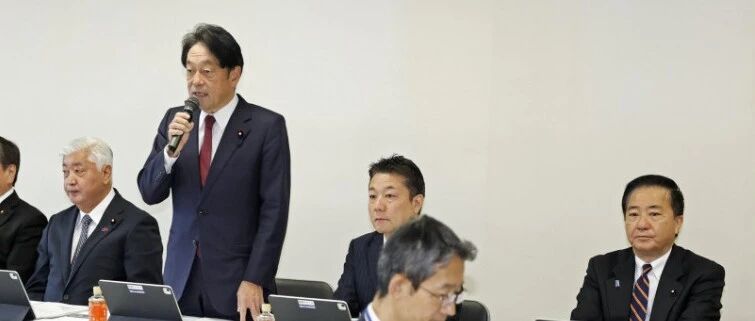
日本自民党开会讨论修改安保战略
财联社· 2025-11-20 08:29
Group 1 - The Japanese Liberal Democratic Party (LDP) is discussing amendments to the National Security Strategy and related documents, focusing on the "Three Non-Nuclear Principles" and new defense spending targets [1] - The LDP plans to compile recommendations by April next year, with the government aiming to complete the amendments by the end of next year [2]

日本多名地方官员反对高市早苗修订“无核三原则”的企图
Xin Hua She· 2025-11-18 14:16
Core Viewpoint - The opposition to Prime Minister Fumio Kishida's attempt to amend Japan's "Three Non-Nuclear Principles" is growing among local leaders, emphasizing the importance of maintaining these principles for national security and historical significance [1]. Group 1: Opposition from Local Leaders - The governors of Okinawa and Nagasaki expressed their opposition to Kishida's plans on November 17, highlighting the need to uphold the "Three Non-Nuclear Principles" [1]. - Hiroshima Governor Hidehiko Yuzaki stated that relying on nuclear weapons for security is dangerous and that the government should seek to eliminate nuclear deterrence [1]. - Nagasaki Mayor Tomihiro Suzuki emphasized that amending the principles would increase Japan's reliance on nuclear deterrence, which has been a cornerstone of Japan's national policy [1]. Group 2: Historical Context of the "Three Non-Nuclear Principles" - The "Three Non-Nuclear Principles" refer to not possessing, not producing, and not introducing nuclear weapons, first articulated by former Prime Minister Eisaku Satō in 1967 [1]. - These principles were formally adopted by the Japanese Diet in 1971 and have been a fundamental aspect of Japan's nuclear policy [1]. - The Japanese government reaffirmed its commitment to these principles in the "Three Security Documents" passed in 2022, indicating that the basic stance would not change [1]. Group 3: Concerns Over Proposed Amendments - Reports indicate that Kishida is attempting to revise the "Three Non-Nuclear Principles" during the amendment of the National Security Strategy and other security documents, raising significant concerns domestically [1].
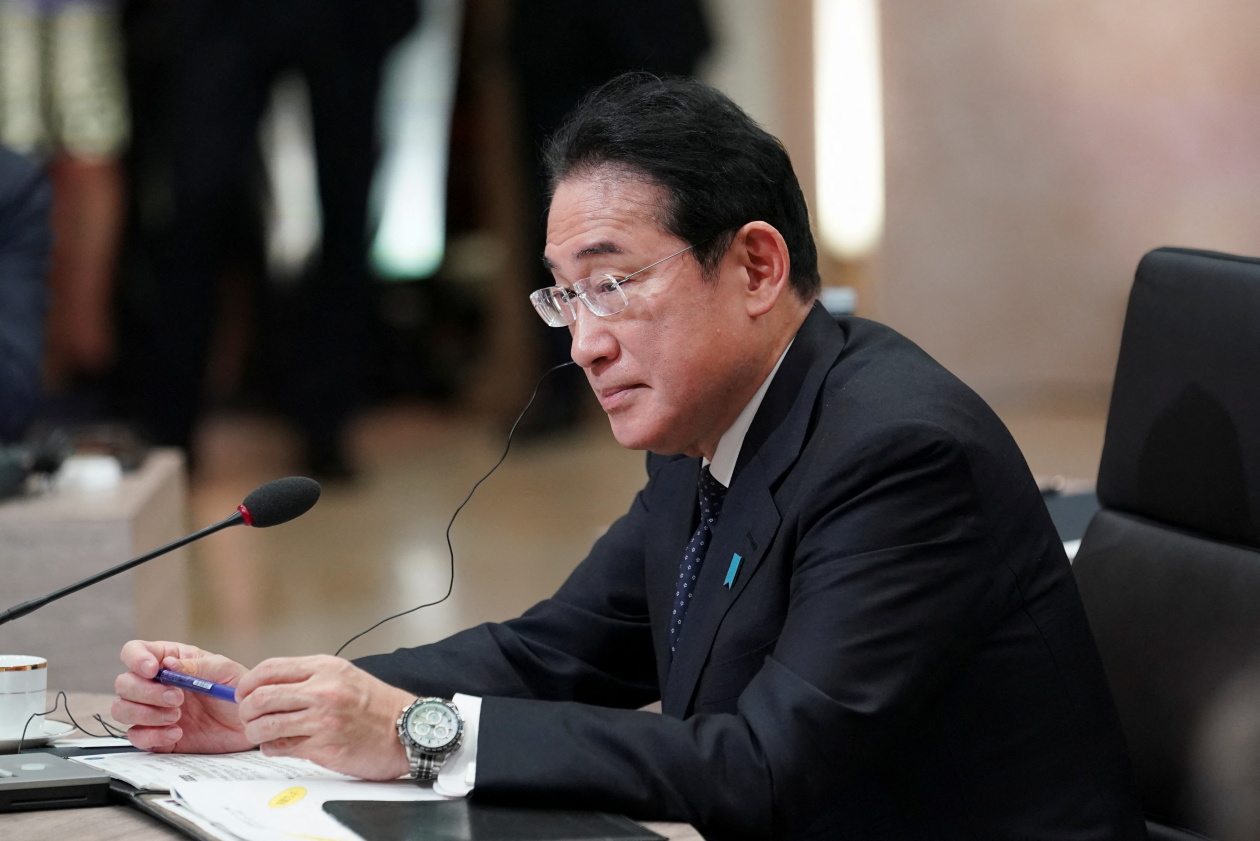
日媒:高市早苗欲修改“无核三原则”,岸田文雄等自民党成员表态反对
Huan Qiu Wang· 2025-11-18 08:36
Core Viewpoint - The potential modification of Japan's "Three Non-Nuclear Principles" by Minister of Defense Hamada takes center stage, with significant opposition from various members of the ruling Liberal Democratic Party (LDP) [1][3]. Group 1: Opposition from LDP Members - Former Prime Minister Kishida Fumio and three other LDP lawmakers from Hiroshima have expressed their opposition to any changes to the "Three Non-Nuclear Principles" [1][3]. - Kishida emphasized that he has repeatedly reaffirmed the commitment to the "Three Non-Nuclear Principles" during his tenure as Prime Minister, indicating that there will be no changes [3]. - Other LDP members, including Senator Miyazawa Koichi and Minister of Justice Hirakubo Hiroshi, also voiced their stance against modifying the principles, stressing the importance of maintaining them [3]. Group 2: Diverging Opinions within LDP - Among the four LDP lawmakers from Hiroshima, Representative Ishibashi Rintaro suggested that modifications to the "Three Non-Nuclear Principles" should be considered if necessary, while the remaining three did not provide a clear stance [3]. Group 3: Historical Context and Current Concerns - The "Three Non-Nuclear Principles," established in 1967, form Japan's fundamental nuclear policy, which states that Japan will not possess, manufacture, or introduce nuclear weapons [3]. - The current National Security Strategy of Japan explicitly states that the basic policy of adhering to the "Three Non-Nuclear Principles" will not change in the future [3]. - Concerns have been raised domestically regarding the potential revision of these principles, particularly in light of discussions about amending Japan's National Security Strategy and related security documents [3]. Group 4: Reactions from Local Leaders - Okinawa Governor Tamaki Denny stated that any modification to the "Three Non-Nuclear Principles" would be unacceptable to the public, emphasizing the importance of maintaining a path toward nuclear disarmament [4]. - Nagasaki Governor Oishi Kengo described any changes to the principles as a clear regression, which would be completely unacceptable for the victims of nuclear bombings [4].
会招来战争,极其危险!”高市早苗要动“无核三原则
Xin Jing Bao· 2025-11-16 22:46
Core Viewpoint - Japanese Prime Minister Sanna Takashi is considering revising the "Three Non-Nuclear Principles," which prohibit Japan from possessing, producing, or introducing nuclear weapons, indicating a significant shift in Japan's post-war security policy [1][2][4]. Group 1: Policy Changes - Takashi has expressed dissatisfaction with the "Three Non-Nuclear Principles," suggesting that adhering to the principle of not allowing foreign nuclear weapons into Japan may hinder U.S. nuclear deterrence [2][5]. - The potential modification of these principles has raised concerns about Japan's commitment to its post-war pacifist stance and could provoke strong domestic and international backlash [1][6]. Group 2: Historical Context - The "Three Non-Nuclear Principles" were established in 1967 by then-Prime Minister Eisaku Satō and have been a cornerstone of Japan's national policy regarding nuclear weapons [1][4]. - Japan's historical context as a nation that suffered from nuclear attacks during World War II has shaped its current stance on nuclear weapons, which is now being questioned under Takashi's leadership [4][6]. Group 3: Domestic and International Reactions - There is significant domestic opposition to any changes to the "Three Non-Nuclear Principles," with critics arguing that such a move could lead to increased militarization and potential conflict [3][6]. - Internationally, concerns have been raised by countries like China regarding Japan's military security developments, which could signal a dangerous shift in Japan's defense policy [6][7].
日本前首相:高市早苗应坚持“无核三原则”
Xin Hua She· 2025-11-16 05:41
Core Points - The former Prime Minister of Japan, Yoshihiko Noda, emphasized that current Prime Minister Sanae Takaichi should adhere to the "Three Non-Nuclear Principles" [1] - Takaichi's recent consideration to modify the "Three Non-Nuclear Principles" has raised concerns, as she did not address this issue during her campaign for the Liberal Democratic Party presidency [1] - The "Three Non-Nuclear Principles," established in 1967, state that Japan will not possess, manufacture, or introduce nuclear weapons [1] Summary by Sections - **Political Context** - Noda's statement reflects a significant political stance regarding Japan's nuclear policy [1] - Takaichi's potential revision of the principles is seen as abrupt and unexpected [1] - **Historical Background** - The "Three Non-Nuclear Principles" were first articulated by former Prime Minister Eisaku Satō and were formally adopted by the Japanese Diet in 1971 [1] - These principles have been a cornerstone of Japan's nuclear policy, reaffirmed in the 2022 national security documents [1] - **Current Developments** - Reports indicate that Takaichi is exploring changes to the principles as part of a broader review of Japan's national security strategy [1] - There has been a lack of clear commitment from Takaichi regarding the adherence to these principles in upcoming security document revisions [1]
日媒:高市早苗若修改“无核三原则”必将引发强烈批评
Xin Hua She· 2025-11-15 13:10
Core Points - Japanese Prime Minister Fumio Kishida is considering revising the "Three Non-Nuclear Principles" during the update of the National Security Strategy and other security documents, which could signify a shift in Japan's post-war security policy [1] - The "Three Non-Nuclear Principles" established in 1967 state that Japan will not possess, manufacture, or introduce nuclear weapons, and have been a fundamental policy since their adoption in 1971 [1] - Kishida aims to maintain the stance of not possessing or manufacturing nuclear weapons but is contemplating allowing the introduction of nuclear weapons to enable U.S. military vessels to dock in Japan, thereby enhancing U.S. nuclear deterrence [1] Summary by Sections National Security Strategy - The revision of the National Security Strategy may lead to a modification of the "Three Non-Nuclear Principles," which has been a cornerstone of Japan's defense policy [1] - The update is expected to provoke strong criticism both domestically and internationally if changes are made [1] Public Sentiment - The "Three Non-Nuclear Principles" have historically received broad support from the Japanese public, especially given Japan's experience during World War II [2] - There is a call for the Prime Minister to deeply understand the implications of altering this long-standing policy, emphasizing that such a decision should not be made lightly [2]
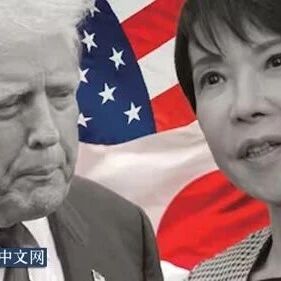
特朗普10月27日访日,见天皇和高市早苗
日经中文网· 2025-10-22 08:00
Core Points - Trump is scheduled to visit Japan from October 27 to 29, marking his first visit since June 2019 during the G20 summit in Osaka [2][4] - The meeting between Trump and Japanese Prime Minister Fumio Kishida will focus on strengthening the Japan-U.S. alliance and discussing defense policies [4][5] Group 1 - The meeting with the Emperor of Japan is set for October 27, followed by a summit with Prime Minister Kishida on October 28 [2][4] - The Japan-U.S. summit aims to establish personal trust between the leaders and enhance cooperation to reinforce the Japan-U.S. alliance [4] - The discussions will likely address Japan's defense spending and the slow progress in increasing defense budgets, with a proposed total defense budget of approximately 43 trillion yen for 2023-2027 [4] Group 2 - Japan's Foreign Minister Toshimitsu Motegi emphasized the importance of strengthening cybersecurity and defense capabilities in response to new combat methods, such as the extensive use of drones [5]