
智能建造

Search documents
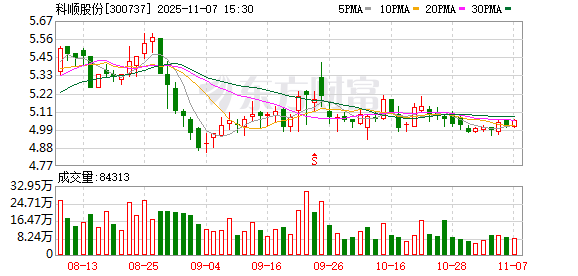
科顺股份:公司高度重视建筑行业智能化发展趋势,积极探索防水施工智能化升级
Zheng Quan Ri Bao· 2025-11-07 13:40
Core Viewpoint - The company emphasizes the importance of intelligent development in the construction industry and is actively exploring the intelligent upgrade of waterproof construction [2] Group 1: Company Initiatives - The company is committed to integrating relevant technologies to promote the research and development of waterproof materials [2] - The company aims to optimize construction processes and enhance engineering management through intelligent transformation [2] - The goal is to create more efficient "smart construction" application scenarios [2]


长沙智能建造重塑城市“筋骨”
Chang Sha Wan Bao· 2025-11-07 05:00
Core Insights - The article highlights Changsha's advancements in intelligent construction and new building industrialization, showcasing its role as a national pilot city in these areas [3][4][10]. Group 1: Intelligent Construction Framework - Changsha has developed a comprehensive framework for intelligent construction, termed "Four Beams and Eight Pillars," focusing on development strategy, construction models, industrial systems, and support mechanisms [3]. - During the pilot phase, 22 innovative measures from Changsha were included in the Ministry of Housing and Urban-Rural Development's replicable experience list, earning "excellent" ratings for two consecutive years [4]. Group 2: Industrial Growth and Economic Impact - The total output value of intelligent construction in Changsha is projected to reach 180 billion yuan in 2024, with expectations to exceed 200 billion yuan in 2025, doubling from 2023 [6]. - The composition of this output includes approximately 33% from intelligent equipment, 40% from intelligent construction, 17% from production, and 4% from design, indicating a well-rounded industrial chain [6]. Group 3: Digital Platforms and Technology Integration - Changsha is building universal, inclusive, and market-oriented digital technology platforms to facilitate the digital transformation of small and medium enterprises [5]. - Notable platforms include the "BIM Forward Design Collaboration Platform" and "Flexible Intelligent Production Platform," which enhance the industry's smart upgrade and high-quality development [5]. Group 4: Talent Development and Training - A comprehensive training system has been established to support industrial transformation, with over 1,000 individuals trained annually in emerging professions related to intelligent construction [8]. - The city has formed a multi-tiered talent cultivation structure, including partnerships with seven universities to offer specialized programs in intelligent construction [8]. Group 5: International Expansion - Companies from Changsha, such as Hunan Construction Investment and SANY Heavy Industry, have successfully expanded their operations to international markets, including Indonesia, Saudi Arabia, and South Korea, through collaborative models [7]. Group 6: Future Plans and Goals - The "14th Five-Year" intelligent construction development plan aims to elevate the industry, targeting an output value of over 500 billion yuan by 2030 [11]. - Changsha plans to establish an "481" technology system covering the entire industrial chain, focusing on digital technology, green building materials, and intelligent equipment [12].
相关单位会上作交流发言:迎难而上 不胜不休
Chang Jiang Ri Bao· 2025-11-07 00:29
Core Viewpoint - The central urban work conference emphasizes the goal of building modern, innovative, livable, beautiful, resilient, civilized, and smart cities, highlighting that urban renewal is a complex system project requiring collaborative efforts from various stakeholders [1] Group 1: Urban Renewal Goals and Projects - Wuhan aims to establish its urban renewal projects as a national model, focusing on the implementation of 80 "small but beautiful" renewal areas, including the renovation of old buildings, neighborhoods, and factories [2] - The Qiaokou District plans to initiate 30 projects over three years, including the revitalization of historical sites and the renovation of 42 old residential communities [2] - Wuchang District is exploring urban renewal to promote intrinsic development, successfully revitalizing idle factory areas and transforming them into financial and cultural hubs [2][3] Group 2: Challenges and Solutions - Urban renewal faces challenges such as land acquisition, funding, and procedural hurdles, necessitating innovative policy solutions to streamline planning, land allocation, and project execution [5] - The National Development Bank has provided over 150 billion yuan in credit for urban renewal across eight key areas, demonstrating a commitment to financing urban development projects [5][6] Group 3: Innovation and Technology in Urban Renewal - The integration of smart construction and technology is crucial for urban renewal, with companies like China State Construction Engineering Corporation planning to expand their services in this area [7] - The city plans to establish a unified digital platform for urban renewal projects, enhancing management and approval processes through innovative technologies like BIM (Building Information Modeling) [8]
聚焦“好房子” 第二十二届中国住博会开幕
Xin Lang Cai Jing· 2025-11-06 11:46
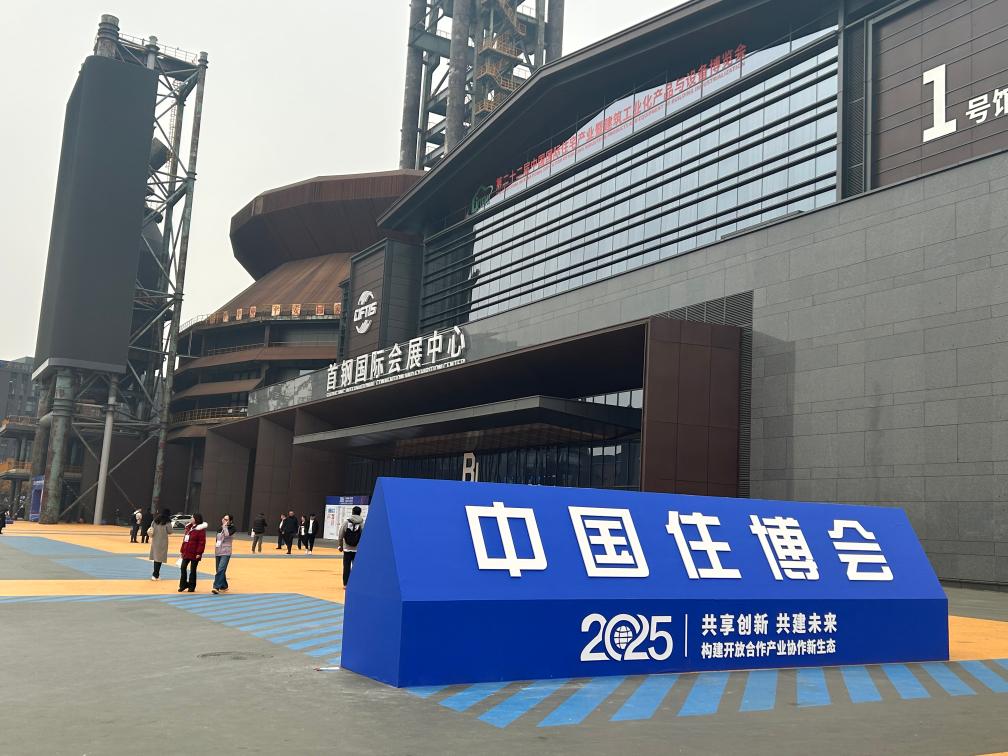
Core Insights - The 22nd China International Housing Industry and Building Industrialization Products and Equipment Expo opened on November 6 in Beijing, focusing on the construction of "good houses," green and low-carbon industry development, urban renewal, and intelligent construction [1] Group 1: Event Overview - The expo features special exhibition areas for "good house" model homes, digital families and smart homes, new building industrialization, prefabricated decoration, low-carbon and zero-carbon buildings, and China-Central Asia cooperation [1] - The event showcases advanced and practical technologies and products, including domestic BIM core platforms, digital twin collaborative tools, high-performance building materials, construction robots, and urban drainage emergency equipment [1]
聚焦“好房子”,第二十二届中国住博会开幕
Xin Hua Wang· 2025-11-06 11:42
Core Insights - The 22nd China International Housing Industry and Building Industrialization Products and Equipment Expo opened on November 6 in Beijing, focusing on "shared innovation, building the future, and creating a new ecosystem for open cooperation in industrial collaboration" [1][3] Group 1: Event Overview - The expo showcases the latest technologies and products in the housing and urban construction sector, promoting the application of technological innovations and leading industry transformation and upgrading [1][3] - The event features special exhibition areas such as model houses for "good housing," green and low-carbon industry development, urban renewal, and smart construction [3] Group 2: Exhibits and Technologies - Key exhibits include domestic BIM core platforms, digital twin collaborative tools, high-performance building materials, construction robots, and urban drainage emergency equipment [3] - The expo is organized by the Ministry of Housing and Urban-Rural Development's Science and Technology and Industrialization Development Center, along with other industry associations, gathering over 200 domestic and international enterprises with an exhibition area of 17,000 square meters [3] Group 3: Industry Impact - The expo aims to showcase China's technological innovation achievements in housing and urban construction, fostering an open collaborative industrial ecosystem and injecting innovative momentum into the transformation and upgrading of building industrialization, digitalization, and greening [3]
从工地到工厂 建筑产业进入全智能时代
Zhong Guo Fa Zhan Wang· 2025-11-05 13:07
Core Insights - The article highlights the transformation of the Chinese construction industry towards "smart construction," driven by technological innovation and digitalization, marking a shift from labor-intensive practices to data-driven, factory-like operations [1][6]. Group 1: Smart Production Lines - The fifth-generation green intelligent tunnel segment production line integrates multiple robots for a fully automated process, achieving a 30% increase in efficiency and a 50% reduction in labor intensity [2]. - Each segment produced has a unique QR code for traceability throughout its lifecycle, showcasing the integration of BIM, IoT, and big data technologies [2]. Group 2: Digital Construction Hub - The digital construction hub for underground projects allows remote monitoring and control of shield tunneling machines, significantly improving efficiency and safety by enabling real-time data analysis and remote operation [4][5]. - The system currently monitors over 40% of underwater and urban large-diameter shield tunnels in China, demonstrating its extensive application and effectiveness [5]. Group 3: Intelligent Detection Systems - The new smart detection industrial park automates the entire concrete testing process, increasing daily testing capacity to 300 samples and tripling efficiency compared to traditional methods [6][7]. - The "Smart Inspection Cloud" platform enhances data collection and reporting efficiency by 40%, marking a significant shift from manual to automated processes in construction quality assurance [7]. Group 4: Overall Industry Impact - The comprehensive integration of smart production, digital construction, and intelligent detection signifies a full-chain upgrade in the construction industry, leading to safer, more efficient, and higher-quality building practices [6][7]. - The ongoing technological advancements are reshaping the future landscape of the construction industry in China, fostering a new era of intelligent infrastructure development [1][6].
中铁十四局:构建工程建设全生命周期智能化体系
Zhong Zheng Wang· 2025-11-05 12:50
Core Insights - The company is transforming the traditional construction industry through advanced technologies and smart equipment, establishing a comprehensive intelligent construction system that covers the entire lifecycle of engineering projects [1][2] Group 1: Intelligent Construction Innovations - The company has developed a smart production line, digital construction hub, and intelligent detection systems, significantly enhancing the efficiency and precision of construction processes [1] - The company aims to create "unmanned factories" by accelerating the layout of intelligent equipment, including heavy-duty logistics robots and smart inspection robots [1][2] Group 2: Digital Shield Tunneling Technology - The company has implemented a digital shield system that monitors over 40% of underwater and urban large-diameter shield tunnels in China, managing 132 shield machines and providing real-time data analysis and alerts [2] - The digital shield system processes 20,000 key tunneling parameters per second, ensuring comprehensive safety and operational control during construction [2] Group 3: Smart Testing and Quality Control - The company has invested over 150 million yuan in smart testing research and development, creating three unmanned smart laboratories for concrete and steel testing, enabling 24-hour automated management [3] - The "Smart Inspection Cloud" platform has improved testing efficiency by 40% by transitioning from manual to digital operations, integrating over 30 devices into the Internet of Things [3]
深圳地铁的“智变”密码
Ke Ji Ri Bao· 2025-11-03 23:57
Core Insights - Shenzhen Metro Group has showcased innovative technologies such as muon imaging and intelligent repair robots, enhancing safety and efficiency in tunnel construction [1][2] - As of the end of 2024, there are 58 cities in mainland China with urban rail transit, totaling over 12,000 kilometers of operational track, with Shenzhen ranking fifth in operational mileage [1] - Shenzhen's metro network has been built and operated at a high level over the past 20 years, driven by innovation and the adoption of smart technologies [1] Technological Innovations - The muon imaging device developed by Shenzhen Metro Group and universities can detect geological features and provide critical decision support for safe construction [2] - The world's largest rectangular shield tunneling machine, "Dayu Juejin," has been deployed in Shenzhen, utilizing multiple smart technologies to enhance urban construction solutions [2] - The first automatic driving system detection vehicle in China has been fully applied in Shenzhen's metro lines, significantly improving construction efficiency and safety [2] Smart Operations and Maintenance - The Gangxia North Station, the largest single rail transit project in China, features advanced smart technologies such as real-time crowd monitoring and facial recognition for ticketing [3] - At the Science Museum Station, drones and high-precision cameras are used for automated inspections, achieving a fault detection rate of over 93% for rail vehicle components [3] - The Ministry of Transport and other departments have issued guidelines for the widespread application of artificial intelligence in the transportation sector by 2027, aiming to establish a comprehensive AI model system [3] Future Opportunities - The introduction of a mobile intelligent heavy-load repair robot system in Shenzhen Metro represents a transformative opportunity for high-density rail transit cities [4] - Shenzhen Metro is expected to become a source of new scenarios and demands for smart operations and maintenance, driving the development and application of artificial intelligence technologies [4]
聚“智”前行,推进新时代“好房子”建设
Yang Shi Wang· 2025-11-03 12:30
Core Insights - The expo focuses on "developing the industrial internet and co-building 'good houses'" with seven major exhibition areas showcasing innovative products and technologies in smart construction [1][2] - The event features over 1,300 innovative exhibits from exhibitors across 13 countries and regions, aiming to address industry pain points and facilitate transaction cooperation [1] Group 1: Event Overview - The expo is guided by various organizations including the China Construction Industry Association and aims to promote digital and intelligent transformation in the construction industry [2] - It serves as a global platform for smart construction industry collaboration, injecting strong momentum into the sector's digitalization and intelligentization [2] Group 2: Featured Technology - The indoor mobile line-drawing robot 2.0 from China State Construction Decoration has gained attention for its lightweight design and advanced performance, achieving 2mm precision in automatic line drawing [2] - The robot is a complete solution comprising hardware, software, and services, addressing three major industry pain points: precise indoor positioning, adaptability to complex environments, and significantly reduced costs compared to imported equipment [2]
2025国际(武汉)智能建造产业博览会一线探展
Zhong Guo Jing Ji Wang· 2025-11-03 08:26
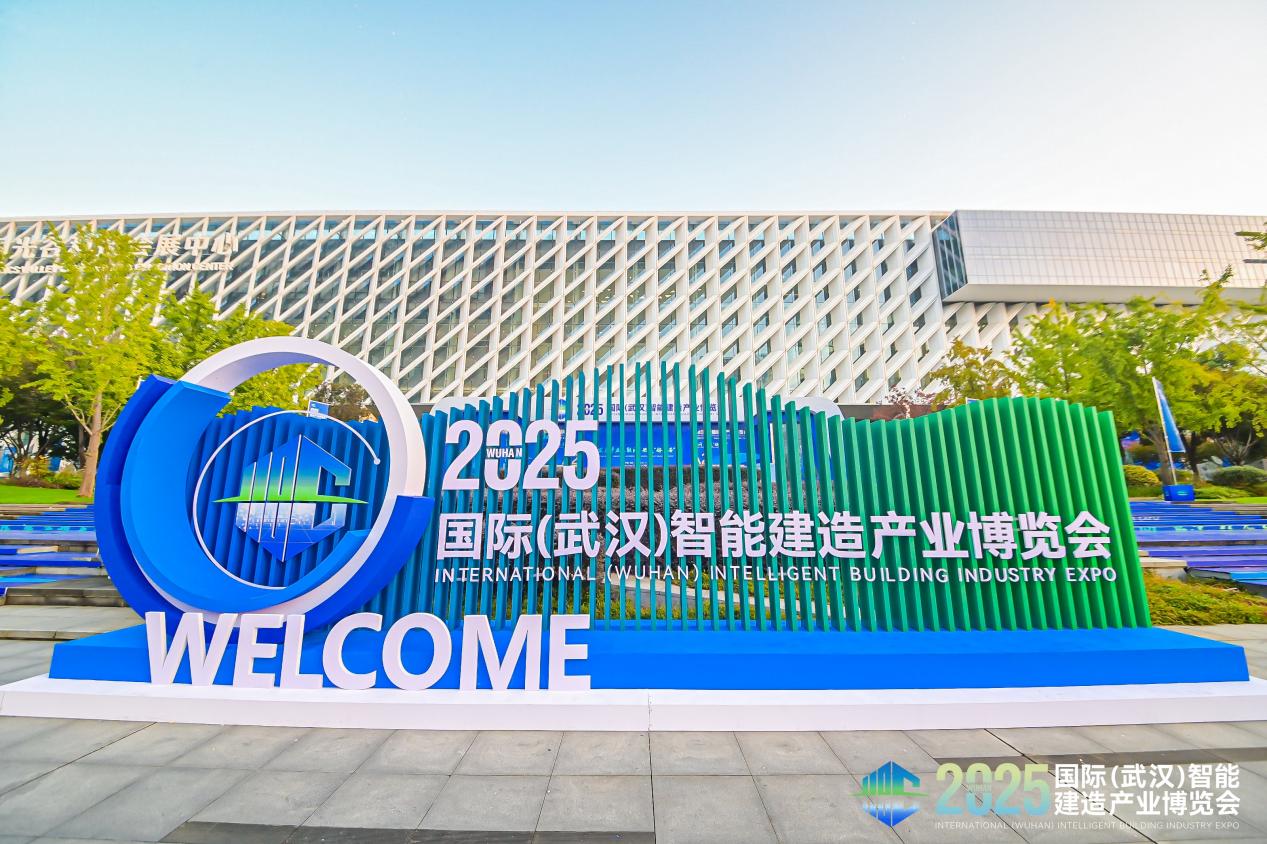
Core Insights - The 2025 International (Wuhan) Smart Construction Industry Expo showcases advancements in smart construction, featuring nearly 20,000 square meters of exhibition space and 1,300 innovative products from 25 organizations including China State Construction Engineering Corporation, Huawei, and Tsinghua University [1] Group 1: Event Overview - The expo focuses on the theme of "Developing Industrial Internet, Co-constructing 'Good Houses'" and includes seven major exhibition areas addressing key issues in the construction industry [1] - The event aims to create a global ecosystem for smart construction, facilitating resource integration and showcasing cutting-edge technologies [1] Group 2: Innovations and Technologies - A notable product displayed is the Green Health Indoor Air Quality Monitoring Device, developed by China State Construction Decoration and Tsinghua University, capable of detecting over ten harmful substances with a precision of up to 96% [2] - The Amic modular building product, developed by China State Construction Decoration, integrates various construction processes and achieves a construction accuracy of ±2mm, with an overall assembly rate of 96% [3] - The magnesium wing composite board is highlighted as a green building material, offering multiple advantages such as lightweight, insulation, and fire resistance, contributing to low-carbon construction solutions [3] Group 3: Industry Challenges and Solutions - The company addresses the urgent need for safety monitoring and maintenance of aging high-rise building facades through innovative technologies like the stone curtain wall imaging detection system and drone inspection systems [4] - A diagnostic service system has been established to provide precise assessments and digital management of building facades, which has been applied in nearly 100 projects [4] Group 4: Future Directions - The company emphasizes the importance of integrating technology throughout the entire lifecycle of construction, aiming to enhance standards, design, materials, construction, and maintenance for the development of 'Good Houses' [4]