
价值竞争

Search documents
化纤产量飙升库存“爆仓”,纺织业洗牌加速!
Sou Hu Cai Jing· 2025-04-28 00:13
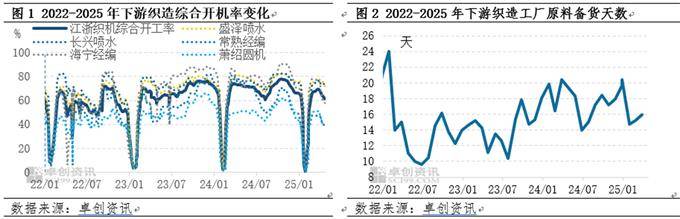
Group 1 - The textile industry is undergoing a significant reshuffle, with a 2.8% increase in clothing consumption expenditure among urban and rural residents, yet a reduction of 647 clothing enterprises, indicating accelerated industry consolidation [1][3] - RCEP member countries account for 30.9% of total foreign trade, becoming a new growth point, while orders from the European and American markets during the Christmas season have not recovered as expected, leading to a 15-day increase in inventory turnover days for fabric merchants [1][3] - The price of polyester filament has fallen below the cost line, making survival difficult for small manufacturers, while the production of lyocell fiber has surged by 138.3% due to support from environmental policies, highlighting a severe polarization in the industry [1][3] Group 2 - The challenges faced by the textile industry are not due to technology or funding issues, but rather the inability to keep pace with market changes, necessitating a focus on policy benefits, RCEP Southeast Asia channel development, and advancements in recycled fiber technology [4] - Companies are advised to stockpile raw materials in the short term to avoid price fluctuations, collaborate with upstream and downstream partners to reduce costs and increase efficiency in the medium term, and invest in environmental technology in the long term [4] - It is recommended that companies avoid taking orders with payment terms exceeding 90 days, even if it means accepting fewer orders [4]


取消“仅退款” 电商平台用行动反内卷
Zheng Quan Shi Bao· 2025-04-23 18:12
Core Viewpoint - The e-commerce industry is undergoing a significant transformation as major platforms like Pinduoduo, Taobao, JD.com, Douyin, and Kuaishou announce adjustments to the "refund without return" policy, marking its exit from the industry and signaling a return to basic commercial logic for sustainable development [1][2] Group 1: Policy Changes - The "refund without return" policy, initially introduced by Pinduoduo in 2021, became a standard feature across major e-commerce platforms as a means to attract consumers amid declining e-commerce dividends [1] - The recent cancellation of this policy aligns with national directives aimed at promoting a healthy and sustainable platform economy, creating a healthier competitive environment [2] Group 2: Implications for Stakeholders - For merchants, the platforms are reducing their role as referees, granting more autonomy to negotiate with consumers, which helps mitigate unreasonable refund requests and fosters a positive cycle in the e-commerce industry [2] - Consumers' rights will still be protected as platforms will maintain return and refund mechanisms and enhance credit systems to safeguard honest consumers and merchants while penalizing malicious behaviors [2] Group 3: Ongoing Challenges - Despite the cancellation of the "refund without return" policy, challenges remain in e-commerce rule governance, such as "automatic price matching" and "lowest price guarantees," which are criticized by merchants for compressing profit margins and promoting low-quality competition [2] - The industry should focus on long-term development by establishing merchant credibility systems and improving product quality to shift from price competition to value competition, thereby creating a healthier industry ecosystem [2]