
借壳上市

Search documents
“家居首富”离奇去世,“蛇吞象交易”惹的祸?
阿尔法工场研究院· 2025-07-29 00:04
Core Viewpoint - The sudden death of Wang Linpeng, the actual controller and chairman of Juran Smart Home, raises concerns about the company's future and the implications of his leadership style and financial maneuvers [1][3][20] Group 1: Background and Personal History - Wang Linpeng, once the "richest man in the home furnishing industry," had a peak net worth of 350 billion yuan and was ranked 23rd among Hubei's wealthy in 2025 [3][5] - He transitioned from a government accountant to the president of Juran Holdings, showcasing a significant career transformation [5][6] - Wang's connections in Hubei, particularly in his hometown of Huanggang, played a crucial role in his business success and the establishment of Juran Smart Home [7][9] Group 2: Controversial Business Practices - The reverse acquisition of Juran Smart Home through Wuhan Zhongshang in 2019 has been criticized for potential state asset loss, with the transaction valued at 356.5 billion yuan while Wuhan Zhongshang's market value was only 15 billion yuan [9][10] - Wang Linpeng's financial strategies included significant cash dividends to shareholders, with total cash dividends from 2020 to 2023 exceeding 3 billion yuan, despite a decline in net profit [11][14] Group 3: Company Performance and Challenges - Juran Smart Home operates over 400 stores across 30 provinces, with a revenue scale of 12.97 billion yuan in 2024, but has faced stagnation in growth and declining cash flow [17][18] - The company has experienced negative cash flow from financing activities for four consecutive years, indicating increasing difficulties in securing funding [17] Group 4: Leadership Transition - Following Wang Linpeng's death, Wang Ning, a long-time associate, has been appointed to temporarily lead the company, raising questions about the future direction of Juran Smart Home [18][20] - Wang Ning has been involved in strategic initiatives aimed at digital transformation and market expansion, indicating a potential shift in company strategy [19]


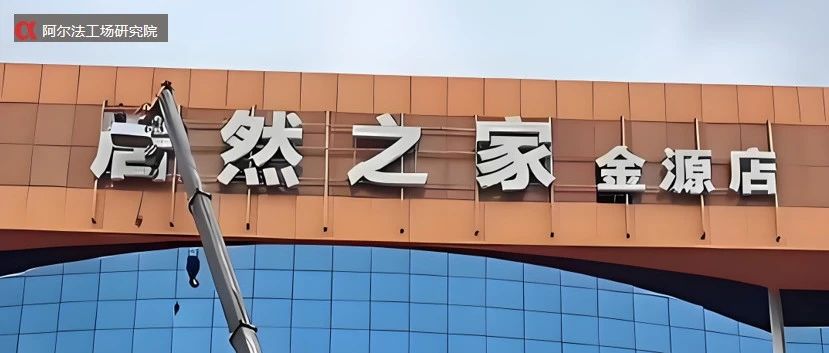
“家居零售教父”坠楼身亡,湖北政商界今年已多人被查
第一财经· 2025-07-28 15:17
Core Viewpoint - The unexpected death of Wang Linpeng, the actual controller and CEO of Juran Zhijia, raises concerns about the company's future amidst ongoing financial struggles and governance issues [1][12]. Group 1: Company Background and Leadership - Wang Linpeng transformed Juran Zhijia into a national chain brand, achieving over 10 billion yuan in annual revenue by 2015 and earning the title "father of home retail" [3][4]. - He was known for his capital operations, acquiring control of the company in 2015 and initiating a significant investment round with Alibaba and others, raising 13 billion yuan [4][5]. - The company underwent a reverse merger to go public, which raised its market value to 66.22 billion yuan, making Wang the richest person in Hubei [5][6]. Group 2: Financial Performance and Challenges - Post-listing, Juran Zhijia's financial performance declined, with a 4.04% drop in revenue to 12.966 billion yuan and a 40.83% decrease in net profit to 769 million yuan in 2024 [8]. - The company faced significant debt pressure, with interest-bearing liabilities exceeding cash reserves by more than double, leading to a cash short-term debt ratio of 0.5 [9]. - Despite financial struggles, the company distributed over 90% of its profits as cash dividends from 2019 to 2023, raising concerns about its financial management [10]. Group 3: Governance and Regulatory Issues - Wang Linpeng's leadership faced scrutiny due to his involvement in a controversial reverse merger and subsequent investigations into governance practices, including asset misappropriation [5][10]. - Multiple officials in Hubei's political and business circles have been investigated for corruption, indicating a broader issue of governance in the region [12]. - Following Wang's death, the future of Juran Zhijia remains uncertain, with significant debts and operational pressures looming [12][13].
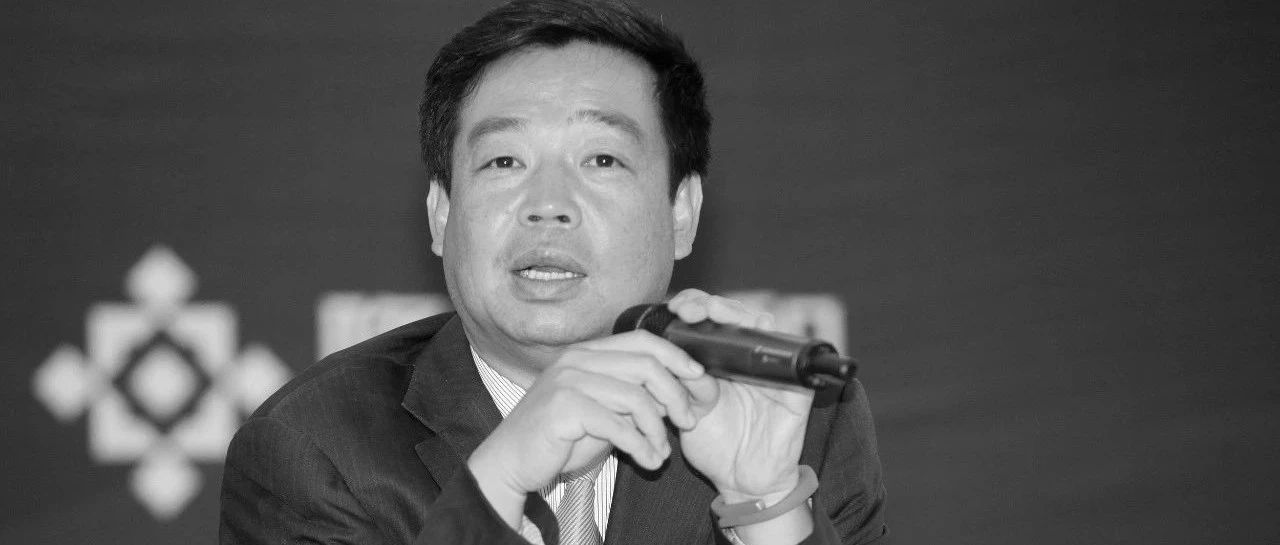
“家居零售教父”汪林朋坠楼身亡,湖北政商界今年已多人被查
Di Yi Cai Jing· 2025-07-28 13:07
Core Viewpoint - The unexpected death of Wang Linpeng, the actual controller, chairman, and CEO of Juran Smart Home, raises questions about the company's future amid financial pressures and operational challenges [1][9]. Company Background - Wang Linpeng was instrumental in transforming Juran Home into a national chain, achieving over 10 billion in annual revenue by 2015 and earning the title "father of home retail" [2]. - He led significant changes in the industry, including the introduction of a "first compensation" strategy and a shift from "subleasing" to "commercial operation" models, which redefined the industry value chain [2][3]. Financial Performance - After going public through a reverse merger, Juran Home's revenue and net profit initially increased, but from 2020 to 2023, net profit has consistently declined, with a 40.83% drop in 2024 [5][6]. - The company reported a revenue of 129.66 billion in 2024, down 4.04% year-on-year, and a net profit of 7.69 billion [5]. Shareholder Actions - Despite declining performance, Wang Linpeng initiated a share reduction plan and cashed out approximately 20.98 billion through introducing a new major shareholder [6][7]. - The company has distributed over 90% of its available profits as cash dividends from 2019 to 2023, raising concerns about financial sustainability [7]. Governance and Legal Issues - Wang Linpeng faced scrutiny and was placed under investigation, leading to the freezing of his shares, which has sparked speculation about potential asset misappropriation [7][8]. - The political landscape in Hubei has seen multiple officials investigated for corruption, indicating a broader issue within the region's governance [8]. Future Outlook - The company is under significant debt pressure, with a cash-to-debt ratio of 0.5, raising concerns about its ability to sustain operations [6]. - The circumstances surrounding Wang Linpeng's death and the company's financial state will be closely monitored by stakeholders [9].
居然智家汪林朋坠楼身亡,今年3月公开发声:将来要活到120到150岁才行!不能退,退了人生会很无聊
Xin Lang Zheng Quan· 2025-07-28 07:44
Core Viewpoint - The tragic death of Wang Linpeng, chairman of Juran Zhijia, occurred just three days after the lifting of his detention measures, highlighting the immense pressure he faced from ongoing legal issues and the company's deteriorating financial situation [5][6][10]. Company Overview - Juran Zhijia's chairman Wang Linpeng was reported to have fallen from a building on July 27, following a change in his legal status from detention to "ordered to be investigated" just five days prior [6][7]. - The company has appointed Wang Ning, a board member and executive president, to take over the responsibilities of chairman and CEO to ensure normal operations [6]. Financial Performance - Juran Zhijia's financial health has been declining, with a projected net profit drop of 40.83% to 769 million yuan for 2024 [9]. - Despite the financial struggles, the company maintained a high dividend strategy, distributing 1.784 billion yuan over the past three years, which exceeded its average distributable profit by 143.94% [9]. Market Reaction - Following Wang's death, Juran Zhijia's stock price fell by 7%, resulting in a market capitalization loss of nearly 2 billion yuan [7]. Legal and Regulatory Context - Wang Linpeng's case is shrouded in mystery, as the specific reasons for his detention have not been publicly disclosed, raising questions about accountability regarding the significant capital loss during the controversial merger in 2019 [10]. - The merger involved Wuhan Zhongshang acquiring Juran Zhijia for 35.65 billion yuan, which has been criticized for its valuation and subsequent financial implications [8][10]. Industry Challenges - The home furnishing industry is facing systemic crises, with other industry leaders also encountering legal troubles and operational challenges [10]. - Reports indicate that Juran Zhijia's market presence is weakening, as evidenced by the sudden closure of multiple stores, affecting over 200 consumers and totaling 13 million yuan in losses [9].
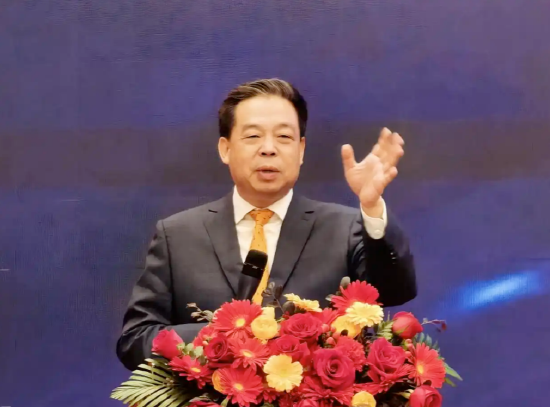
润田实业声明黄安根及其配偶魏苗苗与公司无任何股权或劳动关系
Di Yi Cai Jing· 2025-07-26 09:25
Group 1 - The core point of the news is that Run Tian Industrial clarifies that Huang Angen and his spouse Wei Miaomiao have no equity or labor relationship with the company, and that Run Tian Beverage's business license was revoked in 2020 [1] - Run Tian Beverage, established in January 2003, faced a financial crisis in 2014 due to a broken capital chain and severe insolvency, leading to the establishment of Run Tian Industrial for debt restructuring [1] - After the restructuring, Run Tian Industrial became the sole entity engaged in bottled drinking water business, including "Run Tian" purified water and "Run Tian Cui" mineral water, and transitioned from a private enterprise to a state-controlled enterprise in 2016 [1] Group 2 - Run Tian Industrial is seeking a backdoor listing, with ST United (600358.SH) disclosing plans to acquire 100% equity of Run Tian Industrial through a combination of share issuance and cash payment [2] - Run Tian Industrial reported revenue exceeding 1 billion yuan in 2021, with projected revenues of 1.15 billion yuan and 1.26 billion yuan for 2023 and 2024 respectively, and net profits of approximately 147 million yuan and 177 million yuan for the same years [2]

宏辉果蔬易主在即,苏州国资携IPO未果药企接盘
Hua Xia Shi Bao· 2025-07-25 13:38
Core Viewpoint - The control of Honghui Fruits and Vegetables is set to change hands from Huang Junhui to Suzhou Shenzhiruitai, raising speculation about potential business shifts and the future of its main operations in the fruit and vegetable industry [1][2][5][6]. Group 1: Share Transfer and Control Change - On July 24, Honghui Fruits and Vegetables announced that Huang Junhui transferred 151,380,521 shares (26.54% of total shares) to Suzhou Shenzhiruitai, completing the share transfer registration [1][2]. - The transfer price was set at 5.68 yuan per share, totaling 860 million yuan, to be paid in four installments [5][6]. - Following the transfer, Huang Junhui's shareholding will decrease from 46.54% to 20%, and his voting rights will drop from 46.54% to 8% [5][6]. Group 2: New Controlling Shareholders - The new controlling shareholders will be Ye Tao, Liu Yang, and Suzhou Asset Investment Management Group [1][6]. - Ye Tao and Liu Yang are associated with Tengrui Pharmaceutical, which has not yet completed its IPO despite previous attempts [1][6]. - There is speculation that Tengrui Pharmaceutical may seek a "backdoor listing" through Honghui Fruits and Vegetables [1][6][7]. Group 3: Company Performance and Future Outlook - Honghui Fruits and Vegetables has experienced declining revenue and net profit, with a 44.38% year-on-year drop in net profit for Q1 2023 [2][7]. - The company has stated that its main business will continue to focus on the fruit and vegetable industry, and any significant business adjustments will be disclosed in a timely manner [1][7]. - Analysts suggest that the transaction represents a mixed capital operation, primarily involving a change in control without immediate asset injection [7].

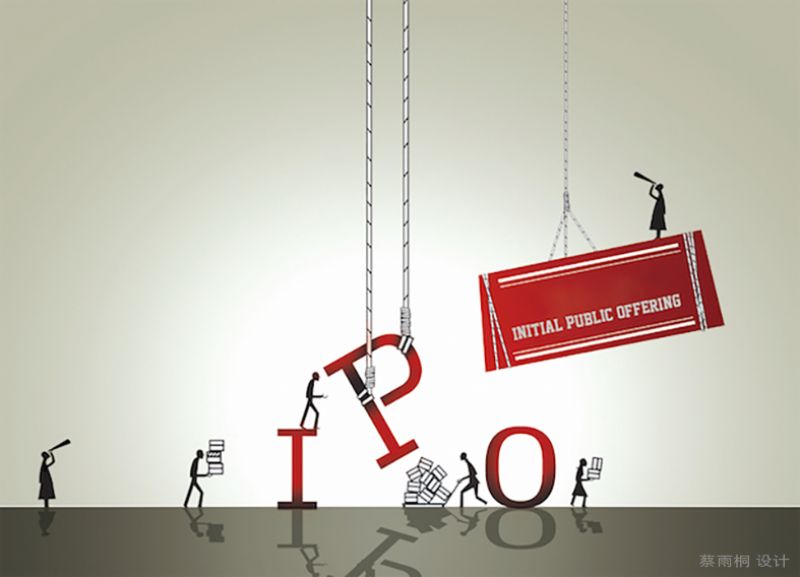
11连板创造A股神话,谁在爆炒上纬新材?
投中网· 2025-07-24 06:50
Core Viewpoint - The stock price of Shangwei New Materials (688585.SH) has surged significantly, reaching a 20cm limit up and recording an 11-day consecutive rise, despite warnings about its high P/E ratio and uncertainties regarding a major equity change [4][5][12]. Company Overview - Shangwei New Materials is a new materials company listed on the Sci-Tech Innovation Board since September 28, 2020, specializing in environmentally friendly, high-performance corrosion-resistant materials, wind turbine blade materials, and new composite materials [7]. - The company has become a major supplier of environmentally friendly corrosion-resistant resins globally and leads in the field of recyclable resins [7]. Financial Performance - In 2024 and the first quarter of 2025, Shangwei New Materials achieved revenues of 1.494 billion yuan and 369 million yuan, respectively, with year-on-year growth rates of 6.73% and 10.65% [7]. - The net profit attributable to shareholders for the same periods was 88.68 million yuan and 22.55 million yuan, with growth rates of 25.01% and 22.26% [7]. - The company's R&D investment has been relatively low, accounting for only 2.03% and 2.06% of revenue in 2024 and the first quarter of 2025, respectively [7]. Stock Market Activity - Following the announcement of a potential change in control to Zhiyuan Robotics, the stock price of Shangwei New Materials has seen a dramatic increase, with a cumulative rise of over 640% and a peak price of 57.83 yuan, leading to a market capitalization exceeding 23 billion yuan [5][12]. - The stock has frequently appeared on the trading leaderboard, with significant net inflows from both institutional and retail investors [12][18]. Acquisition and Control Change - Zhiyuan Robotics plans to acquire control of Shangwei New Materials through a combination of agreement transfer and tender offer, which has been interpreted by the market as a reverse merger, although Zhiyuan denies this characterization [5][10]. - The completion of this acquisition is subject to various approvals, including shareholder meetings and compliance confirmations from the Shanghai Stock Exchange, with uncertainties regarding the timeline [10][12]. Market Sentiment - Despite the uncertainties surrounding the acquisition and the high P/E ratio, investor enthusiasm for Shangwei New Materials remains strong, as evidenced by its continuous stock price increases and significant trading volumes [12][18].


5天发起3起并购!青岛民企7月资本大手笔扩展版图
Qi Lu Wan Bao Wang· 2025-07-23 13:39
Group 1 - In July, Qingdao private enterprises initiated a wave of acquisitions, with three local companies making significant moves within five days, indicating a strong desire for resource integration and expansion [1] - On July 10, Jiangsu Changling Hydraulic Co., Ltd. announced that Hu Kangqiao, founder of Core Interconnection Technology, and his affiliates would invest 2.113 billion yuan to acquire 41.99% of voting rights in Changling Hydraulic, potentially indicating plans for a backdoor listing [1] - The acquisition involved a state-owned company in Wuxi receiving approximately 600 million yuan in equity from Core Interconnection, providing crucial financial support for the deal [1] Group 2 - On July 13, DeGute announced a major asset restructuring plan to acquire 100% of Haowei Technology for cash and stock, marking a "small fish eating big fish" scenario, as Haowei's revenue was nearly 4 billion yuan over the past two years [2] - DeGute aims to expand its business from energy-saving equipment manufacturing to telecommunications software development and AI solutions, establishing a second growth curve [2] - Haowei Technology is recognized as a unicorn in digital technology operations, with strong capabilities in cloud management services certified by major cloud providers [2] Group 3 - On July 14, Sailun Tire announced its subsidiary would acquire 100% of Bridgestone (Shenyang) Tire Co., Ltd. for 265 million yuan, focusing on the existing industrial land and production capacity [3] - This acquisition will help Sailun Tire rapidly increase production capacity to meet domestic and international market demands, enhancing its competitiveness [3] - The trend of active mergers and acquisitions among Qingdao enterprises reflects a shift from state-owned enterprises to private companies taking the lead in capital operations [3]


润田纯净水创始人被曝“家丑”,证代如此回应
Xin Lang Cai Jing· 2025-07-22 15:01
Core Viewpoint - The controversy surrounding the bottled water company "RunTian" involves allegations of asset misappropriation and the company's struggle to establish a strong market presence after a series of financial difficulties and restructuring efforts [1][2][4][10]. Company Overview - RunTian was founded in 1994, initially focusing on purified water, and underwent a significant restructuring in 2014 due to financial crises, leading to the establishment of Jiangxi RunTian Industrial Co., Ltd. [4][5]. - The company transitioned from a private entity to a state-controlled enterprise in 2016 after introducing state capital [4]. - RunTian's revenue for 2023 and 2024 is projected to be 1.15 billion yuan and 1.26 billion yuan, respectively, with net profits of approximately 147 million yuan and 177 million yuan [8]. Market Position - RunTian's market share is considered weak, ranking outside the top ten in the bottled water industry, which is dominated by brands like Nongfu Spring and Wahaha [11]. - The competitive landscape shows that the top five brands hold about 58.6% of the market share, leaving limited space for regional brands like RunTian [11]. Product Strategy - RunTian aims to differentiate itself with products like "RunTian Cui," marketed as "natural selenium-rich mineral water," but faces challenges in consumer acceptance due to higher pricing compared to mainstream brands [12]. - The pricing strategy for RunTian Cui is approximately 2.7 yuan per bottle, which is above the competitive range of 1-2.5 yuan for most popular bottled waters [12]. Challenges and Future Outlook - The company has struggled to grow its revenue significantly over the past decade, with a near-zero growth rate compared to its past performance [9]. - The ability of RunTian to break its stagnation and gain recognition in the capital market post-listing will be crucial for its future success [13].
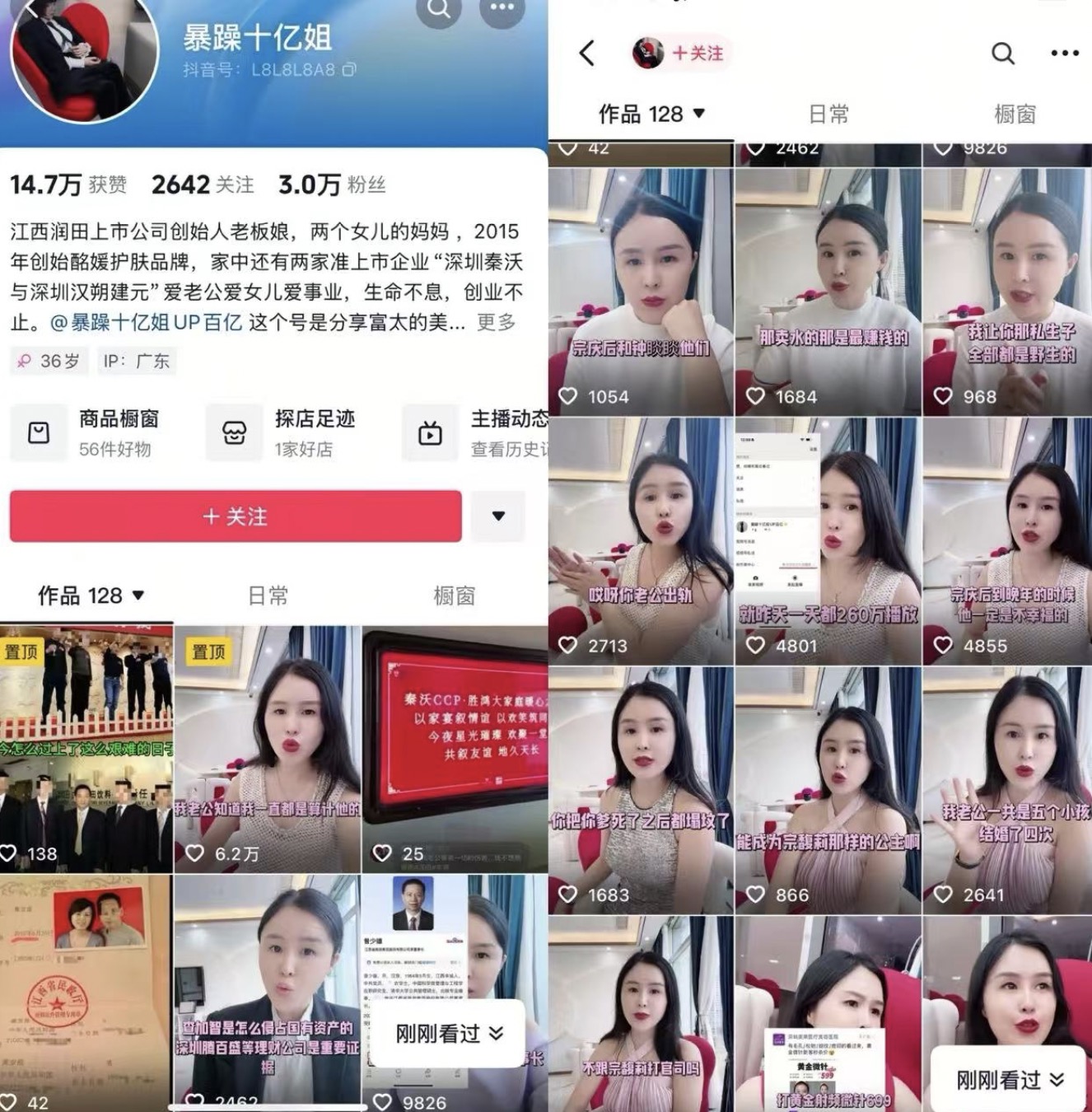
创始人黄安根之妻自曝“家丑”引流 质疑润田实业业绩踏步
Zhong Guo Jing Ying Bao· 2025-07-22 11:12
Core Viewpoint - The recent statements made by Wei Miaomiao, the wife of Huang Angen, the founder of Jiangxi Runtian Mineral Water, have brought attention to the company's ongoing efforts to seek a backdoor listing, despite Huang having left the company in 2015 [1][3]. Company Overview - Jiangxi Runtian Industrial Co., Ltd. is currently seeking to go public through a reverse merger, with its major shareholders being Jiangxi Maitong (51%), Runtian Investment (24.7%), and Jinkai Capital (24.3%) [1][5]. - The company has reported revenues of 11.5 billion yuan and 12.6 billion yuan for 2023 and 2024, respectively, with net profits of approximately 1.47 billion yuan and 1.77 billion yuan [6]. Historical Context - Runtian was established in 1994 and became the largest state-owned packaged drinking water producer in Jiangxi Province, achieving over 50% market share in its early years [6]. - The company has faced various challenges, including debt issues and a failed IPO attempt in 2009 due to market conditions [6][7]. - In 2014, Runtian was reported to have salary and payment issues, leading to a restructuring that transformed it into a state-controlled mixed-ownership enterprise [3][6]. Recent Developments - Wei Miaomiao's controversial statements about Huang Angen's past marriages and their children have generated significant media attention, potentially impacting the brand's visibility [2][3]. - The company is currently in discussions with ST United for a potential asset acquisition, which is seen as a strategy to avoid delisting due to ST United's financial struggles [5][6]. - The company has been under the guidance of CITIC Securities for its listing efforts since 2022, although it has encountered issues related to competition within the same industry [7].