
票根经济

Search documents
提升文体产品供给水平,政协委员为北京消费中心城市建设献策
Bei Jing Shang Bao· 2025-10-30 11:15
Core Viewpoint - Beijing is accelerating the construction of a consumption center city, with high-quality cultural and sports products becoming a new necessity for the public's quality of life [1] Group 1: Development of Children's Tourism Products - Beijing is a popular tourist destination, and there is a growing need for tourism products that cater to children of different age groups [3] - The city has been recognized as a national children's friendly city, with initiatives like the "Children's Friendly Map" covering various educational and recreational locations [3] - Suggestions include creating a diverse children's tourism product system and developing an app for age-appropriate educational routes and activities [3][4] Group 2: Enhancing Cultural and Sports Experience - The "Big Show in Beijing" season features numerous high-quality performances, generating significant ticket revenue and boosting surrounding economic activity [6] - There are concerns about the lack of depth in content and brand uniqueness in Beijing's cultural and sports scenes, which hinders the quality of experiences [6][7] - Recommendations include establishing a unified cultural and sports space resource platform and creating guidelines for integrating cultural functions into urban spaces [7] Group 3: Unified Ticket Economy Coordination - Beijing is exploring a "ticket economy" to convert event traffic into sustained consumer spending, but faces challenges in coordination across multiple departments [9] - A proposal suggests creating a unified ticket economy coordination body to streamline processes and improve efficiency [9][10] - Initiatives include developing exclusive financial tools and promoting integrated projects that connect events with commercial and cultural tourism [10]

赛事经济成消费新引擎 湘超联赛撬动消费将破200亿元
Zhong Guo Xin Wen Wang· 2025-10-29 19:56
Core Insights - The Hunan Super League is projected to generate over 20 billion yuan in direct and indirect consumption through innovative models such as "ticket root economy," "second venue," and "football + cultural tourism commerce" by 2025 [1] - Since its launch in September, the league has attracted over 100,000 spectators per match, significantly boosting local commerce [1] Consumption Impact - Average foot traffic in host cities increased by over 40% during match weekends, enhancing nighttime economic activity [1] - More than 20 promotional consumption events have been held across various cities, distributing 50 million yuan in consumption vouchers and involving over 2,000 merchants, leading to total online and offline sales exceeding 1.8 billion yuan [1] Ticket Root Economy - The "ticket root economy" has become a crucial driver for secondary consumption, with the introduction of discount cards in Changsha and alliances formed in Zhuzhou and Shaoyang covering multiple sectors [1] - Since the league's inception, secondary consumption driven by ticket roots has surpassed 500 million yuan [1] Second Venue Strategy - Over 300 "second venues" have been established to alleviate capacity constraints, attracting over 1.2 million offline viewers [2] - Activities like "Yueyang Goal Boss Pays" have stimulated approximately 300 million yuan in consumption across accommodation, dining, tourism, and transportation [2] Overall Economic Boost - The integration of sports events with cultural and commercial activities has successfully converted sports traffic into consumption growth, injecting strong momentum into Hunan's consumer market [2]
首试“票根经济”带动消费251.7亿元 北京“十四五”文商旅体融合“破圈”
Bei Jing Shang Bao· 2025-10-29 14:09
Group 1: Economic Impact of Cultural Events - The 15th Beijing International Film Festival introduced the "Film Life Festival," generating sales of 25.17 billion yuan through the "ticket root economy" [1] - The integration of culture, commerce, tourism, and sports is being promoted in Beijing, with plans to leverage central government funding for further development [1] Group 2: Cultural Infrastructure Development - During the 14th Five-Year Plan, Beijing constructed 369 new public cultural spaces, achieving basic coverage of public cultural facilities [3] - The city hosted 57,000 commercial performances last year, with ticket sales increasing by 73.6% [3] Group 3: Innovation in Cultural Services - Beijing is enhancing cultural innovation by encouraging museums to extend their hours and improve services, utilizing technology to deliver cultural resources to grassroots levels [4] - Initiatives like "Cloud Reading Season" and "Digital Central Axis" have been launched to improve public cultural service quality [4] Group 4: Commercial Space Expansion - Since 2021, over 5 million square meters of new commercial space have been opened in Beijing, reflecting a shift towards multi-functional consumer experiences [5] - The city is implementing policies to support the enhancement of shopping malls and districts, focusing on diverse consumer integration [5] Group 5: Cultural and Tourism Integration - Beijing is cultivating 14 national-level night cultural and tourism consumption clusters, enhancing the cultural essence of tourism [7] - The city has hosted various cultural exchange activities internationally, increasing its global cultural influence [7] Group 6: Sports and Event Planning - The recent 2025 China Tennis Open and WTT China Grand Slam achieved record ticket sales of 180 million yuan, indicating a growing trend in international sports events [8] - The Beijing Sports Bureau is developing a plan for the "15th Five-Year" period to enhance the city's status as an international event city [8]

全力确保进博会常办常新越办越好 陈吉宁龚正赴国家会展中心(上海)检查工作
Jie Fang Ri Bao· 2025-10-28 01:41
Core Viewpoint - The eighth China International Import Expo (CIIE) is entering the final preparation stage, emphasizing the importance of service quality and safety to ensure the event's success and continuous improvement [1][3][4] Group 1: Event Preparation and Management - The CIIE is a significant economic diplomatic event following the successful convening of the 20th Central Committee of the Communist Party of China, requiring detailed implementation of service and security measures [1][3] - City leaders are focusing on optimizing traffic organization and emergency response plans to enhance the experience for exhibitors and attendees [2][3] - The overall environment design at the National Exhibition and Convention Center (Shanghai) is nearing completion, with final adjustments being made to improve aesthetics and functionality [2][3] Group 2: Service Quality and Safety - Emphasis is placed on improving key service areas such as customs, surrounding services, and on-site support, utilizing technology to enhance efficiency and attendee experience [3][4] - Safety measures are being prioritized, with detailed plans and rehearsals to mitigate risks and ensure a secure environment for all participants [3][4] Group 3: Economic and Cultural Promotion - The CIIE serves as a platform to showcase Shanghai's urban image and business environment, promoting a market-oriented, legal, and international business climate [3][4] - There is a focus on expanding economic cooperation and investment opportunities, aiming to convert the event's traffic into tangible investment projects [4]
五棵松商圈:旧时歇脚地 变身繁华新地标
Bei Jing Ri Bao Ke Hu Duan· 2025-10-27 23:41
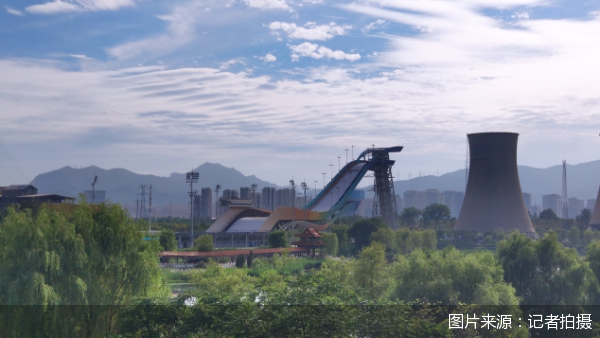
Core Viewpoint - The article highlights the transformation of the Wukesong business district in Beijing into a vibrant hub for culture, sports, and entertainment, attracting a younger demographic and becoming a key destination for both locals and tourists [1][10][17]. Group 1: Development of Wukesong Business District - Wukesong has evolved from a suburban traffic node to a modern sports and cultural landmark, showcasing Beijing's urban transformation [1][8]. - The area features diverse spaces such as Wukesong Sports Center, Huaxi LIVE, and Wanda Plaza, creating a new cultural and entertainment highland in the city [1][9]. - The historical significance of the name "Wukesong" dates back over 200 years, originally associated with a notable landmark of five ancient pine trees [7][8]. Group 2: Popularity Among Young People - Wukesong has become a favored destination for young people, offering a mix of dining, shopping, and entertainment options [8][10]. - The area is easily accessible via the Wukesong subway station, enhancing its appeal as a social gathering spot [8][9]. - The vibrant atmosphere includes various sports facilities and entertainment options for children and adults alike, contributing to its popularity [10][11]. Group 3: Economic Impact and Nightlife - Wukesong has emerged as a new "nightlife capital" in Beijing, attracting significant foot traffic during evening hours [11][17]. - The area has seen a notable increase in consumer spending, particularly during events, with restaurants and entertainment venues experiencing a surge in business [16][17]. - The "ticket economy" concept allows consumers to enjoy discounts at nearby businesses when attending events, further driving local consumption [16][17]. Group 4: Urban Renewal and Future Prospects - Urban renewal initiatives have significantly enhanced the Wukesong area, with the newly opened Wanda Plaza serving as a key component of this transformation [12][13]. - The integration of cultural, commercial, and recreational activities is expected to continue driving growth and attracting diverse consumer groups [17][18]. - The ongoing development of Wukesong reflects broader trends in consumer preferences and urban lifestyle changes, positioning it as a dynamic and evolving commercial landscape [18][19].

首发经济票根经济放异彩,消费驶入新蓝海
Zheng Quan Shi Bao Wang· 2025-10-27 05:46
Core Viewpoint - The core focus of the article is on boosting consumption as a key task for economic work in 2025, with various measures being implemented to expand and enhance service consumption [1] Group 1: Policies and Measures - The Ministry of Commerce and nine other departments have issued measures to expand service consumption, including the development of new consumption scenarios and support for high-quality consumption resources [1] - Local governments are actively exploring new consumption models and scenarios to stimulate consumption potential, including the integration of commerce, tourism, culture, and sports [1] Group 2: Ticket Economy - The "ticket economy" is emerging as a new driver for cultural and tourism consumption, with events like the China-Arab Expo boosting local sales and hotel bookings significantly [2] - In Yinchuan, the key commercial area saw a 37.55% year-on-year increase in sales during the expo, with hotel bookings up by 25%, generating over 1 billion yuan in consumption [2] Group 3: First Release Economy - The "first release economy" is gaining traction, with significant openings in cities like Shenzhen and Hangzhou contributing to substantial retail sales [3] - The scale of China's first release economy has surpassed 1.5 trillion yuan in 2023, with projections of reaching 10 trillion yuan by 2025 [3] Group 4: New Consumption Leaders - The measures call for the cultivation of new consumption leaders, with companies like Bailian Group focusing on brand, digital, and professional commercial services [4] - Bailian Group has signed a strategic cooperation agreement to explore Korean cultural projects and IP development, aiming to introduce multiple Korean brands through various marketing formats [4] Group 5: Supporting New Leaders - To accelerate the development of new consumption leaders, there is a need to optimize the institutional environment, enhance intellectual property protection, and encourage collaboration between leading enterprises and SMEs [5] - The goal is to create a multi-dimensional ecosystem that fosters cross-industry integration and innovation [5]
首发经济票根经济放异彩,消费驶入新蓝海丨探寻服务消费新势能
Zheng Quan Shi Bao Wang· 2025-10-27 01:56
Group 1 - The core focus of the economic work in 2025 is to boost consumption, as highlighted by the Ministry of Commerce and nine other departments in the policy measures aimed at expanding service consumption [1] - The measures include the development of new consumption formats, models, and scenarios, promoting innovative service consumption, and supporting high-quality consumption resources and well-known IP collaborations [1] - There is a growing demand for personalized, differentiated, and experiential consumption among consumers, but the current high-quality supply is insufficient, limiting competitive advantages [1] Group 2 - The integration of commerce, tourism, culture, sports, and health is being explored through large events to stimulate consumer activity, as seen in various cities [2] - The "ticket economy" is emerging as a new driver for cultural and tourism consumption, with significant sales increases reported during events like the China-Arab Expo [2] - Shanghai is focusing on upgrading the ticket economy through pilot activities to enhance consumer engagement [2] Group 3 - The "first release economy" is gaining traction, with significant consumer spending reported in cities like Shenzhen and Hangzhou during recent holidays [3] - The scale of the first release economy in China has surpassed 1.5 trillion yuan in 2023, with projections of reaching 10 trillion yuan by 2025 [3] - Local characteristics should be considered when developing the first release economy to avoid uniformity across cities [3] Group 4 - The policy measures call for the cultivation of new leading consumption enterprises, which have emerged through technological innovation and brand development [4] - Companies like Bailian Group are focusing on brand, digital, and professional commercial services, engaging in strategic partnerships to explore cultural projects and IP development [4] Group 5 - To accelerate the development of new leading consumption enterprises, it is essential to optimize the institutional environment, enhance intellectual property protection, and implement favorable tax and talent policies [5] - Encouraging leading enterprises to empower small and medium-sized enterprises can foster collaborative innovation across the industry chain [5]
首发经济票根经济放异彩,消费驶入新蓝海丨探寻服务消费新势能
证券时报· 2025-10-27 01:21
Group 1 - The core focus of the article is on boosting consumption as a key task for economic work in 2025, with various measures being implemented to expand service consumption and develop new consumption models and scenarios [1] - The Ministry of Commerce and other departments have issued policies to promote new consumption formats, emphasizing the integration of commerce, tourism, culture, sports, and health [1][3] - There is a growing demand for personalized and differentiated consumption experiences among consumers, but the supply of high-quality offerings is currently insufficient [1][6] Group 2 - The "ticket economy" is emerging as a new driver for cultural and tourism consumption, with initiatives like the "Enjoy Jin Feng · Ticket Economy" in Yinchuan leading to significant sales increases during events [3] - The report from the Ministry of Commerce and Fudan University indicates that the scale of the "first release economy" in China has surpassed 1.5 trillion yuan in 2023, with projections to reach 10 trillion yuan by 2025 [5] - Cities are encouraged to leverage local cultural resources and avoid a one-size-fits-all approach in developing the first release economy [6] Group 3 - The article highlights the emergence of new leading consumption enterprises through technological innovation and brand development, with companies like Bailian Group exploring collaborations with international brands [8] - The cultivation of new consumption leaders is seen as essential, with recommendations for optimizing the institutional environment and enhancing intellectual property protection [8]
首发经济票根经济放异彩 消费驶入新蓝海
Zheng Quan Shi Bao· 2025-10-26 17:51
Core Viewpoint - The core focus of the news is on boosting consumption as a key task for economic work in 2025, with various measures being implemented to expand and enhance service consumption [1] Group 1: Policy Measures - The Ministry of Commerce and nine other departments have issued measures to promote new consumption formats, models, and scenarios, emphasizing the development of the "first release economy" and the integration of various consumption sectors [1] - Local governments are actively exploring new consumption formats and models to stimulate consumption potential, including the promotion of the first release economy and the support for leading consumption enterprises [1] Group 2: Integration of Sectors - The integration of business, tourism, culture, sports, and health is being highlighted as a way to release consumption potential, with large events like performances and competitions serving as catalysts for consumer engagement [2] - The "ticket economy" is emerging as a new driver for cultural and tourism consumption, with initiatives like the "Enjoy Jin Feng. Ticket Economy" activity in Yinchuan leading to significant increases in sales and hotel bookings [2] Group 3: First Release Economy - The first release economy is gaining traction, with significant consumer spending observed in cities like Shenzhen and Hangzhou during recent holidays, indicating a growing trend [3] - According to the "2025 First Release Economy Index Report," the scale of China's first release economy has surpassed 1.5 trillion yuan in 2023, with projections of reaching 10 trillion yuan by 2025 [3] Group 4: New Consumption Leaders - The measures call for the cultivation of new leading consumption enterprises, with companies like Bailian Group emerging through technological innovation and brand development [4] - Bailian Group has signed a strategic cooperation agreement to explore Korean cultural projects and IP development, aiming to introduce multiple Korean brands through various marketing formats [4] Group 5: Support for Enterprises - To accelerate the cultivation of new leading consumption enterprises, there is a need to optimize the institutional environment, enhance intellectual property protection, and encourage collaboration between leading enterprises and small to medium-sized enterprises [5]


首发经济票根经济放异彩消费驶入新蓝海
Zheng Quan Shi Bao· 2025-10-26 17:42
Core Viewpoint - The core focus of the article is on the promotion of consumption as a key task for economic work in 2025, with various measures being implemented to stimulate new consumption models and enhance service consumption [1][2]. Group 1: Expansion of Consumption - The Ministry of Commerce and nine other departments have issued policies to expand service consumption, emphasizing the development of new consumption scenarios and the integration of various sectors such as business, travel, culture, and sports [1]. - Local governments are actively exploring new consumption models and scenarios to stimulate consumer potential, including the promotion of the "first launch economy" and the support for leading consumption enterprises [1][3]. Group 2: First Launch Economy - The "first launch economy" has gained traction, with significant consumer spending observed during recent holidays, such as 34.69 billion yuan in the Qianhai business district following the opening of the world's largest indoor ski resort [3]. - The scale of the first launch economy in China has surpassed 1.5 trillion yuan in 2023, with projections of reaching 10 trillion yuan by 2025 [3]. Group 3: New Consumption Leading Enterprises - The article highlights the emergence of new leading consumption enterprises through technological innovation and the cultivation of unique consumption brands [4]. - Companies like Bailian Group are focusing on brand, digital, and professional services, and are engaging in strategic partnerships to explore cultural projects and IP development [4][5]. Group 4: Policy Recommendations - To accelerate the cultivation of new leading consumption enterprises, it is essential to optimize the institutional environment, enhance intellectual property protection, and implement tax incentives [5]. - Encouraging leading enterprises to empower small and medium-sized enterprises can foster collaborative innovation across the industry chain, creating a multi-dimensional ecosystem [5].