脑机接口技术

Search documents
中科信息20250801
2025-08-05 03:16
Summary of Zhongke Information Conference Call Industry and Company Overview - Zhongke Information has been deeply involved in the tobacco industry for nearly 40 years, serving 13 major domestic tobacco enterprises and ranking first in order volume in 2023, establishing itself as a leading provider of information technology in the tobacco sector [2][5] - The company has core technology in banknote quality detection, utilizing machine vision to detect 28 security points on large banknotes within 0.2 seconds, monopolizing the quality detection business for all national printing plants and related paper and ink quality [2][6] - In the medical field, Zhongke Information collaborates with West China Hospital to develop an electronic anesthesia database and AI-assisted anesthesia robots, aiming to enhance anesthesia efficiency and safety [2][3][10] Core Products and Innovations - **AI Anesthesia Robot**: This robot addresses rapid diagnosis and treatment in critical situations during surgery, reducing conventional anesthesia management time by 50%, thus alleviating the shortage of anesthesiologists in China [3][11] - **AI Radiotherapy Robot**: Developed in collaboration with West China Hospital's oncology center, this robot optimizes dosage distribution and treatment plans, shortening radiotherapy cycles to one week or even days, with an expected product launch in 2025 [2][12] - **Machine Vision Technology**: The company has successfully implemented machine vision technology for banknote quality detection since 1999, showcasing its technical capabilities in high-speed detection [6] Strategic Developments - Zhongke Information is actively investing in medical information technology, including IoT device integration and the establishment of smart health platforms in county regions, aiming to create a comprehensive smart health ecosystem [2][13] - The company has initiated research in brain-computer interface (BCI) technology since 2021, with plans for commercialization expected to take 8-10 years [4][23] Market Position and Future Outlook - Zhongke Information's focus on industrialization of its AI anesthesia and radiotherapy robots, along with engineering loading robots, is expected to significantly expand its revenue scale [4][25] - The company maintains strong collaborative relationships with other manufacturers in the anesthesia machine market, emphasizing a combined software and hardware product approach [22] Additional Insights - The company has developed a comprehensive electronic anesthesia database from nearly 10,000 surgical cases, ensuring high-quality and reliable data for its AI models [10] - The integration of AI with BCI technology is anticipated to enhance treatment options for neurological conditions, with a focus on rehabilitation and clinical specialties [14][24] - The domestic BCI industry is progressing rapidly in rehabilitation applications, although it lags behind in foundational modules compared to international counterparts [24] This summary encapsulates the key points from the conference call, highlighting Zhongke Information's strategic initiatives, product innovations, and market positioning within the tobacco and medical technology sectors.
人工智能将像水和电一样服务每个消费场景
Xiao Fei Ri Bao Wang· 2025-08-05 03:08
Group 1 - The release of the "Emerging Technology Selection List for Artificial Intelligence" by the Chinese Academy of Engineering signifies a transformative shift in consumer behavior and technology integration, showcasing the rapid adoption of AI in daily life [1][2] - The list highlights 12 key AI technologies that are expected to drive consumer upgrades, including intelligent robots for household tasks and smart logistics systems utilizing drones for efficient delivery [1][2] - The advancements in computing power allow consumers to access cloud-based AI capabilities even with budget-friendly devices, indicating a democratization of technology [1] Group 2 - The integration of "Artificial Intelligence +" into various sectors, such as healthcare and education, is leading to significant improvements in diagnostic accuracy and personalized learning experiences [2] - Brain-computer interface technology is emerging in the medical rehabilitation field, with applications like smart prosthetics providing new opportunities for individuals with disabilities, suggesting a potential expansion into consumer electronics [2] - The ongoing research and development efforts since 2014 have resulted in 297 technologies being introduced, marking a quiet revolution in consumer technology and creating numerous opportunities for engagement and benefit for consumers [2]
美国女子瘫痪20年后植入马斯克公司脑部芯片,靠意念写下自己名字
Xin Lang Cai Jing· 2025-08-04 18:18
Core Insights - A woman in the U.S. who has been paralyzed for 20 years successfully implanted a brain chip developed by Elon Musk's company, allowing her to write her name using only her thoughts [1] Group 1 - The brain chip technology represents a significant advancement in neurotechnology, showcasing the potential for restoring communication abilities in individuals with severe disabilities [1] - This case highlights the practical applications of brain-computer interfaces (BCIs) in improving the quality of life for patients with paralysis [1] - The successful demonstration of writing through thought could pave the way for further developments in assistive technologies and rehabilitation methods [1]


脑电技术打开未来睡眠新局:喜临门的落地实践与价值启示
Jin Tou Wang· 2025-08-04 04:13
Group 1: Core Insights - Brain-computer interface (BCI) technology is advancing rapidly, with significant developments showcased by companies like Neuralink and domestic firms in China [1][6] - Non-invasive BCI technology is gaining traction due to its ease of use, cost-effectiveness, and safety, expanding from medical rehabilitation to smart home applications [2][6] - The introduction of non-invasive BCI products offers a new approach to sleep management, addressing the global issue of sleep disorders by providing real-time monitoring and intervention [3][4] Group 2: Industry Developments - The launch of the world's first AI mattress integrated with brainwave technology by Xilinmen and BrainCo marks a significant milestone in sleep technology [4] - This AI mattress utilizes multi-modal data sensing to capture brainwave signals and dynamically adjust sleep interventions, representing a shift from passive monitoring to active response [4][5] - The Chinese market for sleep health is projected to exceed 1 trillion yuan by 2030, with a rapid growth rate of 90% in the "technology-assisted sleep" sector [6][5] Group 3: Future Prospects - The integration of brainwave technology into various sleep-related products is expected to create a personalized sleep health management ecosystem [5][6] - Future innovations may include brainwave monitoring in pillows and smart home devices that adjust the environment based on neural signals, enhancing the overall sleep experience [6][7] - The vision of a "neural-level" smart sleep environment aims to address sleep issues more effectively, potentially leading to a future where sleepless nights are significantly reduced [7]

医疗服务行业周报:脑机接口临床应用驶入快车道-20250803
Xiangcai Securities· 2025-08-03 11:46
Investment Rating - The report maintains a "Buy" rating for the medical services industry [5][9][73] Core Views - The medical services sector is experiencing a positive trend, with a 2.68% increase in the sub-sector index, indicating a stable recovery despite ongoing pressures from medical insurance cost control [11][22][73] - The introduction of new pricing mechanisms by the National Medical Insurance Administration supports the clinical application of innovative technologies such as brain-computer interfaces, which are expected to enhance patient care and recovery [4][63][72] Summary by Sections Industry Performance - The pharmaceutical and biological sector rose by 2.95%, outperforming the CSI 300 index by 4.70 percentage points [11][22] - The medical services sub-sector index closed at 6473.29 points, reflecting a 2.68% increase [22][31] Company Performance - Top-performing companies in the medical services sector include Baicheng Pharmaceutical (+23.5%), Ruizhi Pharmaceutical (+15.7%), and Tigermed (+8.1%) [2][28] - Underperforming companies include Haoyuan Pharmaceutical (-6.5%) and Meidi West (-4.9%) [2][28] Valuation Metrics - The current Price-to-Earnings (PE) ratio for the medical services sector is 38.50X, with a Price-to-Book (PB) ratio of 3.61X [3][31] - The PE ratio has increased by 1.02X from the previous week, while the PB ratio has risen by 0.14X [3][31] Industry Dynamics - The National Medical Insurance Administration has introduced over 100 new pricing items related to innovative medical technologies, facilitating faster clinical application and reimbursement [4][63] - The 2025 version of the Chikungunya fever treatment plan has been released, reflecting ongoing efforts to standardize clinical practices [4][65] Investment Recommendations - The report suggests focusing on high-growth areas such as ADC CDMO and weight-loss drug supply chains, as well as companies with improving profit margins in third-party testing laboratories and consumer healthcare sectors [9][73]
脑机接口技术不断发展,我们准备好了吗
Xin Hua She· 2025-08-03 07:02
Core Insights - Brain-computer interface (BCI) technology is advancing, enabling new treatment possibilities for conditions like stroke and paralysis, while also raising ethical and legal challenges [1][3] Group 1: Technology Development - BCI establishes a direct communication channel between the human brain and external devices, acting as a "bridge" that enhances human-machine interaction and opens new avenues for brain science and neurological disease treatment [1] - CorTec, a German company, has developed a BCI that involves placing a 32-channel electrode pad beneath the skull, capable of recording brain activity and providing electrical stimulation [1][2] - The "Neuralink" company has implanted devices with 1024 microelectrodes into the brain tissue of five severely paralyzed patients, enabling basic "brain control" functions [2] Group 2: Clinical Applications - A 52-year-old male patient with paralysis from multiple strokes successfully implanted CorTec's BCI chip, aiming to enhance recovery through brain stimulation during rehabilitation [2] - The combination of implantable BCIs and artificial intelligence is expanding research fields and attracting more technological investment [2] Group 3: Ethical and Legal Challenges - The advancement of BCI technology raises significant privacy concerns, as it may allow access to personal thoughts, beliefs, and emotions [3] - Legal experts highlight the need for clarity on ownership of data collected by BCIs and the rights of users to modify or "hack" the implanted devices [3] - The potential for BCIs to not only read but also influence emotions poses questions about self-awareness and personal identity for users [4]
国家医保局支持脑机接口技术进入临床并收费 商业化应用落地有望加速(附概念股)
Zhi Tong Cai Jing· 2025-07-31 23:16
据央视新闻报道,为支持药品和医疗器械创新发展,国家医保局制定新上市药品首发价格机制,新增了 100多项与医疗新技术相关的价格项目。其中,报道特别强调了对脑机接口技术进入临床并收费的支持 情况:神经系统类立项指南统一设立"脑机接口置入费""脑机接口适配费"等价格项目,脑机接口技术成 熟获批进入临床后,可快速进入临床应用并收费。 微创脑科学(02172):公开资料显示,微创脑科学产品全面涵盖了出血性脑卒中、动脉粥样硬化狭窄、 急性缺血性脑卒中。根据弗若斯特沙利文统计,按照2023年销售收入计算,微创脑科学是中国神经介入 医疗器械市场份额提升至第四位,近年来维持国产份额第一地位。 心玮医疗-B(06609):2023年6月25日,我国自主研发的国内首例介入式脑机接口在北京成功完成动物试 验。该介入式脑机接口由南开大学人工智能学院教授段峰科研团队牵头与心玮医疗联合研发。该公司预 期截至2025年6月30日止6个月取得股东应占净利润不少于4000万元人民币,同比转亏为盈。 统计显示,当前我国脑机接口产业大部分企业的研究方向是帮助脑卒中、脊髓损伤等患者恢复运动和感 觉功能,提高康复效果,布局的也多为非侵入式技术,因为这类 ...
成都华微:公司在脑机接口技术领域已基于自身集成电路设计优势开展布局
Zheng Quan Ri Bao Wang· 2025-07-31 13:13
Core Viewpoint - The company is actively developing brain-computer interface technology, leveraging its integrated circuit design advantages to focus on providing foundational hardware components for signal processing [1] Group 1: Technology Development - The company utilizes high-precision ADC (Analog-to-Digital Converter) for neural signal acquisition and employs low-power FPGA (Field-Programmable Gate Array) and MCU (Microcontroller) for signal post-processing [1] - The technology development covers both invasive and non-invasive brain-computer interface signal chain requirements, including the research and application of 24-bit sigma-delta high-precision ADC and low-power MCU chips [1] Group 2: Collaborations and Projects - The company has completed part of the acceptance for key projects in collaboration with universities such as Shanghai Jiao Tong University and Tianjin University [1] - The company will continue to monitor technological trends and market demands while steadily advancing its product layout based on its R&D capabilities [1] Group 3: Information Disclosure - The company commits to adhering to information disclosure regulations and will announce specific progress in a timely manner, relying on official disclosures for accurate information [1]
大脑芯片技术重塑人机融合新范式
Ke Ji Ri Bao· 2025-07-28 23:43
Core Insights - Brain-computer interface (BCI) technology, particularly brain chips, is transitioning from experimental to practical applications, with significant advancements being made in the field [1][2][4] - Companies like Neuralink, founded by Elon Musk, are leading the charge in BCI technology, with successful human trials demonstrating the potential for enhanced independence for users [1][2] - Various companies are competing in the BCI space, each employing different technological approaches, indicating a rapidly evolving landscape [2][3] Group 1: Technological Advancements - Neuralink has successfully implanted brain chips in seven subjects, enabling them to perform tasks such as email management and academic research [1] - Paradromics has achieved a breakthrough with a brain chip featuring 1,600 electrodes, surpassing Neuralink's 1,024 electrodes, showcasing a technical advantage [2] - A collaboration among prestigious universities has led to a voice synthesis system that converts brain signals directly into natural speech, enhancing communication for patients with speech impairments [3] Group 2: Competitive Landscape - Companies like Precision Neuroscience and Synchron are exploring alternative methods for brain chip implantation, such as non-invasive techniques and vascular electrode implantation [2] - The competition is intensifying, with significant financial backing from high-profile investors like Jeff Bezos and Bill Gates for companies like Synchron [2] Group 3: Challenges and Considerations - Despite advancements, BCI technology faces challenges in achieving natural communication and improving the accuracy of voice decoding systems, with a reported 43.75% word error rate [4] - Ethical considerations and the need for robust privacy and security measures for neural data are critical as the technology progresses [5]
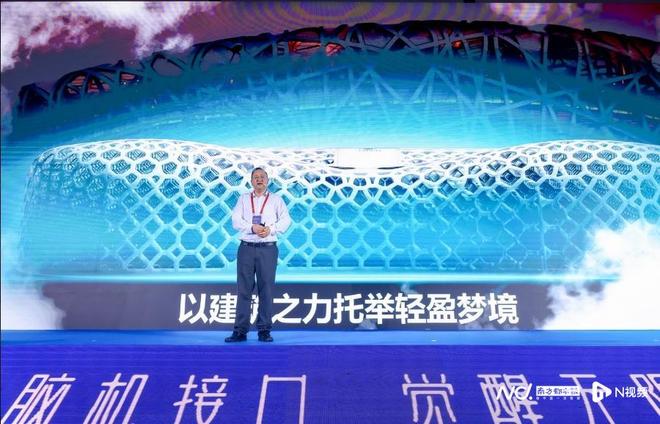
“盗梦空间”走进现实?全球首款多模态梦境脑机接口横琴发布
Nan Fang Du Shi Bao· 2025-07-28 08:43
Core Viewpoint - The launch of the "Dream Neighbor" multi-modal dream brain-computer interface device marks a significant advancement in non-invasive brain health management and aims to improve sleep quality and emotional well-being through innovative technology [1][5][9]. Group 1: Product Overview - "Dream Neighbor" is the world's first multi-modal dream brain-computer interface device, developed by the Guangdong Provincial Academy of Intelligent Science and Technology in collaboration with Suiren Medical [1][3]. - The device is designed in the form of a pillow and can monitor brain sleep state signals in real-time, enhancing deep sleep duration through non-invasive neural feedback [5][7]. - It features four main functions: EEG signal monitoring, sleep state regulation, intervention strategy generation, and AI data analysis, aimed at improving sleep quality and alleviating anxiety [5][7]. Group 2: Event and Collaboration - The product was unveiled at the "2025 Sleep Neuroregulation Medicine Seminar and Dream Brain-Computer Interface Innovation Product Launch" held in Hengqin, attended by nearly 200 experts and industry representatives from various regions [3][5]. - The seminar focused on the intersection of brain-computer interfaces and sleep science, providing a platform for interdisciplinary exchange [3]. Group 3: Market Potential and Pricing - "Dream Neighbor" is expected to achieve mass production and market launch by the end of August, with a price comparable to that of a mid-to-high-end smartphone [9].