中华民族共同体意识

Search documents
“谱写雪域高原长治久安和高质量发展新篇章”
Ren Min Ri Bao· 2025-08-18 22:31
8月的西藏,青稞渐熟,牛羊正肥。珠穆朗玛峰高耸入云,雅鲁藏布江奔腾不息,见证着雪域高原的沧 桑巨变。 西藏是我国重要的国家安全屏障和生态安全屏障,在党和国家战略全局中居于重要地位。1965年,西藏 自治区正式成立,西藏历史翻开了崭新的一页。 一甲子跨越上千年。60年来,在中国共产党的领导下,西藏实现历史性巨变,创造了不朽的人间奇迹。 党的十八大以来,习近平总书记高度重视西藏工作,心系西藏各族人民,亲自为新时代西藏工作谋篇布 局,发表一系列重要讲话、作出一系列重要指示,亲自谋划、亲自部署召开中央第六次、第七次西藏工 作座谈会,确立新时代党的治藏方略,为做好新时代西藏工作指明了前进方向、提供了根本遵循,引领 西藏各项事业取得全方位进步、历史性成就。 党的十八大以来,西藏工作面临的形势和任务发生深刻变化。一系列需要谋断的重大问题,考验着党中 央治国理政、经略西藏的智慧和魄力。 高瞻远瞩,鲜明提出新时代党的治藏方略 "新时代党的治藏方略是做好西藏工作的根本遵循,必须长期坚持、全面落实" "总书记回信了!"今年夏天,西藏林芝市巴宜区林芝镇嘎拉村充满了喜悦欢腾。 "得知这几年村里又有新变化,乡亲们的收入增加了,为你们高兴 ...
中华文明瑰宝 民族交融画卷——布达拉宫保护见证文化传承之路
Xin Hua She· 2025-08-18 10:31
Core Viewpoint - The article emphasizes the importance of the Potala Palace as a cultural heritage site, highlighting its historical significance and the ongoing efforts to protect and preserve it in the context of Chinese civilization and national unity [1][2][8]. Group 1: Cultural Heritage Protection - The guardians of the Potala Palace are implementing Xi Jinping's directive on the protection of historical and cultural heritage, focusing on management, value excavation, and effective utilization [2]. - Advanced technologies such as drones, 3D scanning, and multi-angle imaging are being utilized to create a comprehensive digital model of the Potala Palace, aiding in the preservation and research of its structure and artifacts [4][9]. - A monitoring system with over 1,000 sensors is in place to track environmental conditions and structural stability, ensuring the long-term preservation of the palace [4][9]. Group 2: Cultural Exchange and National Unity - The Potala Palace serves as a testament to the historical interactions among various ethnic groups in China, showcasing artifacts that reflect the unity and diversity of Chinese civilization [5][6]. - An exhibition titled "Witness and Guardian" features over 100 artifacts that illustrate the historical exchanges between Tibet and other regions of China, reinforcing the concept of a shared national identity [5][6]. Group 3: Innovative Restoration Efforts - The Potala Palace has achieved significant progress in the experimental restoration of palm-leaf manuscripts, with a focus on innovative techniques and materials [8][9]. - A 10-year project with an investment of approximately 300 million yuan has been initiated for the protection and restoration of ancient texts, aiming to make these cultural treasures accessible to a wider audience [9]. Group 4: Cultural Products and Outreach - The Potala Palace is exploring ways to transform its cultural resources into high-quality cultural offerings, collaborating with various regions to showcase its artifacts [9]. - Over 1,000 cultural and creative products have been developed in partnership with museums, aimed at promoting traditional Chinese culture and enhancing cultural confidence [9].
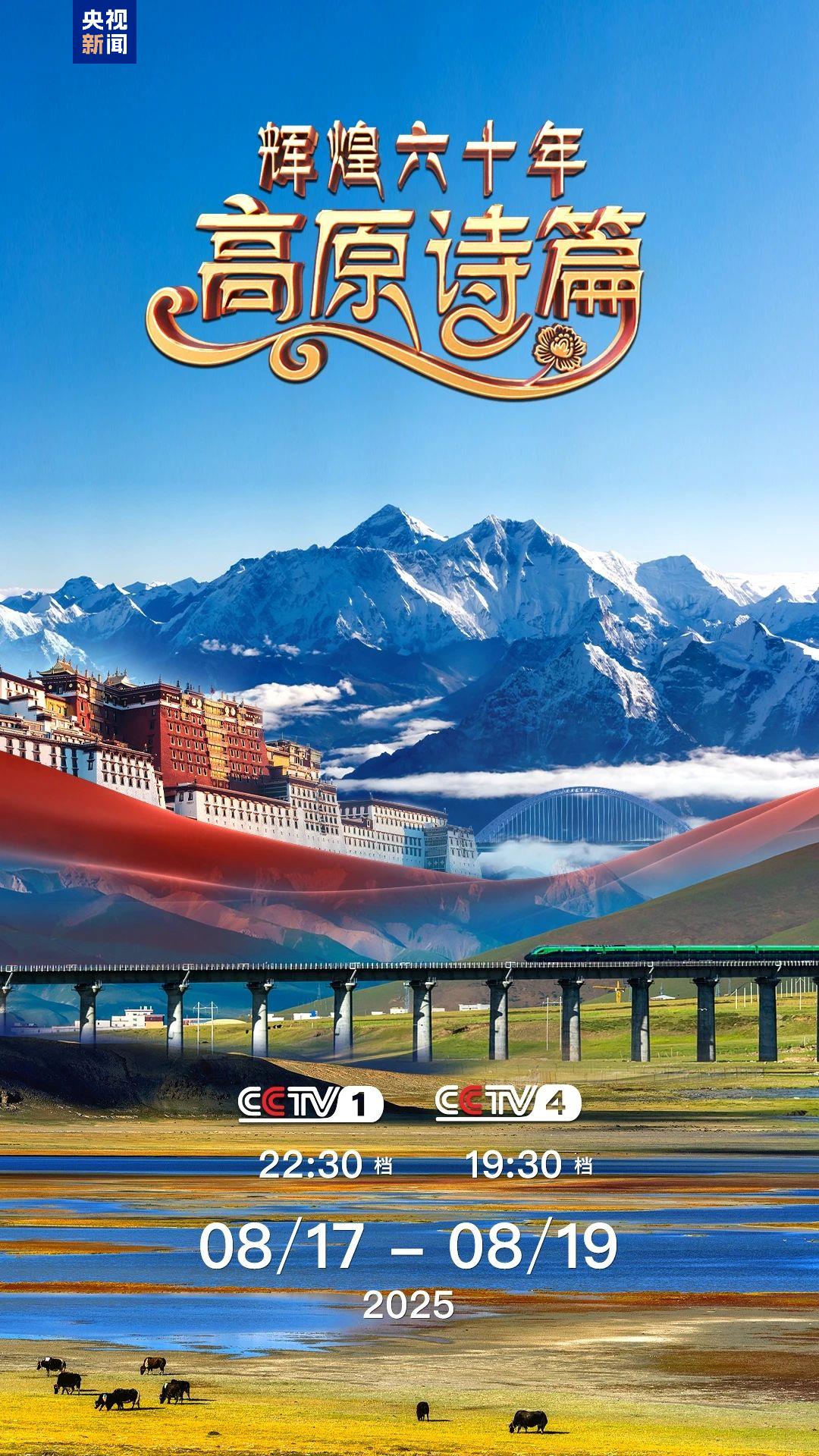
庆祝西藏自治区成立六十周年 《辉煌六十年:高原诗篇》开播
Yang Shi Xin Wen· 2025-08-17 09:31
Core Viewpoint - The documentary "Glorious Sixty Years: A Plateau Poem" celebrates the 60th anniversary of the Tibet Autonomous Region, showcasing its historical achievements and progress under the leadership of the Communist Party of China [1][4]. Summary by Sections - The documentary consists of six episodes, each lasting 30 minutes, titled: "Millennium Leap," "United as One," "Moving Forward," "Songs of the Snow Mountains," "Harmony and Coexistence," and "Land of Aspirations" [1]. - It highlights the comprehensive progress and historic achievements in Tibet over the past sixty years, focusing on the four major issues of "stability, development, ecology, and strong borders" under the new era's governance strategy [1]. - The series aims to deeply interpret the strong foundation of the consciousness of the Chinese national community and vividly decode the successful practice of Chinese-style modernization in the Tibetan plateau [1].

习近平总书记今年以来治国理政纪实丨筑牢强国建设民族复兴的文化根基
Yang Guang Wang· 2025-08-06 03:15
Group 1 - The core viewpoint emphasizes the importance of cultural confidence and the integration of material and spiritual civilization in China's modernization efforts [1][5] - The increase in tourism at Longmen Grottoes, with an average of 26,000 visitors per day this summer, highlights the growing interest in Chinese cultural heritage [1] - Xi Jinping's visits to historical sites like Lijiang Ancient Town and Baima Temple underline the need to protect and promote traditional culture while fostering a sense of national identity [2][3] Group 2 - The significance of red resources as a testament to the Party's history and a source of spiritual wealth is highlighted, especially in the context of commemorating the 88th anniversary of the War of Resistance against Japan [3] - The promotion of cultural arts, such as Peking Opera and film, is seen as essential for the development of a strong cultural identity and the enhancement of international competitiveness [4] - The successful global recognition of Chinese cultural symbols and the strategic goal of becoming a cultural powerhouse by 2035 reflect the ongoing efforts to enhance cultural influence and innovation [5]
全国青少年女子足球民族团结友谊赛在新疆开赛
Ren Min Ri Bao· 2025-08-05 22:21
本报乌鲁木齐8月5日电 (记者杨昊)由全国妇联、国家民委、国家体育总局主办的"石榴花开 青春绽 放"全国青少年女子足球民族团结友谊赛,5日在新疆喀什大学新泉校区体育场开赛。 据悉,本次比赛共吸引21支代表队参赛,300余名球员均为12至14岁女学生。5天赛期里,她们将在绿茵 场上挥洒汗水、奋力逐梦,让青春的朝气与拼搏的锋芒在赛场尽情绽放。 "以足球为纽带,促进各族青少年交往交流交融,让中华民族共同体意识深植各族青少年心灵。"山东队 主教练刘翀由衷赞叹。来自四川队的12岁彝族球员比曲么日牛动情地说:"这次比赛让我第一次走出凉 山,和有足球梦想的同学们一起踢球,我很高兴。" 据了解,友谊赛期间,球员们还将观看"传承好家风 共筑家国梦"民族地区家庭学用国家通用语言文字 展示活动,参观喀什地区的博物馆和科技馆,在交流研学中厚植家国情怀,铸牢中华民族共同体意识。 《 人民日报 》( 2025年08月06日 13 版) (责编:卫嘉、白宇) 近年来,全国妇联将体育运动作为促进各民族妇女儿童和家庭交往交流交融的桥梁纽带,助力新疆打 造"石榴花·追梦女孩"青少年女子足球队,截至目前已组建球队268支。 ...
西藏今年全区生产总值有望突破3000亿元 达到第三个千亿目标
Yang Shi Wang· 2025-08-05 02:45
Core Viewpoint - The 60 years since the establishment of the Tibet Autonomous Region have seen significant economic and social development, marked by historical transformations and achievements under the leadership of the Communist Party of China [2] Economic Development - In 2024, the GDP of Tibet reached 276.5 billion yuan, which is 155 times that of 1965, with an average annual growth rate of 8.9% [4] - Local fiscal revenue reached 27.7 billion yuan, which is 1,258 times that of 1965, with an average annual growth rate of 12.9% [4] - The region achieved its first trillion yuan GDP in 50 years, while the second trillion was reached in just 6 years [4] - The GDP is expected to exceed 300 billion yuan this year, reaching the third trillion yuan target [4] Infrastructure Development - A comprehensive transportation network has been established, including highways, railways, and air routes, significantly improving connectivity [5] - By the end of 2024, the total length of roads and operational railways in Tibet is projected to reach 124,900 kilometers and 1,359 kilometers, respectively, with 183 domestic and international flight routes [5] - The main power grid now covers all counties, and rural drinking water safety has been fundamentally resolved, with all administrative villages connected to fiber optic and 4G networks [5]
教育家精神万里行|高文:以美育人初心不改 融情入教爱满凉山
Ren Min Wang· 2025-08-04 13:11
Core Viewpoint - Gao Wen, an associate professor at China Academy of Art, has been actively involved in educational support in Liangshan since 2019, integrating Yi culture into teaching and enhancing cultural confidence among students [1] Group 1: Educational Initiatives - Gao Wen has created a teaching system that includes "Intangible Cultural Heritage Studio + Intangible Cultural Heritage Workshop + Intangible Cultural Heritage Inheritance Institute," which stimulates students' creativity and cultural pride [1] - He led the creation of a large mural series titled "The Long March of the Red Army through Daliangshan," measuring over 200 meters, to instill the spirit of red culture among students [1] Group 2: Research and Cultural Identity - Gao Wen pioneered a research direction focusing on the interdisciplinary exploration of ancient multi-ethnic common-source culture, aiming to enhance national cultural confidence and strengthen the sense of community among the Chinese nation [1] Group 3: Social Impact - His work spans from poverty alleviation to rural revitalization, emphasizing high-quality educational support in ethnic regions and promoting cultural unity through aesthetic education [1]
“核心价值观百场讲坛”第159场走进宁夏银川 宣讲世界遗产西夏陵
Xin Hua Wang· 2025-08-01 11:10
Core Viewpoint - The event highlighted the significance of the Western Xia Mausoleum as a testament to the historical interactions and cultural exchanges among multiple ethnic groups in China, emphasizing its unique position in the history of civilization [1]. Summary by Relevant Sections Historical Significance - The Western Xia Mausoleum showcases the characteristics of Western Xia civilization, including its site selection, spatial layout, burial system, architectural features, construction techniques, and funeral customs [1]. Cultural Value - The mausoleum reflects the multicultural integration and innovation resulting from exchanges, contributing to the formation of a unified multi-ethnic nation in China [1]. World Heritage Status - The inclusion of the Western Xia Mausoleum in the World Heritage List is deemed significant, as it presents the wisdom of civilization development revealed by this historical period to contemporary society [1]. National and Global Impact - The successful application for World Heritage status is expected to strengthen the sense of community among the Chinese nation and holds importance for national development and the future of global civilization and culture [1].
辽博上新展:玉猪龙等多件“镇馆之宝”亮相
Xin Hua She· 2025-07-31 11:16
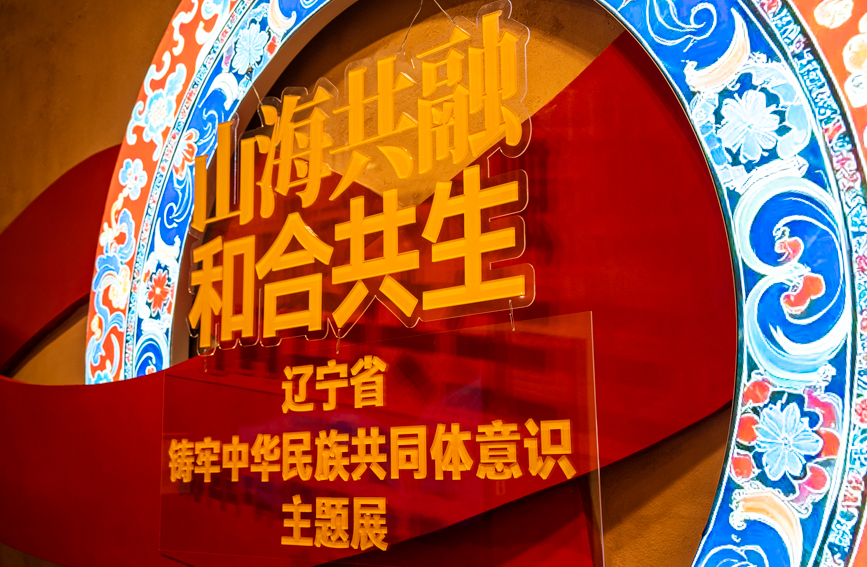
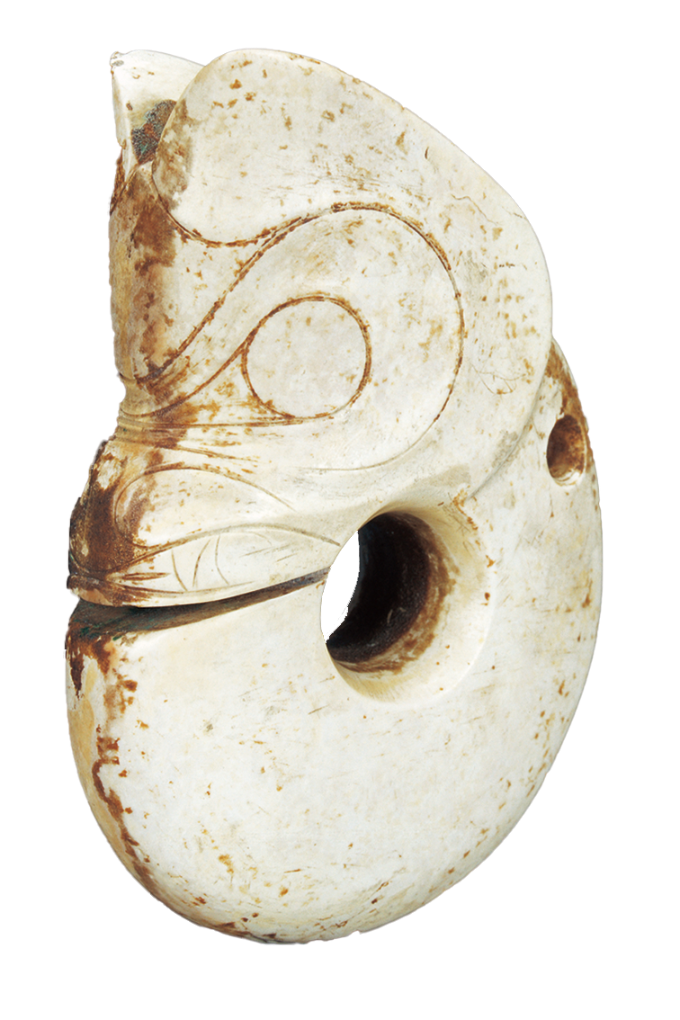
Core Points - The exhibition titled "Harmony of Mountains and Seas: Strengthening the Awareness of the Chinese National Community" officially opened on July 31 at the Liaoning Provincial Museum, showcasing a total of 512 cultural relics from 29 cultural institutions [1][6] - Among the exhibits, there are 57 first-class cultural relics, and 109 items are being displayed for the first time [1] - The exhibition highlights the history of cultural exchanges and integration among various ethnic groups in Liaoning, featuring artifacts from different historical periods [2][3] Summary by Categories - **Exhibition Overview** - The exhibition features 512 cultural relics, including significant pieces like the jade pig dragon and duck-shaped glass bottle [1][5] - It aims to present the historical evolution of the multi-ethnic integration in the Liaoning region [6] - **Cultural Significance** - The displayed artifacts range from early regional cultural relics to items that reflect the political and cultural integration between the Central Plains and border areas [2][3] - Each exhibit illustrates the unity and collaborative efforts of various ethnic groups in Liaoning, emphasizing the development and transmission of the awareness of the Chinese national community [2][6] - **Institutional Contribution** - The director of the Liaoning Provincial Museum expressed the hope that the exhibition would vividly showcase the historical context of the multi-ethnic integration and the contributions of Liaoning to the construction of the Chinese national community [6]
“宝贝”来了!辽博新展109件(组)文物首次展出
Ren Min Wang· 2025-07-31 01:41
Core Viewpoint - The exhibition titled "Mountain and Sea Integration, Harmony and Coexistence - The Theme Exhibition of Strengthening the Awareness of the Chinese National Community in Liaoning Province" will officially open on July 31, showcasing the historical evolution of the Chinese national community awareness in the Liaoning region [1][4]. Group 1 - The exhibition spans a historical timeline of 280,000 years, featuring 512 cultural relics from 29 cultural institutions, marking the largest chronological exhibition in the history of the Liaoning Museum [2]. - Among the exhibits, there are significant artifacts such as the jade pig dragon, the Boju stove, and the duck-shaped glass bottle, with 264 items borrowed from other institutions and 57 first-class relics on display [2]. - The exhibition aims to illustrate the multi-ethnic integration and development in the Liaoning region, highlighting the contributions of various ethnic groups to the Chinese traditional culture and the concept of a shared destiny [4][6]. Group 2 - The exhibition is organized by the Liaoning Provincial United Front Work Department, the Liaoning Provincial Ethnic and Religious Affairs Commission, and the Liaoning Provincial Public Cultural Service Center, with a duration of four months, running until November 30, 2025 [6]. - The venue for the exhibition is located in the first and second halls of the Liaoning Museum [6].