人民城市理念

Search documents
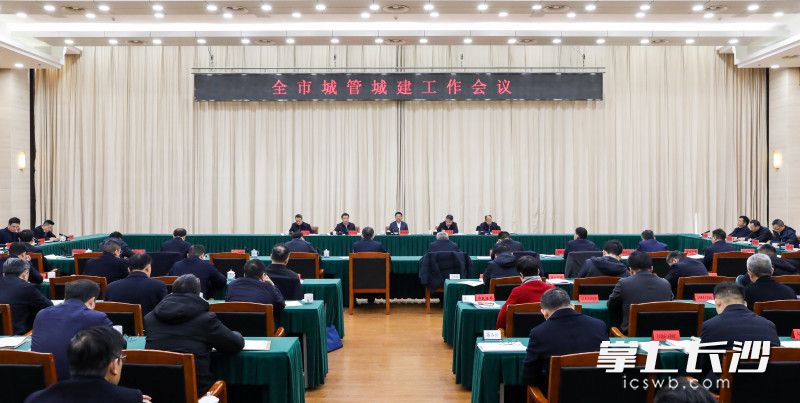
全市城管城建工作会议召开 陈博彰出席
Chang Sha Wan Bao· 2026-01-24 01:50
Core Viewpoint - The city management and construction work meeting emphasized the need to implement Xi Jinping's important discourse on urban work, focusing on the concept of a people-oriented city and enhancing urban management and construction efforts to achieve new heights [1][3]. Group 1: Summary of Meeting Outcomes - The meeting reviewed the urban management and construction work for 2025, identifying current issues and setting priorities for the year ahead [3]. - In the past year, the city has improved its urban image and functionality through meticulous management practices, including innovative problem identification and rectification initiatives [3]. Group 2: Strategic Directions - All levels of government are urged to adapt to new urban development requirements, ensuring coordinated progress in urban construction, public service enhancement, and urban capability improvement [4]. - A focus on a closed-loop management approach is emphasized, integrating resources and breaking down departmental barriers to enhance efficiency in urban management [4]. - The city aims to leverage the opportunity of hosting the 16th National Games to advance project construction, linking urban quality improvement with public welfare [4].

为什么说党的创新理论常学常新、越用越灵——楚源集团十年之变观察
Ren Min Ri Bao· 2026-01-22 08:09
Core Insights - The article emphasizes the transformation of the leadership mindset at Hubei Chuyuan Group, highlighting the importance of integrating theoretical learning with practical application in the context of environmental protection and corporate development [1][5]. Group 1: Leadership Transformation - Over five years, the leadership at Hubei Chuyuan Group has evolved from a defensive stance regarding environmental penalties to recognizing them as necessary for corporate transformation [1]. - The shift in mindset reflects a deeper understanding of the need for ecological protection and sustainable development, moving from a focus on immediate economic contributions to long-term environmental responsibilities [2][3]. Group 2: Environmental and Economic Integration - The company has adopted a philosophy that ecological protection and economic development should not be viewed as opposing forces, leading to innovative practices such as turning waste into resources [5]. - Hubei Chuyuan Group has established a green shared fund to ensure that local communities benefit from the company's growth, demonstrating a commitment to social responsibility [6]. Group 3: Strategic Direction and Development - The article discusses the necessity for traditional industries to upgrade and innovate, emphasizing that failure to adapt will result in obsolescence [3]. - The company's leadership has decided to focus on enhancing its core chemical business rather than diversifying into new energy sectors, indicating a strategic commitment to its primary industry [6]. Group 4: Economic Growth Context - The article notes that China's economy has grown significantly, with the total economic output increasing from 110 trillion yuan to 140 trillion yuan over five years, showcasing the effectiveness of innovative theoretical guidance in driving economic progress [7].
为什么说党的创新理论常学常新、越用越灵(现场评论)
Ren Min Ri Bao· 2026-01-21 23:31
"坚持学思用贯通、知信行统一"。近5年来5次蹲点湖北楚源集团,看到老杨小杨两任企业负责人思想之 变、企业转型发展之变,更深感习近平总书记这句话的分量。 2022年夏天,初次调研如"隔山打牛"。 听说要谈环保"天价罚单",两任董事长有顾虑、很谨慎。杨志成反复强调"不要旧事重提",杨鹏则"挤 牙膏""打太极"。 2025年深冬,第五次调研似"高山流水"。 "天价罚单,历史必然。过去喊冤,现在看反而是好事,先罚促先改,转型早一步。"小杨敞开心扉。 企业负责人的思想之变,彰显的正是以党的创新理论凝心铸魂的力量。 曾经,理论学习浅尝辄止,没往思想深处去,也就谈不上转化为发展实践。 学习不走心,首先在于认知惯性。在老杨小杨的固有看法里,企业对地方税收、就业贡献大,环保"多 大点事"? 更在于思维惯性。"低头拉车"惯了,"抬头看路"少了。不看方向,不辨形势,思维跟不上时代。 "天价罚单"之痛,企业经营之艰,发展前路之困……促使企业两任党委书记真学真信真用、学懂弄通做 实。 结合自己的思想实际,解思想疙瘩,老杨小杨打开了理论学习的深化、内化、转化之门。 过去解决"有没有",今天追求"好不好",环保就是"天大的事"。 先污染后 ...
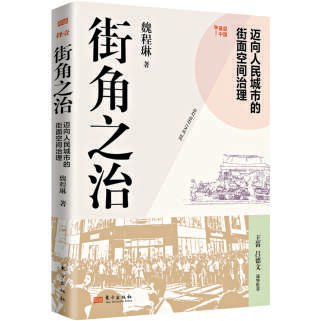
城市,是一个又一个街角
Xin Lang Cai Jing· 2026-01-18 08:11
▌王习明 作者通过这本书呈现了转型期中国都市公共空间治理的生态,既展示了街面治理的权威结构,关注了为 学界忽视的、正式行政人员之下的半正式行政人员群体——协管员的构成和行动逻辑,又关注了流动摊 贩、渣运群体等街面的分利者和隐性支配者,有助于消除人们对城管的污名化认识和对摊贩的模式化、 刻板性认识,为进一步研究中国城市基层治理提供了较为丰富的第一手经验材料。 此外,作者的田野调查还展示了中国城市公共空间治理过程中的冲突生产与控制机制,提出了一些具有 启发性的分析概念和分析框架,如接点治理、"边界—机会"结构分析法,有助于建立有中国主体的城市 基层治理话语体系。作者通过类型比较对人民城市理念进行了学理性的阐释:不同于资本型城市、管理 型城市、自治型城市,人民城市发展目标为了人民,建设过程依靠人民,发展成果由人民共享,发展主 导权由人民政府掌握,明确了城市治理创新的方向。 阅读《街角之治》,可以同时阅读《鲁磨路:城管、小贩与街头秩序》和《中国式社区》。前者以武汉 市鲁磨路为个案,刻画了城管和小贩的复杂群像,展示了城管和小贩的博弈过程,揭示了中国城市街头 秩序生成的机制;后者则概括了中国城市社区的集合式建筑、高密度居 ...
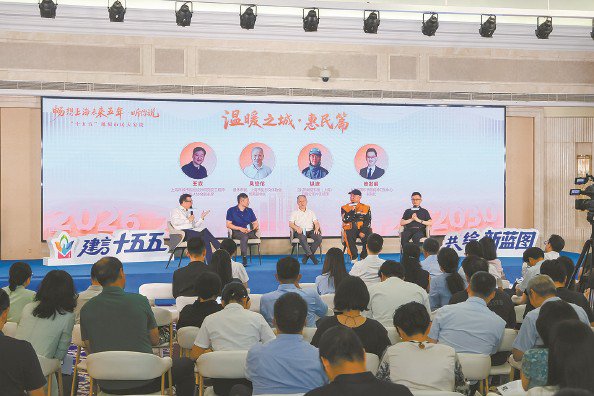
10.3万个金点子 聚集人民城市新动能
Xin Lang Cai Jing· 2026-01-17 07:28
Group 1 - The core idea of the news is the active engagement of citizens in the "14th Five-Year Plan" through various suggestion collection initiatives, reflecting the importance of public participation in urban governance [2][4][5] - In the past year, over 103,000 suggestions were collected from citizens, with a high acceptance rate of 98.6% for important suggestions, demonstrating the effectiveness of the suggestion collection process [2][4] - The suggestion collection activities included 163 proactive engagements related to the "14th Five-Year Plan," resulting in over 30,000 suggestions, showcasing the vibrant civic participation and innovative ideas from the public [2][4] Group 2 - The suggestion collection process involved both online and offline methods, including 78 face-to-face discussions with over 1,900 citizen representatives, ensuring a comprehensive approach to gathering public opinions [4][5] - Various departments analyzed the suggestions for their typicality, policy relevance, and forward-looking nature, aiming to implement effective measures based on citizen feedback [5][6] - Initiatives such as optimizing service processes and enhancing public services were highlighted, indicating a commitment to translating citizen suggestions into actionable policies [5][6]
激发群众参与活力 赋能城市高质量发展
Xin Lang Cai Jing· 2026-01-17 07:28
Core Viewpoint - The articles emphasize the importance of citizen participation in urban development, highlighting how public suggestions contribute to effective governance and improved public services [1][2][3] Group 1: Citizen Engagement - The citizen suggestion collection platform serves as a vital tool for gathering public input, reflecting the community's love and expectations for the city [1] - Various forms of citizen engagement, such as suggestion boxes and roundtable discussions, cover multiple areas including economy, livelihood, culture, and ecology [1][2] - The integration of citizen suggestions into urban governance enhances the decision-making process and promotes a sense of ownership among residents [2][3] Group 2: Implementation of Suggestions - Successful implementation of citizen suggestions has led to improvements in community governance, such as transparent property service fees and streamlined talent settlement processes for high-tech enterprises [2] - Collaborative efforts between state-owned and private enterprises to form "innovation alliances" have emerged, breaking down barriers to tackle key technologies [2] - The establishment of diverse platforms for citizen suggestions has transformed public input into actionable governance strategies, enhancing the overall democratic decision-making process [2]
【好评中国】让人民城市理念融入一砖一瓦
Xin Lang Cai Jing· 2026-01-17 03:18
筑牢城市之基。当前,我国城镇化正从快速增长期转向稳定发展期,城市发展正从大规模增量扩张阶段 转向存量提质增效为主的阶段。各地要认真践行人民城市理念。在发展目标上,要以建设创新、宜居、 美丽、韧性、文明、智慧的现代化人民城市为目标,把人民利益放在第一位,认真倾听人民的呼声与想 法,切实增强人民群众的幸福感、获得感、安全感。在发展原则上,要更加重视以人为本,推动城市实 现内涵式发展,不能搞形式主义,不能好大喜功,而是要时时处处考虑人民群众的利益。在发展任务 上,要着眼于提高城市对人口和经济社会发展的综合承载能力,要坚持人口、产业、城镇、交通一体规 划,更好满足群众刚性和多样化改善性住房需求,稳步推进城中村和危旧房改造。大力发展健康、家政 等生活性服务业,健全养老服务体系,加强教育资源前瞻性布局,实施医疗卫生强基工程。要突出抓基 层、强基础、固根本,高效解决群众急难愁盼问题。 坚守城市之本。党的十八大以来,以习近平同志为核心的党中央深刻把握新形势下我国城市发展规律, 坚持党对城市工作的全面领导,在人民城市理念指引下,我国城市发展取得了举世瞩目的历史性成就。 常住人口城镇化率从2012年的53.1%跃升至2024年的 ...
以人民城市理念引领现代化城市建设
Xin Lang Cai Jing· 2026-01-16 06:42
以人民城市理念引领现代化城市建设 城市是现代化的重要载体,是人民幸福生活的美好家园。党的十八大以来,以习近平同志为核心的党中央科 学把握城市发展大势,深刻洞察城市发展规律,围绕城市工作作出一系列重要论述和重大决策部署。从2015年中 央城市工作会议强调"坚持人民城市为人民",到2019年习近平总书记提出"人民城市人民建,人民城市为人民", 再到2025年中央城市工作会议提出"以建设创新、宜居、美丽、韧性、文明、智慧的现代化人民城市为目标",人 民城市理念为新时代城市建设指明了方向。新征程上,如何深刻把握人民城市的科学内涵,将其全方位融入城市 建设实践之中,大力推动城市高质量发展,不断开创现代化城市建设新局面,是我们必须回答好的重大时代课 题。 一、从我国现代化城市建设轨迹把握人民城市理念 肖超伟 作为现代化的物质载体与人类文明的空间表征,城市的发展轨迹,既是经济社会发展在空间上的投射,也深 刻映射出国家现代化的历史进程。新中国波澜壮阔的现代化城市建设历程,深刻体现了人民城市理念从实践探索 向系统理论与深化落实的重要跃升。 新中国成立初期,在百废待兴的工业化起步阶段,面对一穷二白的现实国情,我们党把工作重心由农 ...
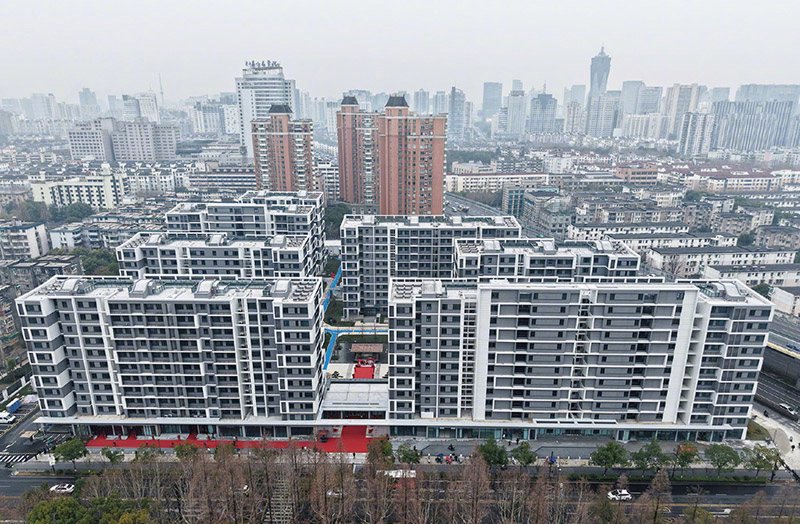
用心用情做好每个城中村改造项目 陈吉宁与龚正在奉贤区闵行区调研城中村改造工作 要求为城市高质量发展内涵式发展提供有力支撑
Jie Fang Ri Bao· 2026-01-16 01:51
Core Viewpoint - The Shanghai municipal leaders emphasize the importance of accelerating the renovation of urban villages to enhance the quality of life for residents and support the high-quality development of the city [1][3]. Group 1: Urban Village Renovation - The renovation of urban villages is a significant livelihood project aimed at improving living conditions and accelerating the construction of a modern, livable city [1][3]. - The city has made substantial progress in urban village renovations, completing various housing improvement tasks and achieving breakthroughs in the "two old and one village" renovation projects [1]. - The renovation projects are designed to meet the "good housing" standards, ensuring that relocated residents can enjoy modern amenities [2]. Group 2: Community Engagement and Feedback - During the site visits, municipal leaders engaged with residents to gather feedback on the renovation projects, highlighting the community's anticipation and appreciation for the improvements [2]. - Residents expressed gratitude for the government's efforts in addressing their needs and concerns regarding housing [2]. Group 3: Strategic Planning and Implementation - The city leaders stress the need for tailored strategies in urban village renovations, recognizing the diverse conditions and types of urban villages [3]. - Emphasis is placed on integrating urban renewal with public service improvements and cultural heritage preservation to create a comprehensive development approach [3]. - The importance of grassroots governance and community participation in the renovation process is highlighted, aiming for a collaborative approach to urban development [3].
《求是》杂志发表习近平总书记重要文章《在中央城市工作会议上的讲话》
国家能源局· 2026-01-15 09:54
Core Viewpoint - The article emphasizes the importance of urban development in China, highlighting the achievements and challenges faced since the 18th National Congress of the Communist Party, and outlines the overall requirements and key tasks for future urban work [2][10][11]. Summary by Sections Overall Requirements for Urban Work - Urban work should be guided by the thought of socialism with Chinese characteristics for a new era, focusing on high-quality urban development, and emphasizing the importance of people-centered urban planning [3][11]. - Key principles include shifting to a people-oriented development approach, promoting efficient and intensive urban development, and enhancing governance investment [3][12]. Key Tasks for Urban Development 1. **Optimizing Modern Urban Systems** - Focus on enhancing the comprehensive carrying capacity of cities, developing modern urban clusters, and promoting coordinated development among cities and towns [4][13]. 2. **Building Innovative Cities** - Innovation should be the primary driving force for urban development, with a focus on creating a conducive environment for innovation and entrepreneurship [4][16]. 3. **Creating Livable Cities** - Emphasize integrated planning for population, industry, and transportation, and improve housing quality to meet diverse needs [4][18]. 4. **Developing Green and Low-Carbon Cities** - Promote green transformation of infrastructure and enhance urban ecological quality through effective pollution control measures [4][19]. 5. **Establishing Resilient Cities** - Focus on safety and disaster prevention, improving infrastructure resilience, and embedding risk management into urban governance [4][20]. 6. **Cultivating Civilized Cities** - Strengthen cultural heritage protection and promote urban civilization, reflecting traditional Chinese culture [4][22]. 7. **Implementing Smart Cities** - Enhance urban governance through digitalization and smart technologies, ensuring efficient service delivery and community engagement [4][23]. Leadership and Governance - The article stresses the necessity of strengthening the Party's leadership in urban work, improving governance mechanisms, and fostering a capable workforce for urban planning and management [5][24].