
传染病防控

Search documents
因违反疫情防控规定,肇庆四会多家单位被依法查处
Nan Fang Du Shi Bao· 2025-10-04 00:53
Core Points - The article discusses the enforcement actions taken by the health authorities in Sihui City to prevent mosquito-borne diseases such as Chikungunya and Dengue Fever through inspections of various institutions [1] Group 1: Enforcement Actions - Sihui City health authorities conducted special inspections in medical institutions, schools, hotels, and event venues to ensure compliance with mosquito-borne disease prevention regulations [1] - Multiple institutions were found violating prevention regulations and were subjected to legal penalties, including warnings and orders for immediate rectification [1] Group 2: Case Summaries - Case 1: A general clinic in Sihui failed to implement the infectious disease pre-screening system, leading to a warning and a requirement for immediate correction [2] - Case 2-1: A health station improperly disposed of medical waste, resulting in a warning and an order to correct the violation [3] - Case 2-2: Another clinic was penalized for not properly segregating medical waste, receiving a warning and an order for immediate compliance [4] - Case 3: A resort was found with stagnant water and garbage, failing to clear these hazards, leading to a warning and a requirement for corrective actions [5] - Case 4-1: A hotel management company was penalized for not clearing stagnant water, which led to mosquito breeding, receiving a warning and an order for immediate cleanup [7] - Case 4-2: A large hotel was found with stagnant water and mosquito larvae, resulting in a warning and an order for immediate action [8] - Case 4-3: Another hotel was penalized for failing to clear water accumulation, leading to mosquito breeding, with a warning issued [9] - Case 4-4: A business hotel was found with stagnant water and debris, resulting in a warning and an order for immediate cleanup [10] - Case 4-5: A hotel management company was penalized for not clearing water, leading to mosquito breeding, with a warning issued [11] - Case 4-6: A hotel was found with stagnant water, resulting in a warning and an order for immediate action [12][13] - Case 5: An elderly care facility was penalized for not clearing stagnant water, leading to mosquito breeding, with a warning and an order for immediate compliance [14]
大国院士:“病原猎手”徐建国
Xin Hua Wang· 2025-09-24 21:03
Core Viewpoint - The article highlights the significant contributions of Xu Jianguo, a prominent figure in pathogen research and disease control in China, emphasizing the need for advanced capabilities in discovering new pathogens and continuous technological innovation in the face of emerging infectious diseases [1][2]. Group 1: Pathogen Research and Disease Control - Xu Jianguo has dedicated over 40 years to the mission of pathogen detection and disease control, emphasizing the importance of being proactive in identifying dangerous pathogens [2]. - In 1999, Xu played a crucial role in identifying the pathogen responsible for an outbreak of hemorrhagic colitis, demonstrating the importance of rapid response and accurate diagnosis in controlling infectious diseases [3][4]. - The establishment of a reserve catalog of 80 rare pathogens in 2004 was a strategic move to prepare for future challenges posed by emerging infectious diseases [5]. Group 2: Technological Advancements and Innovations - The Chinese disease control system has shown resilience, with the average reporting time for infectious diseases reduced to 4 hours, and a network capable of identifying over 300 pathogens within 72 hours [5]. - Over the past decade, Xu's team has discovered more than 150 new bacteria and over 20 new viruses, showcasing the continuous innovation in pathogen research [6]. - The ability to decode the genomes of unknown microorganisms rapidly is crucial for transforming reactive disease control into proactive measures [6]. Group 3: Commitment to Public Health - Xu Jianguo emphasizes the commitment of Chinese disease control professionals to protect public health, stating their willingness to work diligently behind the scenes to safeguard lives [6]. - The article reflects on the historical evolution of disease control efforts in China, from rudimentary methods to advanced mobile laboratories, highlighting the dedication of past and present scientists [6].
第二十二次粤港澳防治传染病联席会议顺利召开
Zheng Quan Shi Bao Wang· 2025-09-24 01:16
Core Points - The 22nd Joint Meeting on Infectious Disease Prevention and Control of Guangdong-Hong Kong-Macao was successfully held in Hong Kong on September 22 [2] - The meeting focused on the current situation of key infectious diseases, seasonal influenza, vaccine-preventable diseases, and the control of diseases such as chikungunya and dengue fever [2] - There was an emphasis on enhancing collaboration among the three regions in areas such as infectious disease prevention, emergency response systems, research, vaccine efficacy evaluation, and training [2] Summary by Categories - **Infectious Disease Overview** - Discussion on the current status of key infectious diseases in Guangdong, Hong Kong, and Macao [2] - Focus on seasonal influenza and other vaccine-preventable diseases [2] - **Specific Disease Control** - In-depth exchange on the control measures for chikungunya and dengue fever [2] - **Collaboration and Future Actions** - Agreement to strengthen cooperation in infectious disease prevention and emergency response [2] - Plans to optimize information sharing mechanisms, risk assessment, joint emergency drills, and personnel training [2]
广州开展为期一个月的爱国卫生运动统一行动
Guang Zhou Ri Bao· 2025-08-28 07:56
Core Points - The Guangzhou Public Health Committee and the Patriotic Health Campaign Committee have issued a unified action plan for the patriotic health campaign [1] - The campaign will run for one month starting from August 24, with every Friday designated as a unified action day [1] - The objectives include thorough environmental sanitation, targeted pest control, and health education to reduce the risk of infectious diseases such as dengue fever and chikungunya [1] - The initiative aims to create a clean, beautiful, healthy, and livable urban and rural environment for the citizens of Guangzhou [1]
广东防控基孔肯雅热,多款核酸检测试剂无注册证
第一财经· 2025-08-23 15:09
Core Viewpoint - The article discusses the recent outbreak of Chikungunya virus in Guangdong, China, highlighting the lack of registered diagnostic products and the challenges faced by domestic diagnostic companies in developing and registering testing kits for this virus [2][4][8]. Group 1: Current Situation of Chikungunya Virus Testing - In July 2025, an outbreak of Chikungunya virus occurred in Foshan, Guangdong, with the situation reported to have stabilized by August 22, 2025 [2]. - Despite the outbreak, no diagnostic products for Chikungunya virus have received the National Medical Products Administration (NMPA) Class III medical device registration, limiting their use to research and disease control scenarios [2][4]. - The sensitivity and specificity of nucleic acid testing methods are superior to antibody methods, making them the preferred choice during the outbreak [4][8]. Group 2: Challenges in Product Development - Chikungunya virus is not a new disease, having been identified in Tanzania in 1952, and China has had established diagnostic standards since 2018 [4]. - The limited market size and sporadic cases have discouraged companies from investing in the development of diagnostic products [4][8]. - The registration process for nucleic acid diagnostic products is costly and time-consuming, requiring clinical trials involving at least 200 participants across three different medical institutions, with costs exceeding one million yuan [8]. Group 3: Emergency Procurement and Market Dynamics - Despite the lack of registration, nucleic acid testing kits were included in emergency government procurement due to the outbreak [10]. - On August 5, 2025, the Guangzhou Disease Control Center announced the emergency procurement results, with a bid from Da An Gene for 3.9 yuan per person [10]. - The price for the nucleic acid testing kits is low, which may further deter companies from pursuing registration due to reduced profit margins [13]. Group 4: Importance of Diagnostic Testing - The lack of effective treatment and preventive vaccines for Chikungunya virus makes early detection through nucleic acid testing crucial for controlling the outbreak [16]. - Chronic Chikungunya arthritis has a reported incidence rate of 40.4%, emphasizing the long-term health impacts of the virus [16]. - Experts recommend establishing a strategic reserve mechanism for diagnostic reagents, vaccines, and medications to better prepare for such outbreaks in the future [16].


广东防控基孔肯雅热,多款核酸检测试剂仍无注册证
Di Yi Cai Jing· 2025-08-23 14:53
Group 1 - Multiple domestic in vitro diagnostic companies have rapidly launched virus nucleic acid test kits in response to sudden public health needs, but none have obtained Class III medical device registration from the National Medical Products Administration (NMPA) as of now, limiting their use to emergency scenarios in research or disease control [1][2][3] - The nucleic acid testing method has superior sensitivity and specificity compared to antibody methods, leading to its widespread use during the recent outbreak of Chikungunya fever, yet all currently used products lack registration [2][3] - The lack of investment in research and development for Chikungunya-related testing products is attributed to the limited market size and sporadic nature of the disease, which has hindered companies from pursuing registration [2][5] Group 2 - Despite the absence of registration, nucleic acid test kits have been included in government emergency procurement due to the sudden outbreak of Chikungunya fever [6] - The Guangzhou Disease Control Center announced an emergency procurement project for Chikungunya virus nucleic acid test kits, with a winning bid from Da An Gene at a price of 3.9 yuan per person [6] - The procurement results indicate that the price for the nucleic acid test kits is low, which may further discourage companies from pursuing product registration due to the associated costs of clinical trials and data requirements [12][13] Group 3 - The current lack of effective treatment drugs and preventive vaccines for Chikungunya fever in China emphasizes the importance of nucleic acid testing for early detection and control of the disease [16] - Experts suggest that relying solely on voluntary research and production by companies is insufficient, advocating for the establishment of a national strategic reserve mechanism for reagents, vaccines, and drugs [16]

基孔肯雅热,怎么防如何治?(大健康观察)
Ren Min Ri Bao Hai Wai Ban· 2025-08-04 22:48
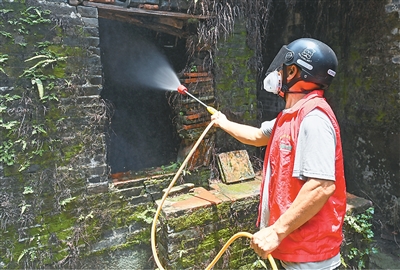
Core Viewpoint - The recent outbreak of Chikungunya fever in some southern cities of China has raised concerns about its transmission and prevention methods, highlighting the need for public awareness and effective mosquito control measures [2][5]. Group 1: Disease Overview - Chikungunya fever is an acute mosquito-borne viral disease primarily transmitted by Aedes mosquitoes, particularly Aedes aegypti and Aedes albopictus, prevalent in tropical and subtropical regions [3][6]. - The disease was first identified in Tanzania in 1952, with its name derived from a local term meaning "to become contorted," reflecting the severe joint pain experienced by patients [3][5]. Group 2: Transmission and Symptoms - The primary transmission cycle is "human → mosquito → human," with no direct human-to-human transmission through casual contact or respiratory droplets [6][8]. - Symptoms include fever, joint pain, and rash, typically lasting 5 to 7 days, with a focus on vulnerable populations such as the elderly, children, pregnant women, and those with pre-existing health conditions [9][10]. Group 3: Comparison with Other Diseases - Chikungunya fever shares similarities with dengue fever in terms of transmission and initial symptoms, but it has a shorter incubation period and faster spread, with studies suggesting it spreads 2-3 times faster than dengue [10][11]. Group 4: Diagnosis and Treatment - Diagnosis involves virus nucleic acid testing and specific antibody detection, with no specific antiviral treatment available; management is primarily symptomatic [12][11]. - Patients are advised against self-medication, particularly with drugs like aspirin or ibuprofen, which could exacerbate symptoms [12][11]. Group 5: Prevention Measures - Effective prevention focuses on mosquito control, including eliminating breeding sites by removing stagnant water and using physical, chemical, and biological methods for mosquito eradication [13][14]. - Personal protective measures include wearing long sleeves and pants, using mosquito repellents, and avoiding outdoor activities during peak mosquito activity times [14].
防蚊防高温防水源污染
Guang Xi Ri Bao· 2025-08-02 02:07
Group 1 - The core viewpoint of the articles emphasizes the importance of public health measures in response to the seasonal increase in infectious diseases, particularly vector-borne diseases like dengue and chikungunya, as well as the health risks associated with flooding and high temperatures [1][2] - The Guangxi Health Commission reported that there have been no major infectious disease outbreaks or public health emergencies this year, although the risk of local transmission of vector-borne diseases is heightened due to increased travel and the breeding of mosquitoes during the flood season [1] - Preventive measures against vector-borne diseases include eliminating standing water, controlling mosquito populations, and protecting against bites, with a strong recommendation for individuals traveling to endemic areas to seek medical attention if they exhibit symptoms [1][2] Group 2 - The current flood season poses challenges for food and water safety, increasing the risk of waterborne diseases such as typhoid and hepatitis A, as well as other infectious gastrointestinal diseases [2] - The Guangxi authorities are enhancing monitoring and risk assessment mechanisms, implementing a "daily monitoring, weekly assessment, monthly scheduling" approach to evaluate risks associated with vector-borne and summer infectious diseases [2] - Collaboration between health and meteorological departments has led to the issuance of health risk alerts related to high temperatures, aiming to provide effective public health interventions during extreme weather conditions [2]
世卫组织警告基孔肯雅热或流行:病毒有何特性?如何检测
2 1 Shi Ji Jing Ji Bao Dao· 2025-07-23 10:57
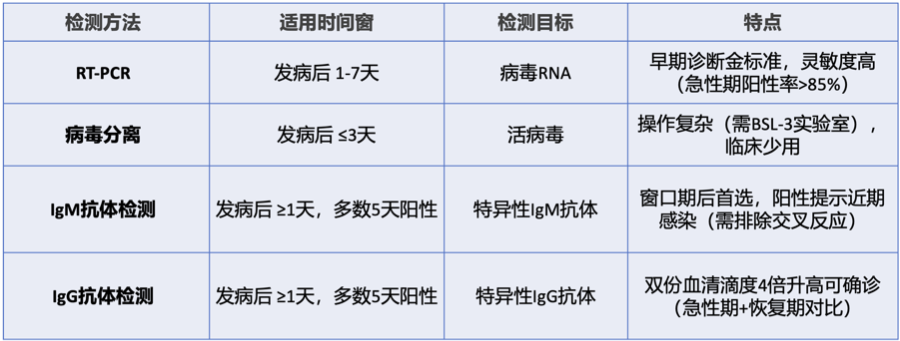
Core Insights - Chikungunya virus has become a significant concern, with 119 countries and regions reporting its spread, affecting approximately 5.5 million people at risk of infection, potentially leading to widespread outbreaks and pressure on healthcare systems [1] - In 2023, an estimated one-third of the population in Réunion Island, a French territory in the Indian Ocean, has been infected, with cases also reported in India, Bangladesh, and several European countries [1] - As of July 21, 2025, Foshan has reported a total of 2,659 confirmed cases of Chikungunya fever, all mild, with no severe cases or deaths reported [1] Disease Characteristics - Chikungunya virus belongs to the family of flaviviruses and is a single-stranded positive-sense RNA virus, with a spherical shape and a diameter of approximately 50 nanometers [3] - The virus can be classified into multiple genotypes, which differ in pathogenicity and transmission capabilities, affecting the severity of outbreaks [3] - There is currently no vaccine or specific treatment for Chikungunya; symptomatic treatment is provided, primarily for fever and pain relief [3] Prevention and Control Measures - Key aspects of infectious disease control include early detection, diagnosis, and treatment of cases, with Foshan's medical institutions reporting positive cases on the same day to the national disease control network [4] - During the rainy season, controlling mosquito populations is crucial, as Aedes mosquitoes breed in small water containers; community mobilization for environmental cleanup is recommended [4] - Preventive measures include regular cleaning of potential mosquito breeding sites and personal protective actions such as wearing long sleeves and using mosquito repellent [9] Diagnostic Methods - Various diagnostic methods are employed for Chikungunya, including RT-PCR for detecting viral RNA within the first week of illness, which is considered the gold standard for early diagnosis [6][8] - Serological tests for IgM and IgG antibodies are also used, with IgM indicating recent infection and IgG suggesting past infection [6][8] - Laboratory testing is essential for confirming Chikungunya fever, with RT-PCR showing high sensitivity during the acute phase [7][8]
“岭南时令与健康”座谈会召开 专家送上“健康锦囊”
Nan Fang Ri Bao Wang Luo Ban· 2025-05-29 08:55
Group 1 - The event "Lingnan Seasonal and Health" was held in Guangzhou, focusing on health advice for students and travelers due to the upcoming college entrance examination and the Dragon Boat Festival [1] - Experts provided multi-dimensional suggestions on scientific diet, psychological adjustment, reasonable travel, and infectious disease prevention [1] Group 2 - Psychological advice includes establishing good sleep habits, avoiding stimulating drinks, and using mindfulness techniques to alleviate anxiety [2] - Dietary recommendations suggest consuming at least 12 types of food daily, prioritizing protein from seafood and poultry, and including sufficient vegetables and fruits [3] - With the Dragon Boat Festival approaching, experts warned about health risks due to hot and humid weather, advising precautions against diseases like dengue fever and COVID-19 [4] - Traditional food like zongzi should be consumed wisely, especially for individuals with hypertension or diabetes, and should not be eaten on an empty stomach or right before sleep [4] - Recommendations for dietary adjustments include consuming foods that help with digestion and reduce humidity, such as bitter melon and mung beans, and engaging in moderate exercise [5]