
共建共治共享

Search documents
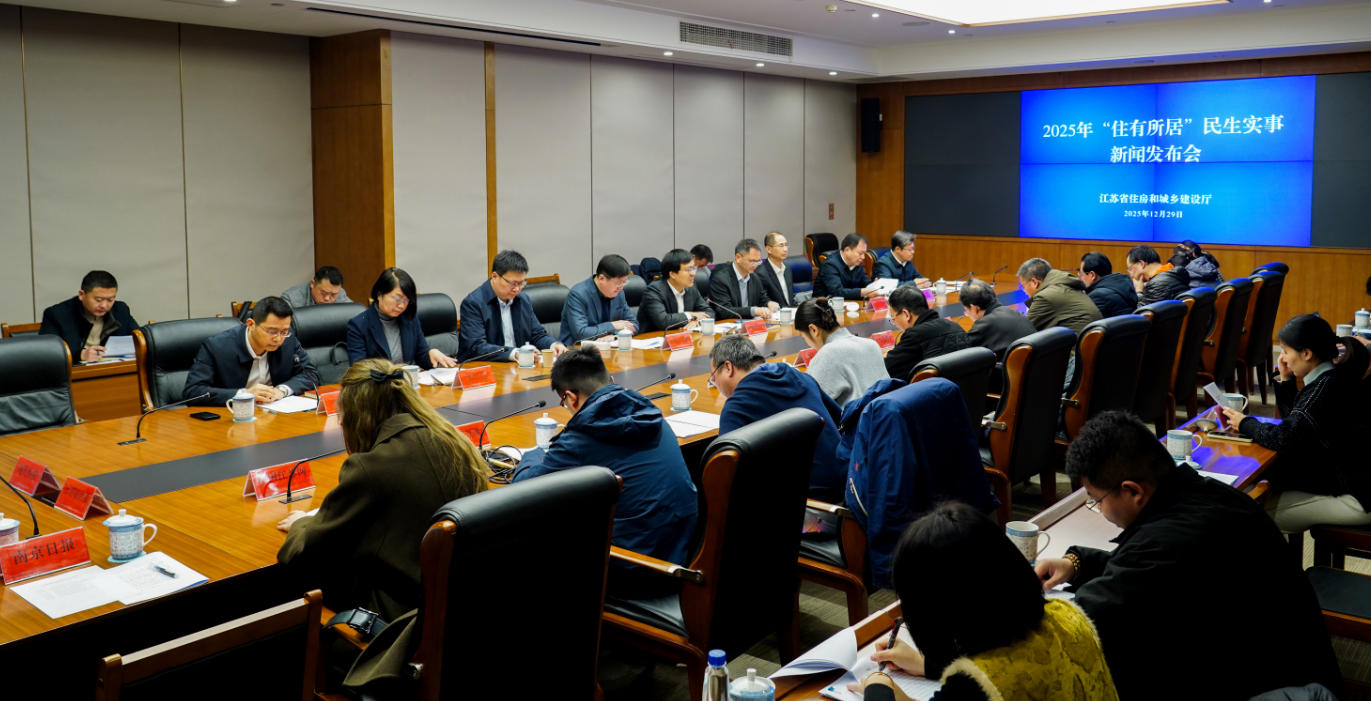
一个城市小区的共治实践
Xin Lang Cai Jing· 2026-01-01 23:53
Core Insights - The "1780" project in Jiefang Community, Pinghu City, Zhejiang Province, emphasizes community governance through mutual assistance and grassroots participation, transforming the traditional "top-down" approach into a more inclusive model [1][4] Group 1: Project Overview - The "1780" project aims to encourage residents to voice their opinions and contribute ideas, moving away from a passive role in community governance [1] - The project integrates local party members to lead initiatives, such as addressing issues like the chaotic parking of electric bikes, resulting in more effective solutions than traditional notices [1][2] Group 2: Community Engagement and Services - The project employs a "resident order, community dispatch, multi-party acceptance" model, ensuring tangible results for community issues, such as the installation of smart charging stations for electric bikes within two months [2] - Community services include health check-ups benefiting over 800 residents and educational activities for youth, fostering a culture of learning and engagement [2] Group 3: Mechanisms and Feedback - A dual approach for collecting public opinions includes an online "public opinion express" and a physical "fun public opinion wall," gathering over 800 suggestions in two years, with a response rate for issues [3] - The "three-color management method" categorizes issues by urgency, ensuring timely responses and resolutions, with a 90% completion rate for over 150 community issues addressed [3][4] Group 4: Community Impact - The project has led to a cleaner environment, improved facilities for children and seniors, and a 37% reduction in conflicts, with over 60% of residents participating in community activities [4] - The community is developing a "1780 operation manual" to systematize successful practices, aiming to replicate this model in other communities [4]
老旧小区焕新颜,住房保障提质效!江苏2025年“住有所居”民生实事全面完成
Jiang Nan Shi Bao· 2025-12-29 07:19
Group 1 - The core viewpoint of the news is that Jiangsu Province has successfully completed its housing-related initiatives, including the renovation of old urban communities, transformation of urban villages, and construction of affordable rental housing, effectively addressing housing issues and promoting high-quality urban development [1][6][8] Group 2 - The renovation of old urban communities has exceeded expectations, with 771 projects initiated by 2025, achieving 110.14% of the annual target, leading to improvements in living quality and urban appearance [3][5] - The approach to renovation has shifted from "I have to change" to "I want to change," involving residents in the planning and supervision processes, resulting in over 90% approval rates for renovation plans in some areas [3][4] - The renovation scope has expanded to include community services and infrastructure, with over 13,500 kilometers of utility lines updated and 5,455 new community service facilities added [4][5] Group 3 - In housing security, Jiangsu has made significant progress, completing 57,900 urban village renovations and providing 67,600 affordable rental housing units, surpassing annual plans by 103% and 135% respectively [6][7] - The province has implemented innovative mechanisms to enhance housing security, including a waiting list for affordable housing and a public rental housing exchange system, significantly reducing application processing times [6][7] - The coverage rate of affordable housing for urban residents has increased from 25.59% to 28.89%, placing Jiangsu among the top provinces in the country [7]

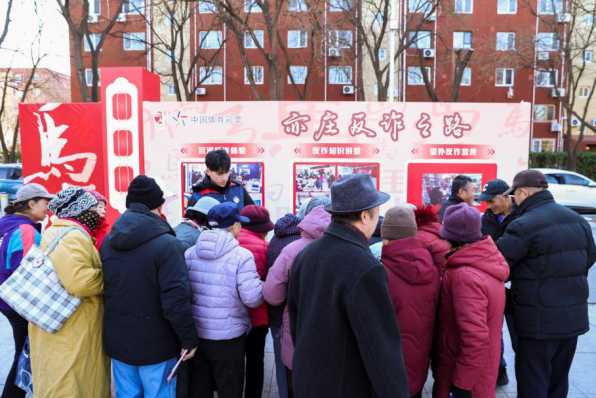
基层治理聚合力 全民反诈筑平安——中国体彩安心购彩守护行动融入社区共治新实践
Xin Lang Cai Jing· 2025-12-29 06:53
Group 1 - The core idea of the event is to integrate risk prevention in lottery purchasing with anti-fraud awareness into grassroots governance, marking a significant exploration in community engagement [1][2] - The initiative is a collaborative effort involving government, enterprises, and community participation, embodying the "co-construction, co-governance, and sharing" philosophy in grassroots governance [2] - The event features interactive elements designed to make anti-fraud education engaging and effective, allowing residents to learn about fraud prevention through games and activities [4][5] Group 2 - The campaign extends beyond the main venue to various community activities, enhancing the reach and impact of anti-fraud education through both online and offline channels [5][7] - The "Safe Lottery Purchasing" initiative is positioned as a starting point for the 2026 China Sports Lottery campaign, aiming to embed industry responsibility into broader community governance [7] - The ongoing efforts will continue to engage communities, retail outlets, and event venues, fostering a sustainable public protection mechanism for lottery participants [7]
破解社区养老服务难题,激发居民自治添助力
Xin Lang Cai Jing· 2025-12-23 13:55
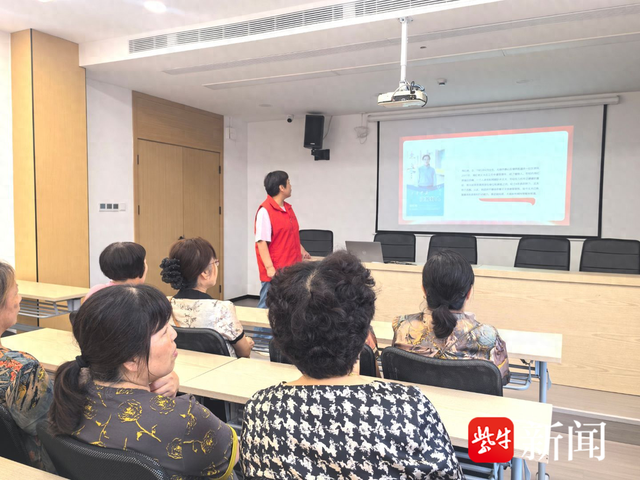
转自:扬子晚报 面对老龄化社会导致的急迫养老服务需求,社区服务面临力量不足,居民参与度不高,怎么破?今年7 月以来,无锡市惠山区堰桥街道天一社区启动,历经近半年实践,成效显著,为社区治理与志愿服务, 特别是社区养老服务提升,注入了全新活力。 该计划以"江苏好人"周红艳、"最美志愿者"孙美娟为核心带头人,以"公益为家、美美与共"为核心理 念,创新打造"道德引领+数字赋能"双驱模式,计划的一大特点,就是充分激发居民自治活力,为破解 老龄化社区服务难题提供助力。经过近半年的实践,该计划为社区治理与志愿服务注入全新活力,取得 了阶段性成效。 天一社区25%的老龄化比例,让独居老人的生活照料与情感关怀需求日益凸显。同时,传统社区治理过 度依赖行政力量,居民参与度不高,志愿服务形式固化等问题,也成为制约社区发展的痛点。在此背景 下,"红美益家"双星共筑计划提出了"红心点亮道德之光,美行润泽万家灯火"的口号,并精准锚定 了"共建共治共享"的社区治理目标。 实施过程中,该计划聚焦构建一套"双线赋能"的公益服务矩阵与可持续的造血机制。在队伍建设上,项 目通过社区公告、微信群招募、线下宣讲等多元渠道,已成功组建起一支15人的核心 ...
推进精细化治理!《广州市镇街全域服务治理工作指引》发布
Nan Fang Du Shi Bao· 2025-12-22 07:00
Core Viewpoint - The release of the "Guidelines for Comprehensive Service Governance in Towns and Streets of Guangzhou (2025 Edition)" marks a significant step towards refined urban governance, emphasizing the importance of a comprehensive service governance model [1] Group 1: Key Initiatives - The president of the Guangzhou Urban Service Operation Association, Zhao Guangfeng, highlighted three main initiatives: understanding core principles, encouraging localized innovation, and expanding opportunities for active participation in comprehensive service governance [1] - The guidelines advocate for a "full-cycle management" and "co-construction, co-governance, and shared benefits" approach to strengthen the foundation of service governance [1] Group 2: Implementation and Goals - The Guangzhou Municipal Management and Comprehensive Law Enforcement Bureau stated that the comprehensive service governance in towns and streets is a practical implementation of building a modern people's city [1] - Future efforts will align with central objectives and the "five transformations" principle, focusing on citizen satisfaction as the fundamental guide to enhance the brand of comprehensive service governance in Guangzhou [1]
杭州钱塘深化平安建设激发治理活力
Xin Lang Cai Jing· 2025-12-20 19:01
Core Viewpoint - The news highlights the innovative approaches taken by Qiantang District in Hangzhou, Zhejiang Province, to enhance social governance and conflict resolution, showcasing the establishment of comprehensive governance centers and community engagement initiatives aimed at improving public safety and satisfaction [1][2][3][4] Group 1: Social Governance Centers - Qiantang District has established a social governance center that has received over 8,000 visitors and successfully mediated more than 1,500 disputes [1] - The center employs a "Comprehensive Mediation Committee" (综调委) to facilitate pre-litigation mediation, integrating various mediation resources and optimizing case distribution mechanisms [2] - The district has successfully resolved 2,756 disputes with a total amount involved exceeding 96 million yuan [2] Group 2: Campus Governance Services - The "商³" comprehensive governance service center at Zhejiang Gongshang University provides a range of services, including fraud prevention, document processing, and transportation services, enhancing safety and convenience for students [3] - Since its establishment, the center has handled over 1,300 police cases and mediated 15 disputes, demonstrating effective collaboration among various departments [3] Group 3: Community Engagement Initiatives - The "江城哨兵" initiative in Hezhuang Street involves over 400 new employment workers acting as community monitors, reporting safety hazards and contributing to urban management [4] - The initiative has reported 1,953 urban management and safety hazards, including 102 significant risks, showcasing the active participation of the community in governance [4] - The establishment of the "江城哨兵" station provides a supportive environment for new employment workers, fostering a sense of belonging and enhancing their role in public safety [4]
细处发力办好百姓身边事
Jing Ji Ri Bao· 2025-12-17 00:05
为推动城市治理重心和配套资源向基层倾斜,当前各地正全面推进城市管理进社区。这并非简单的执法 延伸,而是将垃圾分类、绿化养护等领域的管理与服务深度融入社区治理,体现了城市治理理念、机 制、方式的深刻变革。 社区是城市治理的基本单元。百姓日常生活中的急难愁盼,往往就发生在社区里。 城市管理进社区,聚焦的是群众最关心的问题。违规停车、噪声扰民等问题,是居民的身边事,更是治 理者必须办实办细的"心头大事"。唯有瞄准这些痛点精准发力,才能让群众更有获得感和幸福感。 城市管理进社区,考验的是快速响应和处置能力。社区工作千头万绪,如何以最快速度接办老百姓反映 的问题,将群众急难愁盼化解在家门口?这需要健全多方协商议事机制,搭建居民、社区、职能部门联 动平台,不断探索为民服务的新路径、新方法,让治理响应速度跟上群众期待。 城市管理进社区,下沉的是优质高效服务。社区治理要将服务关口前移,走进"千家万户",听懂"千言 万语"。不仅要畅通社区居民的投诉和举报渠道,更要通过靠前服务和精准对接高效化解各类矛盾和纠 纷,让惠民便民服务直达社区。 城市管理不是单向指挥,而是共建共治共享的多元互动。要下足绣花功夫,在穿针引线中以"小切口"撬 ...
探索基层社会治理现代化新路径 将刚性管理与柔性服务深度融合 茅山风景区以“三员”共治绘景区善治新画卷
Zhen Jiang Ri Bao· 2025-12-05 23:34
Core Viewpoint - The implementation of the "Red Whistle Service Team" in the Maoshan Scenic Area has significantly improved the efficiency of risk prevention and response through a modern governance model that integrates technology and community involvement [1][2] Group 1: Governance Model - The Maoshan Scenic Area has established a "Red Whistle Service Team" that operates under the principle of "tourists whistle, we respond," enhancing the accountability of frontline staff [1] - This governance model breaks down departmental barriers and creates a grassroots governance network where everyone participates in management and problem-solving [1][2] Group 2: Technology Integration - The "Three Roles" co-governance model is deeply embedded in the "smart scenic area" system, equipping team members with mobile smart terminals for real-time event reporting and task management [2] - The use of technology allows for immediate communication and rapid response to incidents, improving overall service efficiency [2] Group 3: Community Impact - The effectiveness of social governance is reflected in the increased sense of gain, happiness, and safety among the public, as demonstrated by a senior tourist's positive experience with the service team [2] - The integration of rigid management with flexible service has transformed social governance into a more humane and caring approach, enhancing visitor satisfaction [2]
上海宝山区推进共建共治共享、提升基层治理效能
Ren Min Ri Bao· 2025-11-25 07:56
Core Viewpoint - The article highlights the innovative approach taken by community leaders in Shanghai's Songnan Shiquan neighborhood to enhance grassroots governance by integrating delivery riders into community management, thereby improving social cohesion and service efficiency [2][3][8]. Group 1: Community Governance - The community leader, Zhang Aizhen, emphasizes the importance of modernizing grassroots governance as a foundational task for social management [2]. - The "Chuang Xiaozhan" initiative was created to attract delivery riders, providing them with a supportive space that fosters a sense of belonging and community [3][7]. - Since the establishment of "Chuang Xiaozhan," complaints from residents have decreased by nearly 50%, indicating improved community satisfaction and governance effectiveness [7]. Group 2: Community Engagement - Delivery riders have become proactive in community issues, treating community matters as their own, which enhances collaboration between riders and community leaders [3][4]. - A specific incident highlighted the impact of this collaboration, where a rider helped locate a lost elderly resident, leading to a letter of appreciation from the family [5][6]. - The initiative has expanded, with over 50 similar spaces established in Baoshan District, benefiting more than 11,000 new employment form workers [8].
上海宝山区推进共建共治共享、提升基层治理效能 社区治理来了“生力军”(贯彻四中全会精神一线见闻)
Ren Min Ri Bao· 2025-11-24 23:05
晚上10点多,上海市宝山区淞南十村小区,社区党总支委员、居委会主任张爱珍结束一天的工作回到家 中。 第二天,围绕这个想法,张爱珍和居委会的同事们进行了一场"头脑风暴"。 怎么吸引骑手小哥"加盟"?新闻里看到的"暖心驿站"打开了思路:在社区的保安岗亭等空间打造驿站, 以"暖心"促"交心",增强骑手归属感,提升凝聚力。 "暖心驿站"叫"畅小站"。外部统一标识,并辟出一片区域,方便骑手小哥临时停车;里头配备一次性雨 衣、应急药箱、微波炉等物资设备。有人来充电,有人来热饭,有人来小憩……"畅小站"成为骑手小哥 和社区之间的"黏合剂"。 再后来,有骑手小哥向社区干部提议:快递分拣区没有顶棚,刮风下雨包裹容易湿,太阳暴晒东西容易 坏。社区协调、工人进场,不到一周的工夫,顶棚架起来了。 将心比心,不少骑手小哥主动把"社区事"当"自家事",成为社区治理的"生力军":哪里电动车乱停乱 放,哪里车位被占,小哥拍照发群,社区干部第一时间研究处理。 "过去各忙各的,现在谁都想着帮一把。"张爱珍说。 "今天又回来这么晚呀。"丈夫赵建忠揉了揉眼,转身走进厨房准备热饭。 淞南十村是上世纪90年代建成的老小区,老年人多,居委会和志愿者队伍人 ...