
医养结合

Search documents
申万宏源轻工分析师魏雨辰:宜居之城山东青岛的养老产业新答卷
Xin Lang Zheng Quan· 2026-02-19 06:09
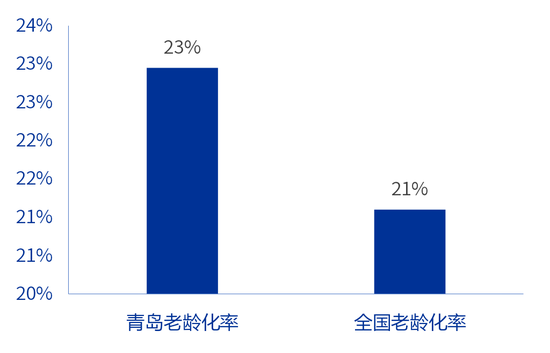
春节期间,我回到山东青岛老家,在泰康琴园看望老人的过程中,近距离感受到这座宜居海滨城市养老产业的蓬勃发展。作为已步入中度老龄化社会的城 市,青岛在政策引导和推动下,养老服务体系日趋完善。 炒股就看金麒麟分析师研报,权威,专业,及时,全面,助您挖掘潜力主题机会! 作者:申万宏源研究轻工团队 魏雨辰 一、青岛养老现状:进入中度老龄化社会,政策引导需求增长及供给升级 根据青岛政务网,截至2024年底,青岛全市1037万常住人口中老龄人口达238万,老龄化率23.0%,较全国高1.9pct,已进入中度老龄化社会,老年人养老服 务需求旺盛,并且呈现出多层次、多样化、个性化的特点。青岛市政府通过政策支持,推动需求增长和供给升级:需求端,从提高养老金、提高高龄补贴标 准、提高兜底保障标准等多项措施入手提高老年人支付能力,同时通过各项措施提高老年人养老消费意愿,例如农村养老服务消费引导补贴政策,全市农村 70周岁及以上老年人购买居家养老服务时,享受6折优惠。供给端,推动设施转型升级,将敬老院和社区设施转型为专业化的综合养老服务中心;扩大养老 床位及高端养老服务供给;深化医养结合及智慧养老,强化人才与科技支撑。根据青岛日报,2 ...


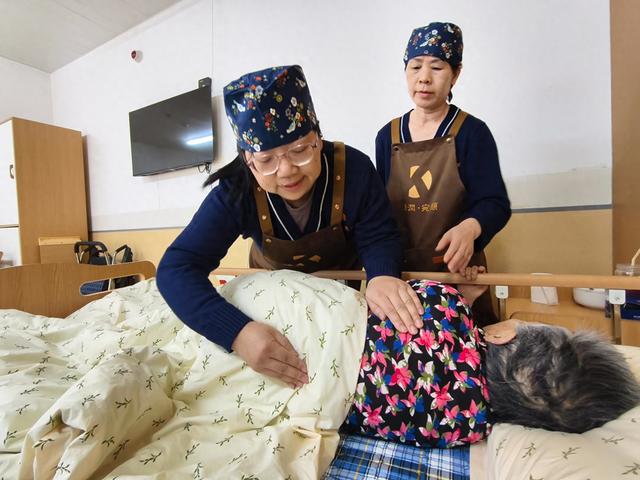
新春走基层|老人的临时儿女,送上春节里的暖心“喘息服务”
Xin Lang Cai Jing· 2026-02-18 05:56
Core Viewpoint - The Fengtai District Wanping Street Elderly Care Center has launched a "respite service" during the Spring Festival, providing short-term care for elderly individuals whose caregivers are unavailable, ensuring they receive proper care and attention [2][4][10]. Group 1: Service Overview - The "respite service" offers a minimum of 7 days of care for elderly individuals, accommodating those whose caregivers are away for the holiday [4][6]. - The center, which began operations at the end of last year, has over 50 beds and currently houses more than 20 elderly residents, including three utilizing the respite service during the Spring Festival [6]. Group 2: Caregiver Insights - Caregiver Ma Yuling emphasizes the importance of maintaining a clean and organized environment for the elderly, contributing to their comfort and well-being [4][8]. - Ma, who transitioned from hotel service to elderly care, finds fulfillment in providing personalized attention and emotional support to the elderly, viewing them as family [6][8]. Group 3: Activities and Facilities - The center incorporates traditional Chinese practices into its care, offering activities like "Eight Pieces of Brocade" exercises and integrating cultural elements into daily routines [8]. - Advanced technology, such as an intelligent monitoring system and a smart call platform, enhances the quality of care, while a focus on medical and health integration is evident through various programs [8][10]. Group 4: Future Developments - The Wanping Street Elderly Care Center aims to deepen collaboration between government and enterprises, enhancing facilities and expanding service offerings, including traditional Chinese health guidance and diverse therapeutic activities [10].
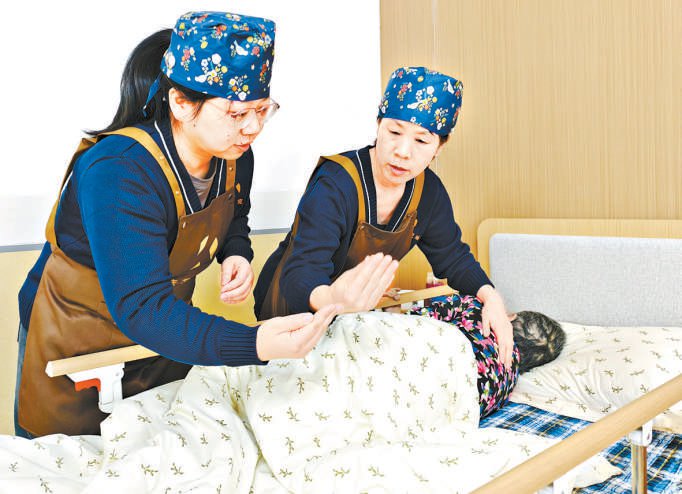
“我把自己当成老人的女儿”
Xin Lang Cai Jing· 2026-02-18 05:55
Core Insights - The article highlights the daily operations and services provided by the Fengtai District Wanping Street Elderly Service Center, emphasizing the importance of compassionate care for the elderly [2][3][4] Group 1: Elderly Care Services - The Wanping Street Elderly Service Center, operational since the end of last year, has over 50 beds and currently accommodates more than 20 elderly residents, including three who are utilizing the "respite service" during the Spring Festival [2] - The center has initiated a "respite service" to provide temporary care for elderly individuals whose regular caregivers are unavailable, offering a minimum of 7 days of care [2][3] Group 2: Caregiver Experience - Caregiver Ma Yuling, who transitioned from hotel service to elderly care two years ago, emphasizes the emotional fulfillment derived from providing personalized care to the elderly, viewing them as family [3] - The caregivers are trained to understand the individual needs of the elderly, including their daily habits and medication schedules, ensuring a smooth transition and quality care [3] Group 3: Activities and Health Integration - The center incorporates traditional Chinese practices, such as "Eight Pieces of Brocade" exercises, into daily activities, promoting both physical and mental well-being among residents [4] - The facility features a combination of smart monitoring systems and traditional health practices, creating a holistic approach to elderly care that integrates health promotion, daily living assistance, and emotional support [4]
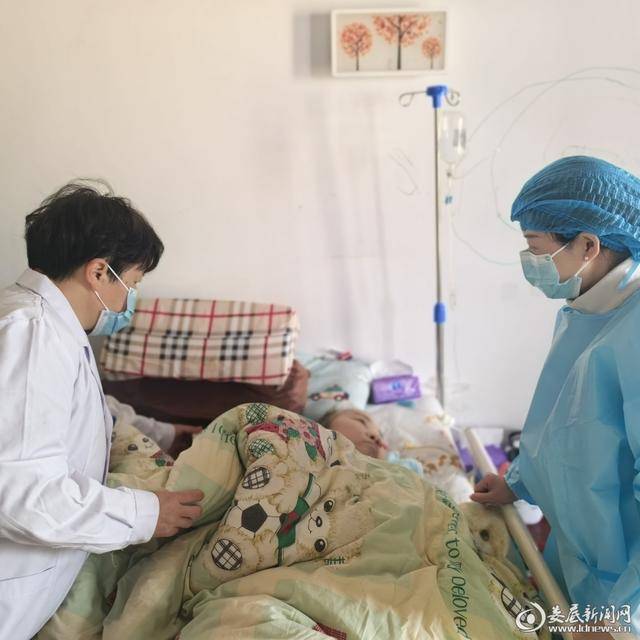
娄底市第二人民医院:“互联网+护理服务”启新程 绘就“十五五”居家养老新图景
Sou Hu Cai Jing· 2026-02-14 15:57
Core Insights - The introduction of "Internet + Nursing Services" by Loudi Second People's Hospital marks a significant breakthrough in home healthcare services, aligning with national elderly care system construction and service model upgrades [1][3] Group 1: Service Transformation - The shift from "patients running" to "services delivered" effectively addresses the needs of an aging society, providing convenience and reassurance for families [3] - The new service model not only changes the location of care but also enhances the nursing system, quality control processes, and professional capabilities [3] Group 2: Safety and Professionalism - The hospital aims to establish a high-standard, replicable service model by selecting experienced nurses and creating standardized operating procedures and emergency plans [5] - A unified nursing package is provided, and the service process is traceable and quality-controlled, laying a solid foundation for future service scalability [5] Group 3: Expanding Service Ecosystem - The hospital has launched 16 services, including catheter care, wound care, maternal and infant care, and traditional Chinese medicine therapy, to meet diverse needs [5] - The integration of "Internet + Nursing Services" requires collaboration among medical expertise, management innovation, and safety assurance, enhancing the elderly health support system [5]
乡音唤归雁 沃土育新机——陕西商南举行2026年新春团拜会暨第五届乡党回乡发展大会
Xin Lang Cai Jing· 2026-02-13 02:50
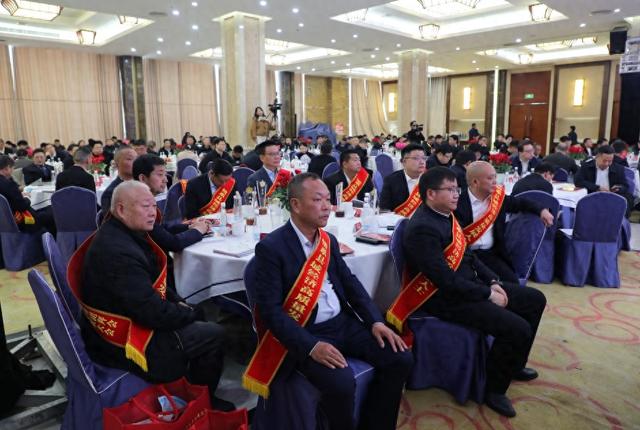
Group 1 - The core message emphasizes the rapid development and investment potential of Shannan County, highlighting the successful return of entrepreneurs to contribute to local growth [1][5][9] - The 2026 New Year gathering and the fifth Homecoming Development Conference aimed to discuss development strategies and promote the construction of "Four Famous Cities" and "Five Beautiful Shannan" [1][5] - Over 200 participants, including successful entrepreneurs and local business representatives, attended the event to share experiences and discuss investment opportunities [1][5] Group 2 - Entrepreneurs observed six key projects, including the Qinling Spring Tea Industry Park and the Medical and Health Project Industrial Park, showcasing the integration of various industries [3][5] - The Medical and Health Project focuses on a comprehensive service system covering elderly care, medical rehabilitation, and end-of-life care, exploring new paths for integrated healthcare [3][5] - The Shannan Economic Development Zone is home to a biobased new materials project with an investment of 166 million, emphasizing zero emissions and pollution [3][5] Group 3 - The event reinforced the confidence of returning entrepreneurs in investing in their hometown, with plans for a comprehensive logistics park to leverage ecological advantages [5][9] - The county reported a GDP growth rate of over 5.8% annually during the 14th Five-Year Plan period, with significant increases in urban and rural residents' income [9][10] - A total of 243 projects have been planned to enhance infrastructure, social welfare, and ecological governance, supporting the development of Shannan as an attractive investment destination [10] Group 4 - The county aims to create a favorable business environment by implementing policies that support entrepreneurs, including streamlined approval processes and dedicated support for project implementation [10] - A total of 12 high-quality projects with a total investment of 812 million were successfully signed during the event, covering various sectors such as new materials and tourism [7][10] - The county's commitment to fostering a supportive ecosystem for businesses includes optimizing services and recognizing outstanding entrepreneurs [10]
优质医疗资源扩容下沉,济宁高新区打造医养健康服务新高地
Qi Lu Wan Bao· 2026-02-11 07:56
Core Viewpoint - Jining High-tech Zone has made significant progress in deepening medical reform and promoting the sinking of high-quality medical resources, allowing residents to access top-tier hospital services locally [1][2][3] Group 1: Medical Resource Integration - The Jining High-tech Zone has initiated a pilot program for a tightly-knit urban medical group, integrating five grassroots medical institutions under the leadership of Jining First People's Hospital [1] - A "Department Package Hospital" model has been introduced to enhance grassroots capabilities, with over 100 experts dispatched to provide services [1] - A total of 106 supporting experts have been sent since 2025, serving over 60,000 residents, ensuring access to standardized treatment from top-tier hospitals [2] Group 2: Governance and Management Structure - A three-tier governance structure has been established between the management committee, board of directors, and the main hospital to promote vertical management and create a community of shared responsibility and benefits [2] - The formation of 141 family doctor teams, involving city-level experts, aims to provide comprehensive health management for residents [2] Group 3: Service Improvement and Accessibility - The reimbursement ratio for medical insurance has increased from 60% at tertiary hospitals to 80% at primary hospitals, addressing the issues of difficult and expensive medical care [3] - Innovations such as "extended hours" and "night clinics" have been introduced to significantly improve the patient experience [3] - A smart elderly care service center is being constructed, integrating medical and elderly care resources to create a continuous service chain [3] Group 4: Future Development Plans - The Jining High-tech Zone plans to continue deepening the construction of tightly-knit urban medical groups and innovate in medical and elderly care services [3] - The goal is to establish a more comprehensive three-tier elderly care service network, integrating institutions, communities, and home care [3]
健康服务送上门 家庭医生守安康
Xin Lang Cai Jing· 2026-02-10 21:08
Core Viewpoint - The family doctor service teams in the Alxa League's Luanjing Tan Ecological Migration Demonstration Zone are providing essential healthcare services to vulnerable groups, particularly the elderly and chronic disease patients, ensuring they receive timely medical attention and health management as the Spring Festival approaches [1][2][3]. Group 1: Family Doctor Service Implementation - The family doctor service teams have been conducting home visits to provide healthcare, focusing on the elderly and patients with chronic conditions, ensuring they receive personalized medical attention [2][3]. - Since 2015, the service has included regular weekly visits, allowing for continuous health monitoring and timely adjustments to treatment plans [1][2]. - The service model includes a six-step process: appointment, home visit, assessment, education, record-keeping, and follow-up, ensuring comprehensive healthcare delivery [2][3]. Group 2: Resource Optimization and Collaboration - The demonstration zone has established nine family doctor teams using a "fixed + mobile" service model, covering 17 villages and 2 communities, with a commitment to weekly home visits [3]. - Collaboration with seven quality medical institutions has been initiated, allowing for expert consultations and joint treatment agreements, benefiting over 800 individuals [3]. - The effective coverage rate of family doctor contracts has reached 82.4%, with 100% service coverage for impoverished households and three key monitoring groups [3]. Group 3: Future Service Enhancements - Plans are in place to optimize the family doctor service mechanism, expand service content, and enhance the integration of medical and preventive care [4]. - Continuous training for grassroots healthcare providers and the expansion of personalized service packages are being prioritized to improve service effectiveness [4]. - The goal is to transition from mere coverage to effective healthcare delivery, ensuring quality medical resources are firmly established at the grassroots level [4].
广东22部门联合发文深化养老服务改革发展
Nan Fang Ri Bao Wang Luo Ban· 2026-02-10 08:25
Core Viewpoint - The Guangdong Provincial Civil Affairs Department and 22 other departments have jointly issued measures to deepen the reform and development of elderly care services, outlining a "timeline" and "roadmap" for the future of elderly care in the province. Group 1: Key Measures and Timelines - By the end of 2027, all counties (cities, districts) in Guangdong will have established county-level comprehensive elderly care service management platforms [1] - By the end of 2028, regional elderly care centers will cover all streets in the province, all towns in the Pearl River Delta, and over 78% of towns in the eastern and western Guangdong regions [2] - By the end of 2030, each prefecture-level city will have at least one four-star or above elderly care institution, and over 90% of county-level public elderly care institutions will achieve a rating of level three or above [1][4] Group 2: Development of Service Networks - The measures emphasize the construction of a three-tier elderly care service network at the county, town, and village levels, extending services to grassroots and community settings [2] - County-level platforms will coordinate resources, set industry standards, and guide the work of regional elderly care centers [2] - Community service stations will be established to provide meal assistance, cultural activities, and care services for elderly residents [3] Group 3: Integration of Service Models - The measures aim to integrate home-based, community, and institutional elderly care services, enhancing collaboration and resource sharing among these models [4] - Support for home-based care includes the construction of age-friendly housing and training for family caregivers [4] - Institutional care will focus on standardization and professional service delivery, with a goal of increasing the supply of nursing beds [4] Group 4: Talent Development and Market Participation - The measures propose a multi-supply structure for elderly care services, encouraging government, market, and social participation [5][6] - Support for various market entities to expand elderly care services includes transforming idle state-owned properties into care facilities [6] - The establishment of a professional technical talent evaluation system for elderly care services is also highlighted [7] Group 5: Financial and Technological Support - At least 55% of the lottery public welfare funds will be allocated to support elderly care services [7] - The measures promote the integration of medical and elderly care services, encouraging the inclusion of eligible elderly care institutions in basic medical insurance [7] - The development and promotion of smart health elderly care products, including robotics and AI technologies, are emphasized [7]
两会看落实丨切实保障和改善民生,着力解决群众急难愁盼
Xin Lang Cai Jing· 2026-02-07 13:33
Group 1: Government Initiatives - The 2026 Guizhou Provincial Government Work Report emphasizes the importance of improving people's livelihoods and addressing urgent public concerns to better meet the aspirations for a better life [1] - The report outlines plans to enhance medical service capabilities and optimize the five-level healthcare service system across provinces, cities, counties, towns, and villages [1] - The report also highlights the implementation of medical and health infrastructure projects and the expansion of rehabilitation and nursing services [7] Group 2: Local Healthcare Improvements - In Fenggang County, efforts are being made to improve healthcare access by sending doctors to local areas, which saves time and transportation costs for residents [3] - The Fenggang County Hospital is focusing on building a skilled traditional Chinese medicine team and enhancing specialized care [5] - The county's health bureau plans to strengthen the training of medical personnel and improve the integration of medical and preventive care [7] Group 3: Urban Development and Community Services - Guizhou is accelerating the construction of 148 urban renewal projects and plans to implement 25 old community renovation projects to share development benefits with more residents [8] - The urban renewal project in the Xiaoguan area has completed the first phase, with plans to finish the resettlement housing by the end of 2026 [8] - The renovation of old communities in Wudang District has improved living conditions and added recreational facilities, enhancing residents' sense of happiness [11] Group 4: Elderly Care Services - In Danzhai County, health services for the elderly have been expanded, including home visits for health checks and chronic disease follow-ups, benefiting 19,300 individuals [12] - Residents express satisfaction with the home health services provided, which include regular health monitoring and medication management [14] - The county's health bureau aims to establish a comprehensive service system for the elderly, integrating medical care, nursing, and recreational activities [18]
百余家机构为老人搭建服务网
Xin Lang Cai Jing· 2026-02-07 06:21
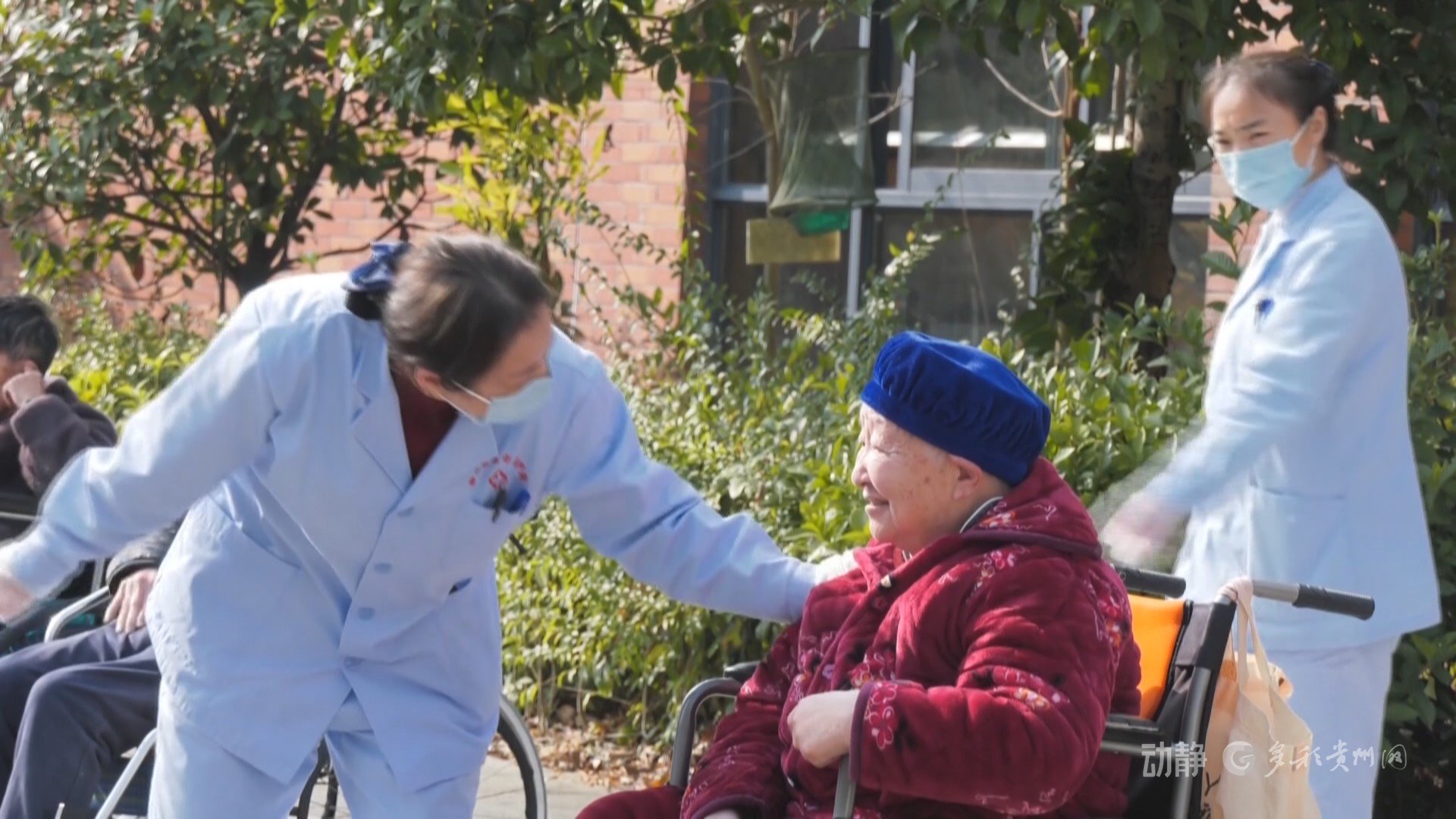
Core Viewpoint - The establishment of a medical and elderly care joint system in Haidian District aims to enhance the accessibility, continuity, and satisfaction of health and elderly care services for senior citizens [1] Group 1: Joint System Structure - The joint system consists of leading units, core units, and member units, forming a comprehensive service matrix [1] - Beijing Geriatric Hospital serves as the leading unit, while Zhongguancun Hospital and Haidian District Elderly Care Service Guidance Center are the core units [1] - The member units include 49 community health service centers and 67 elderly care institutions [1] Group 2: Objectives and Services - The core objective of the joint system is to address the increasing demand for medical services and life care among the elderly [1] - The joint system aims to coordinate medical and elderly care resources within the region to meet the full-cycle and multi-level health and elderly care needs of senior citizens [1] - It focuses on building a service network characterized by information sharing, resource sharing, and coordinated interaction to ensure precise matching of supply and demand for medical and elderly care services [1]