双一流建设

Search documents
“75后”李忠伟,履新职
中国能源报· 2025-12-31 09:43
Group 1 - Li Zhongwei has been appointed as a member of the Party Committee of China University of Petroleum (East China) [1] - Li Zhongwei holds a PhD in engineering and has a background in both communication engineering and law, with dual bachelor's degrees [2] - The university is a key national institution under the Ministry of Education, recognized for its contributions to the petroleum and petrochemical sectors [3] Group 2 - The university has been involved in national key projects such as the "211 Project" and "985 Project," focusing on high-level talent cultivation in the petroleum industry [3] - It has been recognized as a "Double First-Class" university in both 2017 and 2022, indicating its strong academic and research capabilities [3]


“双一流”官宣:国自然平均资助率,位于全省首位
Xin Lang Cai Jing· 2025-12-30 11:04
Core Insights - Shanxi University has made significant progress during the "14th Five-Year Plan" period, particularly in research funding and academic development, achieving a total of 460 National Natural Science Foundation projects with an average funding rate 5 percentage points higher than the national average, ranking first in Shanxi Province [2][30][42]. Group 1: Academic Development - The university was included in the "Double First-Class" initiative, with its philosophy and physics disciplines recognized as key areas of development [30]. - In the fifth round of discipline evaluation, the number of disciplines rated B or above increased significantly, with philosophy and physics ranking in the top 9% and 5% respectively among domestic disciplines [33]. - The university has cultivated 35 national high-level talents and introduced 31 new high-level talents, marking a significant achievement in talent development [36]. Group 2: Research and Innovation - Over the past five years, the university has published 6,552 scientific papers, including 4,935 in SCI journals, and has been awarded 1,819 patents [42][44]. - The university's research capabilities have been enhanced with the establishment of several key laboratories and research centers, including the National Key Laboratory of Quantum Technology and Devices [44]. - The university has successfully transformed 287 technology transfer contracts, more than doubling the number from the previous five-year period [48][49]. Group 3: Educational Reform - The university has added 19 national first-class undergraduate programs and 20 national first-class courses, enhancing its educational offerings [37]. - Graduate education has seen significant improvements, with a 47% increase in master's students and a 138% increase in doctoral students compared to 2020 [39]. - The university has established collaborative training bases and joint programs with key enterprises to improve talent cultivation [39]. Group 4: Social Services and Regional Cooperation - The university signed a technology licensing contract worth 46 million yuan for the high-value utilization of aluminum waste, showcasing its commitment to regional economic development [47]. - The university has implemented new mechanisms for technology transfer, increasing the revenue share for research teams to 85% [19][48]. - The establishment of new research institutions and partnerships with local governments has strengthened the university's role in regional innovation and development [48][49]. Group 5: International Collaboration - The university has signed cooperation agreements with 31 international institutions, enhancing its global academic presence [52]. - It has actively supported student exchanges and international collaborations, with over 1,000 outbound trips by faculty and students [52][54]. - The university's international student enrollment has doubled since 2020, reflecting its growing global engagement [54]. Group 6: Infrastructure Development - The university has expanded its campus facilities by 650,000 square meters and increased its assets by 7.81 billion yuan [28]. - The new East Mountain campus has been inaugurated, accommodating several key academic departments [56]. - Renovations of older campuses have improved living conditions and educational facilities, enhancing the overall campus environment [56].

年均万亿投入高等教育,剑指世界一流大学
2 1 Shi Ji Jing Ji Bao Dao· 2025-12-26 03:16
报告指出,高等教育所需财政补助经费主要按照隶属关系等由中央与地方财政分别承担,中央财政通过转移支付对地方统筹给予支持。 2021—2024年,高等教育领域一般公共预算安排的教育经费中,中央财政累计安排1.02万亿元,地方财政累计安排2.76万亿元。 从各类高校来看,"双一流"高校和高等职业教育成为投入重点。 报告指出,中央财政坚持把加快建设中国特色、世界一流的大学和优势学科作为重中之重,2021—2025年统筹一般公共预算等累计安排1810亿 元,带动地方财政投入超过1100亿元,有力保障"双一流"建设高校加快冲击世界一流。 近年来,"双一流"建设高校培养了全国超过50%的硕士、近80%的博士,并在诸多领域取得一批原创性成果。"十四五"时期,高等职业教育累 计向社会输送人才约2500万人。 资料图 21世纪经济报道记者王峰北京报道近日,国务院关于财政高等教育资金分配和使用情况的报告(下称"报告")提请十四届全国人大常委会第十九 次会议审议。 报告指出,财政高等教育资金投入稳步增长。2021—2024年,全国各级财政通过一般公共预算安排3.78万亿元;通过政府性基金预算安排2102 亿元。也就是说,四年来,高等 ...
超2.4亿人有大学文化程度
第一财经· 2025-12-25 12:58
2025.12. 25 本文字数:1733,阅读时长大约3分钟 作者 | 第一财经 陈益刊 最新中国高等教育财政资金投入规模揭晓。 近日,中国人大网公开了《国务院关于财政高等教育资金分配和使用情况的报告》(下称《报 告》),其中披露了财政对高等教育投入最新数据。 比如,《报告》称,在财政资金支持下,我国已建成世界上规模最大的高等教育体系,进入世界公认 的普及化阶段,2024年高等教育毛入学率60.8%,比2020年提高6.4个百分点,拥有大学文化程度 人口超过2.4亿人。 当然,高等教育高质量发展仍面临一些问题和不足。 《报告》指出,高等教育资源配置的前瞻性研究不够深入;全社会协同育人的经费投入机制有待完 善;推进教育科技人才一体发展的支持体系亟需健全;新增教育经费对职业教育的支持力度有待加 大;财政高等教育资金管理效能还需提高。 近些年受经济下行、楼市低迷、减税降费等多重因素影响,财政收入增长放缓,而教育等民生支出保 持稳定增长,财政收支矛盾有所加大。显然,如何实现高等教育经费可持续投入是必须思考的一个问 题。 此次《报告》对下一步如何巩固完善高等教育 资金 多元投入格局,给出了五点举措。首先在坚持教 育领 ...
高等教育4年财政投入近4万亿,超2.4亿人有大学文化程度
Di Yi Cai Jing· 2025-12-25 11:59
下一步推动健全高校学生培养成本核算和分担机制 最新中国高等教育财政资金投入规模揭晓。 《报告》指出,高等教育资源配置的前瞻性研究不够深入;全社会协同育人的经费投入机制有待完善; 推进教育科技人才一体发展的支持体系亟需健全;新增教育经费对职业教育的支持力度有待加大;财政 高等教育资金管理效能还需提高。 近些年受经济下行、楼市低迷、减税降费等多重因素影响,财政收入增长放缓,而教育等民生支出保持 稳定增长,财政收支矛盾有所加大。显然,如何实现高等教育经费可持续投入是必须思考的一个问题。 近日,中国人大网公开了《国务院关于财政高等教育资金分配和使用情况的报告》(下称《报告》), 其中披露了财政对高等教育投入最新数据。 根据《报告》,目前高等学校(包括普通本科学校、高职学校、成人高等学校,以下简称高校)教育以 政府投入为主。在政府财政对高等教育投入方面,2021—2024年,全国各级财政通过一般公共预算安排 3.78万亿元;通过政府性基金预算安排2102亿元。 这意味着近四年中国财政在高等教育方面投入资金约4万亿元。而根据财政部数据,2021年至2024年全 国一般公共预算支出总额约106.6万亿元,高等教育支出(3. ...
国务院报告:适度扩大“双一流”建设范围
Xin Lang Cai Jing· 2025-12-23 12:26
炒股就看金麒麟分析师研报,权威,专业,及时,全面,助您挖掘潜力主题机会! 来源:光明微教育 《国务院关于财政高等教育资金分配和使用情况的报告》22日提请十四届全国人大常委会审议。报告提 出,适度扩大"双一流"建设范围,支持加大优质高等教育资源供给。 报告称,2021年至2025年累计安排1930亿元(人民币,下同),支持实施一批重大教育工程项目,加快 补齐高校办学短板。在财政资金支持下,我国已建成世界上规模最大的高等教育体系,进入世界公认的 普及化阶段,2024年高等教育毛入学率60.8%,比2020年提高6.4个百分点,拥有大学文化程度人口超过 2.4亿人。 报告表示,中央财政坚持把加快建设中国特色、世界一流的大学和优势学科作为重中之重,2021年至 2025年统筹一般公共预算等累计安排1810亿元,带动地方财政投入超过1100亿元,有力保障"双一流"建 设高校加快冲击世界一流。同时,各地区重点支持400余所地方高水平大学和1300多个优势特色学科建 设。 报告指出,近年来,"双一流"建设高校持续强化教育资源供给,扩大本科招生规模,培养了全国超过 50%的硕士、近80%的博士,并在诸多领域取得一批原创性成果 ...
2025第三轮“双一流”预测分析报告-高绩数据
Sou Hu Cai Jing· 2025-12-08 08:39
"双一流"建设自2015年启动,历经两轮发展成效显著。截至第二轮,全国共有147所建设高校、433个建设学科(不含自定学科),一批高校和学科逐步跻身 世界一流行列。两轮建设呈现明显范式变革:第一轮以高校为核心推进,第二轮转向以学科为基础,更注重精准建设与动态调整,期间有7所高校新晋"双一 流",部分高校新增或调整建设学科,也有学科因建设不力被公开警示。 第三轮"双一流"扩容已纳入国家战略规划,预测核心依据包括"大团队""大平台""大项目""大成果""学科点层次"五大核心指标达标率,同时结合地方政策支 持与专家观点。多地已出台专项规划,如广东、河南、江苏等省份明确重点支持高校冲击第三轮"双一流",为相关高校提供政策与资源保障。 预测名单涵盖多类高校群体:部分非"双一流"高校(即"双非"高校)表现突出,如福建师范大学中国语言文学、深圳大学信息与通信工程等学科核心指标达 标率优异,成为潜在"黑马";单科性高校与行业特色高校凭借优势学科持续发力,如温州医科大学临床医学、西南政法大学法学等学科竞争力强劲;原 有"双一流"高校则聚焦优势学科升级,推动多学科交叉融合发展。 报告围绕第三轮"双一流"建设扩容趋势展开分析,结合 ...

这所985、“双一流”重点大学,领导班子调整
中国能源报· 2025-12-02 11:05
王立忠任浙江大学常务副校长,夏群科任浙江大学副校长。 日前,上级决定,王立忠同志任浙江大学常务副校长、夏群科同志任浙江大学副校长,因年龄原因免去吴健、黄先海同志的浙江大学 副校长职务。 王立忠,男,汉族,19 69年2月生,中共党员,研究生学历,博士,教授。 公开资料显示,夏群科还兼任中国矿物岩石地球化学学会副秘书长、第十三届浙江省政协委员和民盟中央委员会委员。长期从事地幔 地球化学研究,聚焦地幔水循环、玄武岩成因及挥发分演化。 据浙江大学官网信息显示,浙江大学是一所历史悠久、声誉卓著的高等学府,坐落于中国历史文化名城、风景旅游胜地杭州。浙江大 学的前身求是书院创立于1897年,为中国人自己最早创办的新式高等学校之一。在12 8年的办学历程中,浙江大学逐步建设成为一所 特色鲜明、在海内外有较大影响的综合型、研究型、创新型大学,学科涵盖哲学、经济学、法学等13个门类。 2 022年,浙江大学入选 第二轮"双一流"建设高校, 21个学科入选一流学科建设名单,绝大多数学科在第五轮学科评估中取得可喜进步。 来源:浙江大学微信公众号、官网等 End 欢迎分享给你的朋友! 出品 | 中国能源报(c ne ne rgy) ...

刘宁在郑州大学宣讲全会精神并调研时强调 认真学习贯彻党的二十届四中全会精神 推动“双一流”建设不断取得新进展
He Nan Ri Bao· 2025-11-13 01:31
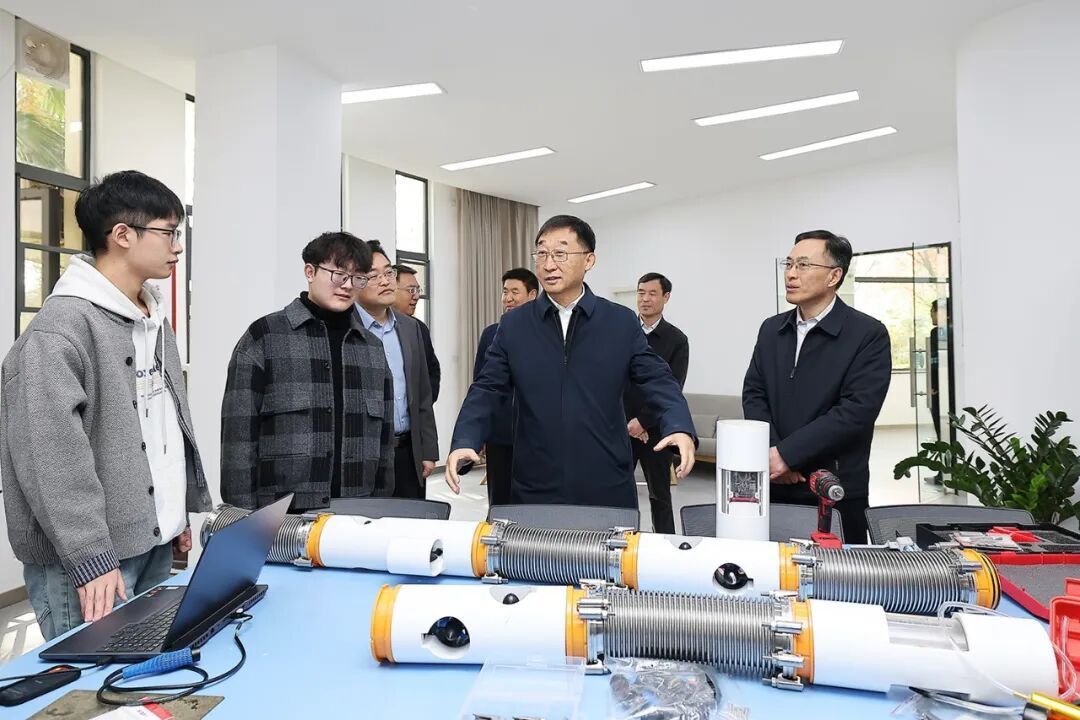
Core Points - The meeting held by Liu Ning at Zhengzhou University focused on the implementation of the spirit of the 20th Central Committee of the Communist Party of China, emphasizing its significance during a crucial period for achieving socialist modernization [4][5] - Liu Ning highlighted the importance of the "14th Five-Year Plan" and its role in guiding China's economic and social development over the next five years, aiming for common prosperity and modernization [4][5] Group 1 - Liu Ning emphasized the need for Zhengzhou University to align with the "14th Five-Year Plan" and focus on high-level technological self-reliance and the development of new productive forces [5] - The university is encouraged to enhance its educational quality and core competitiveness by integrating education, technology, and talent development [5] - Liu Ning called on students to integrate their personal development with national development, fostering innovation and entrepreneurship to contribute to modernization [5] Group 2 - Liu Ning visited various departments within the university, including the Materials Science and Engineering College, to observe research facilities and discuss the application of technological innovations [6] - He urged educators to creatively incorporate local revolutionary spirits into political theory courses to better equip students with the necessary ideological tools for national rejuvenation [6]
刘宁在郑州大学宣讲全会精神并调研时强调:认真学习贯彻党的二十届四中全会精神 推动“双一流”建设不断取得新进展
He Nan Ri Bao· 2025-11-12 10:37
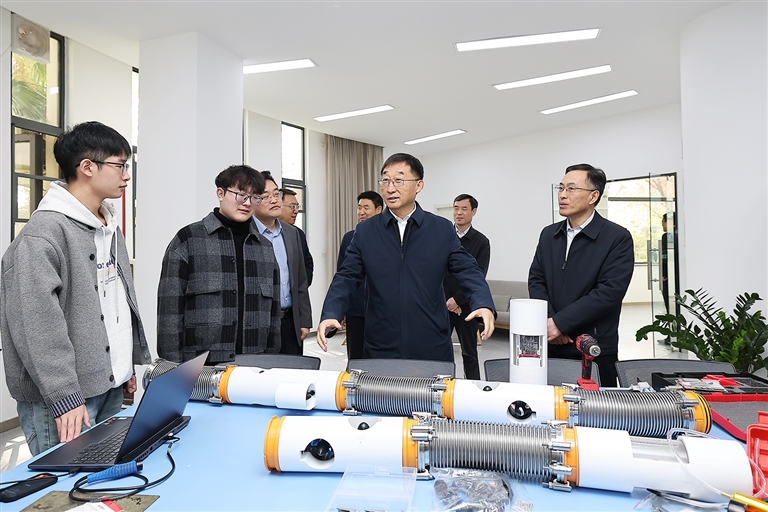
Core Points - The meeting held by Liu Ning emphasized the importance of the 20th Central Committee's Fourth Plenary Session, highlighting its role in advancing China's modernization and outlining strategic tasks for the next five years [3][4] - Liu Ning encouraged Zhengzhou University to align its development with the central government's "14th Five-Year Plan" and focus on high-level research and education, aiming for a "double first-class" university status [4][5] Summary by Sections Meeting Overview - Liu Ning hosted a session at Zhengzhou University to discuss the implementation of the 20th Central Committee's Fourth Plenary Session, engaging with faculty and students about their insights and experiences [3] Key Messages from Liu Ning - The session underscored the significance of the Fourth Plenary Session in the context of China's modernization, with Xi Jinping's speech and the "14th Five-Year Plan" providing a roadmap for future economic and social development [3][4] - Liu Ning highlighted the need for Zhengzhou University to focus on educational quality and innovation, aligning with national strategies and fostering a culture of entrepreneurship among students [4][5] Educational Focus - The central government's plan includes specific directives for enhancing technological independence and advancing educational standards, which Liu Ning urged the university to adopt [4] - Liu Ning called for the integration of local historical and cultural resources into the curriculum to enrich the educational experience and instill a sense of national responsibility in students [5]