
双高协同

Search documents
打造“三区一高地”筑就高质量发展新标杆
Xin Hua Ri Bao· 2025-12-15 21:56
Core Insights - The strategic emerging industries and high-tech industries in Zhenjiang High-tech Zone account for 70% and 72% of the regional GDP respectively, indicating a strong focus on advanced manufacturing and innovation-driven development [1] - The high-tech zone has seen significant growth in the shipbuilding and marine engineering sector, with a 30.3% year-on-year increase in taxable sales from large-scale enterprises in the first half of the year [1] Group 1: Industry Development - The Zhenjiang High-tech Zone is actively attracting technology enterprises from major cities, with several companies expressing intentions to settle and collaborate on innovative projects in the shipbuilding and marine engineering sectors [2] - The leading enterprises in the industry, such as China Shipbuilding Power and Harbin Electric Group, have shown strong performance, with a 39% market share in low-speed diesel engines and a 27% year-on-year increase in delivery volume in the first half of 2025 [2] - A complete ecosystem has formed in the shipbuilding and marine engineering industry, comprising 12 main manufacturers and 69 supporting enterprises, contributing 85% of the industry's output value [2] Group 2: Investment and Project Acceleration - The high-tech zone has introduced nine strong chain projects with a total investment exceeding 9 billion yuan, and signed 18 new projects worth over 100 million yuan in the first half of 2025, injecting continuous vitality into industrial development [3] - Innovative service mechanisms have been implemented, achieving a record land approval time of 28 days and reducing the number of required application materials by 96% [3] Group 3: Technological Innovation - The launch of China's first high-power hydrogen-electric hybrid tugboat marks a significant achievement in the application of hydrogen energy in shipping, with the vessel expected to reduce carbon emissions by over 1,400 tons annually [4] - Collaborative innovation between the high-tech zone and universities has led to the establishment of a practical innovation base, facilitating the development of advanced marine engineering technologies [4] Group 4: Talent and Community Development - The high-tech zone has constructed 863 youth apartment beds to address housing needs for talent, alongside establishing a dedicated medical service center for high-level talents [10] - A comprehensive "15-minute elderly care service circle" has been created, with nine standardized elderly care centers built to enhance community welfare [9] - The integration of urban development and industrial vitality is being promoted, with infrastructure upgrades and community services designed to support both residents and enterprises [10] Group 5: Future Goals - The Zhenjiang High-tech Zone aims to continue optimizing public services and deepen the integration of party building and community welfare, focusing on strengthening leading industries and building an innovative ecosystem [11]


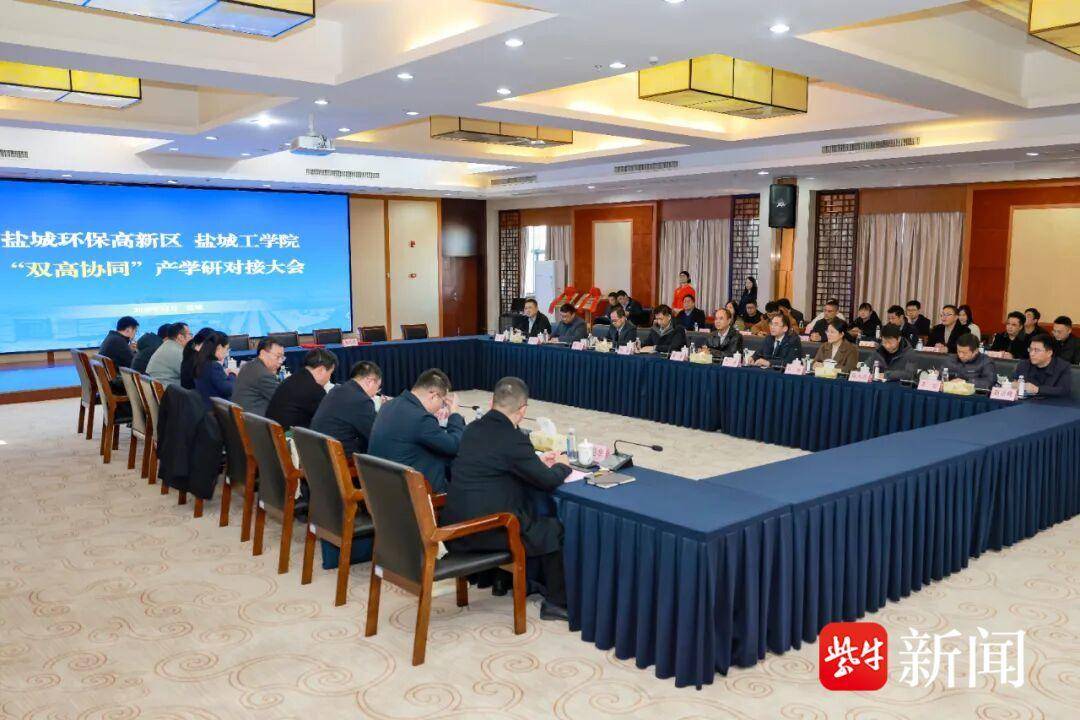
聚焦“双高协同”!盐城环保高新区与盐城工学院携手共进→
Yang Zi Wan Bao Wang· 2025-12-10 13:23
Core Insights - The "Double High Collaboration" conference held on December 5 focused on aligning government, academia, and industry needs to enhance regional innovation and development [1] Group 1: Collaboration and Achievements - Yancheng Institute of Technology has been strategically collaborating with Yancheng Environmental Protection High-tech Zone for over a decade, resulting in the establishment of an excellent environmental college and significant achievements in talent cultivation and technology research [3] - In recent years, Yancheng Institute of Technology has focused on key technologies in building materials and waste resource utilization, establishing five innovation platforms with local enterprises and undertaking over 80 national projects, resulting in more than 450 authorized invention patents and nearly 20 provincial and ministerial awards [3] Group 2: Future Initiatives and Goals - The designation of Yancheng Environmental Protection High-tech Zone and Yancheng Institute of Technology as "Double High Collaboration" pilot units provides new opportunities for deepening government-academia-industry cooperation and promoting collaborative innovation [5] - Yancheng Institute of Technology plans to leverage the Environmental Protection High-tech Zone and key enterprises to form interdisciplinary teams for organized research in areas such as coastal ecological restoration, industrial pollution control, and carbon capture and resource utilization [5] - The institute aims to explore deep integration models like "one school, one enterprise" to align its innovative outcomes with local industrial needs, accelerating the transformation of laboratory samples into market products [5] Group 3: Agreements and Partnerships - Yancheng Environmental Protection High-tech Zone and Yancheng Institute of Technology signed agreements for deep integration of science and industry, as well as for sharing large instruments and literature resources [7] - Collaborative projects were signed between relevant enterprises and the institute's research institutions, with partnerships established with companies like Likai Precision, Kunlun New Energy, and others to build innovation platforms and research stations [7] - A technology achievement fair was held during the event, promoting innovation incubation funds and showcasing projects such as odor and odor biological purification technologies [7]
高校与高新区如何“双向奔赴”?江苏这场学术年会探索“双高协同”新路径
Yang Zi Wan Bao Wang· 2025-11-30 09:22
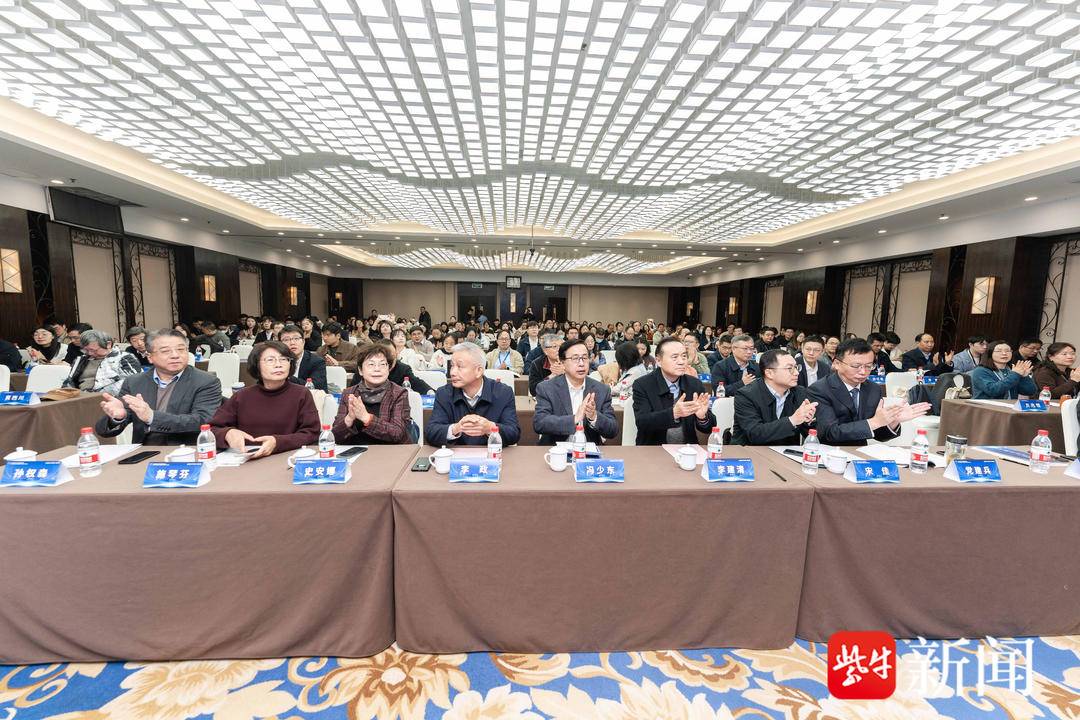
Core Insights - The annual academic conference of the Jiangsu Provincial Association for the Study of Science and Research Management was held on November 29, 2023, focusing on "high-level collaborative integration of industry and education" to enhance the development of high-tech industries and educational institutions [1][3] Group 1: Policy and Strategic Goals - The 20th Central Committee of the Communist Party of China has set "significantly improving the level of technological self-reliance" as a key goal for the 14th Five-Year Plan, emphasizing the need for high-level technological independence to lead new productive forces [3] - Jiangsu Province has pioneered a collaborative development model between high-tech zones and higher education institutions, with 18 high-tech zones paired with 37 universities for joint development [3] Group 2: Educational and Talent Development - Jiangsu has established the largest higher education system in the country, ranking high in the number of universities and students, with a focus on cultivating top innovative talents [3] - The provincial education department emphasizes the need to align academic development with industrial innovation demands and to address structural contradictions in talent cultivation [3] Group 3: Industry and Innovation - The importance of world-class products as indicators of regional industrial innovation capabilities was highlighted, with a call to move away from low-cost competition towards high-value innovation [4] - Collaboration between enterprises and universities is seen as a means to enhance innovation capabilities and develop sustainable talent resources [4] Group 4: Conference Outcomes - The conference included the awarding of talent support certificates and outstanding papers, as well as the establishment of the Agricultural Science and Technology Management Professional Committee [4] - New leadership for the association was elected, with a focus on facilitating connections between high-tech zones and universities to convert technological potential into development momentum [4]
“双高协同”助力区校一体化发展
Xin Hua Ri Bao· 2025-11-21 07:11
Core Viewpoint - The "Double High Coordination" initiative aims to enhance collaboration between high-tech zones and universities, addressing the challenges of technology transfer and fostering a new development ecosystem that integrates disciplines, industries, and innovation [1][2][7] Group 1: Theoretical and Historical Logic - The initiative integrates universities' knowledge innovation capabilities with high-tech zones' industrial advantages, creating a seamless innovation chain from laboratory to market [2] - Historical shifts in research paradigms, driven by new technologies like artificial intelligence, necessitate this collaboration to transform university innovations into industrial applications [2] Group 2: Mechanisms and Talent Systems - Establishing a dynamic matching mechanism between "discipline clusters" and "industry clusters" is essential, utilizing big data to optimize academic disciplines based on industrial needs [3] - The "dual employment" system allows university faculty to engage directly with industry, enhancing the alignment of talent cultivation with market demands [3] Group 3: Evaluation and Reform - A new evaluation system focused on innovation value is crucial, promoting a "separate management" approach for job-related inventions to empower researchers in the technology transfer process [4] Group 4: Platform and Infrastructure Development - Strengthening pilot and transformation hubs is vital, as these areas often represent a gap in the technology transfer process; collaborative models like the "flying incubator" are being developed to streamline this [5] - Encouraging joint innovation bodies between universities and high-tech zones can enhance technology transfer and commercialization efforts [5] Group 5: Specialized Institutions and Financial Support - The establishment of specialized technology transfer institutions and training for technology managers is necessary to facilitate effective technology transfer [6] - Financial products like "intellectual property loans" are being introduced to convert intellectual property into development capital [6] Group 6: Implementation Significance and Future Directions - "Double High Coordination" is key to overcoming barriers in innovation and industry integration, creating a synergistic effect that enhances competitive advantages [7] - Multi-faceted efforts are required to promote this initiative, including institutional innovation, demand-driven approaches, and the establishment of supportive ecosystems [7]
省级试点扎实推进 市级培育探索起步 “双高协同”,点燃新质生产力“强引擎”
Zhen Jiang Ri Bao· 2025-11-13 23:43
Core Insights - The establishment of the Advanced Shipbuilding and Marine Engineering Technology Transfer Center in Zhenjiang High-tech Zone marks a strategic collaboration between local government and Jiangsu University, aiming to enhance technology transfer and innovation in the marine engineering sector [1][2]. Group 1: Collaboration and Initiatives - Zhenjiang High-tech Zone is focusing on the "Shipbuilding and Marine Engineering and High-end Equipment" industry, collaborating with three universities to organize international seminars and technology transfer events, resulting in over 50 enterprise collaborations and 15 technology cooperation projects [2][4]. - The collaboration has led to the establishment of five companies, including Chuangneng Technology (Jiangsu) Co., Ltd., which achieved significant sales of over 23 million yuan within its first year [2][4]. Group 2: Infrastructure Development - Joint efforts are underway to build technology transfer centers, proof-of-concept centers, and key laboratories in collaboration with Jiangsu University and Jiangsu University of Technology [3][4]. - The initiative aims to create a seamless connection between academic research and industrial application, facilitating rapid commercialization of scientific achievements [4]. Group 3: Policy Support and Funding - The local government plans to allocate 10 million yuan annually for the "Double High Coordination" initiative starting in 2026, supporting around 20 projects each year [5]. - New policies have been introduced to enhance the management and transfer of scientific achievements, promoting the ownership and long-term use rights of research outcomes by faculty members [5]. Group 4: Broader Impact and Future Prospects - The "Double High Coordination" model is expected to drive significant changes in the collaboration between academia and industry, with a projected 60% of city-level technology projects in 2025 being collaborative efforts [4][6]. - The initiative is fostering a multiplier effect in innovation, with various successful partnerships emerging across different sectors, enhancing the overall technological and industrial capabilities of the region [6][7].
我省18个高新区与37所高校结对协同发展做实“关键一招”,推动“科产深融”
Xin Hua Ri Bao· 2025-11-13 23:31
Core Viewpoint - The "Double High Coordination" model aims to enhance collaboration between high-tech zones and universities to promote deep integration of technological and industrial innovation, marking a new development approach in Jiangsu Province [1][4][5]. Group 1: Implementation and Progress - Jiangsu Province has initiated a three-year action plan involving high-tech zones and universities, establishing innovation development centers and funding for technology transfer [1][2]. - The "Double High Coordination" model has transitioned from spontaneous collaborations to organized partnerships, with specific funding and resource-sharing agreements in place [3][6]. - The model has already seen the establishment of various platforms, including technology demand lists and patent transfer lists, with significant numbers of items included [2][3]. Group 2: Policy Support and Framework - The provincial government has introduced 24 support policies and 15 reform measures to facilitate the "Double High Coordination" initiative, emphasizing the importance of collaboration between technology and education sectors [5][6]. - A joint working group has been formed to enhance coordination among departments, high-tech zones, and universities, focusing on continuous evaluation of the initiative's effectiveness [6][8]. Group 3: Future Directions and Goals - The initiative aims for "full-domain coordination," addressing existing gaps in collaboration mechanisms and ensuring sustained efforts for long-term success [6][7]. - Universities plan to expand their collaborative efforts across the province, creating a comprehensive network that integrates academic resources with industrial needs [7][8].
做实“关键一招”,推动“科产深融”
Xin Hua Ri Bao· 2025-11-13 21:24
Core Insights - The "Double High Collaboration" model aims to enhance the integration of technological and industrial innovation by fostering cooperation between high-tech zones and universities, marking a new development approach in Jiangsu Province [1][4][8] Group 1: Implementation and Progress - The initiative has entered a practical implementation phase, with 18 high-tech zones paired with 37 universities to explore the "Double High Collaboration" model since its pilot launch in July [1][4] - Wuxi High-tech Zone has established a "Double High Collaboration" promotion center, creating three platforms: achievement center, demand center, and capability center, with 100 enterprise technology needs and 5,151 university patent results included [2][3] - The collaboration has led to the formation of 36 innovation joint bodies in Suzhou High-tech Zone, supported by a 100 million yuan fund for achievement transformation [1][2] Group 2: Policy Support and Framework - The provincial government has introduced 24 support policies and 15 reform measures to facilitate the "Double High Collaboration" model, emphasizing the need for high-tech zones to align with market demands and attract university innovation resources [4][5] - The provincial education department has released 10 measures to support pilot universities, focusing on assessment incentives, discipline construction, and industry-education integration [5][6] Group 3: Future Directions and Goals - The goal is to achieve "full-domain collaboration," addressing issues such as poor connection mechanisms and enhancing cooperation between departments, high-tech zones, and universities [6][7] - Future plans include establishing specialized centers and expanding collaborative networks across the province, focusing on key technology areas like artificial intelligence and smart equipment [7][8]
江苏推进“双高协同”放大赋能效应
Xin Hua Ri Bao· 2025-11-13 21:20
本报讯(记者徐冠英)11月13日,全省"双高协同"工作现场调度会在无锡高新区召开。副省长赵岩出席会 议并讲话。 赵岩指出,试点高新区与高校行动迅速、举措扎实,已形成一批有效模式、标志性项目和制度机制,要 围绕企业创新能级提升、平台载体建设、金融要素支撑和人才资源融通等关键环节持续攻坚。各地要健 全工作推进机制,统筹配置资源要素,构建"基础研究聚焦高校、应用开发深耕园区、成果转化覆盖全 域"的创新生态,放大"双高协同"赋能效应。 在现场观摩、集中会议和分组讨论过程中,赵岩宣讲了党的二十届四中全会精神。赵岩表示,"双高协 同"是我省打通教育、科技、人才良性循环的关键举措,要认真贯彻落实全会精神,敢于在学科专业动 态调整、科研组织模式重塑、人才评价机制创新等方面先行先试,为全国改革提供江苏样本。正值"十 五五"规划谋篇布局的关键窗口期,要把"双高协同"作为构建现代化产业体系、建设科技强省、教育强 省的战略支点,确保在新一轮区域竞争中赢得战略主动。 ...
从“碎片化项目对接”到“系统化战略合作”“双高协同”激发镇江创新发展新动能
Xin Hua Ri Bao· 2025-11-12 23:37
Group 1 - Longtian Technology Co., Ltd. won the Excellent Enterprise Award in the high-end equipment manufacturing startup group at the 2025 14th China Innovation and Entrepreneurship Competition, showcasing its flow sensor technology for aerospace applications [1] - The city of Zhenjiang is promoting a systematic approach to "Double High Coordination" innovation development, encouraging universities and industrial parks to collaborate more effectively [1][3] - The "Double High Coordination" initiative has been incorporated into Zhenjiang's annual science and technology work priorities and the 14th Five-Year Plan, aiming for R&D investment in high-tech zones to exceed 4% of GDP by 2027 [3] Group 2 - The establishment of the first advanced shipbuilding and marine engineering technology transfer center in Jiangsu Province, co-funded by Zhenjiang High-tech Zone and Jiangsu University, aims to accelerate the transformation of scientific research achievements [2] - A "super fast track" for technology transfer is being created through organized research and organized transformation, with a focus on meeting real market needs [2] - Zhenjiang High-tech Zone has launched a technology demand database and shared research equipment, facilitating over 50 industry-university cooperation projects [4] Group 3 - The collaboration between local enterprises and universities has led to significant increases in orders and partnerships, with a 300% year-on-year increase in order volume for Haimeihuoz Transmission Systems Co., Ltd. [4] - The region has seen a strong alignment between the strengths of local universities and the leading industries in Zhenjiang, resulting in a high percentage of collaborative projects [4] - The city plans to allocate 10 million yuan annually for "Double High Coordination" projects starting next year, with around 20 projects expected to be initiated each year [4] Group 4 - The integration of resources among government, industry, academia, and finance is being emphasized to enhance innovation and technology transfer in Zhenjiang [7] - Policies have been introduced to facilitate the transfer of scientific achievements, including mechanisms for evaluating and selecting results for commercialization [7][8] - Zhenjiang aims to establish over five provincial-level platforms for collaboration between high-tech zones and partner universities by 2027 [8]
科创为核 产城共生——环南大科创圈赋能太湖科学城
Yang Zi Wan Bao Wang· 2025-11-12 04:34
Core Insights - The establishment of Nanjing University Suzhou Campus has transformed the Suzhou High-tech Zone into a vibrant innovation ecosystem, known as the "Nanjing University Innovation Circle" [1] - The collaboration between academia and industry has been strengthened through various projects, leading to significant advancements in technology and research [2] - The region has attracted high-quality talent and projects, enhancing its reputation as a hub for innovation and entrepreneurship [3] Group 1: Innovation Ecosystem - The Nanjing University Suzhou Campus has created a "think tank" that aligns academic resources with industrial innovation needs, featuring eight schools and multiple research centers focused on emerging industries [1] - The collaboration platform established in the Taihu Science City promotes deep integration of industry, academia, and research, exemplified by the successful partnerships with leading companies like Huawei and China Mobile [2] - The region has seen the emergence of successful startups, such as Suzhou Bubu Health Technology Co., which developed a high-performance breast pump, highlighting the effectiveness of the innovation ecosystem [3] Group 2: Industry Development - The Taihu Science City focuses on three main industries: photonics, integrated circuits, and digital intelligence, leveraging Nanjing University's research strengths to build a comprehensive industrial chain [3] - The area has attracted over 200 leading enterprises in the photonics and integrated circuit sectors, enhancing the local economy and technological capabilities [3] - The region is also developing a robust healthcare and medical device industry, with over 1,400 related companies, positioning itself as a key industrial cluster in Jiangsu Province [3] Group 3: Talent Attraction and Retention - The Taihu Science City aims to create a livable and workable environment, with investments in hospitality and residential facilities to support talent retention [4] - The establishment of high-quality educational institutions ensures a comprehensive education system from early childhood to higher education, enhancing the region's appeal to families [5] - The development of urban amenities, green spaces, and cultural attractions contributes to a vibrant community, making it an attractive destination for young professionals and entrepreneurs [5][6]