
产学研用融合

Search documents
沧州经济开发区:向新而行强产业 储能新材料筑高地
Ren Min Wang· 2026-02-27 02:49
Core Insights - The Cangzhou Economic Development Zone is focusing on the new energy and new materials sector, aiming to enhance the scale of lithium-ion battery energy storage equipment through industry chain collaboration, technology chain innovation, and capacity chain upgrades [1][2] - Cangzhou Zhongfu New Energy Materials Co., Ltd. has established an intelligent production line with an annual capacity of 50 million square meters for polymer electrolyte membranes, positioning itself as a leader in product quality and production capacity within the industry [2] Group 1 - The development zone aims to create a new manufacturing base for energy storage equipment, enhancing the regional economy with strong new momentum [1] - The polymer electrolyte membrane produced by Zhongfu is a core component of lithium battery systems, featuring multiple independent intellectual property rights [1] - The innovative gel polymer electrolyte membrane offers significant advantages over traditional membranes, including flame resistance, high ductility, and high chemical stability, thereby improving the safety of lithium batteries [1] Group 2 - The production base in Cangzhou will become the largest in the country for gel polymer electrolyte membranes, filling a gap in the domestic high-end energy storage material market [2] - Zhongfu has partnered with Nankai University to establish a joint laboratory focused on key technology research and development for high-performance solid-state batteries, enhancing the integration of research, industry, and application [2] - The development zone plans to continue deepening its focus on new energy materials, optimizing the business environment, and promoting the clustering and high-end development of new energy storage equipment and key materials [2]
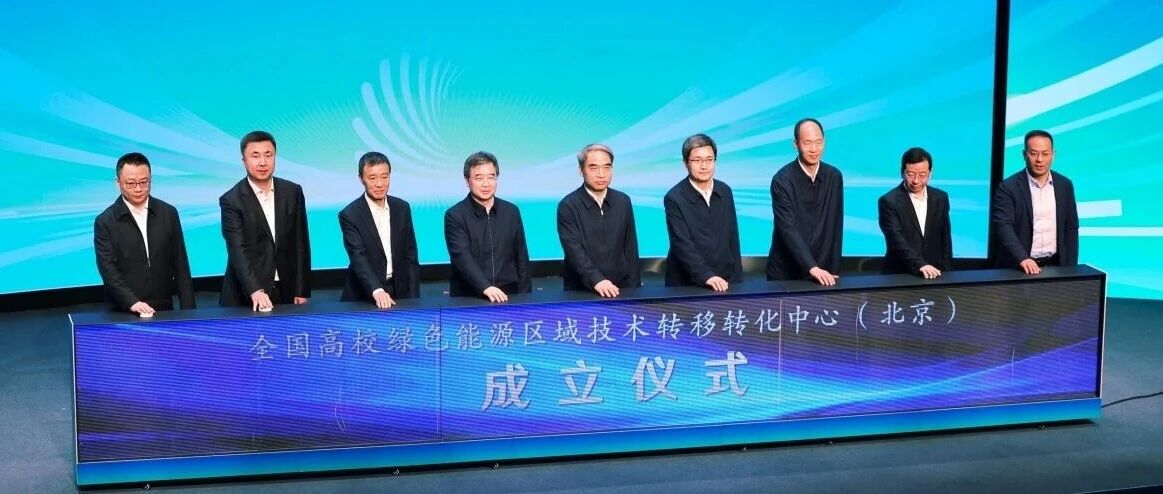
打通产学研转化快车道 海博思创深度参与国转中心建设
海博思创· 2026-02-03 09:25
Core Viewpoint - The establishment of the National University Green Energy Regional Technology Transfer Center (Beijing) marks a significant step in promoting the transformation of scientific research achievements into productive forces, with a focus on collaboration among universities, enterprises, and government [1][3]. Group 1: National University Green Energy Regional Technology Transfer Center - The center is the third national-level technology transfer center approved by the Ministry of Education and is the only one in the green energy sector [3]. - It aims to gather resources from leading universities to accelerate the conversion of scientific research results into practical applications [3]. Group 2: Company Involvement and Contributions - Haibo Sichuang, as a representative of new energy storage chain enterprises, has joined the center's council and received a work station license, enhancing collaboration between academia and industry [1][3]. - The company’s CEO, Zhang Jianhui, emphasized the center's role in providing multi-dimensional support to enterprises, addressing challenges in technology incubation and facilitating the transformation of laboratory technologies into practical benefits [4]. Group 3: Future Directions and Collaborations - The company plans to increase R&D investment, focusing on areas such as power electronics, grid technology, and artificial intelligence, while actively participating in the center's technology transfer initiatives [4]. - The collaboration will include joint research centers, talent exchange, and shared platforms to enhance the synergy between scientific research and industrial application [4].

暖心!产学研联手,为失能老人健康护理“加码”
Yang Zi Wan Bao Wang· 2026-01-31 12:40
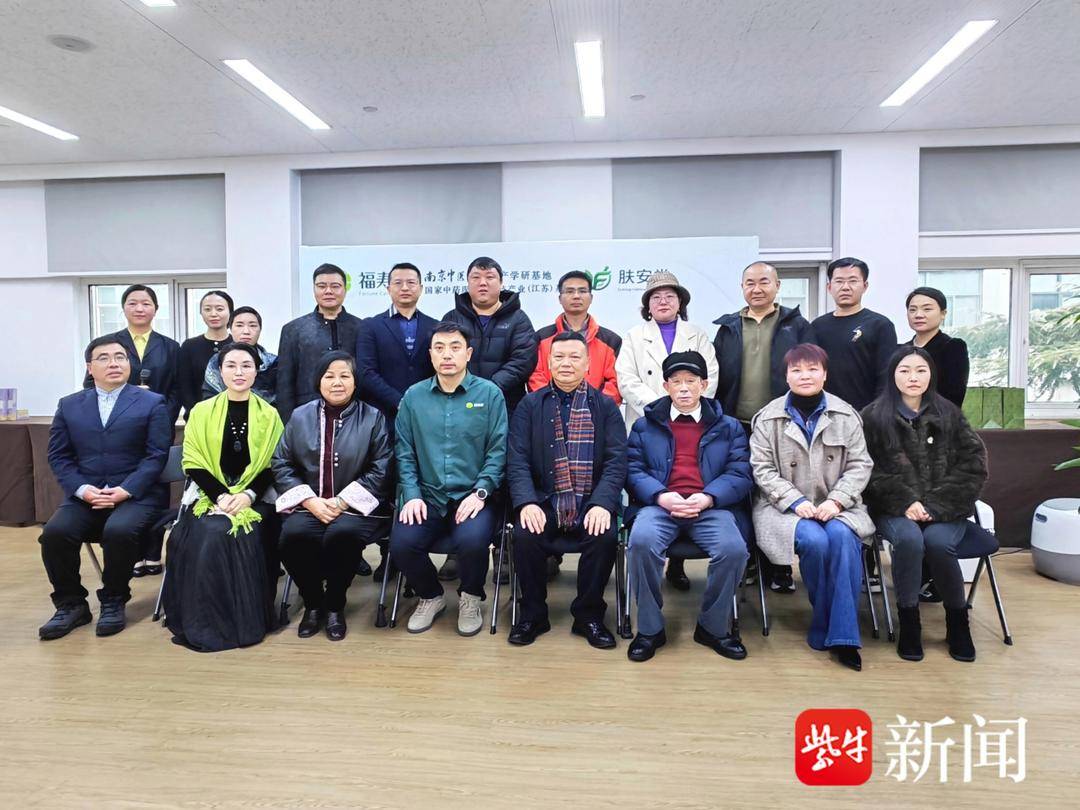
Core Viewpoint - The collaboration between Fu'an Tang Technology Co., Ltd. and Fushoukang Elderly Care Service Co., Ltd. aims to address the health care challenges faced by disabled elderly individuals in China, particularly in chronic skin issues management, by integrating traditional Chinese medicine with smart elderly care services [1][9]. Group 1: Strategic Collaboration - Fu'an Tang and Fushoukang have officially signed a strategic cooperation agreement to enhance elderly health care through the integration of traditional Chinese medicine and modern elderly care services [1][13]. - The partnership is supported by a team from Nanjing University of Chinese Medicine, focusing on innovative solutions for chronic wound management in disabled elderly individuals [1][4]. Group 2: Product Development - The core technology of the collaboration is based on ancient Chinese medicine formulas, which have been modernized to create a series of products aimed at treating pressure ulcers and diabetic foot conditions [4][6]. - Clinical studies conducted at Jiangsu Second Hospital indicate that the developed products significantly improve healing rates for diabetic foot ulcers and enhance the overall health of disabled elderly individuals [6][10]. Group 3: Service Network and Impact - Fushoukang has established a comprehensive care system covering home, community, hospital, and institutional settings, providing diverse services such as medical accompaniment and chronic disease management [7][9]. - The service network spans over 60 cities in China, with more than 400 branches and nearly 24,000 professional service personnel, having served over 400,000 elderly individuals [9]. Group 4: Future Directions - The collaboration will also focus on developing health products for active elderly individuals, including joint care and foot care products, to meet the health needs of all age groups [12]. - Future efforts will include creating a standardized elderly care service system based on traditional Chinese medicine and training professionals with expertise in both Chinese medicine and elderly care [15].
鹤壁资源型城市“老树发新芽”
Xin Lang Cai Jing· 2026-01-27 22:08
Core Viewpoint - The city of Hebi in Henan Province is undergoing a significant industrial transformation, focusing on three core industries: electronics and electrical appliances, functional new materials, and magnesium-based new materials, to build a modern industrial system and drive sustainable economic development [1] Group 1: Electronics and Electrical Appliances Industry - Hebi's electronics and electrical appliances industry is evolving from an existing industrial base, aiming to create a complete industrial chain from key components to smart terminal products [2] - Leading enterprises like Tianhai Group are enhancing their advantages in automotive electronics and deepening into areas such as new energy vehicle wiring harnesses and smart charging facilities, with the group's new energy business surpassing 60% [2] - The city has formed an automotive electronics and electrical appliances industry system covering eight categories and over 10,000 products, with the share of new energy products increasing from less than 15% in 2021 to 41% [2] Group 2: Functional New Materials Industry - The functional new materials industry is positioned as a strategic direction for fostering new growth points, focusing on high-performance resins, specialty rubbers, electronic chemicals, advanced ceramics, and bio-based materials [4] - Hebi's production capacity for certain products, such as special isocyanates, ranks first in the world, breaking foreign technology monopolies [4] - The city is promoting green development in new material research and production, with projects like high molecular weight polylactic acid that significantly reduce energy consumption and carbon emissions [5] Group 3: Magnesium-based New Materials Industry - Hebi has a unique advantage in developing magnesium-based new materials due to its rich magnesium ore resources, shifting from primary raw material production to high-value-added processing [6] - The city is focusing on developing magnesium alloys and deep-processing products for sectors like automotive lightweighting and aerospace [6] - The establishment of the China Aluminum (Hebi) magnesium-based new materials industrial test base is a key milestone in the transformation, aiming to create a complete industrial chain from magnesium smelting to high-end product manufacturing [6] Group 4: Overall Industrial Transformation - The transformation practices of the three key industries reflect Hebi's "3+3+N" leading industry system, with a focus on technological innovation and cluster development [7] - The city is advancing its industrial structure towards higher-end, smarter, and greener solutions, contributing to a more vibrant and competitive Hebi [7]
双向奔赴 精准赋能
Xin Lang Cai Jing· 2026-01-27 20:00
Group 1 - The article highlights the integration of education and industry in Xinjiang, where vocational schools and universities are closely aligning their training programs with regional industrial needs to enhance local economic development [5][9][10] - Stone River University is actively promoting the transformation of scientific research into practical applications, particularly in the field of red date processing, which has led to the development of high-value products and improved income for local farmers [6][7][8] - The collaboration between educational institutions and enterprises has resulted in a significant increase in employment rates for graduates, with some vocational schools reporting a job placement rate of around 95% [10] Group 2 - The establishment of technology centers and research teams in production lines is a key strategy for enhancing the efficiency of technology transfer and addressing industry-specific challenges [6][7][8] - The vocational education system in the region is evolving to ensure that training programs are directly responsive to the skills required by local industries, thereby fostering a more effective talent supply chain [9][10] - The ongoing partnerships between educational institutions and businesses are creating a sustainable model for workforce development, ensuring that students are well-prepared for real-world job demands [10][12]
代表委员心声丨深化产学研用融合 推进农业科技创新
He Nan Ri Bao· 2026-01-26 23:42
Core Viewpoint - The article emphasizes the importance of advancing agricultural development in Henan Province through innovation, collaboration, and policy support to enhance the quality and competitiveness of agricultural products [1][2]. Group 1: Agricultural Development Initiatives - Henan Province is actively promoting the construction of agricultural innovation platforms, including the Central Plains Agricultural Valley and the Central Plains Food Laboratory, to support agricultural technology development [1]. - The province faces challenges such as low added value of agricultural products, severe homogenization, and low conversion rates of agricultural research results [1]. Group 2: Recommendations for Improvement - To overcome development bottlenecks, it is crucial to deepen the integration of production, education, research, and application, suggesting the promotion of models like "research teams + leading enterprises + experimental bases" to establish stable collaboration mechanisms [1]. - The company advocates for further improvement of support policies to stimulate innovation within agricultural enterprises by lowering barriers for technology research center recognition and major technology project applications [2].
绿潮涌动处 奋进正当时
Bei Jing Ri Bao Ke Hu Duan· 2026-01-24 21:19
Core Viewpoint - The article emphasizes the importance of building a clean, low-carbon, safe, and efficient new energy system as a core mission for the Jingneng Group, aligning with national goals and local responsibilities [1][3]. Group 1: Strategic Development - By 2025, Jingneng Group aims to integrate green development into its overall industrial strategy, focusing on creating a robust, intelligent, environmentally friendly, and user-friendly heating network [2]. - The electricity sector will implement a strategy for green electricity to enter Beijing, enhancing energy supply systems and promoting significant breakthroughs in green electricity projects [2][3]. - The company is committed to transforming its coal power units to improve clean and efficient operation, while also developing green mining practices in its coal sector [2]. Group 2: Green Energy Expansion - Jingneng Group has over 31 million kilowatts of renewable energy installed capacity, accounting for 54% of its total power generation capacity, achieving a new clean energy installation every 18 hours [4]. - Significant projects include the largest centralized photovoltaic project in Beijing and various wind power initiatives, contributing to a multi-source, complementary energy supply network [4][5]. - The company has achieved a green electricity trading volume of 11.475 billion kilowatt-hours, providing stable clean energy options for residents and businesses in Beijing [5]. Group 3: Technological Innovation - The company is advancing its digital and intelligent capabilities, with a focus on smart heating networks and AI applications to enhance operational efficiency and safety [9][10]. - The establishment of a virtual power plant with a capacity of 4.12 GW aims to improve the stability of the energy grid and facilitate the integration of renewable energy sources [5][9]. - Collaborations with top research institutions are fostering innovation in low-carbon technologies and smart energy systems [10][11]. Group 4: Social Responsibility - Jingneng Group prioritizes public welfare by ensuring stable energy supply for over 200 million residents and implementing energy-saving measures for numerous enterprises [18]. - The company is actively involved in community projects, enhancing energy efficiency and reducing carbon emissions across various sectors [18][20]. - The development of a large-scale green hydrogen production project is expected to provide significant clean energy and reduce carbon emissions substantially [14][20]. Group 5: Future Outlook - The company plans to accelerate its green transformation and energy supply projects, focusing on renewable energy integration and enhancing the efficiency of urban heating systems [20][21]. - Jingneng Group aims to expand its low-carbon service capabilities and enhance its role in building an international green economy benchmark city [21].
技术落了地 人才扎下根
Liao Ning Ri Bao· 2026-01-23 01:01
Core Insights - The "Double Hundred Link" initiative aims to connect high-level talent with enterprises to address technological needs and promote innovation in key industries [2][3][9] Group 1: Talent and Technology Integration - The initiative has successfully matched 1243 experts with 1013 enterprises, resulting in 1405 collaborative projects [3] - Over the past year, 378 technology needs from enterprises have been identified and addressed through targeted surveys and visits [2] - The program has facilitated the establishment of 313 teaching and training bases between enterprises and educational institutions, training 3678 skilled professionals [7] Group 2: Innovation and Application - The collaboration between industry and academia has led to significant advancements, such as a 75% improvement in algorithm efficiency for defect detection in semiconductor manufacturing [1] - Notable projects include the development of a large-scale physical simulation facility for deep engineering disasters, showcasing the integration of academic research with industrial applications [5] - The partnership between Dalian Rongke Energy and the Dalian Institute of Chemical Physics has resulted in the rapid commercialization of vanadium flow battery technology, positioning the company among industry leaders [6] Group 3: Project Management and Support - A "monthly prompt and quarterly scheduling" mechanism has been established to monitor project progress and address issues related to collaboration and implementation [8] - Each project is assigned dedicated personnel from organizational and technological departments to ensure efficient execution from signing to implementation [8] - The initiative emphasizes the importance of creating a comprehensive talent and intelligence service system to support the transformation of research outcomes into practical applications [9]
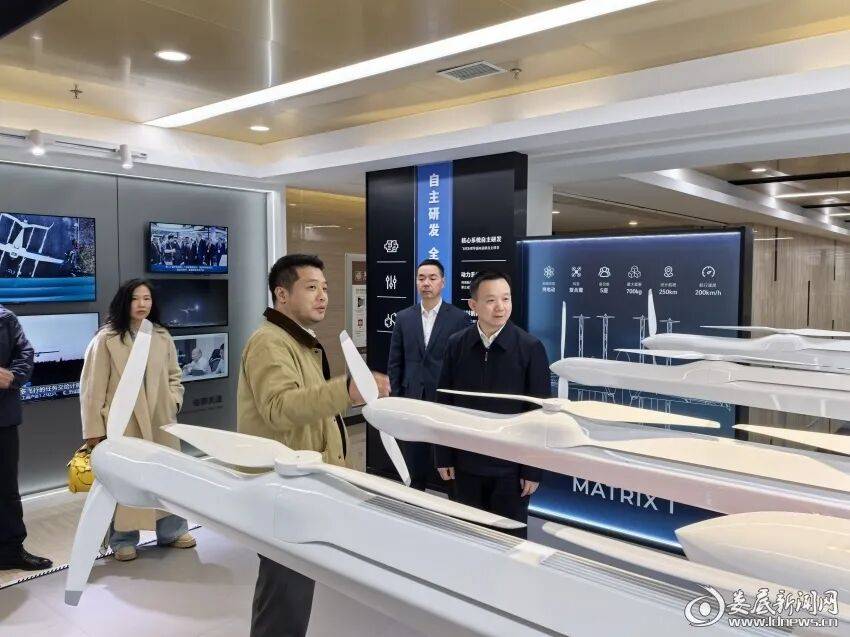
【要闻】何朝晖率队赴上海开展招商考察
Sou Hu Cai Jing· 2026-01-22 06:08
Group 1 - The mayor of Loudi, He Zhaohui, led a delegation to Shanghai from January 18 to 20 to explore investment opportunities, focusing on industrial collaboration, technological innovation, and regional cooperation [2][3] - During the visit, He Zhaohui highlighted Loudi's strengths in titanium materials, aiming to integrate local products into the supply chain of Commercial Aircraft Corporation of China (COMAC) to support large-scale production of key components [3] - Discussions were held with Shanghai Jiao Tong University regarding collaboration in material science, technology research and development, and talent cultivation, leveraging the Hunan Higher Research Institute platform [3] Group 2 - He Zhaohui promoted Loudi's advantages in developing a low-altitude economy to aviation technology companies, inviting them to explore establishing fixed logistics routes between Loudi and Changsha-Zhuzhou-Xiangtan [3] - The mayor requested more support from the provincial government office in Shanghai to facilitate regular and precise connections in industry, technology, and talent between Loudi and the Yangtze River Delta [4] - He Zhaohui emphasized the importance of optimizing the business environment and invited local entrepreneurs in Shanghai to invest in Loudi, aiming to create new development opportunities [4]
教育科技人才一体改革持续激发创新活力
Shan Xi Ri Bao· 2026-01-19 00:35
Group 1 - Since 2025, Shaanxi has focused on deepening the "Three-Year" initiative to enhance the synergy between education and technology, promote the integration of industry, academia, and research, and accelerate the transformation of scientific and technological achievements [1][2] - Shaanxi has over 110 universities, 1800 research institutions, and more than 2 million professional technical talents, showcasing strong comprehensive innovation capabilities [2] - The province has established 11 future technology colleges and 3 national excellent engineer colleges, with 26 modern industry colleges under construction to meet local and industry needs [3] Group 2 - In 2025, the provincial science and technology department revised the guidelines for the "Project Leader" mechanism, promoting a collaborative approach where enterprises propose challenges and young scientists take on significant responsibilities [4] - Shaanxi has allocated 2.65 billion yuan to support key technology projects in industries such as equipment manufacturing, electronic information, and new materials, achieving breakthroughs in 761 technical challenges in the industrial chain [4][5] - The province has made significant advancements in fields like new materials, new energy vehicles, and solar photovoltaics, with high-value invention patents reaching 13.01 per 10,000 people by June 2025 [5] Group 3 - To facilitate the transformation of scientific achievements, Shaanxi has implemented the Qin Chuang Yuan innovation-driven platform and three reform measures to streamline the process from research to market [6][7] - Since the implementation of the reforms, 110,000 technology achievements have been managed as assets, with 46,000 successfully transferred and 2,972 new technology transfer companies established by the end of December 2025 [8] - The integration of education, talent, innovation, and industry chains has activated a robust environment for technological innovation, driving high-quality development [9]