城市建设

Search documents
陈朋:城市建设要统筹攻坚战与持久战
Jing Ji Ri Bao· 2025-09-23 00:04
Core Viewpoint - Urban construction is a complex system project that requires both immediate and long-term strategies, emphasizing the need for both "tackling tough issues" and "sustained efforts" in the new era of urban development [1][2]. Group 1: Urban Construction Strategies - Urban renewal is a key focus for tackling current urban construction challenges, with an emphasis on rapidly addressing the renovation of old neighborhoods and improving urban infrastructure through modern technology integration [2][3]. - The approach to urban construction must align with economic and social development laws, avoiding hasty actions and ensuring a gradual process [2][3]. Group 2: Community Involvement - Urban construction should prioritize the needs and expectations of the people, ensuring that resources are allocated to enhance the quality of life, including housing, transportation, education, and healthcare [2][3]. - The concept of "people's cities" emphasizes the importance of community involvement in urban development, ensuring that projects reflect the desires and needs of the populace [2]. Group 3: Development Philosophy - A shift from extensive expansion to intensive development is crucial for modern urban growth, advocating for a refined approach that considers long-term impacts and avoids superficial solutions [3]. - The focus should be on meticulous planning and execution in areas such as industrial layout, ecological protection, and transportation infrastructure, minimizing the occurrence of incomplete projects [3].
城市建设要“面子”更要“里子”(记者手记)
Ren Min Ri Bao· 2025-09-18 22:12
Core Viewpoint - The article emphasizes the importance of focusing on the "substance" of urban construction, which includes safety and ecological considerations, rather than just the "facade" or aesthetic aspects of cities [1][4]. Group 1: Urban Development and Safety - Urban development should prioritize both ecological and safety aspects, as highlighted by Xi Jinping's emphasis on building resilient cities [1]. - The current urbanization phase in China requires a shift from superficial construction to addressing underlying infrastructure issues, particularly in aging facilities that are underperforming [1][2]. Group 2: Systematic Approach - A systematic approach is necessary for urban safety, involving coordination among various departments such as meteorology, water management, and emergency services to effectively manage flood risks [2]. - Integrating both above-ground and underground planning is crucial for enhancing the overall integrity and systematization of urban infrastructure [2]. Group 3: Technological Empowerment - The use of technology, such as IoT and big data, is essential for improving urban safety and operational efficiency, moving from reactive to proactive risk management [2][3]. - By the end of 2024, China plans to update and renovate 165,000 kilometers of aging gas pipelines and enhance urban drainage systems, significantly improving urban resilience [3]. Group 4: Quality of Life - A solid "substance" in urban infrastructure leads to a more attractive "facade," ensuring that citizens can live with peace of mind and security [4].
以人为本 共建幸福之城
Liao Ning Ri Bao· 2025-08-31 01:16
Core Viewpoint - The article emphasizes the importance of urban development focused on improving the quality of life for residents, highlighting various initiatives in cities across Liaoning Province aimed at enhancing urban infrastructure and public amenities to meet the aspirations of the people [2][10]. Urban Development Initiatives - Since the beginning of the "14th Five-Year Plan," the Liaoning provincial government has implemented policies to optimize urban spaces, improve infrastructure, and enhance the quality of life for residents [2]. - The construction of 25 high-quality pocket parks in Anshan, covering a total area of 131,600 square meters, showcases the transformation of previously neglected urban spaces into recreational areas for residents [3]. - The upgrade of the drainage system in Yingkou, involving the renovation of 42.18 kilometers of drainage pipelines, aims to address urban flooding issues and has already shown positive results during heavy rainfall [4]. Infrastructure Improvements - The renovation of old neighborhoods in Shenyang has benefited 776,000 households, with 1,723 old residential areas being upgraded ahead of schedule, enhancing living conditions for residents [4]. - The total area of old residential buildings renovated in Liaoning Province reached 78.48 million square meters, impacting 1,126,000 residents, and 16,000 kilometers of old utility pipelines have been upgraded [6]. Cultural and Historical Revitalization - The revitalization of historical streets, such as Dalian's Dongguan Street, has transformed them into vibrant commercial areas while preserving their historical significance, attracting tourists and enhancing local culture [5][6]. - Various cultural and creative parks in Shenyang and Yingkou have been developed, linking historical and contemporary elements to enrich the cultural landscape of the cities [6]. Smart City Development - The implementation of smart city initiatives in Jinzhou has led to the city receiving the "2024 China Leading Smart City Award," reflecting its commitment to enhancing urban governance and efficiency through technology [8]. - The establishment of integrated government service platforms has streamlined administrative processes, allowing residents to access services more conveniently and efficiently [8][9]. Management and Governance - The use of technology, such as drones for monitoring illegal constructions, has improved urban management and enforcement, contributing to a cleaner and safer environment for residents [7]. - Liaoning Province has made significant strides in wastewater treatment, with 95% of urban sewage being treated to high standards, enhancing the overall quality of urban living [9].
以“两山”理念为引领建设美丽宜居的人民城市
Zhong Guo Huan Jing Bao· 2025-08-20 23:20
Core Concept - The "Two Mountains" theory emphasizes the harmonious relationship between ecological protection and economic development, guiding urban construction towards high-quality development and improved living conditions for citizens [1][2][7]. Group 1: Urban Development and Ecological Integration - Urban construction must prioritize the "Two Mountains" theory, integrating ecological priorities and green development throughout planning, construction, and governance processes [1][2]. - The shift in urban development from large-scale expansion to enhancing existing resources necessitates a focus on ecological protection alongside urban growth [2][3]. Group 2: Green Transformation and Economic Growth - A green low-carbon transformation is essential for urban development, demonstrating that ecological protection and economic growth can mutually reinforce each other [3][4]. - The promotion of green industries and the application of renewable energy in urban infrastructure are key strategies for generating new economic growth points [3][4]. Group 3: Systematic Governance and Technological Support - Establishing a modern governance system for urban ecological environments is crucial, requiring a comprehensive approach and the integration of technology [4][5]. - The use of big data, AI, and IoT in urban governance enhances resilience and efficiency in managing urban infrastructure and public safety [4][5]. Group 4: Community Engagement and Public Awareness - Active participation from the community is vital for effective ecological governance, encouraging citizens to engage in environmental protection initiatives [5][6]. - Education and awareness campaigns are necessary to instill a sense of responsibility towards ecological conservation among the public [5][6]. Group 5: Benefits to Citizens and Cultural Integration - Urban development should focus on enhancing public services and ensuring that citizens benefit from improved ecological environments [6][7]. - The cultural aspect of urban ecology, including the preservation of historical and natural heritage, contributes to the overall quality of life and community identity [7][8].
请回答「Knock Knock 世界」NO. 2508017
声动活泼· 2025-08-17 03:50
Core Viewpoint - The article discusses various societal and philosophical questions, reflecting on historical and contemporary issues, while also promoting the podcast "Knock Knock World" as a platform for exploring these topics with a younger audience [4][10]. Group 1: War and Society - The article raises questions about the reasons behind wars and their impact on civilians, highlighting a shift in how wars are reported in modern media compared to the past [6]. - It emphasizes the need for deeper understanding of the consequences of war and the importance of discussing these issues in a more engaging manner [6]. Group 2: Urban Development and Infrastructure - The article contrasts the urban development of cities like Shanghai and Beijing, questioning the criteria for selecting a capital city and the advantages of each [7]. - It also addresses the issue of food waste in hotels and potential solutions, such as offering leftover food at reduced prices to minimize waste [7]. Group 3: Cultural and Historical Perspectives - The article reflects on the preservation of historical architecture in different regions, questioning why some areas maintain their traditional buildings while others do not [8]. - It discusses the significance of intellectual properties (IPs) like Hello Kitty, exploring their history and cultural impact [8]. Group 4: Health and Food Safety - The article raises concerns about food additives and their health implications, particularly in the context of food allergies and labeling practices in different countries [8]. - It highlights the differences in food safety awareness between Western countries and China, suggesting a need for better education on food allergies [8]. Group 5: Environmental Awareness - The article touches on the importance of protecting the environment and addressing climate change, hinting at future discussions on global warming and human impact on nature [9]. - It poses speculative questions about the future of biodiversity in the event of human extinction, encouraging curiosity about ecological resilience [9]. Group 6: Podcast Promotion - The article promotes the "Knock Knock World" podcast, which aims to engage young audiences in discussions about global events and diverse perspectives [10][12]. - It provides details about the podcast's release schedule and subscription pricing, encouraging listeners to explore its content [10][13].


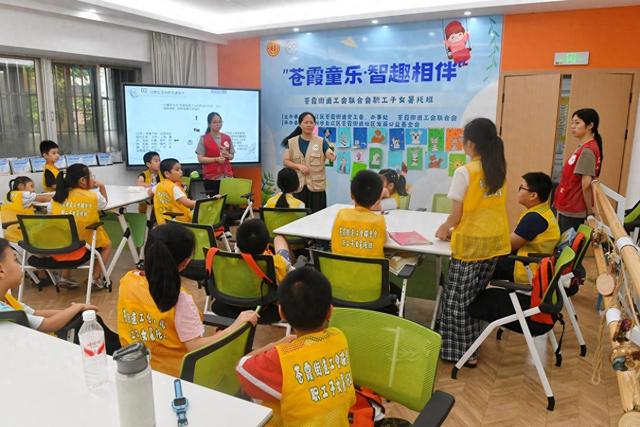
福州苍霞新城的华丽蝶变
Huan Qiu Shi Bao· 2025-07-15 09:21
Core Viewpoint - Fuzhou has prioritized urban development through old city renovation and river management, significantly improving urban quality and living conditions for residents [1] Group 1: Urban Development Initiatives - The Taijiang Cangxia shantytown renovation project was initiated in July 2000, completing in 400 days, transforming a dilapidated area into a modern community [1] - In September 2021, Fuzhou launched a comprehensive upgrade of Cangxia New City, integrating it with the historical cultural district of Shangxiahang, creating community-friendly facilities [1] Group 2: Community Transformation - The transformation from shantytown to modern community reflects Fuzhou's urban development efforts, showcasing a shift from "worrying about housing" to "safe housing" and then to "comfortable housing" [1] - Cangxia New City has become a model for living standards in Fuzhou, earning the 2023 China Habitat Environment Exemplary Award [1]
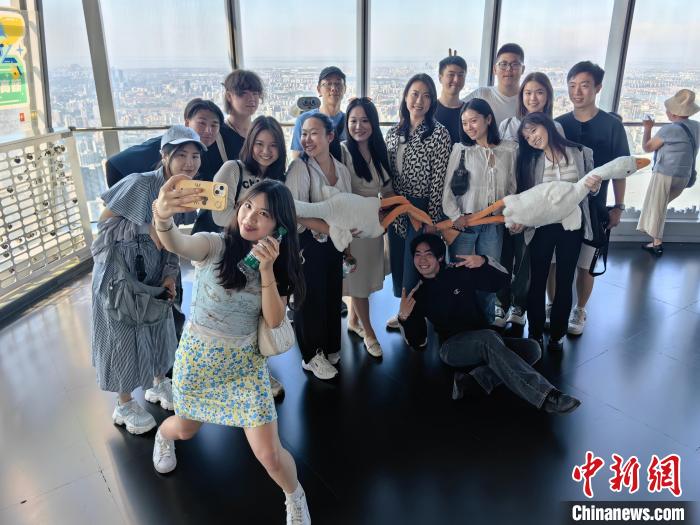
华裔青年开启上海研习之旅 在摩天大楼与弄堂间读懂中国
Zhong Guo Xin Wen Wang· 2025-07-02 02:29
Group 1 - The "Gathering in Shanghai" study tour attracted 17 young overseas Chinese from 11 countries, including France, Canada, Australia, and Japan [1] - Participants explored various landmarks in Shanghai, such as the Urban Planning Exhibition Hall, the Bund, and Lujiazui, gaining insights into the city's past, present, and future [1] - The event facilitated cultural exchange among participants, allowing them to share their diverse backgrounds and perspectives on Shanghai and China's relationship with the world [1][3] Group 2 - Participants expressed admiration for Shanghai's blend of modern skyscrapers and traditional architecture, highlighting the city's inclusivity and international character [1][4] - The study tour included visits to significant sites like the Shanghai Tower, showcasing China's advancements in sustainable architecture and urban development [4] - Future activities in the tour will involve exploring artificial intelligence companies and experiencing local cultural elements, further enriching the participants' understanding of Shanghai [4]