无废城市

Search documents
张家港生态环境质量持续向好
Su Zhou Ri Bao· 2026-01-28 01:57
Core Viewpoint - Zhangjiagang City is committed to improving ecological environment quality, achieving significant progress in air and water quality, and promoting sustainable development through various environmental initiatives [1][2] Air Quality Management - The city has implemented 54 air pollution prevention projects and enhanced source control in key industries such as power and steel [1] - PM2.5 average concentration is targeted to reach 28.7 micrograms per cubic meter by 2025, showing a year-on-year improvement of 5.9%, ranking first in Suzhou [1] - The proportion of good air quality days reached 80.3%, indicating continuous improvement in air quality [1] Water Quality Improvement - The city has conducted comprehensive tracing investigations for new national monitoring sections, tailoring specific plans for key monitoring points [2] - Two centralized drinking water sources maintained stable Class II water quality, with 76.9% of monitored water bodies exceeding Class II standards, marking a historic achievement [2] - The city has achieved a 100% compliance rate for three key water quality indicators for eight consecutive years [2] Soil and Solid Waste Management - Zhangjiagang maintains a 100% safety utilization rate for key construction land and is recognized as one of the 20 cities globally selected for the UN's "Towards a 'No Waste' City" initiative [2] - The city is advancing lithium slag resource utilization projects as part of its waste management strategy [2] Development and Governance Optimization - The city provided resource guarantees for 155 projects and completed Suzhou's first cross-county pollutant discharge rights transaction [2] - A total of 63 environmental issues were identified and rectified, with 42 focused on local environmental concerns [2] - The city engaged nearly 30,000 volunteers in environmental protection activities, reinforcing community involvement in ecological initiatives [2] Future Initiatives - Zhangjiagang will continue to promote key emission reduction projects and deepen the creation of a "No Waste City" [2] - The focus will be on addressing prominent environmental issues and optimizing ecological services to support high-quality development [2]
深圳一座封场20年的巨型垃圾山正在消失
21世纪经济报道· 2026-01-27 05:34
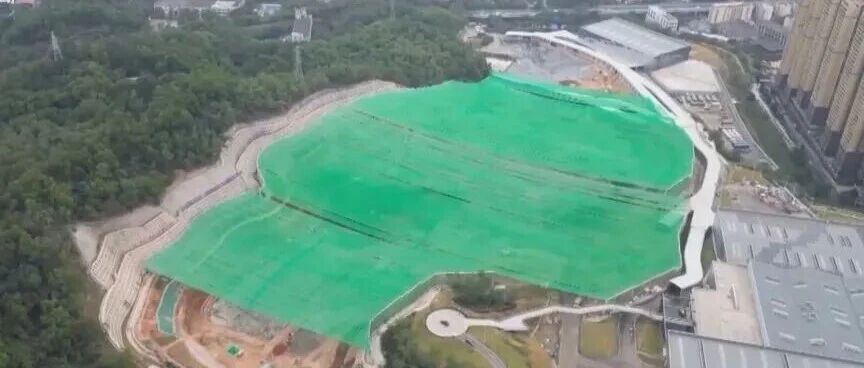
Core Viewpoint - The article discusses the significant advancements in waste management in China, particularly focusing on the large-scale garbage relocation and treatment project at the Yulong landfill in Shenzhen, which is the largest of its kind in the country. The project aims to address historical waste issues through innovative technologies and has implications for the broader waste-to-energy industry in China [1][19]. Group 1: Project Overview - The Yulong landfill, established in 1983 and closed in 2005, contained approximately 2.5 million cubic meters of waste, equivalent to filling 1,000 Olympic-sized swimming pools. The full excavation and relocation project commenced in 2024 and is expected to be completed by September 2026 [1]. - The height of the garbage mound, which reached 110 meters, has been completely leveled, and the site is now covered with large dust-proof fabric. Nearby, a waste sorting workshop with six giant conveyor belts is operational, ensuring that residents do not see or smell the waste [3]. Group 2: Waste Management Technology - Traditional landfill methods have led to significant land use and secondary pollution issues, prompting a shift towards waste incineration as a mainstream waste management solution in urban areas. This shift has alleviated the "garbage siege" problem that plagued many cities in the 1990s [5]. - China has made substantial progress in waste-to-energy technology, transitioning from a follower to a leader in the field. The country has developed a complete industrial chain for waste incineration, including waste collection, equipment manufacturing, and project operation [6][8]. Group 3: Market Dynamics - The market for waste incineration power generation in China is projected to reach approximately 73 billion yuan in 2024, a decrease from nearly 100 billion yuan in 2020 due to the reduction in available waste for incineration [9]. - Major players in the waste management sector include Everbright Environment, which holds over 15% market share, followed by companies like Sanfeng Environment and Huanlan Environment. The industry is characterized by a competitive landscape with a few leading firms [5][15]. Group 4: Regulatory and Operational Framework - The Chinese government has prioritized waste incineration as a key direction for solid waste management since the "11th Five-Year Plan." The strategic importance of waste-to-energy has increased with the introduction of the "dual carbon" goals and the concept of "waste-free cities" [8]. - The most common business model for waste incineration projects is the BOT (Build-Operate-Transfer) model, where companies are granted long-term operating rights to manage waste treatment facilities [16][18]. Group 5: Challenges and Innovations - Some regions are experiencing a "not enough waste to burn" phenomenon, particularly in newly constructed incineration plants in county-level areas, where the actual waste generation is lower than anticipated [15]. - Companies are exploring new waste sources, such as industrial solid waste and sludge, and are investing in technology innovations to enhance operational efficiency and project quality [18].




“垃圾不够烧了” 中国垃圾焚烧发电技术全球领跑
2 1 Shi Ji Jing Ji Bao Dao· 2026-01-26 09:37
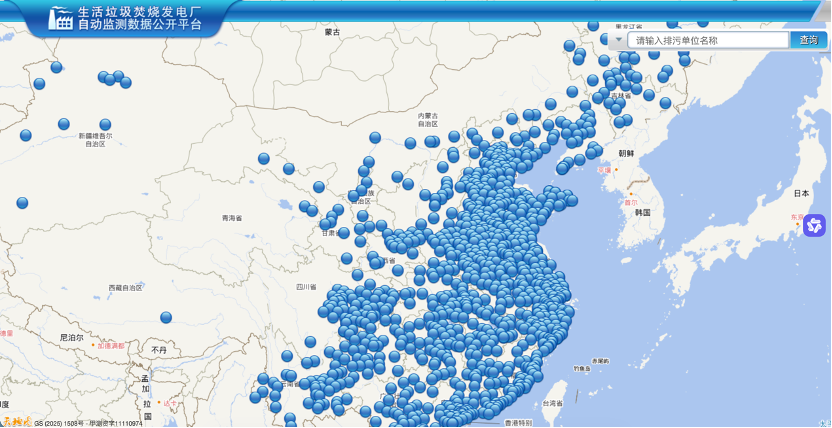
Core Viewpoint - The article discusses the significant advancements in waste management in China, particularly focusing on the transition from traditional landfill methods to waste incineration, highlighting the ongoing large-scale projects aimed at environmental remediation and the technological innovations that have made waste a resource rather than a burden [1][2][4]. Group 1: Waste Management Developments - The Yulong landfill site in Shenzhen is undergoing the largest waste relocation project in China, with an expected completion date of September 2026 [1]. - The total volume of waste at the Yulong landfill was approximately 2.5 million cubic meters, equivalent to filling 1,000 Olympic-sized swimming pools [1]. - In 2024, the national urban household waste collection volume is projected to reach 262 million tons, up from 158 million tons in 2010 [3]. Group 2: Technological Advancements - China has made significant progress in waste incineration technology, transitioning from a follower to a leader in the field, with key advancements in combustion efficiency and pollution control [2][7]. - The market for waste incineration power generation in China is estimated to be around 73 billion yuan in 2024, reflecting a decrease from the nearly 100 billion yuan peak in 2020 due to reduced waste availability [5]. - The dominant technology in waste incineration is the mechanical grate furnace, which holds over 80% market share due to its stability and adaptability to China's waste characteristics [7]. Group 3: Industry Structure and Market Dynamics - The waste incineration power generation industry has developed a complete industrial chain, including waste collection, equipment manufacturing, and project operation [4]. - As of early 2025, over 1,000 waste incineration power plants are operational in China, but some regions face a "not enough waste to burn" issue, with average capacity utilization around 60% [9]. - Major players in the industry include China Everbright International, Sanfeng Environment, and Huaneng Environment, with a competitive landscape characterized by a few leading firms [12][13]. Group 4: Policy and Regulatory Environment - The Chinese government has prioritized waste incineration as a key direction for solid waste management since the 11th Five-Year Plan, further emphasizing its importance in the context of carbon neutrality and "zero waste cities" [4]. - Strict regulatory requirements mandate that all incineration plants install automatic monitoring systems to ensure compliance with environmental standards [8]. Group 5: Future Outlook and Challenges - Companies are exploring new waste sources and innovative technologies to enhance operational efficiency and address the issue of insufficient waste supply [13]. - The successful excavation of the Yulong landfill exemplifies the capability to tackle long-standing waste management challenges through advanced technologies [14].
重庆建成国家级绿色工厂170家、绿色园区16个
Ren Min Ri Bao· 2026-01-26 07:06
Core Insights - The article discusses the transformation of waste cooking oil into clean biodiesel in Chongqing, highlighting the city's efforts in building a "waste-free city" model focused on efficient waste disposal and resource recycling [1][2]. Group 1: Waste Management Initiatives - Chongqing has been a pilot city for the "waste-free city" initiative since 2019, promoting effective resource recycling and waste reduction [1]. - The "venous industry" concept is introduced, which focuses on waste recycling and resource re-utilization, addressing the issues of waste surplus and resource scarcity [2]. - The Chongqing Electric Power Resource Recycling Center has successfully dismantled over 7,000 transformers and 6,000 tons of cables, producing over 25,000 tons of high-quality recycled resources [3]. Group 2: Community Engagement and Technology - The implementation of smart recycling devices in residential areas has made waste sorting more convenient, encouraging community participation in recycling efforts [4][5]. - The city has established a comprehensive waste management system that integrates waste disposal and recycling, enhancing operational efficiency [5]. Group 3: Cross-Provincial Collaboration - A cross-provincial cooperation mechanism for hazardous waste management has been established between Sichuan and Chongqing, streamlining the approval process for hazardous waste transfer [6][7]. - The collaboration has expanded to include nine categories of hazardous waste, improving disposal efficiency for companies like Zinc Light [6][7].
深阅读|绿色转型 资源共享
Xin Lang Cai Jing· 2026-01-25 14:09
Core Viewpoint - The transformation of waste into resources, exemplified by the recycling of cooking oil into biodiesel, reflects Chongqing's efforts in building a "waste-free city" that emphasizes efficient waste disposal and resource recycling [2][3]. Group 1: Waste Management and Recycling Initiatives - Chongqing's "waste-free city" initiative focuses on safe and efficient waste disposal, resource recycling, and reducing waste generation, having been a pilot city since 2019 [2]. - The "venous industry" concept is introduced, likening waste recycling to the body's venous system, aiming to address waste surplus and resource scarcity [3]. - The Chongqing Electric Power Resource Recycling Center has successfully processed over 7,000 transformers and 6,000 tons of cables, producing over 25,000 tons of high-quality recycled resources [4]. Group 2: Community Engagement and Smart Recycling - The implementation of smart recycling devices in communities has made waste sorting more convenient, encouraging residents to participate actively in recycling efforts [5][6]. - The establishment of a comprehensive waste management system in Chongqing integrates waste disposal and recycling, enhancing the efficiency of waste processing [6]. Group 3: Cross-Provincial Collaboration on Hazardous Waste - A collaborative mechanism between Sichuan and Chongqing has been established for the cross-province transfer of hazardous waste, streamlining the approval process for companies [7][8]. - The partnership between companies in Sichuan and Chongqing has expanded business opportunities for hazardous waste processing, allowing for resource recovery from previously challenging waste types [8].
绿色转型 资源共享(深阅读)
Ren Min Ri Bao· 2026-01-25 13:32
"分离出来的液体叫变压器油,属于危险废物,若是随意处置或处置不当,不仅会污染土壤,更会对地 下水造成难以逆转的破坏。"中心现场负责人王开才说。 一锅翻腾的重庆红油火锅,食客享用后,油去哪儿了? 答案就藏在餐饮废油处置车间里。每天清晨,印有"厨余垃圾"标识的重庆市环卫集团专用运输车驶入两 江新区洛碛"静脉产业园",将餐厨垃圾运送至车间。经过处理后,分离出的废弃油脂将被转化为清洁的 生物柴油,供给下游工业企业。 红油的变废为宝,正是重庆市建设"无废城市"的一个缩影。 "无废城市",并非指城市完全不产生废弃物,而是以废弃物的安全高效处置、资源循环利用和减少废弃 物产生为重点的发展模式。自2019年入选全国首批"无废城市"建设试点以来,重庆深入推进"无废城 市"建设,有效推动资源再生利用。近日,记者深入园区工厂、街道社区等,了解重庆市的探索成效。 "静脉产业园"助力废弃物循环利用 走进重庆永川港桥"静脉产业园",重庆电力再生资源循环利用中心的厂房内,工作人员正全神贯注地对 一台35千伏油浸式变压器进行吊芯作业。待铁芯与油箱完全分离后,重达数吨的铁芯被移至拆解平台。 雍江苑小区并非个例,而是"无废细胞"建设的一个生动缩 ...
向更高水平迈进(专家点评)
Ren Min Ri Bao· 2026-01-24 22:04
当前,我国正加快建设"无废城市",要着眼关键领域推动"无废城市"建设向更高水平迈进。构建全链条 无害化管理的废弃物综合治理体系,加强无害化贮存、转运、处置等基础设施建设;探索将资源节约与 碳减排相关指标纳入政府绩效考核体系,进一步推进环境执法与公众监督相结合;创新回收体系建设、 科技创新、金融支持等制度设计,探索"无废城市群"等区域协同共建模式。 (作者为四川大学公共管理学院教授,本报记者陈震采访整理) (文章来源:人民日报) ...
重庆建成国家级绿色工厂一百七十家、绿色园区十六个 绿色转型 资源共享(深阅读)
Ren Min Ri Bao· 2026-01-24 22:01
一锅翻腾的重庆红油火锅,食客享用后,油去哪儿了? 答案就藏在餐饮废油处置车间里。每天清晨,印有"厨余垃圾"标识的重庆市环卫集团专用运输车驶入两 江新区洛碛"静脉产业园",将餐厨垃圾运送至车间。经过处理后,分离出的废弃油脂将被转化为清洁的 生物柴油,供给下游工业企业。 红油的变废为宝,正是重庆市建设"无废城市"的一个缩影。 "无废城市",并非指城市完全不产生废弃物,而是以废弃物的安全高效处置、资源循环利用和减少废弃 物产生为重点的发展模式。自2019年入选全国首批"无废城市"建设试点以来,重庆深入推进"无废城 市"建设,有效推动资源再生利用。近日,记者深入园区工厂、街道社区等,了解重庆市的探索成效。 "静脉产业园"助力废弃物循环利用 走进重庆永川港桥"静脉产业园",重庆电力再生资源循环利用中心的厂房内,工作人员正全神贯注地对 一台35千伏油浸式变压器进行吊芯作业。待铁芯与油箱完全分离后,重达数吨的铁芯被移至拆解平台。 "分离出来的液体叫变压器油,属于危险废物,若是随意处置或处置不当,不仅会污染土壤,更会对地 下水造成难以逆转的破坏。"中心现场负责人王开才说。 重庆电力再生资源循环利用中心成立后,努力破解废旧电力 ...
琼海:初步谋划“十五五”重大项目146个
Hai Nan Ri Bao· 2026-01-23 01:31
Group 1 - The core objective for Qionghai is to achieve a GDP of over 55 billion by 2030, with an average annual growth rate of over 6% [2] - Qionghai aims to build a "1+2+N" industrial system focusing on the integration of the "medical, conference, and tourism" industries, targeting a trillion-level industry cluster [2] - A total of 146 major projects have been preliminarily planned for the "14th Five-Year Plan," with an estimated total investment of approximately 118.4 billion [2] Group 2 - The city will implement comprehensive free trade port policies and create an economic ecosystem centered around a "forum+" permanent venue [2] - Qionghai plans to enhance innovation and become a hub for technological innovation and talent aggregation in the eastern region [2] - The city will promote ecological priorities by implementing zero-carbon experiences and building a "waste-free city" [2][3]
绿色扬州“十四五”生态成绩单公布
Yang Zi Wan Bao Wang· 2026-01-21 06:28
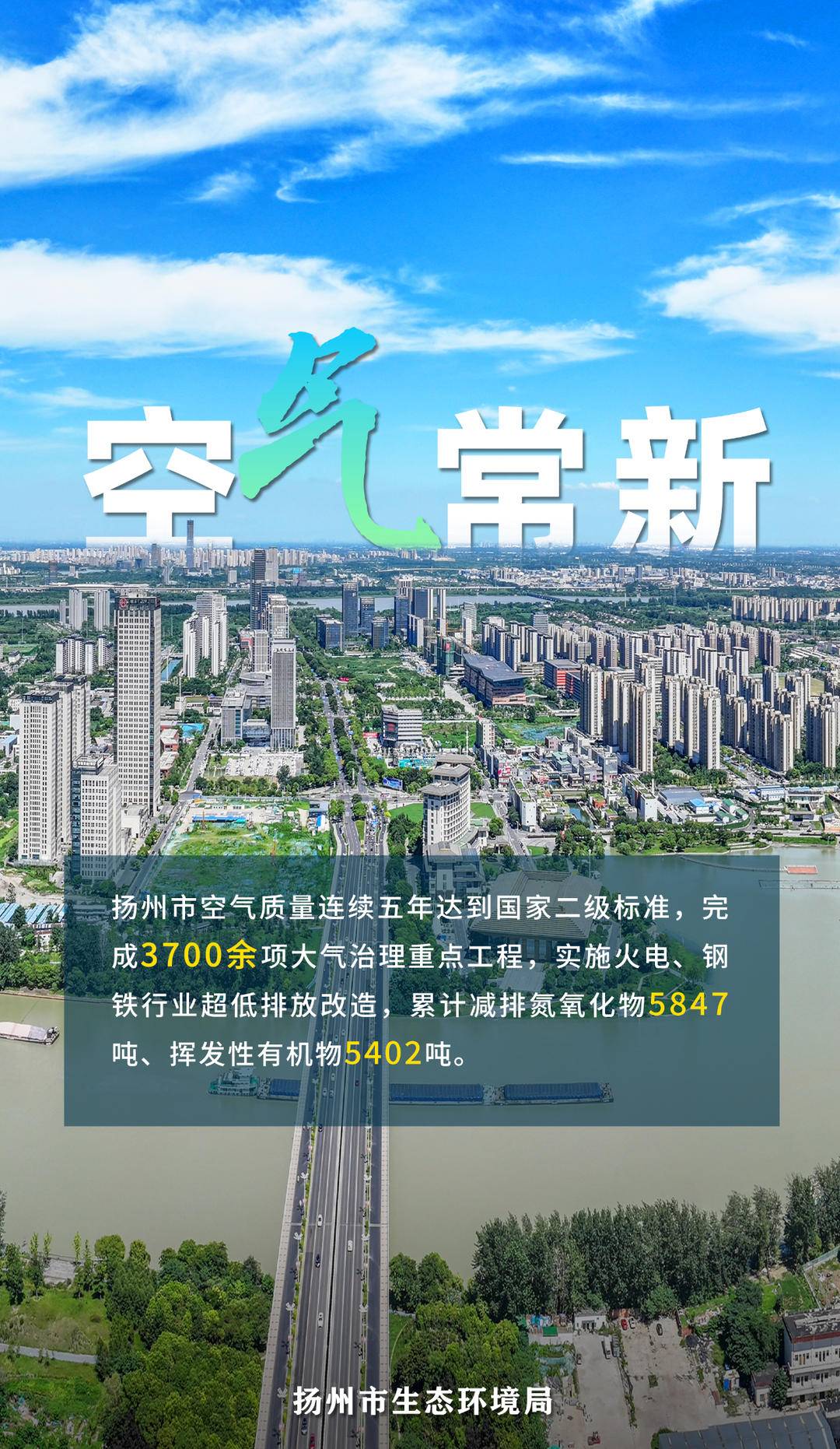
1月19日,扬州市生态环境局召开新闻发布会,发布"十四五"期间生态环境保护工作成效。数据显示,扬州市空气质量连续五年达到国家二级标准;国省 考断面优Ⅲ比例分别达93.3%、97.9%,较2020年分别提升15.5个、13.5个百分点,无劣Ⅴ类水体;生物多样性本底调查累计记录物种3677种,较2020年增 长约1.3倍,群众环境获得感、幸福感和安全感持续增强。 筑牢生态根基:三大保卫战成效显著 "十四五"期间,扬州市深入推进蓝天、碧水、净土三大保卫战,全方位夯实生态根基。 市生态环境局大气处负责人王彬:在大气治理方面,我们完成3700余项重点工程,淘汰国三及以下柴油货车2.3万辆,实施火电、钢铁行业超低排放改 造,淘汰小吨位燃煤及生物质锅炉,累计减排氮氧化物5847吨、挥发性有机物5402吨。 市生态环境局水处处长许正华:在水治理方面,我们制定重点断面"一断面一策"方案,邵伯湖心断面提升至Ⅲ类,17个断面达Ⅱ类标准,长江扬州段水质 连续8年保持Ⅱ类,芒稻河获评国家美丽河湖优秀案例。 市生态环境局土壤处处长陈晨:在土壤治理方面,我们对全市442个转为"一住两公"的地块完成土壤污染状况调查,安全利用率达100%;对 ...