
智能酿造

Search documents
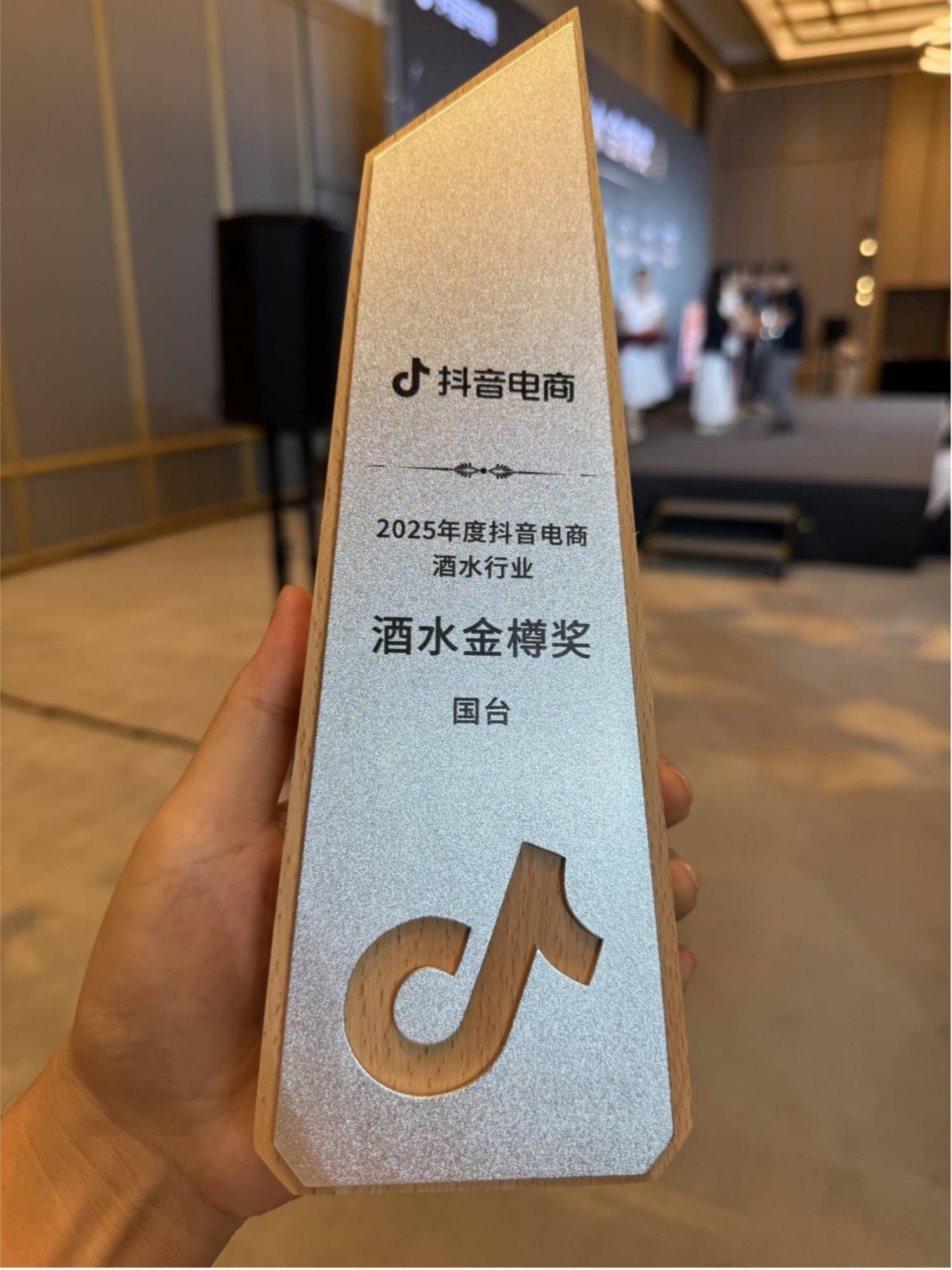
深耕兴趣电商见成效 国台斩获抖音年度大奖“酒水金樽奖”
Sou Hu Cai Jing· 2025-09-05 04:17
Core Insights - Guotai Liquor won the 2025 Douyin Annual Industry Award - the Liquor Golden Goblet Award, recognizing its outstanding performance in the Douyin e-commerce market and increasing brand influence [1][6] - The award is one of the highest honors established by Douyin e-commerce for the liquor category, aimed at acknowledging brands that have excelled on the platform over the past year [4] Company Strategy - Guotai Liquor has strategically embraced smart brewing and digital marketing to adapt to the evolving liquor consumption landscape, focusing on consumer engagement and innovative marketing practices [5][9] - The company is building a digital marketing platform to create a new model of digital operation across the entire industry and value chain, utilizing online channels for precise and interactive marketing [5][11] Market Performance - Guotai Liquor has consistently performed well on Douyin, ranking in the top 10 of the overall liquor category during the 2025 618 shopping festival, and achieving a 150% year-on-year sales increase on Tmall [6][8] - The brand has established itself as a significant player in online marketing within the liquor industry, leveraging Douyin's vibrant content ecosystem to connect with consumers [6][7] Consumer Engagement - The company employs a user-driven strategy, focusing on consumer needs and experiences through innovative practices, such as immersive live streaming and interactive marketing campaigns [8][9] - Guotai Liquor aims to deepen emotional connections with consumers, particularly younger demographics, by enhancing participation and engagement in its marketing activities [8][10] Future Plans - The company plans to continue its strategic partnership with Douyin e-commerce, exploring cultural IP co-creation, product customization, and digital collectibles to elevate its brand from a "traffic explosion" to a "cultural symbol" [10][12] - Guotai Liquor is set to enhance its marketing efforts during the Mid-Autumn Festival, utilizing a combination of content-focused events and influencer collaborations to strengthen its connection with young consumers [12]

白酒企业现金流半年考
Xin Lang Cai Jing· 2025-09-03 03:12
Core Insights - The cash flow performance of major liquor companies in the first half of 2025 shows significant divergence, with over 60% of companies experiencing a year-on-year decline in cash flow from operating activities, and many entering negative territory [1][5] - The cash flow gap between leading companies and smaller enterprises has widened, highlighting the importance of cash management during the industry's adjustment period [1][5] Cash Flow Defense - A clear "three-tier" distribution of cash flow is observed among the industry, with Wuliangye leading at 31.137 billion yuan, followed by Moutai at 13.119 billion yuan, together accounting for over 70% of the total cash flow of the sampled companies [3][4] - Several leading companies, such as Luzhou Laojiao and Shanxi Fenjiu, maintain positive cash flow in the range of 4-5 billion yuan, showcasing operational stability compared to smaller firms [5][6] - Many regional companies, including Kuaizi Jiao and Laobai Gan, report negative cash flow, indicating operational challenges [5][6] Profit and Cash Flow Choices - The unique operating model of liquor companies often results in substantial cash flow, but many firms are now showing negative cash flow despite positive net profits, indicating delayed cash collection or concentrated short-term expenditures [8][10] - For instance, Kuaizi Jiao reported a net profit of 9.47 billion yuan but a cash flow of -0.383 billion yuan due to reduced cash receipts from sales [8][11] Financial Management Trends - The tightening of cash flow is seen as a normal response to industry adjustments and intensified competition, with distributors facing greater challenges than manufacturers [6][14] - Increased cash dividends, such as those from Luzhou Laojiao and Jiu Gui Jiu, further pressure cash flow despite their profitability [6][10] Strategic Adjustments - Companies are focusing on cost control and operational efficiency to improve cash flow, with some reporting significant increases in cash flow due to reduced tax payments and lower sales and management expenses [16][20] - The industry is shifting towards digitalization and refined management practices to enhance cash flow and operational efficiency, with a focus on high-turnover products to mitigate cash flow issues [18][20] Future Outlook - The transition from high-leverage expansion to refined operations is expected to be a painful but necessary process for the industry, with cash management capabilities becoming a key competitive factor [18][20] - The overall cash flow situation is anticipated to stabilize as companies implement strategic measures in production, marketing, and distribution [20]




今世缘闪耀2025济南中酒展
Xin Lang Cai Jing· 2025-08-11 12:08
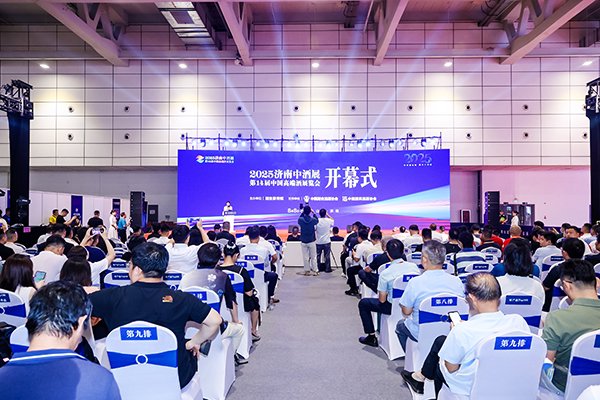
Core Insights - The company, Jinshiyuan Liquor, was awarded the title of "2025 Intelligent Brewing Lighthouse Enterprise" at the 2025 Jinan Wine Exhibition, highlighting its leadership in technological innovation within the industry [1][3] - The company's product, Guoyuan V3, received recognition as a "Star of Chinese Liquor," showcasing its quality and market appeal [1] - The company aims to become the most growth-oriented innovative enterprise in the Chinese liquor industry, guided by its mission of "brewing fine liquor and creating good relationships" [3] Company Development - Jinshiyuan Liquor was established in 1949 through the merger of eight brewing workshops, laying a solid foundation for its development [3] - The company went public on the Shanghai Stock Exchange in 2014, marking a new phase of capitalized growth [3] - In 2023, the company achieved revenue exceeding 100 billion yuan, indicating significant financial growth [3] Industry Context - The white liquor industry is currently experiencing a "new policy adaptation period, consumption structure transformation period, and intensified competition differentiation period," which presents both challenges and opportunities [3] - The next decade is anticipated to be a critical period of "great differentiation and great opportunities" for the industry [3] - The company emphasizes high-quality development and aims to leverage "relationship culture" to unify its development efforts [3]

破界之后,长三角酒业如何协同共生?
Sou Hu Cai Jing· 2025-06-25 07:12
Core Insights - The competitiveness of the Yangtze River Delta wine industry is fundamentally driven by the release of policy dividends, activation of geographical endowments, and the reconstruction of the industrial chain [12] Economic Overview - In 2024, the GDP of the Yangtze River Delta is projected to exceed 33 trillion yuan, contributing 25% of the national economic total with only 4% of the land [3] - The region accounts for approximately 17% of the national population and contributes about 30% to national economic growth [3] - In the first quarter of 2025, the GDP surpassed 8 trillion yuan, maintaining a strong position in the national economic landscape [3] Industry Performance - Anhui's liquor industry reported significant growth in 2024, with revenue from large enterprises reaching 37.58 billion yuan, a year-on-year increase of 9.2%, and total profits of 12.77 billion yuan, up 13.2% [4] - Jiangsu faced challenges with a 9.83% decline in liquor production and a 16.69% drop in profits, contrasting with the expansion of production capacity by major brands [4] - Zhejiang's yellow wine industry, which holds 57.02% of national production, has seen leading companies achieve growth through structural upgrades and market expansion [4] Challenges Faced - Shanghai's local brands are struggling, with Jin Feng Wine achieving a revenue of 578 million yuan, a mere 0.87% increase, while its net profit plummeted by 94.49% [5] - Shanghai Gui Jiu experienced an 82.54% revenue drop to 285 million yuan, resulting in a net loss of 217 million yuan due to issues like related party transactions and funding chain disruptions [5] - The overall industry faces challenges such as aging consumers in Zhejiang and insufficient penetration into younger markets [6] Strategic Insights - The integration strategy of the Yangtze River Delta aims to break down administrative barriers and inject new momentum into the wine industry [8] - The region's economic foundation and scale have fostered the rise of Su and Hui wines, with leading companies capturing over 60% of their respective provincial markets [7] - Experts suggest that the wine industry must shift from provincial strategies to a more integrated approach, leveraging the strengths of the entire region [10] Future Opportunities - The Yangtze River Delta's one-integration strategy presents a historic opportunity for the wine industry, emphasizing the need for collaboration and resource sharing among provinces [9] - Initiatives include establishing a smart brewing innovation chain, promoting integrated cultural tourism, and developing new green consumption scenarios [9] - The region's unique economic and demographic characteristics create a fertile ground for high-end consumption, with significant potential for growth in premium wine markets [8]





古贝春系列通讯之一:从7人酿酒小组到北派浓、酱标杆的创业史诗
Qi Lu Wan Bao· 2025-05-21 09:05
Core Insights - The article chronicles the history and development of Gubeichun Group, highlighting its transformation from a small brewing team in 1952 to a leading liquor enterprise in Shandong Province, known for its significant contributions to local taxation and the liquor industry [1][22]. Historical Background - The brewing history of Wucheng County dates back over 3,000 years, with notable mentions in historical texts indicating its significance in ancient Chinese liquor production [2]. - Wucheng was recognized for its quality liquor as early as the Western Han Dynasty, with artifacts confirming its historical prominence in the liquor industry [2]. Development Milestones - The establishment of the state-owned Wucheng Distillery in 1958 marked a significant milestone, evolving from a small group of seven brewers to a recognized enterprise [1][6]. - The distillery faced numerous challenges, including natural disasters and resource shortages, which led to innovative approaches in brewing using alternative raw materials [8][9]. Technological Advancements - Key technological breakthroughs occurred in the 1960s and 1970s, including the introduction of the "three-step temperature control method" and the "five-grain steaming and distillation" process, which enhanced product quality and production efficiency [9][11]. - By 1980, the distillery modernized its production methods, resulting in a 60% increase in production efficiency and a 40% reduction in labor intensity [11]. Brand Development - The launch of the "Gubeichun" brand in 1978 was met with immediate market success, leading to significant sales growth and recognition in national quality competitions [12][13]. - The brand expanded its reach, with products distributed across 21 provinces and notable establishments, solidifying its reputation as a prominent liquor brand in China [13]. Cultural Integration - The collaboration with cultural figures, such as the famous comedian Ma Ji, helped elevate the brand's profile and connect it with broader cultural narratives [14][17]. - Gubeichun's traditional brewing techniques were recognized as part of Shandong's intangible cultural heritage in 2016, further enhancing its cultural significance [17]. Modern Innovations - Recent investments in automation and smart brewing technologies have led to significant improvements in production efficiency and product quality, with the introduction of customized grain varieties enhancing the flavor profile of the liquor [18][19]. - As of September 2024, Gubeichun reported a 10.53% increase in sales revenue, with its brand value rising from 5.63 billion yuan in 2015 to 22.377 billion yuan [19][22]. Future Outlook - Gubeichun aims to continue its legacy of innovation and quality, positioning itself as a century-old enterprise while maintaining its roots in traditional brewing practices [22].

第四届中国酒业智能制造科技发展大会在泸州举行
Zheng Quan Ri Bao Wang· 2025-03-30 13:44
Group 1 - The 4th China Alcohol Industry Intelligent Manufacturing Technology Development Conference was held in Luzhou, focusing on providing new ideas and methods for the digital transformation of the alcohol industry [1] - The conference has become an important platform for global enterprises to exchange cutting-edge technologies and innovate results, with Luzhou leading in technological innovation within the province [1] - The conference aims to create a collaborative ecosystem for intelligent brewing and share new opportunities for global alcohol industry development [1] Group 2 - Intelligent manufacturing is bringing comprehensive changes to the alcohol industry, including quality improvement, cost reduction, flexible production, and ecological collaboration [2] - The alcohol industry carries a rich cultural heritage and is tasked with the mission of innovation, requiring deep integration of production, education, and research to overcome technical bottlenecks and cultivate professional talent [2] - Representatives from major companies shared their practices in digitalization and intelligence, providing an important communication platform for alcohol enterprises and various companies in the industry chain [2]