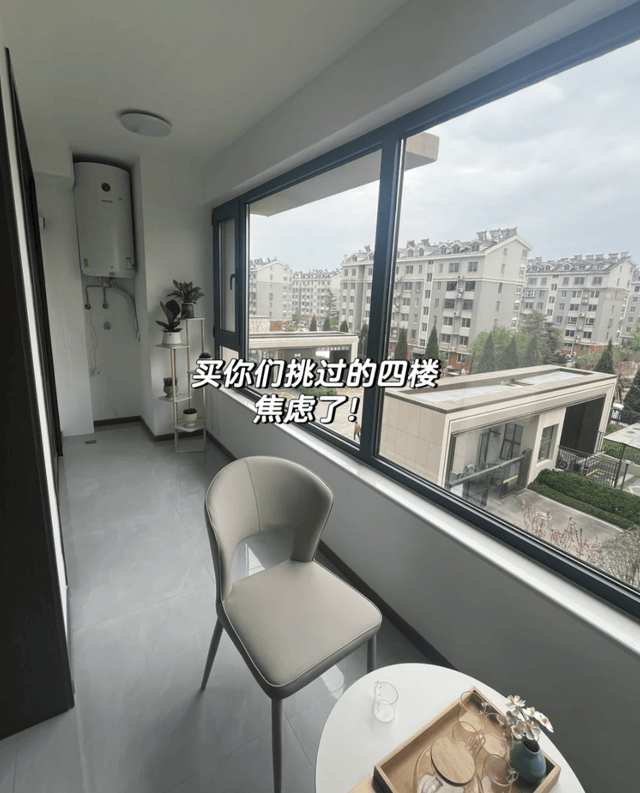
楼层选择

Search documents
4楼、13楼、14楼、18楼不能买?都错了!真正不能买的应是这3个楼层
Sou Hu Cai Jing· 2025-09-17 15:09
Core Viewpoint - The article discusses the misconceptions surrounding floor selection in real estate, emphasizing that practical factors such as lighting, noise, and temperature should be prioritized over superstitions related to certain floor numbers [1][3][6]. Summary by Sections Superstitions and Misconceptions - Many buyers avoid certain floors like the 4th, 13th, 14th, and 18th due to cultural superstitions, but these beliefs lack scientific backing [1][3]. - The 4th floor is often avoided due to its association with death in Chinese culture, yet it is typically 5%-8% cheaper than other floors, making it a cost-effective choice [1][3]. - The 13th floor has a higher turnover rate in the second-hand market, exceeding the average by approximately 6.3%, indicating that superstitions do not significantly impact actual transactions [3]. Practical Considerations for Floor Selection - The article identifies three main types of floors to avoid based on practical issues: 1. **Poor Lighting**: Low floors (1-3) often suffer from inadequate natural light due to surrounding buildings, with an average reduction of 2-3 hours of sunlight compared to higher floors [4]. 2. **High Noise Levels**: Floors below the 6th level near main roads or commercial areas experience noise levels exceeding 50 decibels, which is above recommended health standards [4]. 3. **Top Floors**: While they offer good views, top floors incur higher heating costs (15%-20% more in winter) and have a 2.8 times higher likelihood of water leakage issues compared to other floors [4]. Recommendations for Buyers - Buyers should focus on practical aspects such as usability and comfort rather than unfounded superstitions [6][8]. - Families with elderly members or children may prefer lower floors for easier access, while those seeking quiet should consider mid to high floors [6]. - The availability of elevators is crucial; a low number of elevators for a high number of residents can lead to long wait times, negatively impacting resident satisfaction [8]. - Ultimately, the article suggests that the comfort and happiness of living in a home are determined by practical living conditions rather than floor numbers [8].

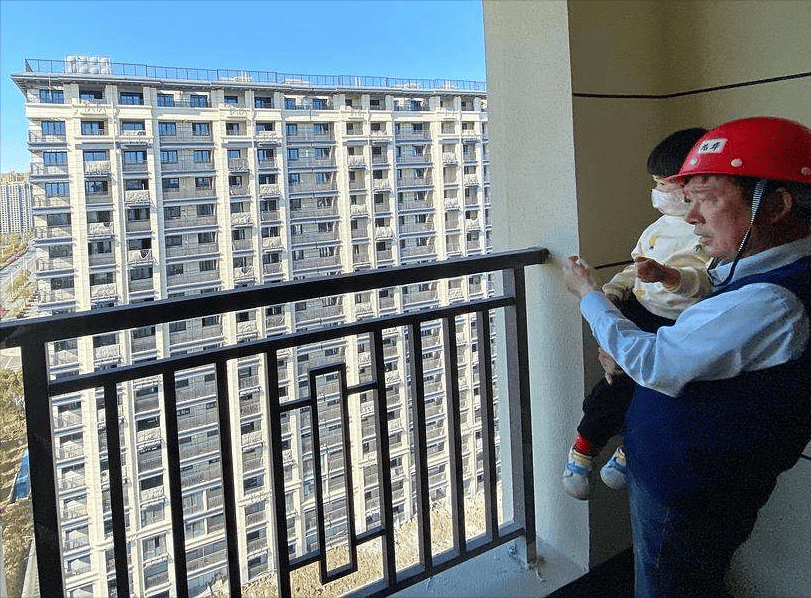
“人穷买顶楼、人傻买一楼”?那到底什么楼层最好?内行:看完不会选错
Sou Hu Cai Jing· 2025-09-15 21:00
Core Viewpoint - The article discusses the complexities and considerations involved in choosing the right floor when purchasing a property, challenging the common sayings about floor preferences in the real estate market [2][16]. Group 1: Floor Selection Insights - The choice of floor is influenced by various factors including life stages, family structure, economic strength, and personal habits [2]. - The saying "poor people buy the top floor, foolish people buy the first floor" is examined, suggesting that it oversimplifies the decision-making process [2][16]. Group 2: First Floor Advantages and Disadvantages - The first floor offers convenience, especially for families with elderly or disabled members, with 65% of such families opting for this level [3]. - However, safety concerns are significant, with first-floor residents facing a burglary risk three times higher than those on higher floors [3]. Group 3: Middle Floor Characteristics - Middle floors are considered the "golden floor" due to their balanced light and ventilation, with properties on these floors showing an average appreciation rate 0.8 percentage points higher than first and top floors [4]. - They also have lower noise levels and higher safety compared to lower and upper floors [4]. Group 4: Top Floor Benefits and Challenges - Top floors provide excellent views and natural light, with a 23% higher satisfaction rate among residents compared to other floors [5]. - However, they face challenges such as higher temperatures in summer (3-5°C warmer) and a 25% increase in air conditioning costs compared to middle floors [5]. Group 5: Tailored Floor Choices for Different Demographics - Young singles or newlyweds may prefer top floors for their views, with 42% of buyers under 30 choosing this option [6]. - Families with elderly or children are advised to consider lower floors (2nd to 4th) for safety and convenience, with 70% of families with seniors opting for floors below six [6]. Group 6: Additional Factors Influencing Floor Choice - The overall environment of the community, including green space and amenities, significantly impacts living comfort [9]. - The orientation of the property also plays a role, with south-north facing units typically commanding a 10-15% price premium [10]. Group 7: Technological Advancements Mitigating Floor Issues - Advances in construction technology are addressing traditional floor disadvantages, such as improved waterproofing and insulation materials [11]. - By mid-2025, 85% of new properties are expected to use advanced waterproof materials, reducing leak risks for top floors [11]. Group 8: Health and Personalization in Floor Selection - Higher floors generally offer better air quality, with PM2.5 levels 20% lower at heights above 30 meters compared to ground level [12]. - Personalized needs, such as accessibility for medical reasons or noise considerations, can further influence floor choice [12]. Group 9: Investment Perspectives on Floor Value - Investment potential varies by floor, with middle floors typically showing the greatest appreciation during stable market conditions, while top floors may see higher increases during market upswings [13]. Group 10: Developer Pricing Strategies - Developers often set different price coefficients for various floors, with middle floors usually priced the highest [14]. - Long-term homeowners should prioritize living experience over short-term price fluctuations, while investors may focus on future resale values [14]. Group 11: Emerging Trends in Floor Value - Scenic views and green spaces are becoming increasingly important in floor selection, with properties overlooking parks or lakes commanding higher prices [15]. - The trend of incorporating green features, such as sky gardens, is on the rise, with 42% of new properties featuring such designs by mid-2025 [15].
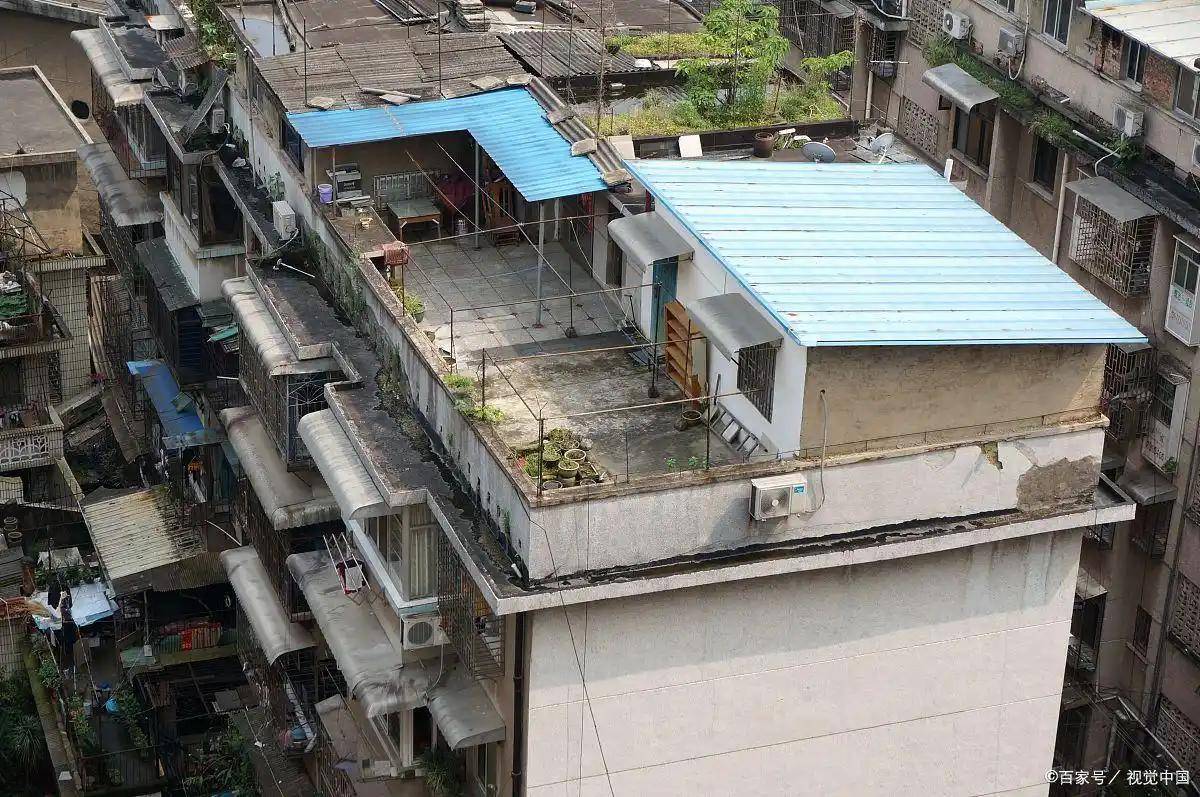
4、8、14、18层不能买?很多人都搞错了,真正不能买的是这“4层”?
Sou Hu Cai Jing· 2025-09-14 10:02
Core Viewpoint - The article discusses the impact of superstitions on floor selection in real estate, highlighting that while certain floors are avoided due to cultural beliefs, practical considerations often reveal that these floors can offer better living conditions and investment opportunities [1][18]. Summary by Sections Superstitions and Market Impact - Common superstitions regarding floor numbers, such as the avoidance of the 4th, 14th, and 18th floors, lead to slower sales and price reductions in certain areas [1][2]. - In regions with strong superstitious beliefs, the transaction cycle for the 4th, 14th, and 18th floors can be 15-25% longer, with prices potentially 2% lower compared to other floors [1]. Practical Considerations for Floor Selection - **Bottom Floors (1-3)**: - Noise complaints are 60% higher among residents on these floors compared to higher floors [4]. - Issues include poor lighting, security risks, and humidity problems, particularly in southern cities [4][6]. - **Top Floors**: - Experience extreme heat in summer, leading to 50-100% higher air conditioning costs [6]. - Face challenges such as poor insulation in winter and potential water leakage [8]. - **Equipment Floors**: - Located just below the top floor, these often have significant noise disturbances from mechanical equipment, with noise levels 15-20 decibels higher than regular floors [9]. - **Dust Accumulation Floors (5-8 or 9-11)**: - These floors may experience higher levels of air pollution and noise due to their height, which can be problematic for residents with respiratory issues [10]. Rational Floor Choices - The 4th floor is often ideal, avoiding the issues of lower floors while maintaining good lighting and ventilation, often at a lower price [10]. - The 14th floor can be a "golden floor" in many buildings, offering excellent views and air quality, often overlooked due to superstition [11]. - The 18th floor can also be a favorable choice, especially in buildings with more than 25 floors, as it may carry positive connotations in some cultures [12]. Investment and Future Considerations - The "golden floors" typically range from 1/3 to 2/3 of the total building height, balancing the advantages of height with the disadvantages of lower and upper extremes [12]. - Properties on these floors tend to appreciate 8-15% more than lower floors and 5% more than top floors, reflecting their superior living conditions [12]. - Factors such as family structure, surrounding environment, and personal preferences should be considered when selecting a floor [13][14]. Conclusion - The article emphasizes the importance of rational decision-making in floor selection, urging buyers to focus on practical living conditions rather than superstitions [18][19].
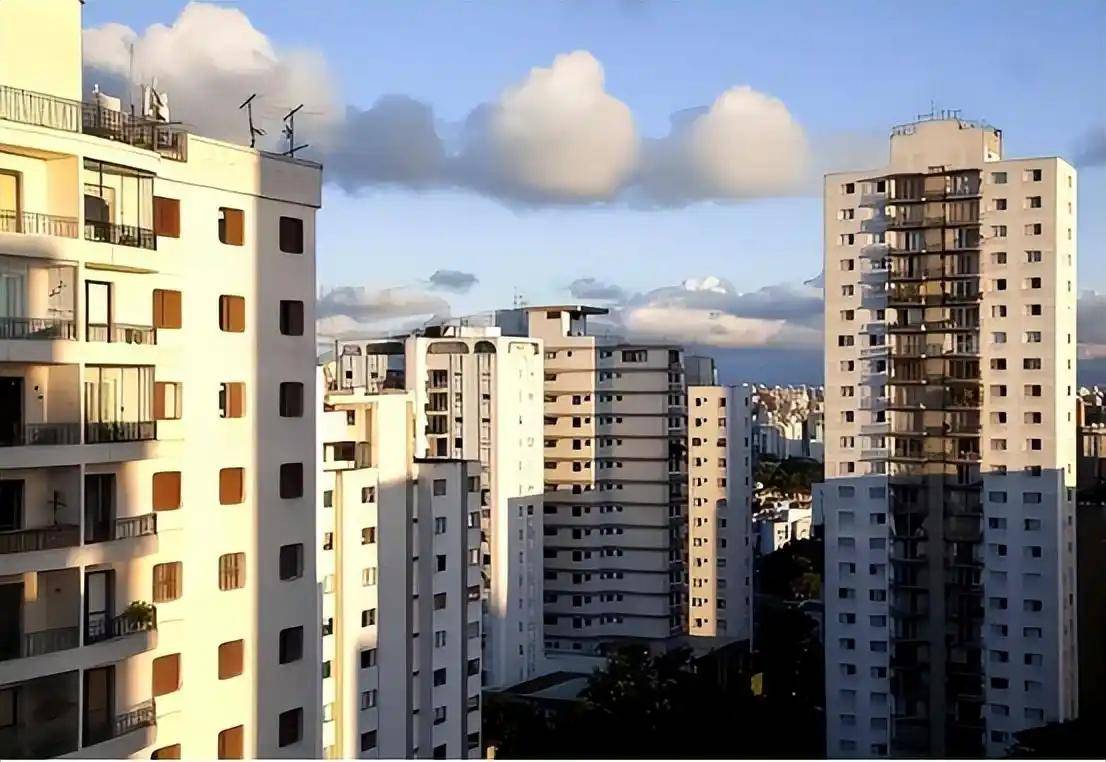
4楼、13楼、14楼、18楼不能入手?错了,其实不建议入手以下这3层?
Sou Hu Cai Jing· 2025-09-11 04:39
Core Insights - The article discusses the complexities and realities behind floor selection in real estate, highlighting the clash between traditional beliefs and rational purchasing decisions [2][22] - It emphasizes that the perceived "sensitive floors" like the 4th, 13th, 14th, and 18th floors are not significantly declining in sales, as they attract cost-conscious buyers [2][15] - The article suggests that actual living conditions and practical factors should take precedence over superstitions when choosing a floor [3][16] Group 1: Sensitivity to Floor Numbers - Many buyers still hold superstitions regarding certain floor numbers, with 4th floor associated with "death" and 13th and 14th floors considered unlucky [2] - Data shows that in 2024, the sales proportion of these "sensitive floors" did not decline significantly, indicating a shift towards rational decision-making among younger buyers [2][15] - A survey revealed that only 23% of buyers under 30 would avoid purchasing based on floor numbers, compared to 67% of those over 50 [2][15] Group 2: Practical Living Conditions - The article identifies the first floor as having issues with lighting, humidity, and security, with a 42% share of residential burglary cases occurring on this floor [4][8] - The top floor faces challenges such as extreme temperatures and water leakage, with summer air conditioning costs being 500-800 yuan higher than mid-level floors [6][9] - Noise disturbances from equipment layers and nearby facilities are often overlooked by buyers, affecting their living experience [10] Group 3: Ideal Floor Selection - The article suggests that the ideal floor range is typically between 1/3 to 2/3 of the total building height, with the 6th to 12th floors being optimal for light and ventilation [11] - A survey of 500 homeowners indicated that those living on the 8th to 12th floors reported a satisfaction rate of 87% [11] - Factors such as family needs, orientation of the unit, and community environment should also influence floor selection [12][13][14] Group 4: Investment Perspective - "Sensitive floors" can present investment opportunities due to their lower purchase prices, leading to higher rental yields [15][20] - Younger generations are increasingly prioritizing practicality and cost-effectiveness over traditional superstitions regarding floor numbers [15] - Developers are adjusting pricing strategies, offering incentives rather than significant discounts on "sensitive floors" [15][20] Group 5: Rational Buying Recommendations - Buyers are encouraged to focus on practical living factors such as light, ventilation, and noise rather than superstitions [16][17] - Conducting thorough inspections and considering the overall environment and amenities is crucial for making informed decisions [16][17] - The article concludes that the essence of a good living experience lies in the quality of the property and its surroundings, rather than the numerology associated with floor levels [22]
4楼、8楼、14楼、18楼层不能买?很多人都错了,真正不能买的是这4层
Sou Hu Cai Jing· 2025-09-10 21:00
Core Insights - The article discusses the influence of traditional numerology on housing decisions in China, highlighting the tension between cultural beliefs and practical considerations in floor selection [1][2]. Group 1: Cultural Influence on Housing Decisions - A significant 42.6% of homebuyers still consider numerology when choosing floors, an increase from 38.3% in 2020, indicating the persistent impact of cultural beliefs [2]. - Despite the influence of numerology, practical factors such as lighting and ventilation are prioritized by 76.5% of buyers, showing a shift towards more rational decision-making [2]. Group 2: Practical Considerations for Floor Selection - Ground floors face safety, humidity, and privacy challenges, with burglary rates 2.3 times higher than other floors, and issues like mold and insect infestations prevalent [3][4]. - Top floors experience higher temperatures, with an average increase of 4.2°C compared to mid-level floors, and a 15.3% leak rate for roofs over 15 years old [6][8]. - Elevator mid-stopping floors are often noisier due to high foot traffic, with 85% of buildings over 30 stories incorporating these stops [8][10]. - Street-facing floors (typically 3-9) are significantly affected by noise pollution, averaging 52 decibels, exceeding WHO recommendations [10][11]. Group 3: Misunderstood Floor Numbers - Floors like 4, 8, 14, and 18 are often misjudged due to cultural beliefs, but from a practical standpoint, they can offer good living conditions [12][13]. - The 4th floor is practical for safety and escape, while the 8th floor balances height and risk avoidance [12][13]. - The 14th floor provides good views and less noise, and the 18th floor is comparable to others in terms of living experience [12][13]. Group 4: Guidelines for Rational Floor Selection - Factors such as family composition, building quality, surrounding environment, and personal budget should guide floor selection [14][15]. - The average height of urban residential buildings has increased to 18.6 stories by 2025, emphasizing the need for informed choices in a high-rise living context [16].
这4个楼层,内行人抢着要,买房三条铁律,比楼层更重要
Sou Hu Cai Jing· 2025-07-11 00:12
Core Insights - The article discusses the strategic selection of floors in real estate, highlighting how certain floors are perceived as more desirable due to various factors such as views, comfort, and cultural significance [2][5][6]. Floor Selection Insights - The "Phoenix Floor" (one floor below the top) is favored for its excellent views and privacy while avoiding issues like leaks and temperature extremes, making it a popular choice among investors [5]. - The "Golden Floor" (around the 20th floor in a 30-story building) is recognized as the best option for its balance of views and comfort, while also being associated with positive feng shui, leading to stable property prices and active transactions [5]. - The sixth floor, known as "Six Six Smooth," is preferred for its accessibility and pleasant views, making it suitable for families with elderly or young children [6]. - The eighth floor, referred to as "Prosperity," is in high demand and typically commands higher prices due to its favorable numerology [5]. - The ninth floor symbolizes nobility and offers good lighting and ventilation, while the seventh floor balances safety and light [6]. Additional Factors Influencing Real Estate Value - Location is paramount; purchasing older properties in city centers is often more advantageous than buying new developments in suburban areas [9]. - The quality of developers and property management significantly impacts property value, with good management enhancing value and poor management detracting from it [9]. - The availability of essential amenities should be assessed based on current conditions rather than future plans to ensure convenience [9]. Conclusion - It is crucial for buyers to make informed decisions based on personal circumstances rather than following trends, emphasizing the importance of comfort in living spaces [11].
为啥不建议买“1楼、2楼和顶楼”?内行人分析原因,原来真的有猫腻!
Sou Hu Cai Jing· 2025-07-02 06:28
Core Viewpoint - The article discusses the reasons why purchasing properties on the first, second, and top floors is generally discouraged, highlighting various disadvantages associated with these levels [1][13]. Group 1: First Floor - The first floor offers easy access but suffers from significant drawbacks such as noise and dust intrusion, which negatively impact living comfort [1][3]. - Safety concerns are heightened on the first floor, making it more susceptible to theft and other criminal activities [1][3]. - Additional issues include poor lighting, limited views, inadequate ventilation, and a lack of privacy, leading to a less desirable living environment [3][4]. Group 2: Second Floor - The second floor is also convenient for access, especially for families with elderly members or young children, and is generally more affordable [6]. - However, it shares many of the same disadvantages as the first floor, including potential noise and dust issues, albeit to a lesser extent [6]. - A significant concern for the second floor is the plumbing system, as it lacks independent drainage, making it prone to blockages and related problems [6]. Group 3: Top Floor - The top floor provides excellent views and natural light but is prone to overheating in summer due to direct sunlight exposure [8][9]. - Water leakage is a critical issue for top-floor apartments, as even modern construction techniques cannot completely eliminate this risk over time [9]. - A unique advantage of top-floor units with loft designs is that they can mitigate some of the disadvantages, such as heat and water issues, while enhancing living space [11].

宁买4楼、18楼,也不要买这“5个楼层”,它们的缺点让人接受不了
Sou Hu Cai Jing· 2025-06-27 21:59
Core Viewpoint - The article emphasizes the importance of avoiding certain floors in residential buildings due to various inherent issues that can affect living conditions and future resale value. Group 1: Floors to Avoid - Low floors that are blocked by surrounding buildings or trees can lead to insufficient sunlight, resulting in dampness and mold issues [6][8] - The second floor is prone to sewage backflow problems, which can cause significant damage and unpleasant odors [12][16] - The "steel beam floor" often has structural vulnerabilities due to construction practices, leading to potential water leakage and safety concerns [18][20] - The "waistline floor" can obstruct views and reduce natural light, while also being prone to water accumulation and debris [21][23] - Equipment floors house machinery that can create noise and temperature issues, impacting comfort and potentially health [25][27] Group 2: Favorable Floors - The fourth floor is considered auspicious and offers good living conditions, including better light and ventilation compared to lower floors [29][31] - The eighteenth floor is highlighted as a premium choice, providing unobstructed views and reduced noise from the ground level [33] Conclusion - Understanding the drawbacks of certain floors is crucial for potential buyers, as these issues can significantly impact living quality and property resale value [34]
别再被忽悠!真正不能买的,不是4楼14楼,而是这“5个”楼层!
Sou Hu Cai Jing· 2025-06-19 04:18
Core Viewpoint - The article emphasizes the importance of carefully selecting floors when purchasing a property, highlighting five specific types of floors that should be avoided despite their potentially lower prices [1]. Group 1: Types of Floors to Avoid - **Top Floor without Terrace**: The top floor can lead to extreme temperature variations, resulting in significantly higher energy costs, potentially doubling monthly electricity bills compared to other floors [5]. - **Floors Adjacent to Garage**: These floors are subject to constant noise from vehicles, which can severely disrupt sleep quality and overall health [6]. - **Floors Next to Equipment Rooms**: Proximity to equipment rooms can expose residents to continuous noise and vibrations from machinery, negatively impacting mental focus and health [7]. Group 2: Additional Concerns - **Waistline Floors**: Decorative waistline designs can obstruct light and ventilation, leading to damp and dark living conditions, while also accumulating dust and bacteria that pose health risks [9]. - **Second Floor (Flooding Risk)**: The second floor often bears the burden of the building's drainage system. Without independent drainage, issues can lead to unpleasant sewage backflow, compromising living conditions and health [13].
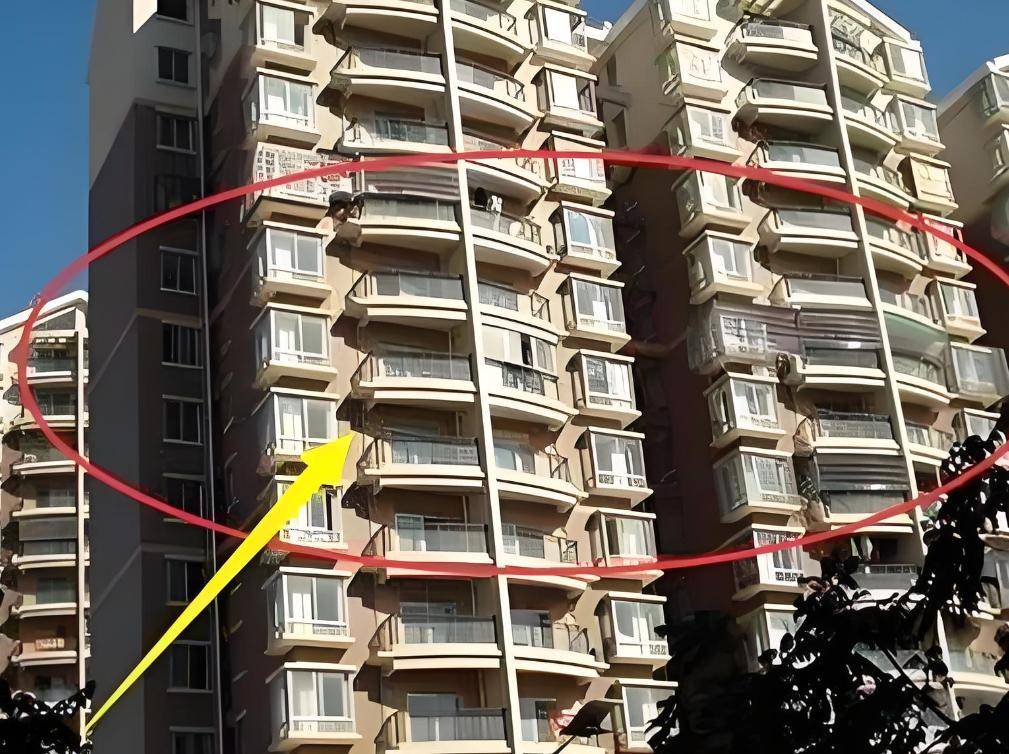
4楼、14楼大胆买,真正不能买的是这3个楼层,很多人买就后悔了
Sou Hu Cai Jing· 2025-06-17 22:05
Group 1 - The article discusses the advantages of living on the 4th floor, including auspicious meanings, convenience for going up and down, and better living conditions compared to lower floors [3][5][7] - The 14th floor is perceived as a "wealthy floor" by business people, with positive connotations and better living experiences due to its height and reduced noise [9][11] Group 2 - The article highlights the disadvantages of certain floors, such as the water leakage issues associated with the steel beam layer and old top floors, which can lead to significant maintenance problems [13][15] - Low floors adjacent to busy roads and equipment floors suffer from severe noise pollution, negatively impacting residents' quality of life [17][19] - The first floor without a yard and waistline floors are criticized for poor lighting and ventilation, leading to a decline in living experience and property value [21][22] Conclusion - The article concludes that while the 4th and 14th floors are often considered unlucky, the real concerns lie with floors prone to water leakage, noise issues, and poor lighting, which can significantly affect property value and living conditions [24]