住宅房地产

Search documents
Arcellx Investor Alert: Kahn Swick & Foti, LLC Investigates Adequacy of Price and Process in Proposed Sale of Arcellx, Inc. - ACLX
Businesswire· 2026-02-24 00:21
Core Viewpoint - Kahn Swick & Foti, LLC is investigating the proposed sale of Arcellx, Inc. to Gilead Sciences, Inc. to assess the adequacy of the price and process involved in the transaction [1] Group 1: Proposed Transaction Details - Under the terms of the proposed sale, shareholders of Arcellx will receive $115.00 per share in cash, along with one contingent value right of $5.00 per share contingent on achieving certain milestones [1] - The investigation aims to determine whether the proposed consideration undervalues Arcellx and if the process leading to this valuation was adequate [1] Group 2: Legal Rights and Actions - Shareholders who believe the transaction undervalues the company are encouraged to discuss their legal rights with Kahn Swick & Foti, LLC [1] - The transaction is structured as a tender offer, indicating that timing may be critical for shareholders [1]



ATO数据公布:67%的外资澳洲住宅,来自中国
Sou Hu Cai Jing· 2026-01-16 07:37
Group 1 - The data released by the Australian Taxation Office (ATO) indicates that approximately 67% of residential properties registered as "foreign-owned" in Australia are associated with Chinese buyers [2][4] - The statistics are derived from the ATO's Foreign Ownership of Australian Assets Register, covering newly acquired properties held over the past eight years, not a complete list of all foreign-owned properties [4] - The majority of foreign buyers are concentrated in Victoria, with 16,929 properties (over 40% of the total) [4][6] Group 2 - From July 1, 2016, to June 30, 2024, properties still held by foreign interests include 23,550 from mainland China and 3,486 from Hong Kong [5] - The data shows that foreign buyers primarily purchase new homes (23,147 units) rather than existing homes (8,463 units), with policies now largely prohibiting foreign purchases of second-hand residential properties [8][9] - Foreign buyers account for only about 0.8% of residential transactions in Australia, indicating that over 99% of properties are purchased by local Australians [9] Group 3 - Industry experts predict that housing shortages in Australia will persist at least until 2030, with the Australian dollar remaining relatively weak [10] - Australia is viewed as a country with transparent laws, secure property rights, and a low risk of geopolitical conflict, making it attractive to foreign investors [10]
新加坡住宅销量创多年新高
Xin Lang Cai Jing· 2026-01-15 04:46
Core Insights - Despite December being a typically slow season for property transactions, Singapore's new residential sales for 2025 have reached the highest level in many years [1][3] - The Urban Redevelopment Authority reported that new private residential sales in December amounted to 197 units, suggesting that total sales for 2025 could exceed 10,700 units, significantly higher than 6,469 units in 2024 and approaching the peak of 13,027 units seen in 2021 during the pandemic [1][3] - The Singapore government has implemented measures to cool the housing market, including one of the highest stamp duty rates globally for foreign buyers in 2023, and further tightening in 2024 to curb speculative buying [1][3] - Despite these measures, local buyers and high-net-worth immigrants continue to show strong demand, supported by low borrowing costs, which may influence calls from real estate agents for a relaxation of property regulations in the upcoming budget announcement [1][3] Price Trends - Preliminary estimates indicate that residential prices in Singapore are expected to rise by 3.4% in 2025, marking the ninth consecutive year of price increases, although the growth rate has slightly slowed [2][4] - Final data on residential prices and sales for 2025 will be officially released next Friday [2][4]
Home prices are getting slightly more affordable, but down payments are still holding buyers back
CNBC· 2025-12-30 15:35
Core Insights - The current housing market is showing improved affordability for homebuyers due to lower mortgage rates, easing home prices, and increased supply [1] Group 1: Home Prices - National home prices are essentially flat compared to a year ago, with a slight increase of 0.3% year over year [2] - The S&P CoreLogic Case-Shiller home price index indicates significant disparities among metropolitan markets, with cities like Chicago, New York, and Cleveland experiencing the largest gains, while Tampa, Phoenix, and Dallas saw the biggest losses [3] - National home prices are lagging behind consumer inflation, with October's CPI estimated at 3.1%, leading to a slight decline in inflation-adjusted home values over the past year [4] Group 2: Mortgage Rates - The average rate for a 30-year fixed mortgage has decreased to 6.19%, down from over 7% at the beginning of the year, resulting in substantial savings for homebuyers [5] - For a buyer putting down 20% on a $410,000 home, the monthly payment is currently $200 less than it was a year ago, indicating that lower rates and prices are making homes more affordable for first-time buyers [5]

中指研究院:2025年1-10月全国20城120-144平方米住宅成交套数占比提升
智通财经网· 2025-11-24 23:52
Core Insights - The report from the China Index Academy indicates a significant shift in the sales structure of residential properties in 30 representative cities from January to October 2025 compared to the same period in 2024, with notable increases in the sales proportion of larger residential units [1] Group 1: Sales Proportion Changes - In 20 out of 30 cities, the sales proportion of residential units sized between 120-144 square meters has increased, with cities like Shanghai, Changsha, and Nanchang showing particularly notable growth [1] - 22 cities have seen an increase in the sales proportion of units larger than 144 square meters, with Hefei, Ningbo, and Wuxi experiencing increases exceeding 6 percentage points [1] Group 2: Beijing Sales Structure - In Beijing, the sales of units below 90 square meters accounted for 22.3% of total sales, a decrease of 4.0 percentage points from 2024, while units sized between 90-200 square meters made up 71.2%, an increase of 4.5 percentage points [5] - The proportion of total sales for properties priced below 5 million yuan decreased to 39.5%, down 3.6 percentage points, while properties priced above 10 million yuan increased to 20.4%, up 5.1 percentage points [5] Group 3: Hangzhou Sales Structure - In Hangzhou, units below 90 square meters accounted for 7.7% of total sales, while units sized between 90-200 square meters represented 83.5%, a decrease of 2.0 percentage points [9] - The sales proportion of properties priced below 4 million yuan increased to 55.3%, up 0.8 percentage points, while those priced between 400-800 million yuan decreased to 33.1%, down 1.5 percentage points [9] Group 4: Foshan Sales Structure - In Foshan, units below 90 square meters accounted for 18.1% of total sales, a decrease of 3.8 percentage points, while units sized between 90-200 square meters represented 77.1%, an increase of 2.4 percentage points [13] - The proportion of properties priced below 2 million yuan increased to 70.7%, up 2.9 percentage points, while those priced above 3 million yuan decreased to 12.5% [13]

香港差估署:今年9月私人住宅落成量1004伙 环比上升约69.6%
Zhi Tong Cai Jing· 2025-11-06 07:24
Core Insights - The private residential completion volume in Hong Kong saw a significant increase in September, reaching 1,004 units, up approximately 69.6% from 592 units in August [1] - The majority of completions in September were in the Kowloon district, with 548 units, while the New Territories recorded 450 units, both breaking the "zero completions" status seen in August. The Hong Kong Island area had only 6 completions, a drastic decrease of 99% month-on-month [1] Summary by Category Completion Volume - For the first nine months of the year, a total of 13,354 private residential units were completed, representing a 22.3% increase compared to 10,921 units in the same period last year. This figure is approximately 64% of the annual target of 20,862 units, compared to 49% achieved in the same period last year [1] District Analysis - Kowloon district accounted for the highest completion volume with 8,105 units, a significant increase of about 65.3% from 4,902 units year-on-year. The Hong Kong Island recorded 2,457 units, a fivefold increase year-on-year, while the New Territories saw a notable decline of approximately 50.2%, with only 2,792 units completed compared to 5,610 units last year [1] Unit Size Analysis - The most completed units were those with a usable area of 431 square feet or less, totaling 7,113 units, which is a 16.3% increase from 6,119 units year-on-year. The mid-sized units, ranging from 431 to 752 square feet, also saw an increase, with 4,431 units completed, up approximately 18.8% from the previous year [1] - The largest increase in completion volume was observed in medium-sized units (753 to 1,075 square feet), with 1,155 units completed, marking a substantial increase of about 2.9 times year-on-year. Conversely, large units (1,076 to 1,721 square feet) experienced a decline, with 521 units completed, down approximately 17.7% from the previous year [2]
楼层不管多少层,有3类楼层属于黄金楼层,需知晓
Sou Hu Cai Jing· 2025-11-01 03:56
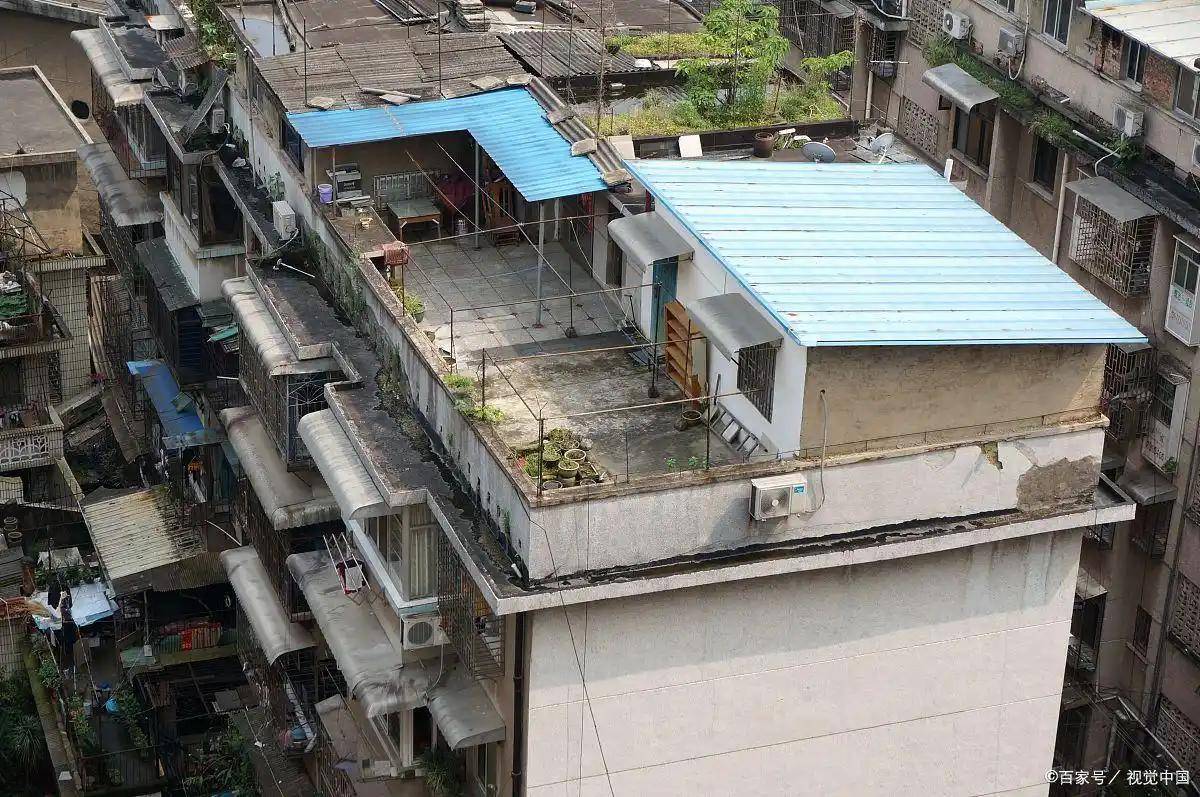
Core Viewpoint - The article discusses the concept of "golden floors" in residential buildings, emphasizing that the ideal floor choice varies based on individual family needs and preferences, rather than a one-size-fits-all approach. Group 1: Middle Floors - Middle floors are often considered the "golden floors" due to their balance of light, ventilation, noise reduction, safety, and convenience [2][4][5] - They provide good lighting and ventilation, avoiding issues of low floors being blocked by surrounding buildings and trees, while also not suffering from excessive heat like top floors [4] - Middle floors are generally easier to sell or rent, as they meet the needs of most buyers and tenants [5] Group 2: Ground Floors - Ground floors have unique advantages, especially when they include a small garden or yard, despite traditional views against them [6] - They offer easy access, which is particularly beneficial for elderly individuals or those with mobility issues, and do not require waiting for elevators [6] - Ground floors are often cooler in summer, reducing reliance on air conditioning, which can lead to cost savings [6] Group 3: Penultimate Floors - Penultimate floors are often overlooked but provide an ideal balance of benefits from both top and middle floors [8][10] - They offer similar views and lighting conditions as top floors while avoiding common issues such as leaks and temperature extremes [10] - Penultimate floors are typically quieter than top floors, as they are less affected by rooftop equipment noise [10] Group 4: Considerations for Floor Selection - Factors to consider when choosing a floor include family structure, lifestyle habits, budget, regional climate, and future plans [12][13] - Families with elderly members or children may prefer lower floors for convenience, while those seeking views may opt for higher floors [12] - Economic considerations often dictate that lower floors may offer better value, especially in specific market conditions [12] Group 5: Floors to Avoid - Certain floors should be approached with caution, such as those near decorative waistlines, equipment rooms, or above commercial spaces, which may present noise and privacy issues [14][15][16] - Floors with the number "4" may also be less desirable due to cultural superstitions affecting marketability [16] Conclusion - The article concludes that the best floor choice is one that aligns with the specific needs and preferences of the family, rather than following general trends [17][18]
Here's What Key Metrics Tell Us About Veris (VRE) Q3 Earnings
ZACKS· 2025-10-23 03:31
Core Insights - Veris Residential (VRE) reported revenue of $73.44 million for Q3 2025, marking a year-over-year increase of 7.7% [1] - The company's EPS for the same period was $0.20, a significant improvement from -$0.10 a year ago, with an EPS surprise of +33.33% compared to the consensus estimate of $0.15 [1] - The reported revenue fell short of the Zacks Consensus Estimate of $74.99 million, resulting in a surprise of -2.06% [1] Revenue Breakdown - Other income was reported at $1.4 million, slightly below the two-analyst average estimate of $1.44 million, but showed a year-over-year increase of 11.8% [4] - Management fees were reported at $0.52 million, significantly lower than the average estimate of $0.75 million, reflecting a year-over-year decline of 34.1% [4] Stock Performance - Over the past month, Veris shares have returned -6.8%, contrasting with the Zacks S&P 500 composite's increase of +1.1% [3] - The stock currently holds a Zacks Rank 3 (Hold), suggesting it may perform in line with the broader market in the near term [3]


“人穷买顶楼、人傻买一楼”?那到底什么楼层最好?内行:看完不会选错
Sou Hu Cai Jing· 2025-09-15 21:00
Core Viewpoint - The article discusses the complexities and considerations involved in choosing the right floor when purchasing a property, challenging the common sayings about floor preferences in the real estate market [2][16]. Group 1: Floor Selection Insights - The choice of floor is influenced by various factors including life stages, family structure, economic strength, and personal habits [2]. - The saying "poor people buy the top floor, foolish people buy the first floor" is examined, suggesting that it oversimplifies the decision-making process [2][16]. Group 2: First Floor Advantages and Disadvantages - The first floor offers convenience, especially for families with elderly or disabled members, with 65% of such families opting for this level [3]. - However, safety concerns are significant, with first-floor residents facing a burglary risk three times higher than those on higher floors [3]. Group 3: Middle Floor Characteristics - Middle floors are considered the "golden floor" due to their balanced light and ventilation, with properties on these floors showing an average appreciation rate 0.8 percentage points higher than first and top floors [4]. - They also have lower noise levels and higher safety compared to lower and upper floors [4]. Group 4: Top Floor Benefits and Challenges - Top floors provide excellent views and natural light, with a 23% higher satisfaction rate among residents compared to other floors [5]. - However, they face challenges such as higher temperatures in summer (3-5°C warmer) and a 25% increase in air conditioning costs compared to middle floors [5]. Group 5: Tailored Floor Choices for Different Demographics - Young singles or newlyweds may prefer top floors for their views, with 42% of buyers under 30 choosing this option [6]. - Families with elderly or children are advised to consider lower floors (2nd to 4th) for safety and convenience, with 70% of families with seniors opting for floors below six [6]. Group 6: Additional Factors Influencing Floor Choice - The overall environment of the community, including green space and amenities, significantly impacts living comfort [9]. - The orientation of the property also plays a role, with south-north facing units typically commanding a 10-15% price premium [10]. Group 7: Technological Advancements Mitigating Floor Issues - Advances in construction technology are addressing traditional floor disadvantages, such as improved waterproofing and insulation materials [11]. - By mid-2025, 85% of new properties are expected to use advanced waterproof materials, reducing leak risks for top floors [11]. Group 8: Health and Personalization in Floor Selection - Higher floors generally offer better air quality, with PM2.5 levels 20% lower at heights above 30 meters compared to ground level [12]. - Personalized needs, such as accessibility for medical reasons or noise considerations, can further influence floor choice [12]. Group 9: Investment Perspectives on Floor Value - Investment potential varies by floor, with middle floors typically showing the greatest appreciation during stable market conditions, while top floors may see higher increases during market upswings [13]. Group 10: Developer Pricing Strategies - Developers often set different price coefficients for various floors, with middle floors usually priced the highest [14]. - Long-term homeowners should prioritize living experience over short-term price fluctuations, while investors may focus on future resale values [14]. Group 11: Emerging Trends in Floor Value - Scenic views and green spaces are becoming increasingly important in floor selection, with properties overlooking parks or lakes commanding higher prices [15]. - The trend of incorporating green features, such as sky gardens, is on the rise, with 42% of new properties featuring such designs by mid-2025 [15].
深度研究丨千万豪宅热销,重点城市高端产品竞争白热化
Sou Hu Cai Jing· 2025-09-01 05:51
Core Insights - The luxury housing market in key cities is expected to maintain steady growth in 2025, with a significant increase in transactions for properties priced over 10 million yuan [2][3] - The resilience of luxury home sales is attributed to increased supply, product upgrades, and the investment value of properties in core areas amid economic challenges [2][3][24] Sales Performance - In the first half of 2025, 20 key cities recorded 21,000 transactions for properties priced over 10 million yuan, a year-on-year increase of 21%, significantly higher than the 5% increase in the broader new housing market [3][12] - The sales growth in second and third-tier cities is particularly notable, with a 37% year-on-year increase in transactions compared to a 15% increase in first-tier cities [3][12] Market Segmentation - The proportion of high-end residential sales priced between 10 million and 30 million yuan has increased significantly in cities like Shanghai and Beijing, with both cities surpassing 20% in this segment [6][12] - Notable increases in the share of high-end properties priced between 30 million and 50 million yuan were observed in cities like Xiamen, where the share rose from 0.06% to 0.23% [6][12] Supply Dynamics - The proportion of high-premium land parcels has risen, with 20.86% of land parcels sold in the first half of 2025 having a premium rate exceeding 20%, marking a 13.08 percentage point increase from 2024 [22][24] - Cities like Ningbo and Xiamen have experienced a surge in luxury housing supply, with Ningbo seeing a 113% year-on-year increase in new luxury home supply [24][30] Product Characteristics - The luxury housing market is characterized by a shift towards larger units, with properties over 180 square meters accounting for 46% of transactions, although the concentration in this segment is declining [16][19] - The introduction of new housing regulations has led to significant upgrades in new luxury products, enhancing their appeal compared to second-hand properties [28][30] Regional Variations - The luxury market in first-tier cities is increasingly concentrated, with Shanghai, Beijing, Shenzhen, and Hangzhou accounting for 80% of the market share [14][15] - In contrast, cities like Suzhou and Hangzhou still see a significant proportion of transactions in the 200-250 square meter range, although this segment is experiencing a year-on-year decline [21][22] Future Outlook - The anticipated supply of luxury homes in the second half of 2025 is expected to exceed 775 million square meters, with cities like Hangzhou and Chengdu projected to see significant new supply [30][32] - The market dynamics suggest a potential oversupply in many cities, which may lead to challenges in the absorption of high-end products [32]