
流感防控

Search documents
中国疾控中心:流感活动强度预计12月上中旬达峰
Yang Guang Wang· 2025-12-06 08:51
Core Insights - The flu virus activity in China is on the rise, with a positivity rate of 51.1% among flu-like cases in sentinel hospitals, indicating a high level of flu epidemic across the country [1][2] - The peak of the flu season is expected to occur in mid-December, with a significant increase in reported cluster outbreaks in schools compared to the previous season [2] Group 1: Flu Activity and Monitoring - 17 provinces in China are experiencing high levels of flu activity, while the remaining provinces are at moderate levels [2] - The positivity rate for flu virus detection among patients visiting emergency departments has reached 51%, which is below the highest levels recorded in the past three years [2] - The flu positivity rate among children aged 5 to 14 is notably higher than in other age groups, indicating a specific vulnerability in this demographic [1] Group 2: Health Recommendations and Vaccination - High-risk groups, including the elderly, chronic disease patients, children, and pregnant women, are advised to minimize time spent in crowded and enclosed spaces and to enhance personal health protection [2] - There is a call for organizations to facilitate flu vaccination for high-risk populations through centralized arrangements and funding, with healthcare institutions offering on-site vaccination services [2] - Schools and childcare institutions are urged to strengthen health monitoring and environmental sanitation, particularly in light of temporary school closures in areas like Hangzhou due to flu outbreaks [2] Group 3: Treatment and Medication - Current flu strains, particularly the H3N2 subtype, remain sensitive to antiviral medications such as oseltamivir, and patients are encouraged to use these treatments under medical guidance [2] - New antiviral drugs, including domestic options, are becoming available, providing patients with more choices for flu treatment [2]
非医疗机构不得开展干细胞诊疗活动,国家卫健委明确行业“红线”
Bei Jing Shang Bao· 2025-12-05 14:16
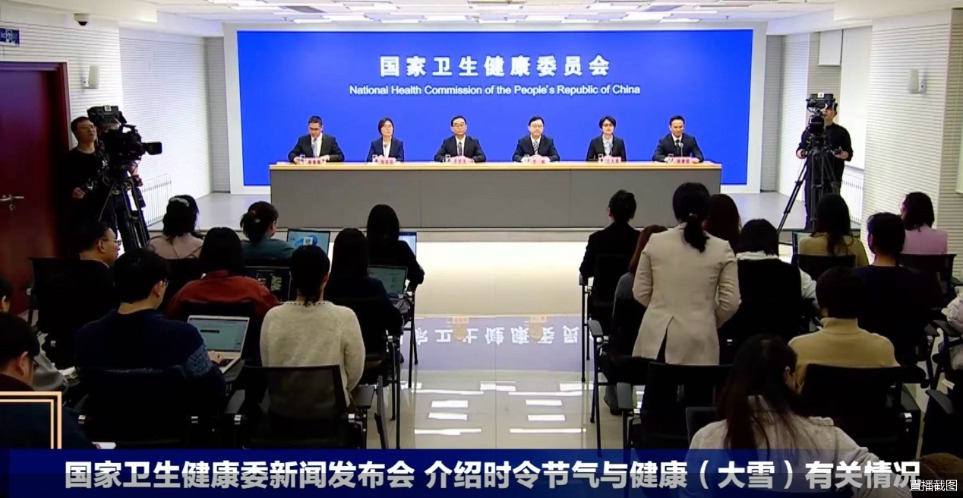
Core Viewpoint - The National Health Commission held a press conference focusing on seasonal health issues, emphasizing flu prevention, chronic respiratory disease care, and skin problems during winter, while also addressing the risks associated with stem cell treatments and the need for public awareness [1] Group 1: Stem Cell Treatment Regulations - Stem cell treatments must be conducted by qualified medical institutions, as there have been instances of fraud by unlicensed entities claiming to offer such therapies [3][4] - The National Health Commission issued a consumer warning regarding the risks of unapproved stem cell treatments, highlighting that only approved products and techniques should be used, and that non-medical institutions are not authorized to provide such services [4] - The commission clarified that claims of stem cell treatments being "miracle cures" or "zero risk" are fraudulent, urging the public to be cautious and informed [4] Group 2: Flu Prevention and Respiratory Health - Flu activity is expected to peak in mid-December, with 17 provinces currently experiencing high levels of flu circulation, primarily due to the H3N2 strain [5] - Public health experts recommend that vulnerable populations, such as the elderly and those with chronic conditions, should avoid crowded places and receive flu vaccinations [5] - Misconceptions about treating respiratory illnesses, such as using inappropriate medications for fever or cough, were addressed, with recommendations for proper home remedies and care [6] Group 3: Skin Health in Winter - The press conference highlighted common misconceptions about skin health, particularly the belief that dry skin is due to lack of cleanliness, which can lead to over-cleansing [6][7] - Experts advised using warm water for bathing, avoiding harsh soaps, and applying moisturizers promptly after bathing to combat winter dryness [7]

中疾控:全国流感12月上中旬达峰可能性较大
Zhong Guo Xin Wen Wang· 2025-12-05 09:25
中疾控:全国流感12月上中旬达峰可能性较大 中新社北京12月5日电 (记者 李纯)谈及中国当前的流感形势,中国疾病预防控制中心病毒病预防控制所 研究员王大燕5日在北京表示,预计全国将在12月上中旬达峰的可能性较大。 编辑:付健青 广告等商务合作,请点击这里 本文为转载内容,授权事宜请联系原著作权人 中国国家卫生健康委员会当天在北京举行新闻发布会。王大燕在会上表示,目前,全国共有17个省份流 感活动处于高流行水平,其余省份处于中流行水平。门急诊就诊的流感样病例患者中流感病毒检测阳性 率达到51%,未超过近三年最高水平。5岁至14岁病例组检测阳性率明显高于其他年龄组。 中新经纬版权所有,未经书面授权,任何单位及个人不得转载、摘编或以其它方式使用。 关注中新经纬微信公众号(微信搜索"中新经纬"或"jwview"),看更多精彩财经资讯。 王大燕介绍说,根据最新监测情况,预计全国将在12月上中旬达峰的可能性较大。甲型H3N2亚型流感 病毒仍然占流行优势,占比超过95%,有少量甲型H1N1和乙型流感病毒同期流行。 王大燕表示,流感病毒传播迅速,在学校、托幼机构和养老机构等人群密集的场所易发生聚集性疫情。 本次流行季流感聚 ...
焦点访谈|莫慌张!流感高发期 请查收科学防护指南
Yang Shi Wang· 2025-12-03 13:41
Core Viewpoint - The article highlights the current flu outbreak in China, indicating that the country is experiencing a high incidence of influenza, particularly the H3N2 subtype, and emphasizes the importance of public awareness and preparedness in the healthcare system [1][4][10]. Group 1: Current Situation - The overall flu activity in China is at a high level, with 17 provinces reaching high epidemic levels and a detection rate exceeding 45% in some areas [4][6]. - The proportion of flu-like cases in emergency visits has risen to 7.9%, with nearly 45% testing positive for influenza [4][6]. - The H3N2 subtype is currently the dominant strain, accounting for over 95% of cases, with a notable decrease in population immunity due to its absence in circulation for nearly two years [6][15]. Group 2: Symptoms and Treatment - Flu symptoms are characterized by sudden high fever, body aches, and prolonged recovery periods, which can lead to complications in high-risk groups such as infants, the elderly, and those with chronic conditions [7][9]. - Antiviral medications like Oseltamivir and Baloxavir are crucial for treatment, with the first 48 hours post-symptom onset being the optimal time for intervention [9][10]. Group 3: Healthcare System Preparedness - Community health centers are equipped to conduct flu testing and provide treatment, with training provided to ensure proper diagnosis and management of respiratory diseases [10][12]. - A significant majority of community health facilities can now treat common pediatric illnesses, enhancing access to care for children [12]. Group 4: Vaccination and Prevention - Vaccination is emphasized as the most effective preventive measure against influenza, with recommendations for high-risk groups to receive the flu vaccine [13][15]. - The flu vaccine's effectiveness can vary based on the accuracy of strain predictions, but it generally reduces the severity of illness and recovery time [13][15]. - Individuals who have recovered from influenza can still benefit from vaccination, as immunity from one strain does not protect against others [15][16].
流感或将迎来高峰期!今年病毒有何新特点?
Yang Shi Xin Wen· 2025-12-03 13:28
Core Insights - The current flu activity in China has reached a high epidemic level, primarily driven by the H3N2 subtype of the influenza virus, which accounts for over 95% of cases reported [2][3]. Group 1: Virus Characteristics - The predominant virus this year is the H3N2 subtype, with minor circulation of H1N1 and B influenza viruses [2]. - No new or unknown pathogens have been detected, indicating that the flu viruses in circulation are well-known [2]. Group 2: Treatment Options - The most widely used antiviral medications in China are Oseltamivir and Baloxavir Marboxil, with specific age-related usage guidelines [4]. - Oseltamivir is approved for individuals over one year old, while Baloxavir is approved for children aged five and older, with the latter requiring only a single dose for treatment [4]. Group 3: Symptoms and Diagnosis - Common flu symptoms include fever, nasal congestion, sore throat, and muscle aches, with variations in severity based on the patient's age and health status [5]. - For young children showing flu symptoms, it is recommended to seek medical evaluation rather than self-medicate at home due to the rapid progression of the disease [6]. Group 4: Monitoring and Prevention - Monitoring the surrounding environment for flu activity and observing symptoms in oneself and close contacts are crucial for early detection [7].
流感季探访北京儿童医院:确保每天24小时均有医生接诊
Xin Hua She· 2025-12-03 12:20
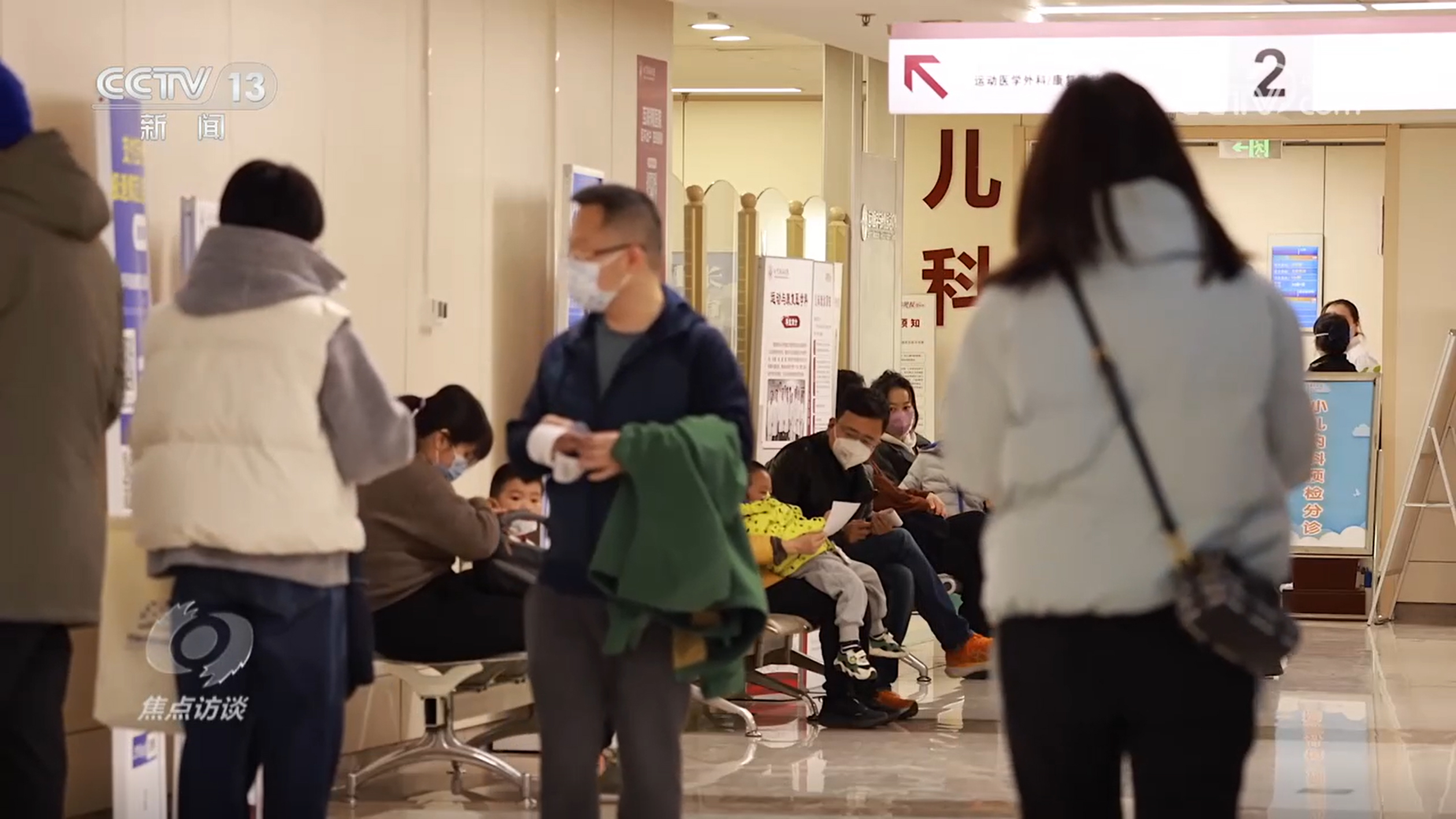
新华社北京12月3日电(记者侠克)根据有关官方消息,当前北京市流感已进入高峰期,流行株为甲 型H3N2。记者近日从北京儿童医院了解到,进入11月以来,随着气候变化,儿童秋冬季呼吸道疾病就 诊量呈上升趋势,但与去年同期相比,今年11月整体就诊量未超过去年同期水平。北京儿童医院多措并 举,保障患儿就医需求。 12月1日上午9时许,在北京儿童医院二楼发热咳嗽门诊,有不少等候就诊的家长和患儿。一位家长 告诉记者,孩子发烧两天中途吃了退烧药但症状持续反复,来到儿童医院检查后确诊了甲流,正在等候 医生开药。 北京儿童医院门诊部主任李豫川介绍,为应对冬季儿童呼吸道感染高峰,满足儿童就医需求,北京 儿童医院内科不限号,内科和发热咳嗽门诊开设白班、小夜班、大夜班,确保每天24小时均有医生接 诊。 "从监测数据来看,每天下午3点后、晚上7点后,患儿就诊最为集中,医院根据门诊挂号情况、病 人等候情况等,第一时间启动了动态支援机制,由内科相关科室医生及时支援门诊,各科室对医生也已 实现门诊、急诊、病房统筹管理。"李豫川说,流感高峰期,呼吸道病原检测需求高,咽拭子采样窗口 提前至7:30分开放,结束时间延长至23:00。 记者了解到, ...
北京疾控:流感上升势头已减缓
Xin Hua Wang· 2025-12-03 09:12
新华社北京12月3日电(记者侠克)北京市疾控中心3日通报,北京市呼吸道传染病以流感为主,未出现 流感与其他呼吸道传染病的叠加流行。目前北京市流感上升势头已减缓,提示流感活动强度或已达峰, 后续需要关注老年人、慢性基础病患者等人群感染后加重基础疾病的风险。 据介绍,今年10月底以来,北京市流感活动度持续上升,于11月中旬进入流行期,较2024年至2025年流 行季提前约4周。当前流感样病例病毒阳性率虽高于2024年至2025年流行季峰值,但仍低于2023年3月高 峰,全市发热门诊就诊人数也低于前两年高峰水平。 北京市疾控中心传染病地方病控制所所长张代涛表示,本次流感流行株为甲型H3N2亚型,占比为 99.8%。疫苗保护效果预计与往年H3N2流行时相似,对神经氨酸酶抑制剂和聚合酶抑制剂等常用流感 治疗药物敏感。"接种流感疫苗是预防流感及其严重并发症的最有效手段。"张代涛说。 据了解,今年北京市继续对中小学生、60岁及以上的老年人和重点行业工作人员开展免费流感疫苗接 种,同时设置471家门诊提供流感疫苗接种服务。自9月份开始至今,北京已累计接种流感疫苗224.4万 剂次,较去年同期增加9.7%。 ...
中疾控:17个省份流感达到高流行水平,12月上中旬达峰可能性较大
Xin Lang Cai Jing· 2025-12-03 03:12
Core Insights - The overall trend of acute respiratory infectious diseases in China is on the rise, with influenza viruses being the primary pathogens, and a peak in influenza cases is expected around mid-December [1][4][5] Summary by Categories Current Situation - 17 provinces in China have reached a high level of influenza activity, while other provinces are at a moderate level [5] - The influenza activity level is not expected to decline to low levels for some time, indicating that influenza prevention and control measures should remain in place for the next 6-8 weeks [5] Influenza Statistics - During the 47th week of the year (November 17-23), there were 1,234 reported outbreaks of influenza-like illness across the country, with a positivity rate of 44.8% among respiratory samples from sentinel hospitals [5][6] - The positivity rate of influenza has raised public concern, with a clarification that this does not mean nearly half of the population is infected, but rather reflects the intensity of influenza activity [2][5] Regional and Temporal Trends - Except for a few provinces in East China, all other regions are experiencing moderate to high levels of influenza activity, with southern provinces reporting a positivity rate of 6.7% and northern provinces at 7.0%, both higher than the same period in previous years [6] - The current influenza season has started approximately one month earlier than in previous years [6] Demographics and Impact - The highest incidence of influenza cases is observed in the 5-14 age group, with a notable increase in outbreaks in schools and childcare facilities [7] - Vulnerable populations, including children under 5, the elderly over 60, pregnant women, and individuals with chronic diseases, are at higher risk for severe complications from influenza [4][7]
多地流感活动呈上升趋势 相关药品市场整体供应充足
Yang Shi Wang· 2025-12-03 01:54
央视网消息:当下中国多地流感多发,主要流行哪种病毒?发展趋势如何?哪些人群需要重点防护?一起来了解一下。 中国疾控中心:12月上中旬流感达峰可能性较大 中国疾控中心病毒病所国家流感中心相关负责人介绍,根据最近监测情况,流感活动水平预计在12月上中旬达峰的可能性较大。 中国疾控中心病毒病所国家流感中心主任 王大燕:所以,未来6-8周流感防控不能放松。甲型H3N2亚型流感病毒仍然占优势流 行,占比超过95%,有少量甲型H1N1亚型和乙型流感病毒同期流行。 治疗儿童流感 关键抓住"黄金48小时" 专家介绍,本次流行季,5—14岁病例明显多于其他年龄组,流感聚集性疫情数量高于上一流行季,而且几乎全部来自学校和托 幼机构。专家表示,儿童是流感的高风险人群之一,流感防治重在早识别、早治疗,感染后的 24—48小时内,病毒的复制活动达到 高峰,所以抓好治疗的"黄金48小时"非常关键。 国家卫生健康委:增加医疗服务供给 为应对流感活动的上升趋势,近日,国家卫生健康委部署各地增加医疗服务供给,通过增加门诊号源;实行分诊分流和延长服务 时段,开设延时门诊、夜间门诊、周末门诊等措施,最大限度满足群众就医需求。截止目前,全国所有二级 ...

未来6—8周流感防控不能放松 流感发展最新趋势
Yang Shi Xin Wen· 2025-12-02 13:34
Core Insights - The current flu season in China is characterized by a significant rise in acute respiratory infections, with the H3N2 subtype being the dominant strain, accounting for over 95% of cases [1][4] - Monitoring indicates that 17 provinces are experiencing high levels of flu activity, with a nationwide peak expected in mid-December [1] - The positive rate for flu-like cases in emergency departments has reached nearly 45%, but this does not imply that half of the population is infected [2] Group 1: Flu Activity and Trends - The overall trend of acute respiratory infections is increasing, with flu viruses being the primary pathogens detected [1] - The flu activity is expected to remain elevated for the next 6-8 weeks, necessitating continued prevention efforts [1] - The H3N2 subtype remains the most prevalent, with minor occurrences of H1N1 and B type flu viruses [1] Group 2: Vaccination Insights - Vaccination is emphasized as a core preventive measure against flu, and it is still beneficial to get vaccinated even after the peak season has started [3] - Individuals who have previously contracted the flu are still advised to receive the vaccine, as immunity from one strain does not protect against others [3] - It is recommended to wait until recovery from acute symptoms before getting vaccinated, especially for those with underlying health conditions [3] Group 3: Demographics and Impact - The age group of 5-14 years shows a significantly higher number of flu cases compared to other age groups, with outbreaks primarily occurring in schools and childcare facilities [4] - Factors contributing to the spread include colder temperatures leading to increased indoor activity and poor air circulation [4] - Vulnerable populations, including young children, the elderly, pregnant women, and those with chronic illnesses, are at higher risk for severe complications [4]