甲型H3N2亚型流感病毒

Search documents
世卫组织:全球流感活动增加,主要由甲流病毒引起
Ren Min Ri Bao· 2025-12-11 22:11
Core Insights - The World Health Organization reported an increase in global influenza activity since October, with most detected viruses being of the influenza A type [1] - The proportion of the H3N2 subtype of influenza A virus has been rising in multiple countries and regions [1] - Genetic sequencing data indicates a significant evolution of the H3N2 virus since August, although current epidemiological data does not show an increase in disease severity [1] Summary by Categories Global Influenza Activity - There has been a notable increase in global influenza activity since October [1] - The majority of detected influenza viruses are of the influenza A type [1] H3N2 Subtype Insights - The H3N2 subtype of influenza A virus is increasingly prevalent in various countries and regions [1] - The number of K sublineage strains of the H3N2 virus detected has increased since August [1] Epidemiological Data - Despite the evolution of the H3N2 virus, current data does not indicate a rise in the severity of diseases caused by it [1]
国家卫生健康委介绍流感防控形势 甲型H3N2亚型流感病毒仍占流行优势
Ren Min Ri Bao· 2025-12-07 06:18
Core Insights - The overall trend of acute respiratory infectious diseases, particularly influenza, is on the rise in China, with 17 provinces experiencing high levels of flu activity [1] - The positive rate of influenza virus detection among patients with flu-like symptoms has reached 51%, indicating a significant prevalence [1] - The H3N2 subtype of the influenza virus remains dominant, accounting for over 95% of cases, with a possibility of peak activity in mid-December [1] Group 1: Influenza Situation - Influenza is highly contagious, especially in crowded settings such as schools and nursing homes, with a notable increase in outbreak numbers compared to the previous season [2] - High-risk groups recommended for vaccination include individuals aged 60 and above, those with chronic diseases, residents and staff of long-term care facilities, pregnant women, and young children [2] - The public is advised to get vaccinated early to prevent infection and reduce the risk of severe illness [2] Group 2: Symptoms and Treatment - Symptoms of influenza include high fever (up to 39-40 degrees Celsius), headaches, muscle aches, sore throat, dry cough, and fatigue, with some patients experiencing mild or no symptoms [3] - Individuals with severe symptoms such as high fever, difficulty breathing, or confusion should seek medical attention promptly, especially vulnerable populations like the elderly and infants [3] - Early medical treatment is crucial for high-risk groups to prevent severe complications [3]
中疾控:甲型H3N2亚型流感病毒仍然占流行优势
Ren Min Wang· 2025-12-05 09:02
Core Insights - The National Health Commission of China held a press conference discussing the relationship between seasonal health and the "Major Snow" solar term, highlighting the current flu situation in the country [1] Group 1: Flu Situation - Influenza is an acute respiratory infectious disease caused by the influenza virus, with a high susceptibility in the population, potentially leading to severe complications such as pneumonia and heart damage [1] - Currently, 17 provinces in China are experiencing high levels of flu activity, while the remaining provinces are at moderate levels, with a positive detection rate of flu virus at 51% among flu-like cases in outpatient and emergency visits, not exceeding the highest level in the past three years [1] - The detection rate of flu virus is significantly higher in the 5-14 age group compared to other age groups, and it is expected that the peak of flu cases will likely occur in mid-December [1] - The H3N2 subtype of the influenza virus remains dominant, accounting for over 95% of cases, with a small number of H1N1 and B-type influenza viruses circulating simultaneously [1] - The current flu season has seen a noticeable increase in the number of cluster outbreaks compared to the previous season, particularly in crowded places such as schools, childcare institutions, and nursing homes [1] Group 2: Recommendations for Vaccination - It is recommended to prioritize vaccination for key and high-risk groups to mitigate the impact of the flu, including individuals aged 60 and above, those with chronic diseases, residents and staff in congregate settings, pregnant women, children aged 6 months to 5 years, and caregivers of infants under 6 months [2] - Individuals are encouraged to get vaccinated at healthcare institutions with immunization clinics to prevent infection and reduce the risk of severe illness [2] - Companies and industry organizations are urged to facilitate flu vaccination for key groups and employees through centralized organization and payment, with healthcare institutions offering on-site services for units with a high number of vaccinated individuals [2]
流感或将迎来高峰期!今年病毒有何新特点?
Yang Shi Xin Wen· 2025-12-03 13:28
Core Insights - The current flu activity in China has reached a high epidemic level, primarily driven by the H3N2 subtype of the influenza virus, which accounts for over 95% of cases reported [2][3]. Group 1: Virus Characteristics - The predominant virus this year is the H3N2 subtype, with minor circulation of H1N1 and B influenza viruses [2]. - No new or unknown pathogens have been detected, indicating that the flu viruses in circulation are well-known [2]. Group 2: Treatment Options - The most widely used antiviral medications in China are Oseltamivir and Baloxavir Marboxil, with specific age-related usage guidelines [4]. - Oseltamivir is approved for individuals over one year old, while Baloxavir is approved for children aged five and older, with the latter requiring only a single dose for treatment [4]. Group 3: Symptoms and Diagnosis - Common flu symptoms include fever, nasal congestion, sore throat, and muscle aches, with variations in severity based on the patient's age and health status [5]. - For young children showing flu symptoms, it is recommended to seek medical evaluation rather than self-medicate at home due to the rapid progression of the disease [6]. Group 4: Monitoring and Prevention - Monitoring the surrounding environment for flu activity and observing symptoms in oneself and close contacts are crucial for early detection [7].
应对流感高发期,今年有什么新变化与新办法?
Yang Shi Xin Wen Ke Hu Duan· 2025-12-03 05:29
Group 1 - The flu season has reached a high epidemic level in the country, with the H3N2 subtype of the influenza virus accounting for over 95% of cases [2][4] - The outpatient visit volume for respiratory diseases at Beijing Children's Hospital has increased since mid-November, with a 20% week-on-week rise noted, although recent data shows a 15% decrease compared to the same period last year [3][4] - The clinical symptoms of the H3N2 virus are similar to other influenza strains, including fever, nasal congestion, sore throat, and muscle aches, without significantly more severe symptoms compared to H1N1 [4] Group 2 - For young children showing flu-like symptoms, it is recommended to seek medical attention rather than self-medicate at home, as the disease can progress rapidly [5][6] - Key indicators for assessing flu risk include awareness of flu activity in the environment, contact with individuals exhibiting flu-like symptoms, and the presence of flu-like symptoms in oneself [6] - The healthcare system is improving its capacity for early diagnosis and treatment of seasonal diseases like influenza, with a focus on enhancing the capabilities of primary care pediatric services [7]


阳性率上升!除了流感,这种病毒也开始高发
财联社· 2025-11-08 06:14
Core Viewpoint - The article highlights a significant increase in respiratory infections among children during the autumn and winter seasons, with various pathogens circulating, particularly influenza and rhinovirus, leading to a rise in outpatient visits at children's hospitals [1][2]. Group 1: Respiratory Infection Trends - There has been a notable rise in the number of outpatient visits for respiratory infections in children's hospitals, with symptoms such as persistent cough, runny nose, and fever being common among affected children [1]. - According to the China CDC, influenza has become the leading pathogen in outpatient settings, with a positive detection rate of 17.5% for influenza-like cases [1]. - The infection rates for rhinovirus are also high, particularly among children aged 14 and below, while respiratory syncytial virus (RSV) is showing an upward trend in northern provinces [1]. Group 2: Symptoms and Treatment - Common symptoms of respiratory viral infections include fever, cough, phlegm, sore throat, sneezing, and runny nose, but different viruses exhibit distinct characteristics [2]. - RSV primarily affects infants under 2 years old, presenting with symptoms like runny nose, low fever, and cough, while severe cases may lead to respiratory distress [2]. - Influenza typically presents with more severe systemic symptoms, whereas rhinovirus infections are generally milder, resembling common colds [2]. Group 3: Treatment Guidelines - There are significant differences in treatment approaches for various viral infections; both rhinovirus and RSV lack specific antiviral medications, and treatment focuses on supportive care [2]. - For confirmed influenza cases, prompt administration of antiviral medications can effectively alleviate symptoms, but these medications are not beneficial for other viral infections [2]. - The use of antibiotics is discouraged for any viral infections, as they do not provide any benefit [2]. Group 4: Influenza Virus Characteristics - Current circulating influenza strains are predominantly the H3N2 subtype, which accounts for over 98% of detected cases [3]. - The H3N2 subtype is a common seasonal flu strain, and vaccination is emphasized as the most effective and economical method to prevent severe illness from influenza [3]. - Available influenza vaccines are effective against the currently circulating H3N2 strain [3].

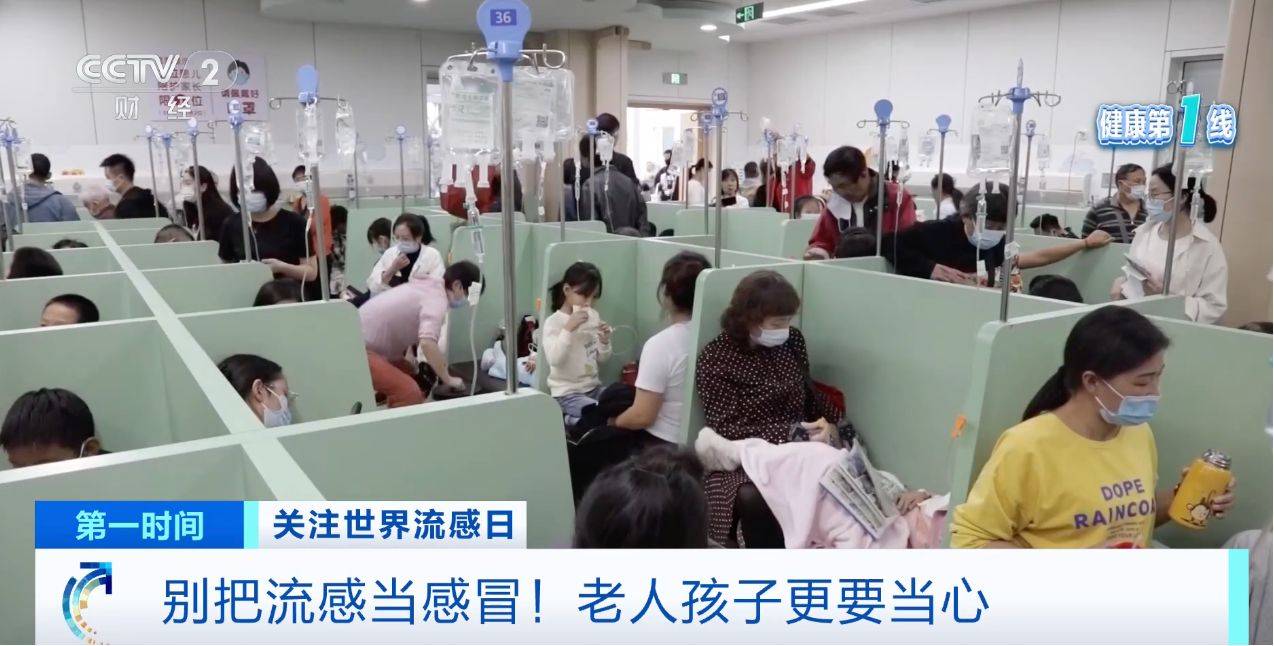
呼吸道传染病将进入高发期!流感不等于普通“重感冒”,医生提醒→
Sou Hu Cai Jing· 2025-11-01 06:56
Core Points - The article emphasizes the importance of flu prevention and health, particularly on World Flu Day, highlighting that flu is not just a common cold but a serious illness that can threaten vulnerable populations such as the elderly and children [1] Group 1: Flu Characteristics and Risks - Flu is highly contagious and can lead to severe complications like pneumonia and myocarditis, unlike the common cold which has milder symptoms [5][9] - Vulnerable groups, including children under 5, seniors over 65, individuals with underlying health conditions, and pregnant women, are at higher risk for severe complications from the flu [9] Group 2: Current Flu Situation - The dominant flu strain currently is the H3N2 subtype, with over 90% of positive samples in both southern and northern provinces being this strain [11] - There has been a shift in the dominant flu strain in Shanghai from H1N1 in the first half of the year to H3N2 in the latter half, with typical symptoms including fever, sore throat, and body aches [13]