
虚拟资产监管

Search documents
巴西央行进一步规范加密资产市场
Shang Wu Bu Wang Zhan· 2025-11-13 16:29
Core Insights - The Central Bank of Brazil has introduced regulatory rules for the virtual asset market, including cryptocurrencies, which will take effect in February 2026 [1] Group 1: Regulatory Framework - The new regulations specify the scope of virtual asset services, institutional qualifications, operational setup, and the qualification approval process and timelines [1] - Virtual asset trading activities will now be included under the foreign exchange market regulations [1] Group 2: Compliance Requirements - Virtual asset service providers must obtain authorization from the Central Bank of Brazil to operate [1] - Existing anti-money laundering and counter-terrorism financing regulations will be extended to apply to virtual asset service providers [1]
香港虚拟资产监管新范式:稳健与创新的动态平衡|金融与科技
清华金融评论· 2025-11-11 09:13
Core Viewpoint - The article emphasizes Hong Kong's commitment to establishing a balanced regulatory framework for virtual assets, focusing on both robust regulation and innovation to foster a healthy market environment [5][12][13]. Regulatory Developments - The Hong Kong Securities and Futures Commission (SFC) has introduced a "shared liquidity mechanism" to enhance overall market liquidity for virtual assets [5][10]. - The SFC has adopted a "small steps, fast running" approach to regulation, allowing compliant projects to enter the market while maintaining risk control [6][7]. - A new licensing regime for virtual asset service providers has been implemented, enabling qualified platforms to serve retail investors [9][10]. Market Context - The global trading volume of virtual assets has surpassed $70 trillion, indicating their growing influence in capital flow and asset allocation [4]. - The rapid evolution of digital technology has reshaped the financial landscape, but it has also exposed vulnerabilities within the financial system, necessitating a robust regulatory framework [4][12]. Evolution of Regulatory Framework - Hong Kong's regulatory approach has shifted from a cautious stance to a more open and interconnected framework, with significant policy developments occurring since 2018 [9][10]. - The SFC has progressively expanded its regulatory coverage, moving from a closed-loop ecosystem to a more integrated approach with international markets [9][10]. Future Directions - The SFC plans to establish a licensing system for virtual asset custodians and explore the inclusion of investment advisory services and specific asset classes under regulatory oversight [10][12]. - The regulatory framework aims to balance market stability and innovation, ensuring that the virtual asset market can grow responsibly within a clear regulatory environment [12][13].


香港证监会勾勒出虚拟资产监管的完整蓝图与演进思路
Huan Qiu Wang· 2025-11-09 01:09
Group 1 - Hong Kong's Securities and Futures Commission (SFC) is outlining a comprehensive regulatory framework for virtual assets, transitioning from a "safety closed-loop" model to a more open "safety connection" model while maintaining a 99.5% safety threshold for traditional finance [1] - The SFC plans to introduce innovative measures such as a "global order book" and an "accelerator program" to address liquidity and innovation efficiency challenges [1] - Upcoming priorities for Hong Kong's regulatory bodies include the swift release of consultation summaries for "digital asset trading licenses" and "custody licenses," with the Monetary Authority expected to announce the first stablecoin issuer licenses by early next year [1] Group 2 - AIMA's survey indicates that the exposure of global hedge funds to the cryptocurrency market is increasing, with 55% of hedge funds holding cryptocurrency-related assets in the first half of 2025, up from 47% the previous year [4] - The average allocation of these funds to cryptocurrencies represents 7% of their total assets [4]
香港探索虚拟资产诈骗追损新路
3 6 Ke· 2025-11-07 03:13
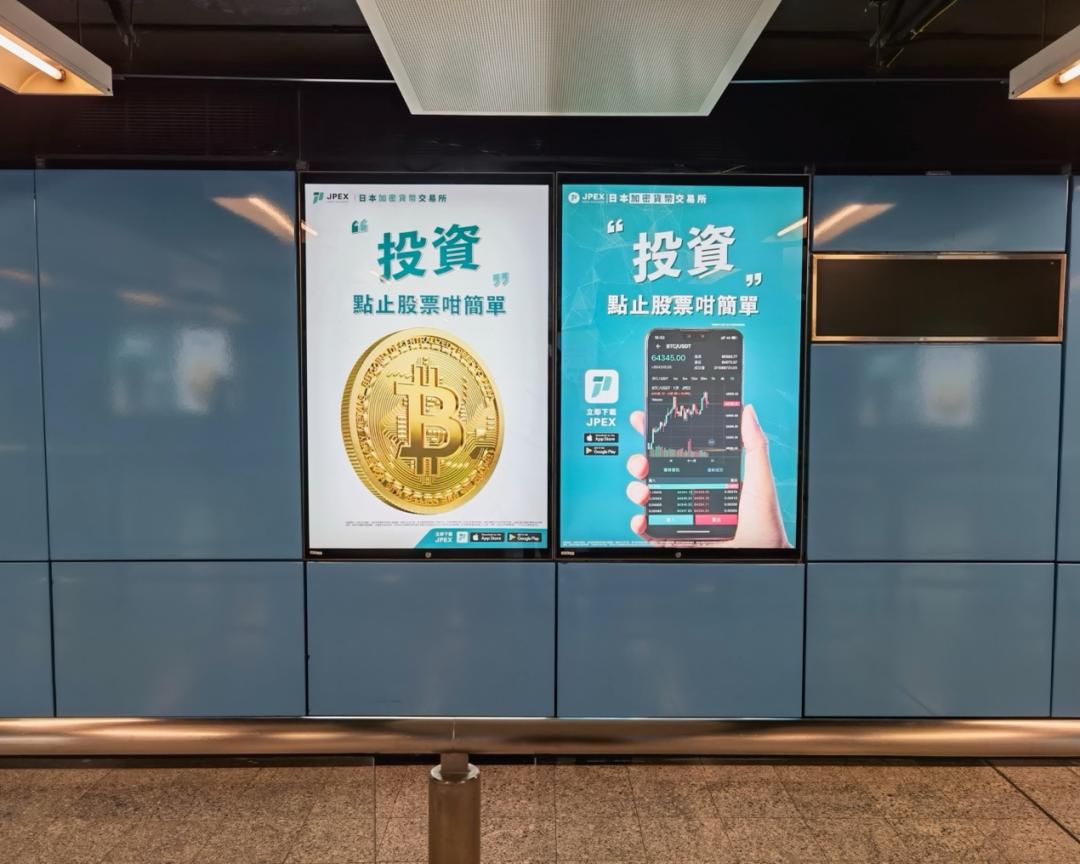
Core Points - The JPEX case is described as the largest virtual asset fraud case in Hong Kong's history, involving a significant number of victims and substantial financial losses [2][4] - The case has raised concerns about the regulation of over-the-counter (OTC) platforms and has been identified as a pivotal event for regulatory strengthening in the region [4][6] Summary by Sections Case Overview - JPEX, a virtual asset trading platform established in early 2020, claimed to offer low-risk investments with returns as high as 20% [2] - The platform utilized extensive advertising, including celebrity endorsements and social media promotions, to attract investors [2] Fraud Mechanism - Victims were lured into exchanging cash for stablecoins at OTC locations, which were then used to purchase JPEX's tokens, JPC [2] - After the platform's collapse, investors found it nearly impossible to withdraw their principal due to exorbitant withdrawal fees [2] Investigation and Legal Actions - As of early November 2023, over 2,700 victims reported losses exceeding 1.6 billion HKD, with 80 individuals arrested and assets worth 228 million HKD frozen [4][6] - The Hong Kong police have initiated legal proceedings against key figures involved, including core members of the criminal group and influencers who promoted JPEX [6] Regulatory Implications - The case has highlighted the need for stricter regulations on virtual asset trading platforms, particularly in the context of OTC services [4][5] - Following the incident, all virtual asset trading platforms in Hong Kong are now subject to local securities and anti-money laundering regulations [4] Victim Compensation - The frozen assets are significantly lower than the reported losses, leading to concerns about the recovery of funds for victims [8] - A recent civil case marked a significant step for victims seeking compensation, establishing a legal precedent for pursuing claims against JPEX and its affiliates [8]
从“安全闭环”到“全球活水”:香港探索虚拟资产的监管与创新
Zheng Quan Shi Bao Wang· 2025-11-06 14:18
Core Insights - Hong Kong's Securities and Futures Commission (SFC) is shifting its regulatory approach for virtual assets from a "safety closed-loop" model to a more open "safety connection" model, while maintaining a 99.5% safety threshold for traditional finance [1][2][3] - The SFC's new initiatives, such as the "global order book" and "accelerator program," aim to enhance liquidity and innovation efficiency in the virtual asset market [1][3][8] Regulatory Philosophy - The SFC emphasizes the importance of the "99.5% principle," which prioritizes the stability of traditional finance over the emerging virtual asset sector [2][4] - The regulatory approach is evolving from "rule-based" to "principle-based" to better manage the risks associated with increased openness in the market [4][5] Market Connectivity - The SFC acknowledges past limitations in creating a "closed-loop" environment that restricted liquidity and competitiveness, leading to the introduction of a "global order book" to connect with international markets [3][6] - The SFC's recent circular allows authorized virtual asset trading platforms (VATPs) in Hong Kong to share a global order book with their overseas affiliates, marking a significant step towards global connectivity [3][6] Licensing and Innovation - The SFC is committed to a thorough licensing process, prioritizing quality over speed, which has led to a slower approval rate for new applications [6][8] - The SFC is also focusing on "tokenization," recognizing the slow progress in this area and emphasizing the need for market-driven innovation rather than regulatory imposition [7][8] Future Strategies - The SFC has outlined three key accelerators: expediting license issuance, launching an accelerator program to bridge regulatory and market needs, and leveraging regulatory technology to mitigate risks [8] - The SFC aims to complete its "ASPIre" roadmap, which includes expanding regulations to cover virtual asset derivatives and lending, ensuring comprehensive oversight of the ecosystem [8]
香港证监会金融科技主管:推出数字资产流动性措施有这些考量
Jing Ji Guan Cha Wang· 2025-11-05 03:17
Core Insights - Hong Kong has integrated "connecting global liquidity" into its digital asset development roadmap, aiming to link local investors with global markets and attract more institutional trading to enhance market depth and liquidity [1][2] - The Hong Kong Securities and Futures Commission (SFC) plans to issue two important guidelines allowing licensed virtual asset trading platforms to connect with overseas liquidity through affiliated platforms, while implementing measures to mitigate settlement and integrity risks [1][2] Group 1 - The initial phase of Hong Kong's digital asset market faces challenges such as uneven market structure and lack of regulation among participants, prompting the SFC to prioritize the creation of a secure digital asset ecosystem [2] - The SFC will permit licensed cross-border trading platforms to share global order books with overseas affiliates as a primary step to address liquidity fragmentation and enhance market vitality [2][3] - The guidelines were developed in close collaboration with the industry, taking considerable time due to extensive communication with industry practitioners to establish clear rules and necessary safeguards for building the Hong Kong ecosystem [2][3] Group 2 - The virtual asset industry is increasingly recognizing the importance of regulation and is willing to comply with regulatory rules, as regulation adds credibility to their business [3] - The SFC is advancing two consultations to enhance the ecosystem: one for licensing virtual asset custodians and another to explore the inclusion of investment advisory services and specific asset classes under regulation to attract more overseas institutions [3] - The Hong Kong government plans to release the "Digital Asset Development Policy Declaration 2.0" in 2025, focusing on three key areas: developing trading rules for digital assets, enhancing industry interaction for market trend insights, and improving monitoring capabilities to ensure market stability amid increasing participation and trading activities [3]
香港证监会启动虚拟资产交易监控系统招标,预计明年上半年完成
Xin Lang Cai Jing· 2025-10-28 06:09
Core Viewpoint - The Hong Kong Securities and Futures Commission (SFC) is seeking bids for a virtual asset trading monitoring system to enhance its ability to detect unusual trading activities in virtual assets [1] Group 1 - The bidding deadline for the virtual asset trading monitoring system is set for November 7 [1] - The selected institution for the monitoring system is expected to be determined in the first half of next year [1]
彭博社:香港证监会行政总裁梁凤仪预计将续任三年
Xin Lang Cai Jing· 2025-10-06 03:52
Core Viewpoint - The CEO of the Hong Kong Securities and Futures Commission (SFC), Ashley Alder, is expected to serve a three-year term extension, with her current term ending this year [1] Group 1: Leadership and Tenure - Ashley Alder has been in her position since 2023 and has played a significant role in revitalizing large IPOs [1] - Under her leadership, there has been an increase in market regulation efforts [1] - Alder has also expanded the regulatory framework for virtual assets, contributing to Hong Kong's development as a hub for cryptocurrency trading [1]
剑指跨境洗钱!香港金融安全治理研讨会释放关键信号
Guo Ji Jin Rong Bao· 2025-10-03 02:43
Group 1 - The conference focused on addressing pain points in financial innovation, anti-money laundering compliance, and international collaboration, highlighting the need for a unified regulatory framework for virtual assets in the region [2] - Approximately 30% of cross-border money laundering cases involve cryptocurrencies, with non-custodial wallets and cross-chain bridges complicating tracking efforts [2] - The average time for cross-border money laundering intelligence transmission in the Asia-Pacific region is 7 days, while funds often circulate within 24 hours; the "Shanghai-Hong Kong Cooperation Meeting" has reduced response time to 2 hours [2] Group 2 - The conference resulted in the signing of the "Anti-Money Laundering Hong Kong Declaration," establishing Hong Kong as a regional research hub and a platform for practical integration and talent cultivation [3] - The IALA Global Anti-Money Laundering Training Center was inaugurated in Hong Kong, aiming to train 100 international anti-money laundering professionals annually, including 50 from "Belt and Road" partner countries [3] - The conference outcomes are strategically valuable for both the nation and Hong Kong, enhancing China's influence in key areas and solidifying Hong Kong's role as a financial security governance hub [4] Group 3 - The integration of AI and advanced algorithms can enhance the efficiency of identifying suspicious transactions by approximately three times, with risk assessment models achieving a 95% accuracy rate in identifying money laundering risks [2] - The average investigation cycle for money laundering cases in Hong Kong is 47 days, significantly lower than the Asia-Pacific average of 73 days, indicating a more efficient response to virtual asset crimes [4] - The initiative aims to balance innovation and security through privacy computing, ensuring data is usable yet not visible, with successful pilot programs in Hong Kong reporting zero security incidents [2]
台北区块链周观察——「破圈」与「等待」
Cai Fu Zai Xian· 2025-09-11 06:59
Group 1: Regulatory Environment - Taiwan's Web3 regulatory process is significantly lagging, with local practitioners estimating a delay of 1 to 2 years compared to other regions [2][3] - The government is shifting from a negative to a neutral stance on Web3 post-2024 elections, with plans to implement a stricter licensing system for virtual asset services [2] - The current "half-transparent" regulatory state has led to a cautious market environment, with major international exchanges like Binance and OKX opting not to participate in local events due to regulatory uncertainties [2][3] Group 2: Market Participation and Public Perception - The number of active cryptocurrency users in Taiwan is low, with public perception largely associating cryptocurrencies with scams, highlighted by a significant money laundering case involving a local exchange [3][4] - As of the end of 2024, Taiwan has approximately 567,000 cryptocurrency holders, ranking 51st globally, which represents about 2.37% of the population [4] - The limited market capacity for compliant exchanges is evident, as they cannot offer derivatives and primarily serve local users, pushing many towards offshore exchanges for higher liquidity [3] Group 3: Community and Cultural Dynamics - The vibrant Web3 community in Taiwan contrasts with the cautious official stance, with numerous grassroots activities and influential KOLs emerging in the space [5][6] - Events like Taipei Blockchain Week (TBW) reflect a more casual and community-oriented approach, with activities designed to engage participants in a fun and relaxed environment [5][6] - The local culture is being integrated into Web3 initiatives, with younger generations seeking innovative ways to connect and engage within the ecosystem [6][8] Group 4: RWA and Investment Opportunities - The concept of Real World Assets (RWA) is gaining traction, with initiatives like the collaboration between Taiwanese banks and blockchain companies to digitize gold, although still in early stages [7] - Projects like MyStonks, which tokenize U.S. stocks, are appealing to Taiwanese investors due to limited direct trading options and high costs associated with stock trading [7] - The overall sentiment in Taiwan's Web3 sector reflects a realistic understanding of its position globally, acknowledging the challenges while maintaining a unique, balanced approach to development [7][8]