
长江十年禁渔

Search documents
农业农村部:提升渔政执法效能,设置禁捕管理网格超5.4万个
Zhong Guo Xin Wen Wang· 2026-01-30 07:33
农业农村部:提升渔政执法效能,设置禁捕管理网格超5.4万个 中新网1月30日电 国务院新闻办公室30日举行新闻发布会。会上,有记者问:强化执法监管是维护长江 禁渔管理秩序的重要举措。请问在打击非法捕捞方面,有哪些监管措施,后续还将如何努力? 农业农村部长江流域渔政监督管理办公室主任江开勇表示,加强执法监管,维持秩序平稳,是实施好长 江十年禁渔的重要保障。禁渔五年来,农业农村部会同公安部、市场监管总局等部门持续督促沿江各地 部署开展专项执法行动,非法捕捞行为得到了有效遏制,禁捕管理秩序保持总体平稳。主要开展了三个 方面工作。 一是常态化加强联合执法。聚焦重点区域、重点时段、重点物种、重点人群,持续加强水上巡航、陆上 检查、市场排查,集中整治涉渔"三无"船舶、违规垂钓、地下交易等等,及时查处各类违法行为,着力 消除风险隐患。 二是狠抓突出问题专项整治。针对非法捕捞的团伙化、组织化、链条化趋势,我部联合公安部连续两年 开展了"春季护渔"、"秋季护渔"的区域会战,查处了一批大案要案,摧毁了一批"捕运销"地下产业链, 保持了高压严管的态势。 三是持续提升渔政执法效能。农业农村部依托河湖长制完善禁捕水域网格化管理体系,沿 ...
中国长江江豚恢复至1426头
Zhong Guo Xin Wen Wang· 2026-01-30 05:28
中国长江江豚恢复至1426头 中新社北京1月30日电 (记者 陈溯)中国农业农村部副部长张治礼30日在北京举行的国新办新闻发布会上 介绍,2025年专项调查显示,长江江豚已经恢复到1426头,比2022年调查时增加177头,成为长江大保 护的重要生态名片。 据中国科学院、中国水产科学研究院等科研机构调查,受人类活动影响,长江江豚的种群数量从20世纪 90年代的2700头下降到2017年的1012头,经历了快速衰退的阶段。 长江江豚是中国现存唯一的淡水鲸豚类动物,也是长江水生生物的旗舰物种,其生存状况直接反映长江 生态系统的健康状况,是检验长江十年禁渔成效的"试金石"。 张治礼表示,中国对栖息地已经被破坏的江豚群体实施了迁地保护,在适宜江段设立了五处迁地保护水 域,现有迁地保护群体超过150头,每年出生幼豚的数量超过10头,形成了覆盖长江中下游的迁地保护 网络,为未来持续补充自然种群奠定了基础。同时,中国组织开展长江江豚人工繁育的技术攻关,建立 了淡水鲸豚类精子库,为全面攻克人工繁育技术难关提供了前期支撑。 据监测,2021年至2025年,长江流域累计监测到鱼类351种,比禁渔前增加43种,鱼类小型化趋势得到 ...
长江流域禁渔以来鱼类增加43种 生物多样性恢复持续向好
Yang Shi Wang· 2026-01-30 02:39
央视网消息:1月30日,国新办举行新闻发布会,介绍长江十年禁渔中期评估成果和五年来阶段性 成效。 农业农村部副部长张治礼会上介绍,自2021年1月1日起,长江流域重点水域开始施行暂定为期十年 的常年禁渔。长江十年禁渔时间跨度长,覆盖范围广,全面启动实施五年来,农业农村部牵头抓总,会 同相关部委成立长江水生生物保护暨长江禁捕工作协调机制,各部门协同配合,沿江15省(直辖市)扎 实推进,加强政策创设,健全工作机制,压实各方责任,狠抓任务落实,禁渔秩序总体稳定,取得了阶 段性积极进展和显著成效。为客观评估禁渔五年来各项政策措施的落实效果与综合效益,农业农村部委 托复旦大学、中国科学院等单位联合开展了中期评估,形成了《长江十年禁渔的探索实践、规律认识与 对策建议》等成果,现对中期评估情况和五年来阶段性成效进行介绍: 一是生物多样性恢复持续向好,长江母亲河逐步重现生机活力。旗舰物种长江江豚是目前长江中唯 一的淡水鲸豚类动物,它们的生存状况可以直接反映长江生态系统的健康程度。2025年专项调查显示, 长江江豚已经恢复到1426头,比2022年调查时增加177头,成为长江大保护的重要生态名片。中华鲟放 流的规模连续两年超过 ...
十年禁渔“期中交卷” 长江生态持续向好
Jing Ji Guan Cha Wang· 2026-01-30 02:31
经济观察网 据央视新闻客户端消息,今天(30日)上午,国务院新闻办公室举行新闻发布会,农业农 村部有关负责人介绍了长江十年禁渔中期评估情况。 自2021年1月1日起,长江流域重点水域开始施行暂定为期十年的常年禁渔,这是推动长江经济带高质量 发展和恢复母亲河生机活力的战略性举措。为客观评估禁渔五年来各项政策措施的落实效果与综合效 益,农业农村部委托复旦大学、中国科学院等单位联合开展了中期评估,结果显示,全面启动实施五年 来,取得了阶段性积极进展和显著成效。 禁渔秩序保持总体平稳 共抓大保护氛围持续形成 五年来,各级农业农村、公安、市场监管等部门持续开展"中国渔政亮剑""平安长江"等联合执法行动, 保持高压严管态势,斩断非法"捕运销"地下产业链,涉渔违法行为呈现下降趋势,非法捕捞得到有效遏 制。加强执法能力建设,雷达视频监控、无人机巡查等高科技智能化手段得到广泛应用,执法监管效能 得到大幅提升。沿江各地持续加强宣传引导,以案释法、以案普法,沿江群众"守江护江"理念更加牢 固,越来越多的志愿者加入"护渔员"协助巡护队伍,形成了共抓大保护的良好氛围。 安置保障政策措施有效落实 退捕渔民实现安居乐业 对23.1万退捕渔 ...
中国经济年报丨白鹈鹕现身鄱阳湖,刷新江西鸟种纪录!长江经济带十年焕新→
Sou Hu Cai Jing· 2026-01-19 15:16
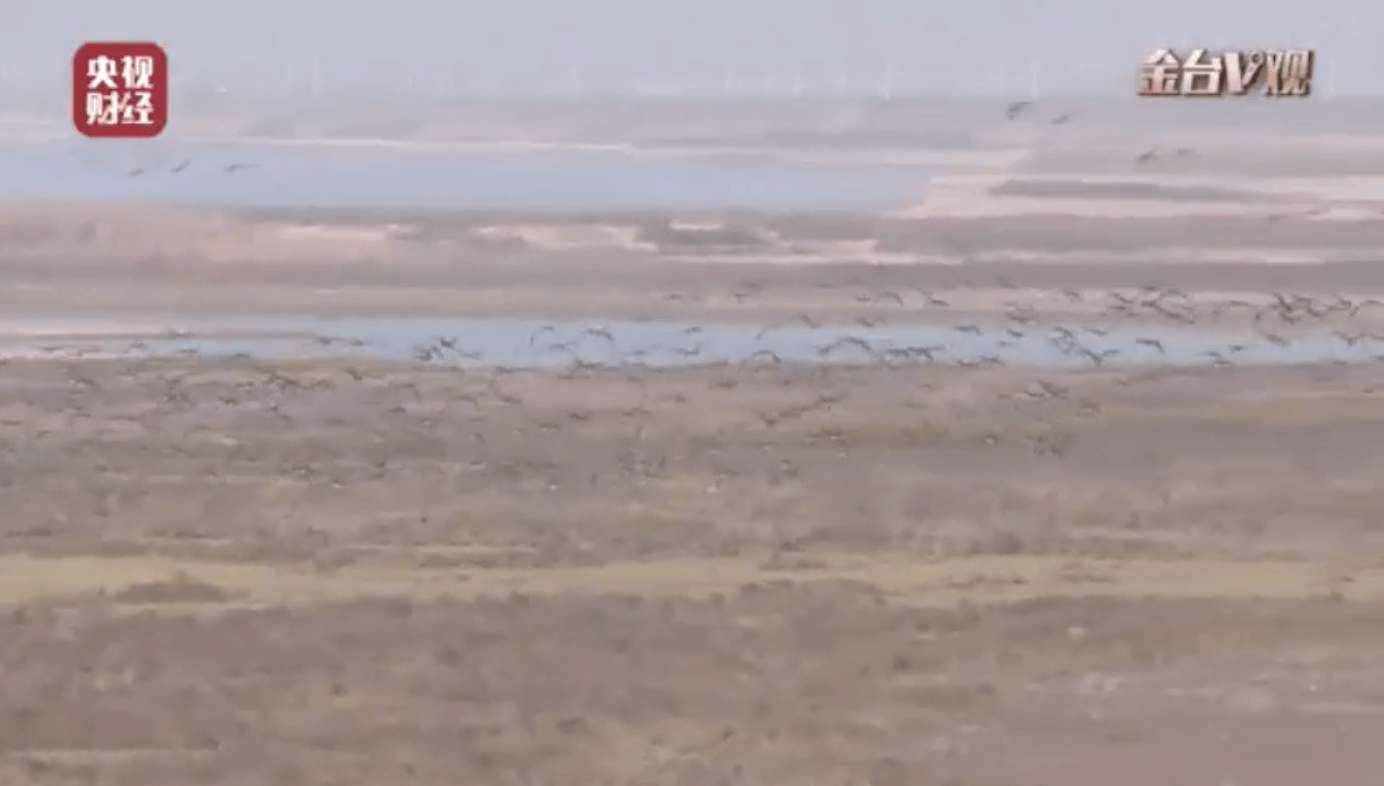
江西省科学院研究员 戴年华:过去集中在保护区里面,现在整个扩散到鄱阳湖里了,珍稀鸟类到处都是。十年禁渔以后,给候鸟的食物和活动空间更多更 大了,又没有人为活动,对它来说比较安全。 长江经济带发展十年间,"共抓大保护、不搞大开发"的理念深入人心。长江十年禁渔是保护长江最直接、最有效的措施之一。中国最大的淡水湖——鄱阳湖 是率先实行全面禁捕的长江流域重点水域,也是亚洲最大候鸟越冬地,2025年冬天,数十万只候鸟如约而至,这个越冬季和往常有什么不同? 冬季的鄱阳湖,最大的浪不是水浪,而是鸟浪。国家一级保护动物白鹈鹕到访鄱阳湖的消息,让长期从事相关研究的戴年华特意赶到余干水域寻找它的踪 迹。 画面里这只白鹈鹕就像一座水上巨无霸,把周边的雁鸭都衬得娇小。它的出现也刷新了江西省鸟种新纪录。 鹈鹕这大块头,食量自然也不小,独特的喉囊让它得以轻松捕鱼。鄱阳湖禁渔效果好不好,食客们已经用翅膀投票。2019年至2025年间,鄱阳湖区新增鸟类 14种。行走在康山大堤,身边不时有鸟浪翻涌,一只国内罕见的雪雁突然闯入视野。 休养生息的鄱阳湖,不仅滋养了更多样的物种,也让许多珍稀候鸟种群数量得以壮大。以明星物种白鹤为例,来鄱阳湖越冬的白 ...

长江“鱼满为患”?保护之路犹长
Zhong Guo Huan Jing Bao· 2026-01-16 05:49
我国自2016年启动长江大保护战略、2021年全面实施长江十年禁渔政策以来,始终坚持生态优先、保护 第一,推动经济社会协调发展、绿色发展,减轻人类活动影响,恢复长江自然生态活力,长江许多物种 也一改生存状态低迷的颓势,种群恢复亮点纷呈。 一个物种在生命周期的不同阶段选择不同的生境是常态。就鱼类而言,"三场一通道",即产卵场、索饵 场、越冬场和洄游通道,往往有不同的选择,许多迁徙物种的生存空间无不涉及上下游、左右岸或干支 流、河湖间。因此,在做好禁渔工作的同时,要梳理和完善更具针对性、实效性的保护之策,避免人类 活动、工程施工对自然生境的打扰,促进恢复水生生物生境的连通性,从而保障各种水生生物能够来去 自由选择合适的生境。 以长江鱼类物种多样性为例,2021年至2024年累计监测到344种,较2017年至2020年监测到的种数增加 36种。干流水生生物完整性指数持续提升,表明一些原本难以监测到的物种受益于保护,其种群数量有 所增加。人们的直观感受也是长江里鱼的数量确实比过去多了,甚至还出现了长江已经"鱼满为患"的说 法。 长江以磅礴水势长距离连通青藏高原、长江中下游平原和辽阔东海,塑造了众多物种的差异化生境。现 ...
续写下一个5年的护江答卷
Xin Lang Cai Jing· 2026-01-15 22:30
Core Viewpoint - The article discusses the ecological restoration efforts in the Yangtze River region, highlighting the progress made in biodiversity conservation and the importance of sustainable practices in protecting the river's ecosystem [2][4]. Group 1: Transformation and Governance - Sichuan has become one of the first provinces to implement a natural water system fishing ban, marking a significant step in ecological governance [3]. - The local community has shifted its perspective, exemplified by the villagers of Yingzhou Pavilion who abandoned road construction plans and fishing activities, leading to a significant increase in the population of the rare Shu Huabazhi plant from fewer than 10 to over 1,000 [3]. - Collaborative governance has improved, as seen in the joint protection efforts for the Chishui River among the provinces of Yunnan, Guizhou, and Sichuan, transitioning from individual management to collective stewardship [3]. Group 2: Species Protection and Technical Advances - The long-term efforts to protect the Yangtze sturgeon have resulted in the successful release of juvenile sturgeon into the river after years of absence, showcasing the commitment to species recovery [3]. - The reintroduction of the critically endangered Chuan-Shan Zhe Luo salmon, with 2,700 artificially bred fish released in 2025, indicates progress in restoring wild populations of endangered species [3]. Group 3: Long-term Commitment and Challenges - The article emphasizes that ecological protection requires sustained effort and strategic thinking, with a focus on long-term outcomes rather than short-term gains [4]. - The ongoing challenges include the fragility of rare aquatic species, incomplete restoration of key ecological chains, and potential disruptions from climate change and human activities [4][5]. - The commitment to continuous improvement in water quality and biodiversity is essential for the return of rare fish species, highlighting the need for persistent efforts in ecological restoration [5].
新一批长江流域国家重点保护水生野生动物重要栖息地名录发布
Ren Min Ri Bao· 2026-01-13 03:42
2021年1月1日起,我国正式实施长江十年禁渔,5年来,长江水生生物多样性持续向好。监测数据显 示,长江中下游多个监测断面的鱼类资源密度、物种数量均呈现恢复性增长趋势,一些消失多年的珍稀 鱼类重新现身。 近日,农业农村部发布《国家重点保护水生野生动物重要栖息地名录(第二批)(长江流域)》(以下 简称《名录》)。在捕捞压力大幅消除的背景下,为何仍要不断强化栖息地保护?名录对于进一步保护 珍稀水生野生动物有何重要意义? 《名录》新增27个重要栖息地,涉及长江江豚、中华鲟等珍稀水生动物 产卵场、索饵场、越冬场和洄游通道等重要栖息地,是水生生物赖以生存繁衍的流域空间。 2017年,原农业部发布第一批重要栖息地名录,将湖北省长江新螺段、天鹅洲等水域列为长江江豚重要 栖息地,强化了对长江江豚的保护,取得了明显成效——两个重要栖息地江段的长江江豚数量分别从 2017年的23头、7头增加到30头、13头。 近年来,重要栖息地的功能退化或丧失,仍是制约部分珍稀水生物种恢复的关键因素。 2020年出台的长江保护法明确规定在"重要栖息地应当实施生态环境修复和其他保护措施",国务院办公 厅于2024年印发的《关于坚定不移推进长江十年 ...
碧水生新 长江回响
Xin Lang Cai Jing· 2026-01-11 22:26
Core Viewpoint - The article highlights the significant ecological recovery of the Yangtze River due to the implementation of a ten-year fishing ban, which has led to improvements in water quality and biodiversity, particularly the restoration of the endangered Yangtze sturgeon population [5][6][7]. Group 1: Ecological Recovery - The Yangtze River, once rich in aquatic biodiversity, faced severe resource decline due to human activities since the 1980s, leading to a critical state where the biological integrity index dropped to a level described as "no fish" [5]. - The ten-year fishing ban, initiated on January 1, 2021, has shown early positive results, with significant efforts in artificial breeding and release of fish species, including over 66,000 Yangtze sturgeons released by 2024 [6][7]. Group 2: Community Impact - The fishing ban has transformed the livelihoods of local fishermen, with many transitioning to agriculture and receiving government pensions, indicating a shift from reliance on fishing to sustainable practices [7]. - The article illustrates a broader change in community attitudes towards water conservation, with new recreational activities emerging, such as winter swimming in clearer waters, reflecting a harmonious coexistence with nature [7].

坚定不移实施好长江十年禁渔
Zhong Guo Huan Jing Bao· 2026-01-08 23:30
Core Viewpoint - The "Ten-Year Fishing Ban on the Yangtze River" is a critical decision aimed at promoting high-quality development of the Yangtze Economic Belt and restoring the ecological vitality of the river, marking its tenth anniversary this year [1]. Group 1: Achievements and Challenges - The fishing ban has been in place for five years, with proper resettlement of displaced fishermen and steady improvement in the ecological environment, leading to significant achievements in biodiversity [1]. - Despite improvements, there are still 99 historically recorded fish species that have not been found, and top predators like the Yangtze River dolphin and the Chinese paddlefish are functionally extinct [2]. - The integrity index of aquatic life in the Yangtze River has only improved from "no fish" to "poor," indicating that ecological restoration remains a long-term and challenging process [2]. Group 2: Collaborative Efforts - A collaborative approach involving government, departments, and society is essential for the protection of the Yangtze River, requiring the breaking down of administrative barriers and enhancing inter-departmental coordination [3]. - Strengthening law enforcement against illegal fishing and promoting public awareness through effective communication are crucial for fostering a supportive social atmosphere for the fishing ban [3]. Group 3: Systematic Improvements - To enhance the effectiveness of the fishing ban, there is a need to protect and restore riparian vegetation, which serves as an important ecological barrier for the river [4]. - A scientific evaluation system should be established to monitor changes in aquatic resources dynamically, focusing on sensitive ecological areas [4]. - Modernizing law enforcement capabilities by incorporating technology such as AI and drones is necessary to improve efficiency and accuracy in combating illegal fishing [4]. Group 4: Long-term Mechanisms - Establishing a long-term mechanism is vital for the sustainability of the fishing ban, including ensuring the continued support and employment of displaced fishermen [5]. - Successful cases of fishermen transitioning to eco-tourism and green agriculture demonstrate the potential for a win-win situation between personal development and ecological protection [5]. - The emphasis on implementing the fishing ban in the 14th Five-Year Plan reflects a commitment to ongoing efforts and the need for collective action to safeguard the river [5].