
黄河文化

Search documents
2025年中国(郑州)黄河文化月正式启动
Zheng Zhou Ri Bao· 2025-08-12 01:18
Group 1 - The 2025 China (Zhengzhou) Yellow River Cultural Month was launched on August 11, featuring the "Singing the Yellow River" national vocal performance organized by the China Musicians Association [1] - The event aims to enhance public awareness of Yellow River culture and encourage the creation of more works related to it, thereby fostering cultural confidence and contributing to the construction of a culturally strong nation [1][2] - Zhengzhou has been actively implementing Xi Jinping's cultural thoughts and strategies for ecological protection and high-quality development in the Yellow River basin, focusing on cultural prosperity and emotional connection within the city [1] Group 2 - The Yellow River Cultural Month has been held since 2021, with this year's activities being more inclusive and diverse, which will significantly promote cultural prosperity in Zhengzhou [2] - The event is expected to effectively support high-quality development and efficient governance, providing a strong cultural foundation for advancing modernization in the Central Plains region [2]
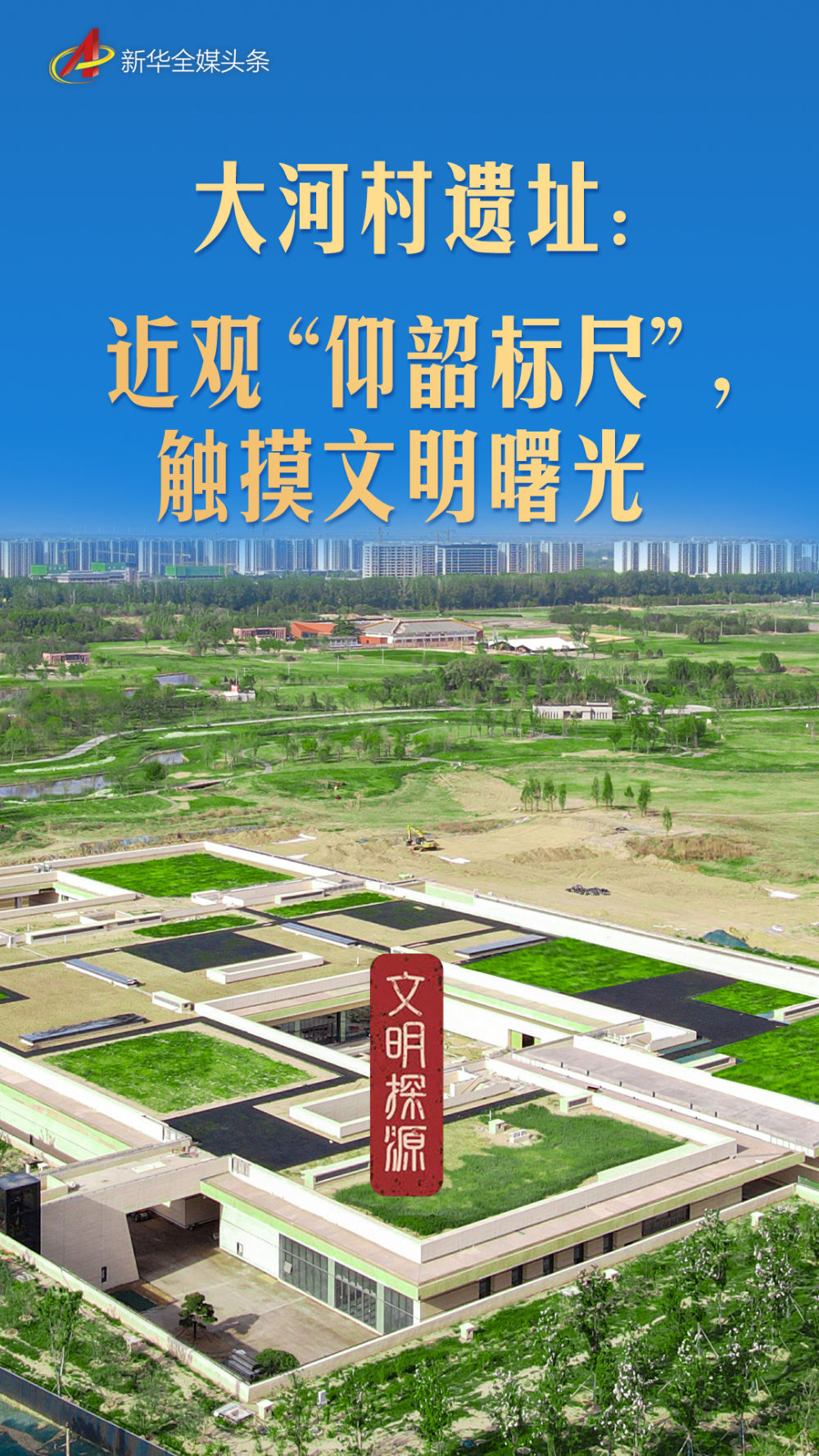
大河村遗址:近观“仰韶标尺”,触摸文明曙光
Xin Hua She· 2025-08-09 22:35
Core Viewpoint - The Zhengzhou Dahe Village Archaeological Site Museum showcases the rich cultural heritage of the Yellow River basin, emphasizing the importance of Yellow River culture as a vital part of Chinese civilization and its historical significance in the development of early Chinese society [3][7][8]. Group 1: Archaeological Significance - The Dahe Village site spans approximately 3,500 years, encompassing various cultural phases including Yangshao, Longshan, Xia, and Shang cultures, making it a crucial archaeological site for understanding the origins of Chinese civilization [3][6]. - Recent excavations have revealed significant findings, including well-preserved structures and artifacts that illustrate the transition from primitive settlements to a more complex society [6][7]. - The site is recognized as a "yardstick" for the Yangshao culture, providing a reference point for dating other archaeological sites in the region [8][7]. Group 2: Cultural Heritage and Preservation - The museum aims to promote the systematic protection of Yellow River cultural heritage and to enhance cultural confidence among the Chinese people by telling the "Yellow River story" [3][19]. - The new museum features an immersive digital exhibition project that recreates the social landscape of the Yangshao period, allowing visitors to experience the daily life of early inhabitants [19][20]. - The site has become a focal point for cultural exchange, hosting events that discuss the protection and utilization of cultural heritage, highlighting its role in bridging Eastern and Western civilizations [16][18]. Group 3: Visitor Engagement and Future Plans - The museum has seen a steady influx of visitors since its opening, indicating a strong public interest in the region's archaeological findings and cultural history [3][19]. - Future plans include the development of ecological wetland restoration areas and interactive leisure zones to enhance visitor experience and engagement with the site [20].

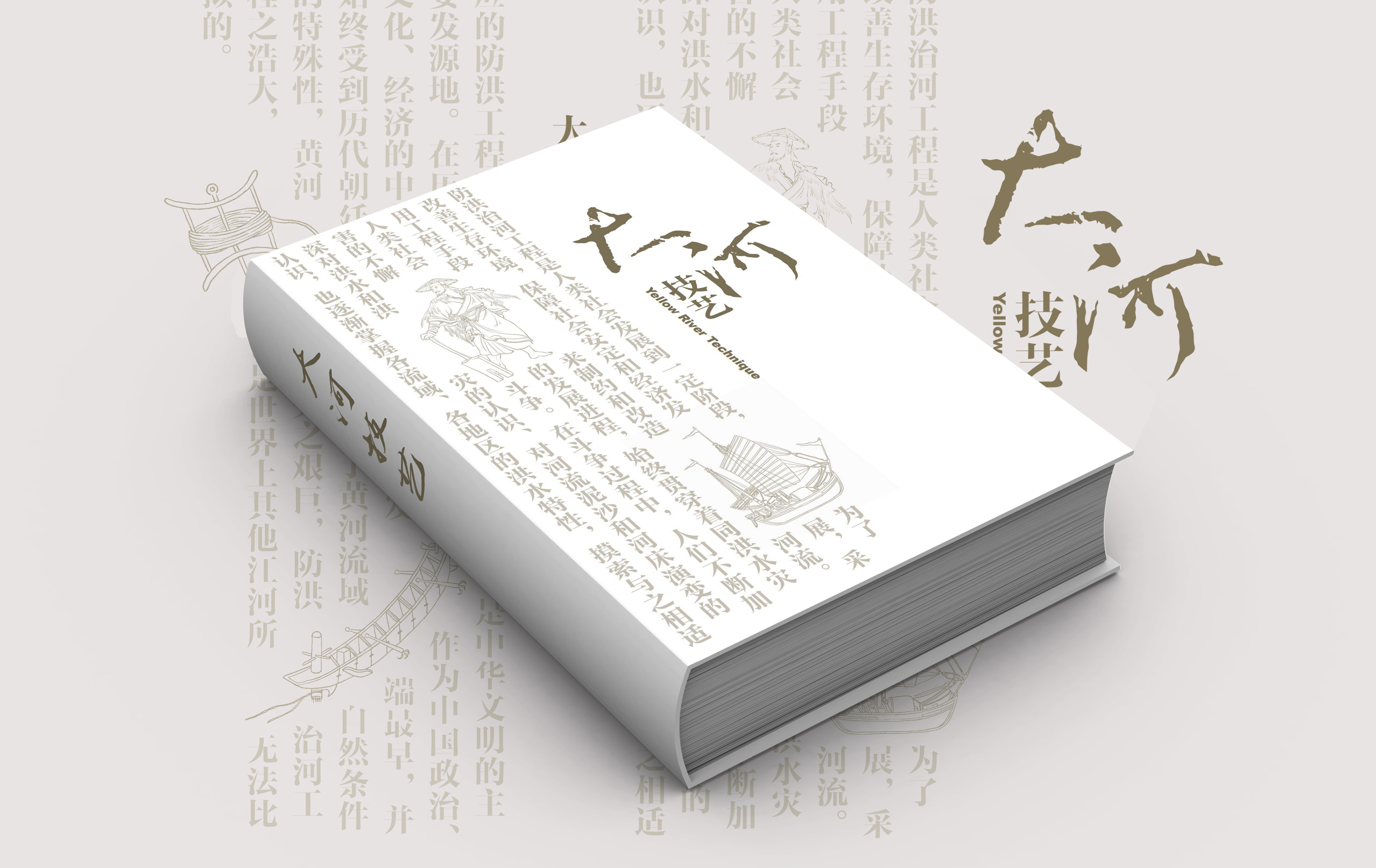
《大河技艺》出版广受好评展现黄河技艺独特魅力
Qi Lu Wan Bao· 2025-06-25 08:20
Core Viewpoint - The publication of the book "Great River Skills" focuses on the traditional and modern techniques related to the Yellow River, receiving widespread acclaim and attention in both industry and society [1] Group 1: Book Structure and Content - The book is divided into four sections: embankment engineering, dredging techniques, emergency response techniques, and repair management, linking significant events in Yellow River governance through the evolution of skills [3] - "Great River Skills" innovatively combines cultural heritage, practical teaching, and artistic aesthetics, utilizing extensive literature research, step-by-step illustrations, and expert interviews to create a visually rich and detailed case study [3] Group 2: Target Audience and Applications - Positioned as a popular science book on Yellow River culture and governance techniques, it serves as an important outcome of Yellow River culture and intangible cultural heritage [4] - For Yellow River industry workers, the book provides a thorough overview of traditional and modern river management techniques, making it a valuable resource for emergency response teams [4] - For the general public, the book connects major historical events in Yellow River governance through the lens of skills, narrating stories of dedication and innovation in river management, while also introducing local folklore [4] Group 3: Cultural Impact and Future Prospects - The publication injects new vitality into the transmission and development of river management skills and offers a significant pathway for promoting Yellow River culture [4] - There is an expectation that "Great River Skills" will shine brightly in the new era, becoming an important emblem of Yellow River culture [4]
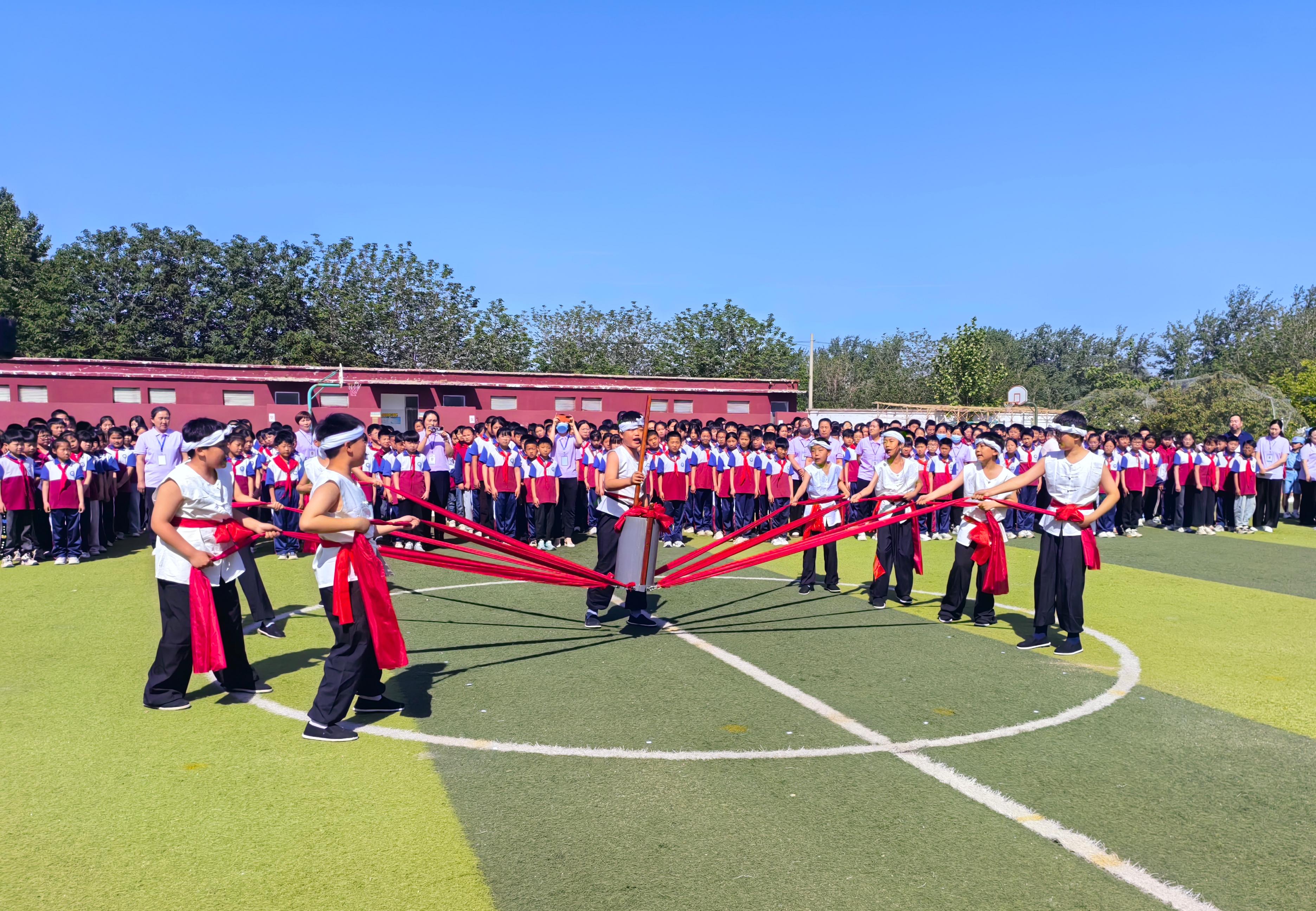
大河技艺照亮千年智慧——非遗传承视角下的黄河河工技艺
Qi Lu Wan Bao· 2025-06-25 08:20
Core Viewpoint - The "Yellow River River Works" project has been officially recognized and protected as a representative project of intangible cultural heritage in Shandong Province, highlighting the significance of traditional techniques in river management that have been developed over thousands of years [1][4]. Group 1: Cultural Significance - The Yellow River River Works techniques embody a profound understanding of the relationship between humans and nature, encompassing various construction methods for flood control and water management [4]. - The techniques include levee construction, flood control structures, and emergency response strategies, which collectively form a unique hydraulic technology system that has contributed to the development of civilization [4]. Group 2: Key Cultural Product - The book "Great River Techniques" is a crucial cultural product that supports the successful application for the project, serving as a key medium for the systematic organization and living transmission of this heritage [7]. - The book focuses on core techniques such as levee construction, flood control, and management, providing a historical overview and modern adaptations through rigorous documentation and visual aids [7]. Group 3: Practical Impact and Dissemination - "Great River Techniques" has quickly become an important platform for multi-dimensional dissemination, serving as a learning resource for emergency response teams and a recommended textbook for university courses on Yellow River culture [8]. - The book not only provides practical tools for industry professionals to learn ancient wisdom and traditional techniques but also opens a window for the public to understand the vitality and appeal of Yellow River governance culture [8]. - The integration of traditional wisdom with modern technology in the book demonstrates that Yellow River River Works techniques remain the most commonly used and effective disaster prevention methods today [8].
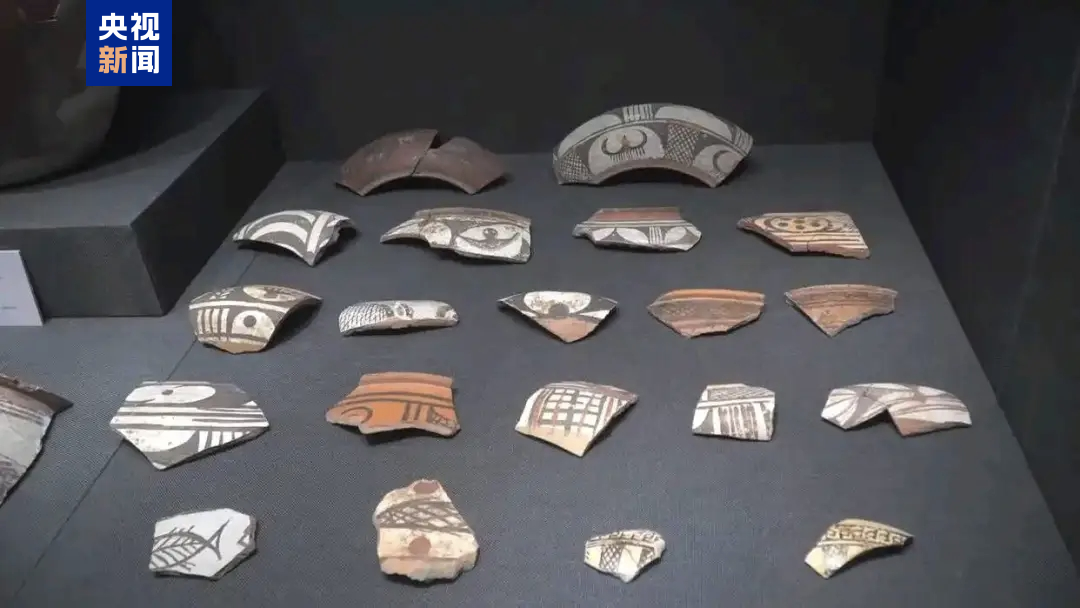
郑州大河村遗址博物馆新馆开馆
Yang Shi Xin Wen· 2025-06-14 05:36
Core Viewpoint - The Zhengzhou Dahu Village Ruins Museum's new exhibition hall opened on June 14, showcasing over 1,600 artifacts that highlight the rich cultural heritage of the Dahu Village site and the Yangshao culture, dating back 7,000 to over 5,000 years [1] Group 1: Museum Overview - The new exhibition area covers 7,292 square meters and focuses on the Dahu Village site's significance in the context of Chinese river civilization [1] - The museum is the first in China to present a panoramic view of the Yangshao culture, featuring over 2,000 artifacts from the Paleolithic era to the Xia and Shang dynasties [8] Group 2: Cultural Significance - The Dahu Village site is a key marker of the origin of Chinese civilization, showcasing the development of culture from the Yangshao and Longshan cultures to the Erlitou culture and Shang dynasty remains [1] - The site reflects the ancient inhabitants' interest in astronomy, as evidenced by their depictions of celestial bodies on pottery, earning it the nickname "the village under the stars" [1] Group 3: Archaeological Findings - The Yangshao culture period housing foundation, which is over 5,000 years old, demonstrates advanced construction techniques and is one of the best-preserved prehistoric residential sites in China [3] - The white-painted pottery basin, a prehistoric ceramic art treasure, features intricate designs and repair marks, indicating early craftsmanship similar to later pottery repair techniques [5] - The excavated double-spouted pottery vessel, adorned with parallel line patterns, symbolizes peace and friendship, possibly used during significant clan events [6]
文博日历丨“悠悠黄河水,两岸是兰州” 百年前的兰州什么样?
Yang Shi Xin Wen Ke Hu Duan· 2025-05-27 23:28
Core Viewpoint - The article highlights the historical and cultural significance of the painting "Jincheng Lansheng Tu," which vividly depicts the city of Lanzhou over a century ago, showcasing its unique geographical features and historical landmarks [3][15]. Summary by Sections Historical Context - "Jincheng Lansheng Tu" was created by the folk painter Ma Wu during the Qing Dynasty, representing the landscape and cityscape of Lanzhou, specifically the area that is now part of Lanzhou's Chengguan District [11]. - Lanzhou was established during the Western Han Dynasty and has undergone renovations throughout history, gaining prominence during the Ming Dynasty with a well-defined inner and outer city structure [13]. Geographical Features - The painting illustrates the Yellow River flowing through Lanzhou, with notable features such as the Zhenyuan Floating Bridge and waterwheels along the riverbank, highlighting the city's reliance on the river for water supply [5][7]. - Lanzhou is recognized as a typical river city, being the only provincial capital through which the Yellow River flows, earning it the nickname "Pearl of the Yellow River" [15]. Cultural Significance - The painting serves as a valuable historical document, capturing the distribution of landmarks and the overall layout of Lanzhou over a century ago, thus providing a "Lanzhou impression" for future generations [17]. - The article encourages readers to explore Lanzhou today, visiting historical sites such as the White Pagoda Mountain Park and the Zhongshan Bridge, which are integral to the city's cultural heritage [19][25].
繁荣文化 赓续文脉
He Nan Ri Bao· 2025-05-21 23:33
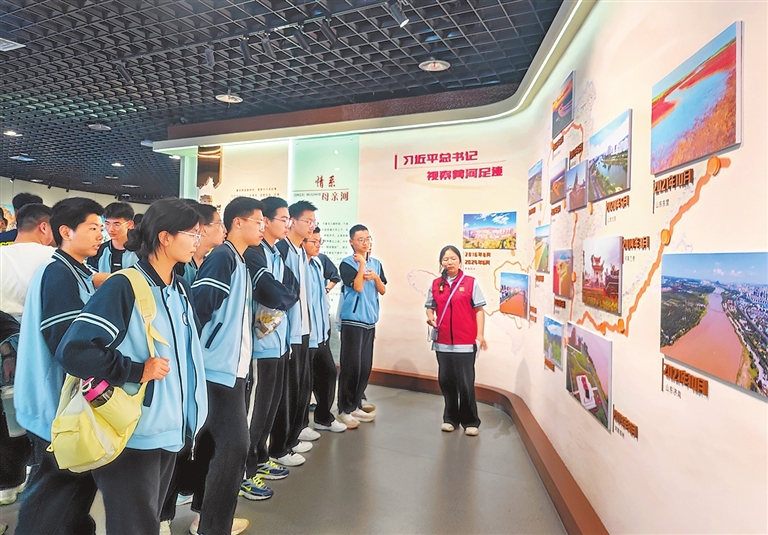
Core Points - The Chinese government emphasizes the importance of protecting, inheriting, and promoting traditional culture, particularly in the context of the Yellow River and Yin Shang culture [1][5][8] - Recent initiatives have focused on enhancing cultural tourism and integrating it with local economies to foster community engagement and cultural pride [5][17] Group 1: Yellow River Culture - The Yellow River Museum has seen an increase in visitors, with over 420,000 visits and nearly 6,300 group visits from September 2019 to the end of 2024, indicating growing interest in Yellow River culture [4] - The museum has implemented various educational programs and community outreach to raise awareness about the importance of protecting the Yellow River [4][5] - New exhibitions, such as the "Happy Yellow River" exhibit, showcase recent river management practices and aim to enhance the international visibility of Yellow River culture [4][5] Group 2: Yin Shang Culture - The Yin Ruins in Anyang have yielded significant archaeological discoveries, including large-scale structures and roads, contributing to the understanding of Shang civilization [8][9] - The newly opened Yin Ruins Museum has attracted 2.3 million visitors, showcasing archaeological findings and emphasizing the continuity and innovation of Chinese civilization [9][10] - Future plans include enhancing the museum's offerings and participating in international exhibitions to promote Shang culture globally [10] Group 3: Traditional Chinese Medicine - The establishment of the Medical Saint Cultural Park in Nanyang aims to promote traditional Chinese medicine and its cultural heritage, attracting over 1 million visitors since its opening [11][12] - The park integrates various facilities, including a museum and educational institutions, to enhance the understanding and appreciation of traditional Chinese medicine [11][12][13] - Future developments will focus on industrial growth related to traditional medicine, aligning with cultural preservation efforts [13] Group 4: Longmen Grottoes - The Longmen Grottoes have seen a significant increase in visitor numbers, with projections of 7.7 million visitors in 2024, a 31% increase from 2023 [17] - The site is actively exploring digital preservation techniques and educational programs to engage the public and enhance cultural transmission [16][17] - The integration of cultural tourism with local economic development is a key focus, as highlighted by government initiatives [17]
我的心窝住着黄河(我与一座城)
Ren Min Ri Bao· 2025-05-07 23:00
Group 1 - The article highlights the historical significance and cultural heritage of the Yellow River and its impact on the local community in Lijin, which has a history of over 800 years [1][3] - It discusses the evolution of flood control measures in Lijin, detailing the transition from straw dams to stone dams, enhancing flood resistance capabilities over the decades [1][2] - The innovative "Xihua Sew" method developed by locals for constructing flood control structures is noted for its effectiveness and aesthetic appeal, which has been widely adopted [2] Group 2 - The author emphasizes the importance of documenting and preserving the cultural and historical narratives associated with the Yellow River through literature, contributing to the promotion of Yellow River culture [2][3]