
对等关税

Search documents
突发重磅!美国拟对日本征收额外15%“对等关税”
Jin Tou Wang· 2025-08-07 04:24
Group 1 - Japan will face an additional 15% "reciprocal tariff" on imported goods that are already subject to 15% or higher tariffs, which means Japan will not receive the same "non-accumulation of tariffs" treatment as the EU [1] - The trade agreement reached on July 22 stipulates that the applicable "reciprocal tariff" rate for Japan will be 15%, increasing from the current 10% starting in August [1] - Japan's Economic Revitalization Minister, Akira Amari, has expressed concerns over the U.S. government's announcement that Japanese goods will incur an additional 15% tariff, which contradicts the previously agreed terms [1] Group 2 - The recent agreement between Trump and Akira Amari involved reducing the reciprocal tariff on Japanese goods from 25% to 15% in exchange for increased Japanese investment in the U.S. [2] - The specific timeline for adjustments to automobile tariffs remains unclear, and further discussions are expected between Akira Amari and U.S. Treasury Secretary Mnuchin [2] - As of August 7, international spot gold prices have shown a slight increase, reflecting broader market conditions [2]
美将对印度输美产品加征25%关税 印度回应
Xin Hua Wang· 2025-08-07 00:26
美国总统特朗普6日签署行政令,以印度"以直接或间接方式进口俄罗斯石油"为由,对印度输美产品额 外征收25%的关税。这意味着美国对印度总体关税税率将达到50%。 印度外交部6日发布声明重申,美国对印度加征关税等行为"不公平、不正当和不合理",印方将采取所 有必要措施保护其国家利益。声明说,印度进口俄罗斯石油基于市场因素,整体目标是为了确保印度能 源安全。 印度外交部本周早些时候表示,俄乌冲突升级后,美国曾积极鼓励印度从俄罗斯进口石油,以增强全球 能源市场稳定。 特朗普政府4月初公布所谓"对等关税"措施后,一度宣称有望很快与印度达成贸易协议,但双方在关税 和非关税壁垒上的分歧导致贸易谈判陷于困境。印度从俄罗斯进口石油近期成为美国重点攻击的目标。 特朗普近期不断施压,要求俄罗斯与乌克兰达成停火协议,并在7月29日提出10天"最后期限"。美国以 印度进口俄罗斯石油为由对印度产品加征关税,被国际舆论视为美国对俄施压的一部分。 公告表示,除一些例外情况,新的关税措施将在行政令公布21天后实施。 根据特朗普7月31日签署的行政令,美国将从8月7日开始对印度输美商品征收25%的关税。与6日公布的 额外关税叠加后,印度输美商品 ...
天风证券晨会集萃-20250807
Tianfeng Securities· 2025-08-07 00:11
Group 1: Macro Strategy and Tariff Impact - The report highlights the significant changes in the U.S. non-farm data as a reflection of the post-pandemic "K-shaped economy" differentiation, raising doubts about the effectiveness of current economic statistics [3][23] - It discusses the evolving framework of the U.S. "reciprocal tariffs" policy, which is becoming clearer with three tiers based on country agreements, affecting various industries [23][24] - The report suggests that the impact of tariffs on consumer prices in the U.S. is just beginning to manifest, with potential inflation risks remaining due to the ongoing tariff framework and domestic demand stimulation from tax cuts [25][26] Group 2: Chemical Industry - Soda Ash Investment Opportunities - The soda ash industry has about 30% of its capacity being outdated, with 10% of the capacity having energy consumption and emissions below benchmark levels [4] - The report emphasizes the importance of focusing on companies with cost advantages, particularly those using natural soda ash methods, which are more energy-efficient and cost-effective compared to synthetic methods [4] - Recommended companies include Boyuan Chemical, which is the largest domestic soda ash producer with a capacity of 6.8 million tons, and Zhongyan Chemical, which is expanding its capacity through new mining rights [4] Group 3: Pharmaceutical Industry - Kolun Biotechnology - Kolun Biotechnology's SKB264, a TROP2 ADC drug, is in the global phase III clinical trials and is considered to have blockbuster potential, with significant data expected in 2027 [5][36] - The drug has shown promising results in various indications, particularly in NSCLC, outperforming competitors in terms of progression-free survival [37][38] - The report indicates that SKB264 is positioned in the first tier of global competition, with a strong focus on its unique molecular design contributing to its efficacy and safety profile [37][38] Group 4: Electronics Industry - Lian De Equipment - Lian De Equipment has been awarded a contract for the 8.6 generation AMOLED production line, indicating its leading position in the OLED equipment market [18][27] - The company is expected to benefit from the growing demand for flexible AMOLED displays, particularly in foldable smartphones and high-end IT devices [28][29] - The report projects significant growth in the solid-state battery market, with Lian De Equipment actively developing equipment for this sector, indicating a strong future market potential [30][31] Group 5: Electronics Industry - Sunrock Electronics - Sunrock Electronics reported a sales revenue of 3.224 billion yuan in the first half of 2025, marking a year-on-year increase of 19.80% [32][33] - The company is experiencing growth in its automotive electronics and data center business, with significant contributions to its revenue from these sectors [34] - The report maintains a positive outlook on the company's profitability, projecting net profits of 1.05 billion yuan for 2025 and 1.28 billion yuan for 2026 [35]

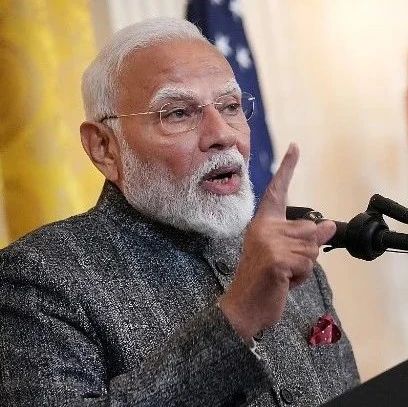
印度:不公平、不公正、不合理
第一财经· 2025-08-07 00:07
2025.08. 07 本文字数:1017,阅读时长大约2分钟 据新华社,美国总统特朗普6日签署行政令,以印度"以直接或间接方式进口俄罗斯石油"为由,对印度输美产品征收额外的25%关税。对此,印方表 示,美方对印度加征关税的做法"不公平、不公正、不合理",印度将"采取一切必要行动"维护国家利益。 印度输美商品关税税率翻倍 根据白宫当天发布的公告,特朗普称俄罗斯政府的行为和政策继续对美国国家安全和外交政策构成"异常威胁",为应对俄乌冲突引发的国家紧急状 态,"对直接或间接进口俄罗斯石油的印度征收额外从价关税是必要和合适的"。 公告表示,除一些例外情况,新的关税措施将在行政令公布21天后实施。 根据特朗普7月31日签署的行政令,美国将从8月7日开始对印度输美商品征收25%的关税。与6日公布的额外关税叠加后,印度输美商品将总体适用 50%的关税税率。 特朗普近日以印度购买俄罗斯石油为由,威胁大幅提高对印度产品的关税。他称,印度不仅大量购买俄罗斯石油,还在二级市场上销售并获取大额利 润,为俄罗斯战争机器提供"燃料"。 "不公平、不公正、不合理" 印度外交部6日发布声明重申,美国对印度加征关税等行为"不公平、不公正、不 ...

【环球财经】巴西就美加征关税向世贸组织提请磋商
Xin Hua She· 2025-08-06 23:45
Core Points - Brazil has submitted a request for consultations with the United States under the World Trade Organization (WTO) dispute resolution mechanism [1] - The request challenges the U.S. government's imposition of tariffs based on its April 2 "reciprocal tariff" executive order and the July 30 executive order addressing perceived threats from Brazil [1] - Brazil's government claims that these U.S. measures violate the most-favored-nation principle and core commitments made within the WTO framework [1] Summary by Sections - **Consultation Request**: Brazil's request for consultations is the first step in the WTO dispute resolution process, aiming to resolve the tariff dispute amicably [1] - **Tariff Impact**: As of August 6, the U.S. has imposed a 40% ad valorem tariff on Brazilian products, raising the total tariff rate on most Brazilian exports to the U.S. to 50%, affecting products such as meat, coffee, and fruits [1] - **Negotiation Willingness**: Brazil has reiterated its willingness to negotiate and hopes that consultations will lead to a resolution of the issues at hand [1]
日本质疑美国关税文件与协议不一致,要求纠正
Xin Hua Cai Jing· 2025-08-06 23:33
Group 1 - Japan's Economic Revitalization Minister Akira Amari stated that the recent U.S. announcement regarding tariffs starting August 7 is inconsistent with the previously agreed terms between Japan and the U.S., leading to higher tariffs for Japan [1] - The trade agreement announced by Trump on July 22 indicated that Japan's "reciprocal tariff" rate would decrease from 25% to 15%, but the effective rate would increase from 10% to 15% due to the existing 10% "base tariff" that has been in effect since April [1] - Amari emphasized that Japan had confirmed with U.S. officials that products already subject to tariffs would benefit from "special measures to reduce burdens," but the recent U.S. tax document contradicts this agreement, imposing an additional 15% on top of existing tariffs [1] Group 2 - Amari stressed the need for the U.S. to clarify the situation and adhere to the previously agreed terms [2] - Japan has committed to investing $550 billion in the U.S., but Amari indicated that cooperation would not be possible if it does not benefit Japanese companies and the economy [2] - Japan and the U.S. have agreed to reduce automobile tariffs to 15%, but Amari is seeking prompt implementation of this agreement, as Japanese automotive products currently face a 27.5% tariff, resulting in significant daily losses [2]

日本:美国公布的关税公告与协议不一致,要求纠正
Mei Ri Jing Ji Xin Wen· 2025-08-06 22:22
据新华社援引《日本经济新闻》网站报道,日本时间6日上午,正在美国访问的日本经济再生大臣赤泽 亮正对记者表示,美国方面公布的8月7日开始征收关税的官方公告与此前日美双方达成的协议不一致, 将使日本面临更高关税,日本要求美方予以纠正。 赤泽亮正还说,日美已就将汽车及汽车零部件关税下调至15%达成一致,但具体下调时间尚未确定,他 此行的紧迫任务将是寻求美方尽快落实。他此前已表示,日本汽车及汽车零部件目前被美方征收27.5% 的关税,相关产业每一天都在遭受巨额损失。 7月22日,美国与日本达成贸易协议,日本适用的"对等关税"税率将为15%。由于"对等关税"包含所谓 10%的"基准关税"4月起已在征收,8月起日本适用的税率将从10%提高到15%。 值得一提的是,7月23日,日本首相石破茂在直播记者会上称,已得到美方保证,如果未来美国对半导 体等对经济安全至关重要的物资征收关税,日本不会得到比其他国家或地区"更差的待遇"。 赤泽亮正表示,此前与美方反复确认,针对现有税率低于15%的商品,在8月税率提高后总税率应为 15%。而美国政府日前发布的公告显示,日本已被征税商品需在现有税率之上再加15%,内容与协议不 符,对日本不 ...
8月7日 特朗普要发表重要讲话
Guo Ji Jin Rong Bao· 2025-08-06 17:48
Group 1 - The new tariff policy by President Trump, originally set to take effect on August 1, has been postponed to August 7, with the tariff rates "basically determined" according to U.S. Trade Representative Jamison Greer [1][2] - Trump is expected to announce significant economic measures on August 6, which will be his first major action following a series of economic and geopolitical warnings [2] - Trump has expressed dissatisfaction with India for continuing to purchase Russian oil, threatening "very significant" tariffs as punishment, which has led to a defensive response from Indian officials [3][4] Group 2 - The Indian stock market has shown signs of stress, with the BSE Sensex index dropping 0.38% and the rupee depreciating against the dollar amid concerns over potential U.S. tariffs [3] - The Sensex and Nifty indices fell again on August 6, with Sensex down 166 points, as Trump indicated plans to impose tariffs on specific industries, including semiconductors and pharmaceuticals, potentially raising drug tariffs to 250% [4] - Following Trump's executive order on July 31, trade partners will face adjustments in tariff rates, with new rates set to take effect on August 7 [5][6] Group 3 - The U.S. has announced a significant increase in tariffs on Swiss imports to 39%, up from a previously proposed 31%, raising concerns about potential job losses and order declines in Swiss industries [7] - Swiss officials, including President Keller-Sutter and Economy Minister Parmelan, have traveled to Washington to negotiate before the new tariffs take effect [7][8] - Japan's Economic Revitalization Minister is also in the U.S. seeking clarification and adjustments to tariff measures, as Japan's goods may face higher effective tax rates than the agreed 15% [8]
【环球财经】美国将对印度输美产品征收额外25%关税
Xin Hua Cai Jing· 2025-08-06 16:56
Core Points - The U.S. President Trump signed an executive order imposing an additional 25% tariff on Indian products due to India's import of Russian oil, which he claims poses a threat to U.S. national security and foreign policy [1][2] - The new tariffs will take effect 21 days after the announcement, resulting in a total tariff rate of 50% on Indian goods exported to the U.S. [1] - India has defended its oil imports from Russia, stating that it is based on market factors and aimed at ensuring energy security for its 1.4 billion people [2] Group 1 - The executive order is a response to India's direct or indirect import of Russian oil amid the ongoing Russia-Ukraine conflict [1] - Trump's administration has previously threatened to increase tariffs on Indian products due to India's significant purchases of Russian oil [1][2] - The U.S. sees India's oil imports as a means of providing "fuel" to Russia's war efforts, leading to heightened tensions in trade relations [1] Group 2 - India's Ministry of External Affairs criticized the U.S. tariffs as "unfair, unjust, and unreasonable," indicating that India will take necessary measures to protect its national interests [1][2] - The U.S. had previously encouraged India to import Russian oil to stabilize the global energy market after traditional supplies shifted to Europe [2] - The ongoing trade negotiations between the U.S. and India have stalled due to disagreements over tariffs and non-tariff barriers, with the focus now shifting to India's oil imports from Russia [2]
日本:美国公布的关税公告与协议不一致 要求纠正!
Mei Ri Jing Ji Xin Wen· 2025-08-06 16:41
据新华社援引《日本经济新闻》网站报道,日本时间6日上午,正在美国访问的日本经济再生大臣赤泽 亮正对记者表示,美国方面公布的8月7日开始征收关税的官方公告与此前日美双方达成的协议不一致, 将使日本面临更高关税,日本要求美方予以纠正。 7月22日,美国与日本达成贸易协议,日本适用的"对等关税"税率将为15%。由于"对等关税"包含所谓 10%的"基准关税"4月起已在征收,8月起日本适用的税率将从10%提高到15%。 值得一提的是,7月23日,日本首相石破茂在直播记者会上称,已得到美方保证,如果未来美国对半导 体等对经济安全至关重要的物资征收关税,日本不会得到比其他国家或地区"更差的待遇"。 日本财务省数据显示,2024年日本对美国的出口总额为21万亿日元,其中汽车及零部件贡献了超过7.2 万亿日元,约占三分之一。据日本汽车工业协会统计,2024年日本对美国汽车出口量达137万辆,占该 国汽车出口总量的30%以上。 赤泽亮正表示,此前与美方反复确认,针对现有税率低于15%的商品,在8月税率提高后总税率应为 15%。而美国政府日前发布的公告显示,日本已被征税商品需在现有税率之上再加15%,内容与协议不 符,对日本不利。 ...