
利率上升

Search documents
债券浮亏暴增八倍,这家日本寿险巨头亏麻了!
Hua Er Jie Jian Wen· 2025-05-26 08:11
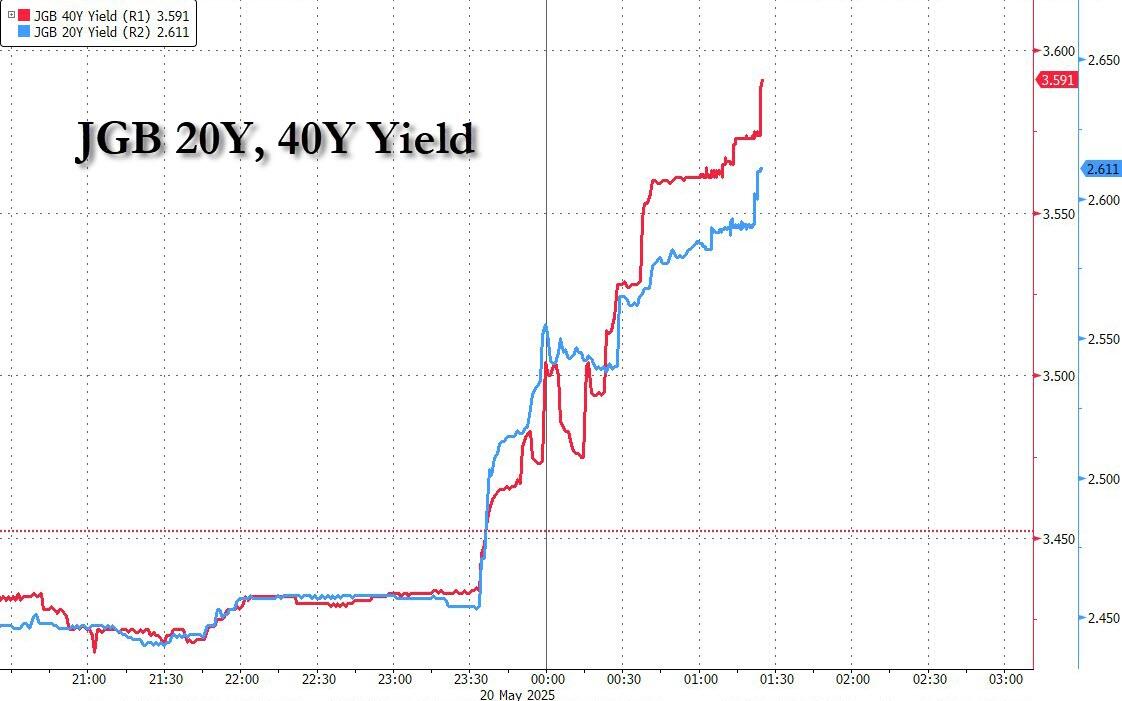
Core Viewpoint - Rising interest rates have led to significant unrealized losses for Japanese insurance companies, particularly in their holdings of domestic bonds, creating a challenging environment for these institutions [1][3]. Group 1: Financial Impact on Insurance Companies - Meiji Yasuda Life Insurance Company reported a staggering increase in unrealized losses on domestic bonds, rising from 161.4 billion yen to approximately 1.386 trillion yen (about 9.7 billion USD) in the last fiscal year [1]. - Nippon Life, Japan's largest life insurance company, also announced a record unrealized loss of 3.6 trillion yen, doubling year-on-year [1]. - The overall situation reflects a broader trend affecting life insurance companies across Asia, with substantial losses attributed to market volatility triggered by U.S. policies [1]. Group 2: Market Dynamics and Bond Sales - The Bank of Japan's reduction in large-scale bond purchases has led to a sell-off of long-term bonds, causing prices to plummet and yields on 30-year and 40-year government bonds to reach historic highs [1][3]. - As interest rates rise, insurance companies face pressure to sell bonds, either to meet cash demands from policyholders or to reinvest in higher-yielding new bonds [3]. - This forced selling could exacerbate the bond market's decline, leading to further depreciation of existing bonds and increasing unrealized losses for these companies [3].

日美欧超长期利率加速上升,有两大原因
3 6 Ke· 2025-05-22 04:03
Group 1: Rising Bond Yields - The yield on the 30-year U.S. Treasury bond rose to nearly 5.1%, the highest level in a year and a half, with a significant increase of over 0.4% since May [2][3] - Long-term bond yields are rising across Japan, the UK, and Germany, indicating a broader trend of increasing rates in the bond market [5] - The rise in yields is attributed to concerns over fiscal instability and the impact of U.S. trade policies on global supply chains and inflation [2][9] Group 2: Economic Indicators and Monetary Policy - Recent economic indicators, including April's employment data, have led to a decrease in expectations for interest rate cuts by the Federal Reserve, with some officials suggesting only one cut may occur this year [6] - In the UK, the consumer price index rose by 3.5% year-on-year, prompting discussions about the pace of future interest rate cuts by the Bank of England [8] Group 3: Fiscal Concerns and Market Reactions - The U.S. Congress is working on fiscal legislation that could lead to a significant increase in public debt, estimated at $3 trillion to $5 trillion over the next decade [10] - Concerns about fiscal deterioration are prevalent in Japan and Europe, with rising defense spending discussions contributing to increased interest rates [10] - The perception of U.S. Treasuries as a safe asset is being challenged, leading to potential shifts in investment strategies among global investors [10] Group 4: Impact on Housing and Corporate Investments - The rise in long-term interest rates is creating headwinds for investments reliant on long-term borrowing, such as housing [11] - The 30-year mortgage rate reached 6.92%, contributing to a 5% decline in mortgage application indices [11] - High interest rates may increase the risk of corporate bankruptcies, particularly for companies with heavy debt burdens [11]

日本财务大臣加藤胜信:若日本财政失去市场信任,可能面临利率上升,进而影响债务偿还。
news flash· 2025-05-19 02:42
Core Viewpoint - Japan's Finance Minister, Kato Katsunobu, warned that if Japan's fiscal situation loses market confidence, it could lead to rising interest rates, which would subsequently affect debt repayment [1] Group 1 - The potential loss of market trust in Japan's fiscal management could trigger an increase in interest rates [1] - Rising interest rates may pose significant challenges for Japan in terms of servicing its debt obligations [1]
美国总统特朗普:尽管利率上升,住房数据依然良好。
news flash· 2025-04-24 18:27
Group 1 - The core viewpoint is that despite rising interest rates, housing data in the U.S. remains strong [1] Group 2 - The housing market continues to show resilience, indicating potential investment opportunities in real estate [1] - Economic indicators suggest that the demand for housing is not significantly affected by the increase in interest rates [1]